
Have you ever wondered if whey protein is hard to digest? If you’ve tried adding it to your diet but felt uncomfortable afterward, you’re not alone.
Many people ask the same question because digestion plays a big role in how your body uses this popular supplement. Understanding how whey protein affects your gut can help you make smarter choices for your health and fitness. Keep reading to discover the truth about whey protein digestion and learn how to avoid common issues that might be holding you back.
Credit: www.flipkart.com
Whey Protein Basics
Whey protein is a popular supplement among athletes. It is known for its high protein content. Many people use it to build muscles and improve recovery.
Some individuals worry about digestion issues. Understanding its types and benefits can help ease concerns.
What Is Whey Protein?
Whey protein comes from milk. It is a by-product of cheese production. This protein is rich in essential amino acids.
Whey protein is quickly absorbed by the body. This makes it a favorite choice for post-workout nutrition.
Types Of Whey Protein
There are three main types of whey protein. Each type has different processing levels and protein content.
- Whey Protein Concentrate: Contains some fats and carbohydrates. It has lower protein content compared to other types.
- Whey Protein Isolate: Has higher protein content. It contains less fat and lactose.
- Whey Protein Hydrolysate: Pre-digested form for faster absorption. Often used in medical protein supplements.
Digestion Process Of Whey Protein
Whey protein is a popular supplement made from milk. It helps build muscles and repair tissues.
Understanding how whey protein is digested helps us know if it is hard to digest or not.
How Whey Protein Is Broken Down
Whey protein starts to break down in the stomach. The acid in the stomach unfolds the protein structure.
After the stomach, whey moves to the small intestine. Here, the protein breaks into smaller pieces called amino acids.
- Stomach acid unfolds protein chains
- Small intestine splits protein into amino acids
- Amino acids are absorbed into the bloodstream
Role Of Enzymes In Digestion
Enzymes are special proteins that help digest food. They break down whey protein into tiny parts.
Pepsin works in the stomach to start breaking proteins. Then, enzymes like trypsin work in the small intestine.
- Pepsin breaks proteins in the stomach
- Trypsin and other enzymes act in the small intestine
- Enzymes help release amino acids for absorption
Factors Affecting Whey Protein Digestion
Whey protein is popular for muscle growth and recovery. Some people find it hard to digest. Digestion depends on many factors.
Understanding these factors helps you choose the right whey protein. It also helps avoid discomfort after consumption.
Lactose Intolerance And Sensitivity
Whey protein contains lactose, a sugar found in milk. People with lactose intolerance lack the enzyme to digest lactose well.
This can cause bloating, gas, and stomach pain. Some whey protein powders have less lactose and are easier to digest.
- Lactose-intolerant people may prefer whey isolate
- Whey concentrate has more lactose and may cause issues
- Lactose sensitivity varies from person to person
Protein Quality And Processing
Whey protein quality affects digestion speed and comfort. High-quality whey is broken down faster in the body.
Processing methods remove fats and carbs. This changes how the body digests whey protein.
- Whey isolate has less fat and lactose, digests quickly
- Whey concentrate contains more fat and lactose, digests slower
- Hydrolyzed whey is pre-digested for easier absorption
Individual Digestive Health
Each person’s digestive system works differently. Some people digest whey protein with no problem.
Others may have conditions like IBS or low stomach acid that slow digestion. Stress and diet also affect digestion.
- Good gut health improves protein digestion
- Digestive disorders can cause whey intolerance
- Eating balanced meals helps digestion
Credit: blog.muscleblaze.com
Common Digestive Issues With Whey Protein
Whey protein is popular for building muscle and recovery. Some people find it hard to digest.
Digestive problems can happen after taking whey protein. These problems vary in type and severity.
Bloating And Gas
Bloating and gas are common after drinking whey protein shakes. These symptoms cause discomfort in the stomach.
The body may have trouble breaking down lactose in whey. This can lead to extra gas and a swollen belly.
- Lactose intolerance can cause gas and bloating
- Drinking too fast may increase air swallowing
- High doses of protein may overload digestion
Stomach Cramps And Discomfort
Some users feel stomach cramps after whey protein intake. This can range from mild to strong pain.
Too much protein at once can strain the digestive system. This may cause cramps and uneasy feelings.
- Drinking large amounts quickly may cause cramps
- Low stomach acid can slow protein digestion
- Mixing whey with other hard-to-digest foods may worsen cramps
Allergic Reactions
Some people are allergic to whey protein. Allergies cause symptoms beyond normal digestion problems.
Signs include itching, swelling, and trouble breathing. These need medical attention right away.
- Skin rash or hives
- Swelling of lips or throat
- Shortness of breath or wheezing
- Severe stomach pain or vomiting
Tips To Improve Whey Protein Digestion
Some people find whey protein hard to digest. This can cause bloating or discomfort.
There are simple ways to help your body digest whey protein better.
Choosing The Right Whey Protein
Different types of whey protein digest differently. Whey isolate is usually easier to digest than concentrate.
Look for whey protein with added digestive enzymes. These can help break down the protein.
- Whey isolate has less fat and lactose
- Hydrolyzed whey is pre-digested for faster absorption
- Check labels for added enzymes like lactase or protease
Proper Dosage And Timing
Taking too much whey protein at once can cause digestion problems. Start with smaller amounts.
Spread your protein intake throughout the day. This helps your body digest it better.
- Use 20-30 grams per serving
- Space servings 3-4 hours apart
- Avoid taking whey protein on an empty stomach if sensitive
Combining With Other Foods
Eating whey protein with other foods can improve digestion. Fiber and healthy fats slow digestion for better absorption.
Drink enough water to help the protein move through your digestive system.
- Mix whey protein with fruits or vegetables
- Add healthy fats like nuts or avocado
- Drink at least 8 ounces of water with your shake
Alternatives For Difficult Digestion
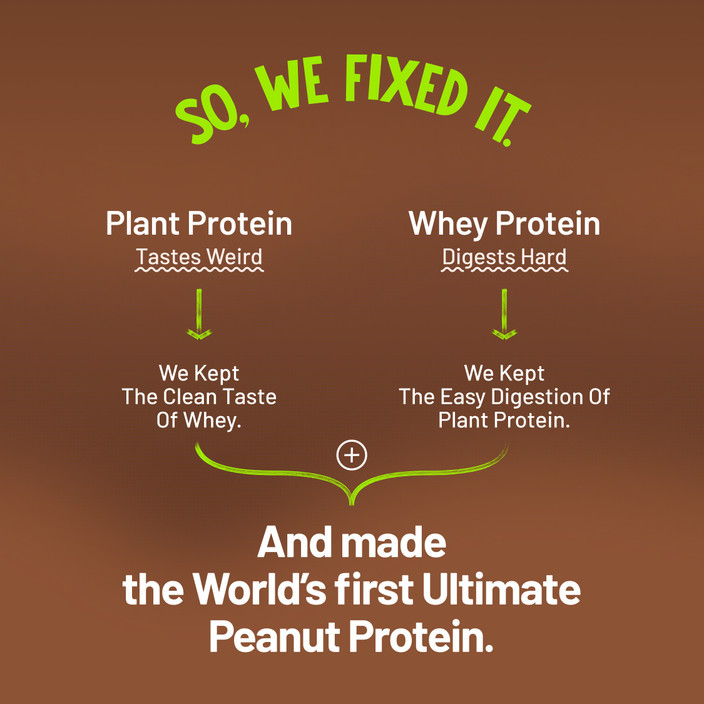
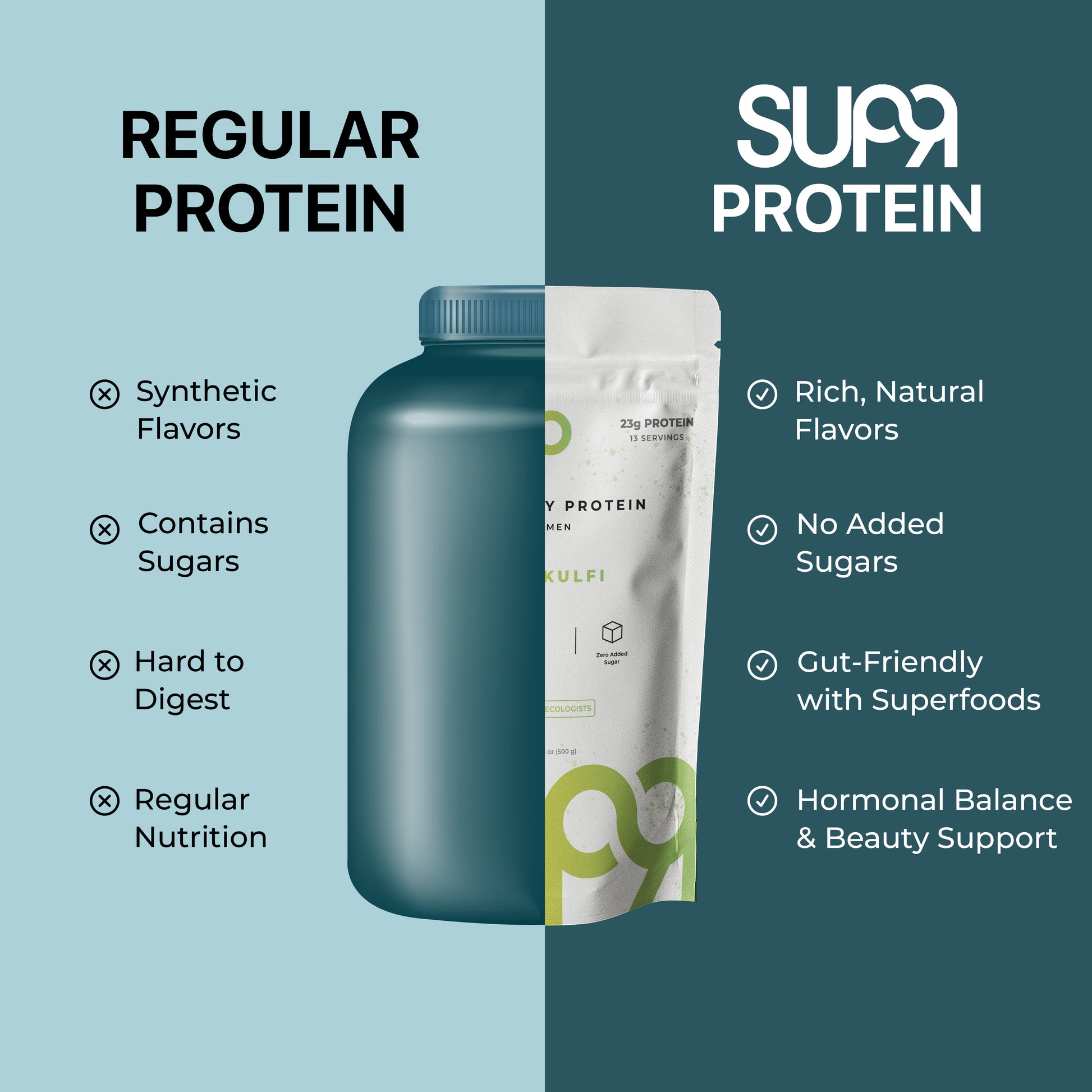
Some people find whey protein hard to digest. This can cause stomach discomfort or gas. There are other protein options that may be easier on the stomach.
Choosing the right protein can help you avoid digestion problems. Here are some alternatives to consider.
Plant-based Protein Options
Plant proteins come from sources like peas, rice, and hemp. They often contain fiber, which helps digestion. Many people tolerate plant proteins better than whey.
Plant-based proteins are also good for those with lactose intolerance. They provide essential amino acids needed for muscle growth.
- Pea protein is rich in iron and easy to digest
- Rice protein is hypoallergenic and gentle on the stomach
- Hemp protein contains omega-3 fatty acids and fiber
- Mixed plant proteins offer a complete amino acid profile
Hydrolyzed And Isolate Whey Proteins
Hydrolyzed whey protein is broken into smaller pieces. This makes it easier to digest than regular whey. It may reduce stomach upset for some people.
Whey isolate has most lactose removed. It has more protein per serving and less fat. People with mild lactose intolerance may find it easier to digest.
- Hydrolyzed whey digests faster than concentrate or isolate
- Whey isolate contains less lactose than concentrate
- Both types can reduce digestive discomfort
- Still choose based on personal tolerance and preference
Credit: supr.co.in
Frequently Asked Questions
Is Whey Protein Difficult To Digest For Everyone?
No, whey protein is generally easy to digest for most people. However, those with lactose intolerance or milk allergies may experience digestion issues or discomfort.
What Causes Whey Protein Digestion Problems?
Lactose intolerance, milk allergies, or sensitivity to dairy can cause digestion problems. Poor quality protein powders may also contribute to digestive discomfort.
How To Improve Whey Protein Digestion?
Choose whey isolate or hydrolysate for better digestion. Consume with water or milk alternatives. Start with small doses to assess tolerance.
Can Whey Protein Cause Bloating Or Gas?
Yes, lactose intolerance or high protein intake can cause bloating or gas. Proper hydration and enzyme supplements may help reduce symptoms.
Conclusion
Whey protein digestion varies from person to person. Some find it easy to digest without issues. Others may feel mild discomfort or bloating. Choosing high-quality whey can help reduce digestion problems. Drinking enough water also supports better digestion. Taking small amounts at first helps your body adjust.
Overall, whey protein is not very hard to digest. Listening to your body is key to comfort. Keep these tips in mind for smooth digestion.


