
Are you wondering if whey protein fits into your halal lifestyle? You’re not alone.
Many people want to boost their fitness with whey protein but worry about whether it meets halal standards. Understanding what makes a product halal can be confusing, especially when it comes to supplements. You’ll discover the truth about whey protein and halal certification.
By the end, you’ll know exactly what to look for to keep your diet both effective and aligned with your values. Keep reading to find out how to choose the right whey protein without any doubts.
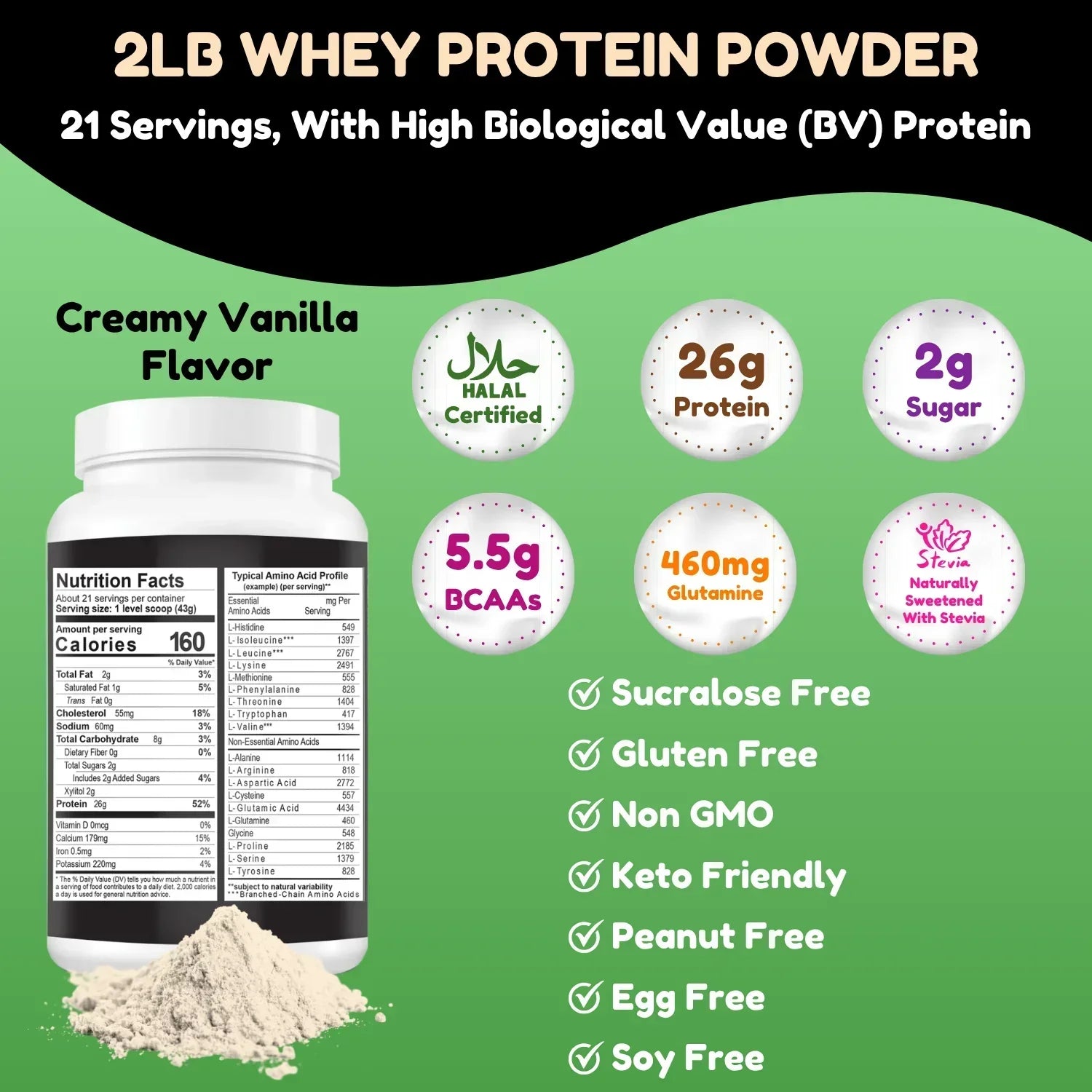
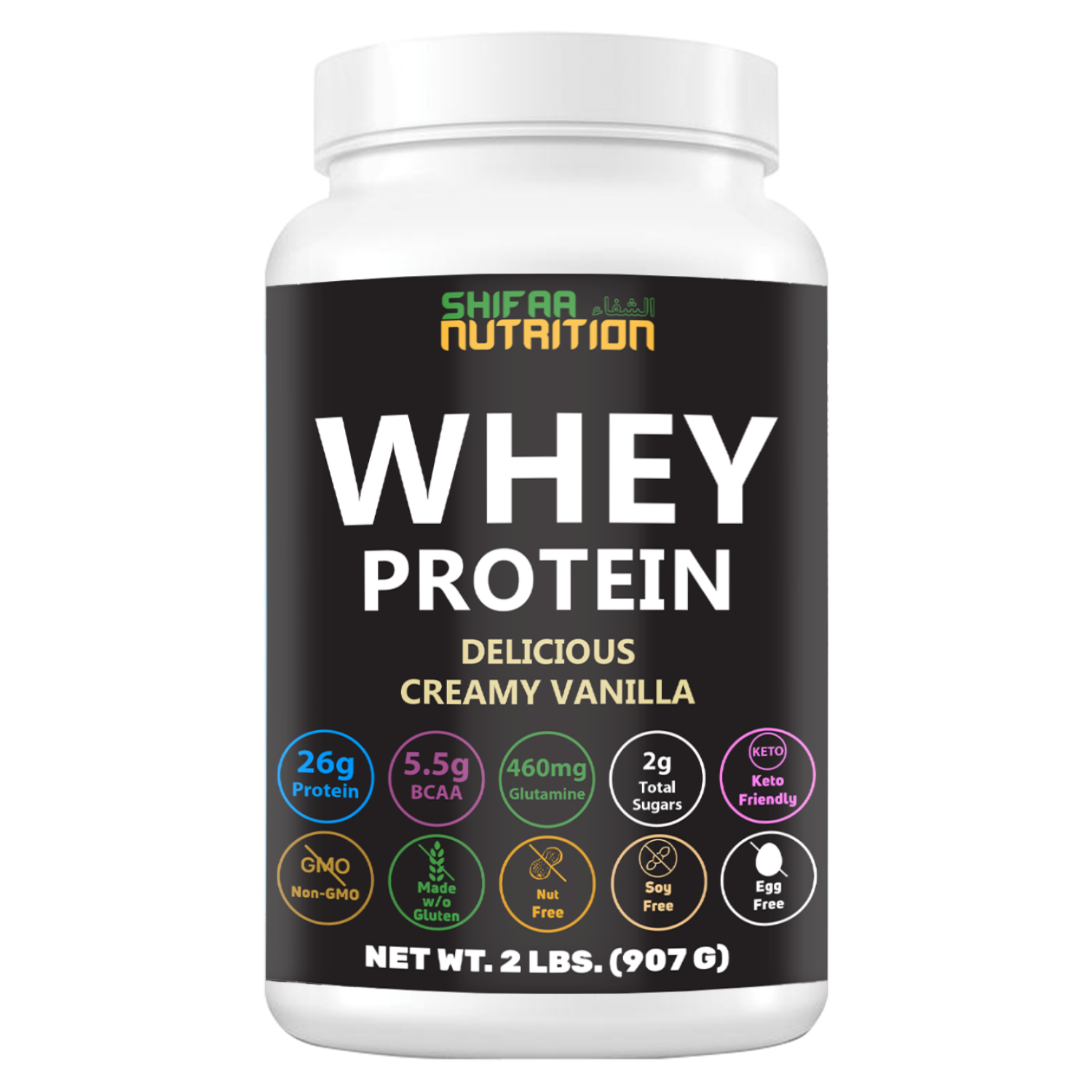
Credit: shifaanutrition.com
Whey Protein Basics
Whey protein is a popular supplement for building muscles. It comes from milk during the cheese-making process.
Many people use whey protein for fitness and health. It is important to know if whey protein is halal.
What Is Whey Protein
Whey protein is a byproduct of cheese production. It is the liquid part that separates from milk.
It contains essential amino acids. These help in muscle repair and growth.
Types Of Whey Protein
There are different types of whey protein. Each type has unique features and benefits.
- Whey Protein Concentrate: Contains some fats and carbs.
- Whey Protein Isolate: Higher protein content, lower fats and carbs.
- Whey Protein Hydrolysate: Pre-digested for faster absorption.
Halal Certification Explained
Whey protein is a popular supplement for many people. Some want to know if it is halal. Halal means allowed or lawful in Islam.
Halal certification helps Muslims choose products that meet Islamic rules. It shows the product is safe to use and eat.
What Makes A Product Halal
A halal product follows Islamic laws from start to finish. It must not contain anything forbidden.
For whey protein, this means the ingredients and process meet halal standards. No pork or alcohol should be used.
- Ingredients are from halal sources
- No alcohol or harmful substances used
- Clean and pure production environment
- No cross-contamination with haram (forbidden) items
- Packaging is clean and safe
Common Halal Certifying Bodies
Halal certifying bodies inspect and approve products. They check if products follow halal rules strictly.
These organizations provide a halal certificate that assures consumers the product is halal.
- JAKIM (Malaysia) – One of the most trusted bodies worldwide
- IFANCA (USA) – Certifies many food and supplements
- HFA (Halal Food Authority, UK) – Known for strict certification
- HMC (Halal Monitoring Committee, UK) – Focuses on food products
- MUIS (Singapore) – Regulates halal certification locally
Ingredients And Sources
Whey protein comes from milk. It is a byproduct of cheese making. People use it to add protein to their diet.
To know if whey protein is halal, we must look at its ingredients and sources. Some parts may come from animals or other sources.
Animal-derived Ingredients In Whey
Whey protein mainly comes from cow’s milk. Milk itself is halal if the animal is healthy and slaughtered properly.
Some whey products may include other animal-based ingredients. These can affect whether the whey is halal.
- Milk from cows, goats, or sheep
- Enzymes used in cheese making, like rennet
- Gelatin or collagen sometimes added
Potential Non-halal Additives
Some whey powders contain additives that may not be halal. These ingredients come from animals or alcohol.
It is important to check the label for these non-halal additives before buying whey protein.
- Gelatin from non-halal animals
- Alcohol-based flavorings or preservatives
- Enzymes from pigs or unknown sources
- Artificial colors or sweeteners with non-halal origins
Manufacturing Process Concerns
Whey protein is a popular supplement made from milk. People want to know if it is halal. The manufacturing process can affect this.
Some parts of making whey protein may cause worries. These include how the product is handled and where it is made.
Cross-contamination Risks
Cross-contamination happens when halal whey mixes with non-halal items. This can happen during processing or packaging.
Shared machines or storage can cause this mixing. Even small traces of non-halal substances can make whey non-halal.
- Using the same equipment for halal and non-halal products
- Improper cleaning between batches
- Storage near non-halal ingredients
Equipment And Facility Standards
Facilities must follow strict rules to keep whey halal. This includes cleaning and separating equipment.
Some plants have halal certification. They ensure no contact with forbidden items and keep good hygiene.
- Dedicated machines for halal products
- Regular cleaning and inspections
- Separate storage areas
- Staff training on halal rules
Choosing Halal Whey Protein
Whey protein is a popular supplement for building muscle and staying healthy. Some people want to make sure their whey protein is halal. Halal means it follows Islamic rules. Choosing halal whey protein helps many people feel good about what they eat.
Not all whey protein is halal. Some contain ingredients that are not allowed in halal food. It is important to check the product carefully before buying it.
Reading Labels Effectively
Look at the label to find out if the whey protein is halal. Labels show what ingredients are inside. They also say if the product is certified halal.
Check for these things on the label:
- Halal certification logo from a trusted authority
- No alcohol or pork-derived ingredients
- Clear list of ingredients and additives
- Manufacturing details to avoid cross-contamination
Trusted Halal Brands
Some brands focus on producing halal whey protein. These brands follow strict rules to ensure their products are halal. Buying from trusted brands lowers the risk of getting non-halal items.
Look for brands with good reviews and halal certificates. They usually provide clear information about their products. This helps you choose whey protein with confidence.
- Brands with halal certification from recognized bodies
- Companies transparent about their ingredient sources
- Brands that avoid non-halal additives and processing
Alternatives To Whey Protein
Many people look for protein powders that follow halal rules. Whey protein may not always be halal. This is because it comes from milk that might not meet halal standards.
There are other protein options that are halal-friendly. These alternatives come from plants or other sources. They can help you meet your protein needs without worry.
Plant-based Proteins
Plant-based proteins come from seeds, nuts, and legumes. They are a good choice for halal diets. These proteins often have fiber and other nutrients too.
- Pea protein is rich in iron and easy to digest.
- Rice protein is hypoallergenic and gentle on the stomach.
- Hemp protein contains omega-3 fatty acids and fiber.
- Soy protein has all essential amino acids needed by the body.
Other Halal-friendly Options
Besides plant proteins, some animal-based proteins can be halal. These depend on how the animal was raised and slaughtered. Always check halal certification on the product.
- Egg white protein is a complete protein and usually halal.
- Collagen peptides from halal-certified sources are available.
- Beef protein isolate can be halal if sourced correctly.
- Mixed protein blends often combine plant and halal animal proteins.
Fitness Tips For Muslim Athletes
Muslim athletes often ask if whey protein is halal. This is important to stay healthy and faithful. Choosing halal supplements helps keep your diet clean and pure.
This guide shares fitness tips for Muslim athletes. It focuses on nutrition, faith, and prayer times.
Balancing Nutrition And Faith
Muslim athletes should eat halal foods that support their fitness goals. Whey protein is halal if it comes from a clean source. Check labels for halal certification before buying.
Good nutrition helps build muscle and recover faster. Include fruits, vegetables, lean meat, and halal protein powders in your diet.
- Choose whey protein with halal certification
- Avoid supplements with alcohol or pork ingredients
- Eat balanced meals with carbs, proteins, and fats
- Drink plenty of water throughout the day
Timing Supplements With Prayer
Prayer times guide many daily activities for Muslim athletes. Plan your supplement intake around these times for convenience and respect.
Take whey protein after workouts but not during prayer times. This helps you stay focused on both fitness and faith.
- Use early morning for pre-workout meals or supplements
- Take whey protein after the Dhuhr or Asr prayers
- Avoid eating or drinking during prayer times
- Stay consistent with your supplement schedule
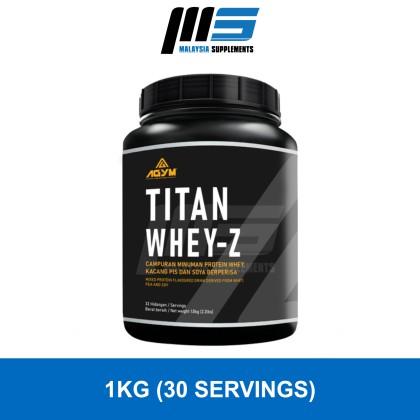
Credit: www.malaysiasupplements.com
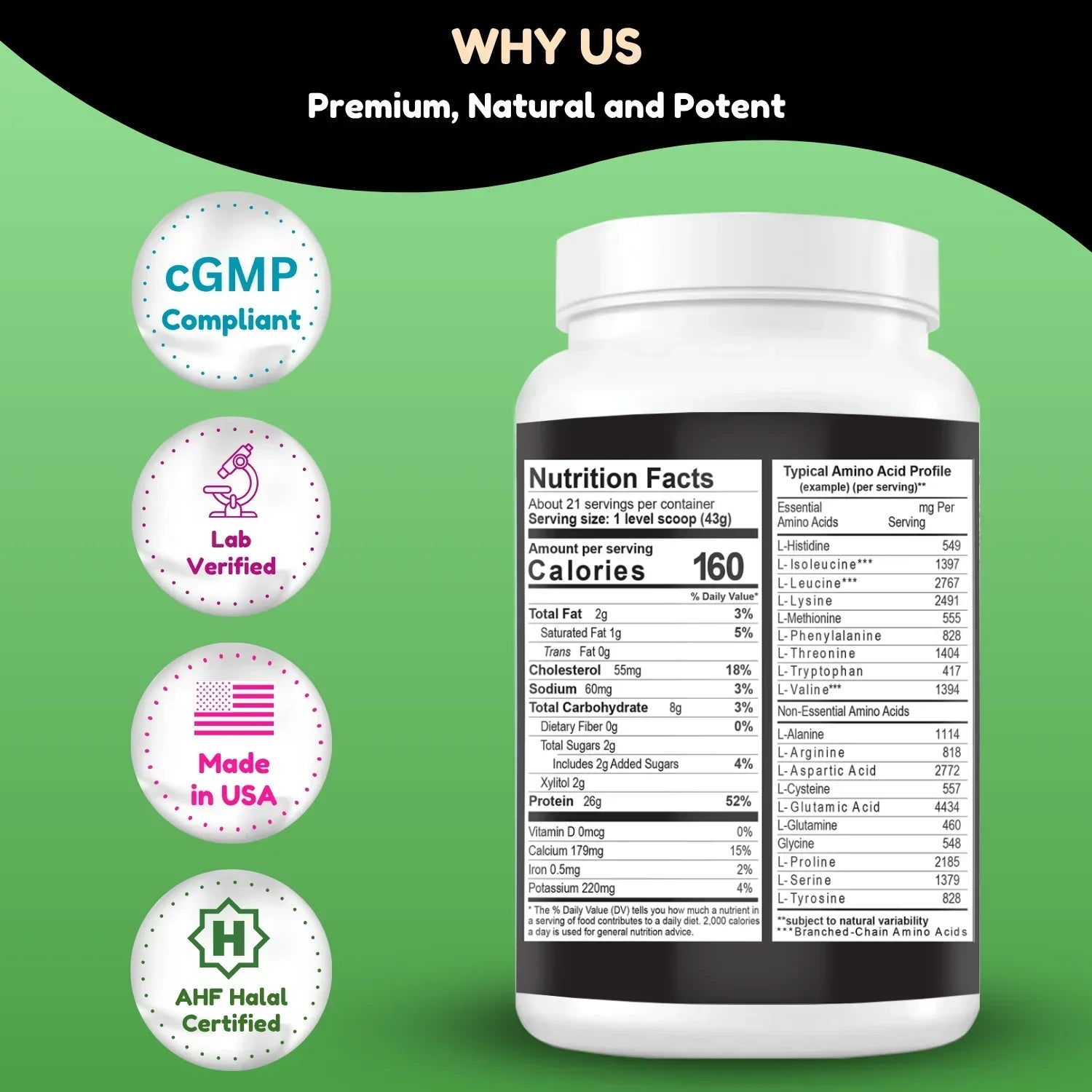
Credit: shifaanutrition.com
Frequently Asked Questions
Is Whey Protein Halal By Default?
Whey protein is halal if sourced and processed according to Islamic guidelines. Check for halal certification to ensure compliance. Ingredients and manufacturing processes must avoid haram substances for whey protein to be considered halal.
How To Identify Halal-certified Whey Protein?
Look for official halal certification logos on product labels. Certifications come from trusted Islamic authorities. This guarantees the whey protein meets halal dietary standards and is safe for Muslim consumption.
Are All Whey Protein Brands Halal-friendly?
Not all whey protein brands are halal-friendly. Some use enzymes or additives from non-halal sources. Always verify the brand’s halal status through certification or company information before buying.
Can Whey Protein Contain Haram Ingredients?
Yes, some whey proteins may contain haram ingredients like gelatin or alcohol-based flavorings. It’s important to read labels and confirm halal certification to avoid consuming prohibited substances.
Conclusion
Whey protein can be halal if made with the right ingredients. Always check product labels carefully for halal certification. Some brands use non-halal additives, so be cautious. Choosing halal whey protein supports your dietary beliefs. It also helps you stay healthy and strong.
Remember, not all whey protein is the same. Find trusted sources that respect halal guidelines. This way, you can enjoy the benefits without worry. Stay informed and make smart choices for your health.


