
Are you wondering if taking whey protein before bed can boost your muscle growth or improve recovery? You’re not alone.
Many people ask whether this simple change in timing can make a real difference. What if the answer could help you get stronger, recover faster, and even support your weight goals? Keep reading, because understanding when and how to use whey protein might be the game-changer you’ve been looking for.
Let’s dive into what science says and what works best for your body.

Credit: swolverine.com
Whey Protein And Sleep
Whey protein is a popular supplement for muscle building. Many people wonder if they can take it before bed. This is important to know for those who want to improve sleep and recovery.
Taking whey protein at night may have effects on sleep quality. Let’s explore how it affects your rest and if it’s a good idea to consume it before bedtime.
How Whey Protein Affects Sleep Quality
Whey protein contains amino acids that help repair muscles. These amino acids can also affect your brain and sleep patterns. Some people worry about taking protein late in the day.
It’s important to know that whey protein doesn’t have caffeine. However, it still might have an impact on your sleep quality. It depends on how your body reacts to protein intake.
Case For Nighttime Protein Intake
Taking whey protein before bed can support muscle recovery. During sleep, your body repairs muscles. Having protein available helps this process.
Some studies suggest that nighttime protein might help with muscle growth. If you exercise regularly, this could be beneficial. Eating protein at night can be part of a balanced diet.
- Whey protein supports muscle repair during sleep
- It may help with overnight muscle growth
- Consuming at night fits a balanced diet plan

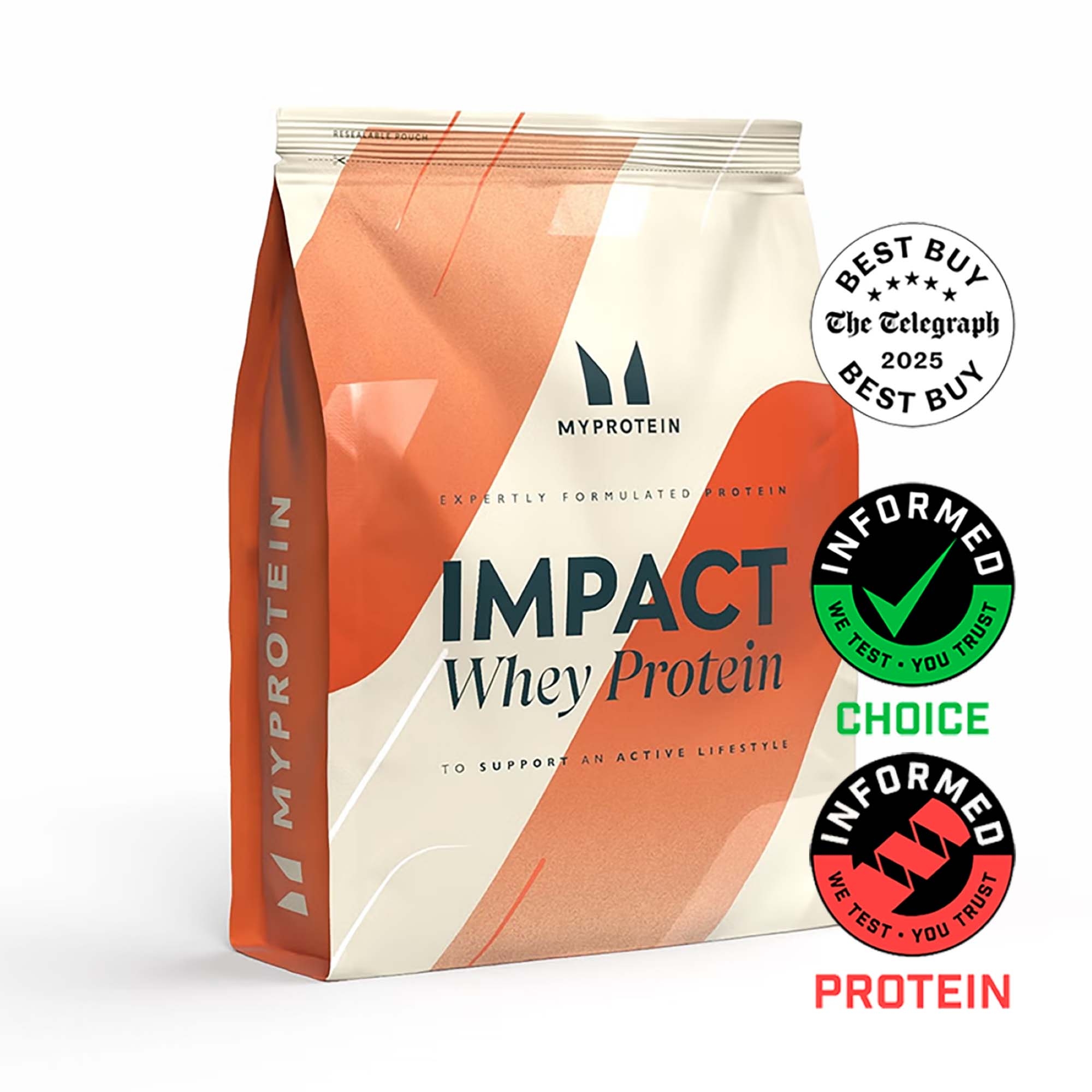
Credit: www.myprotein.com
Benefits Of Whey Protein Before Bed
Taking whey protein before bed can support your body during sleep. It helps repair muscles and keeps your metabolism active.
Eating protein at night may also reduce hunger in the morning. This can help control your appetite and support healthy habits.
Muscle Recovery And Growth
Whey protein provides essential amino acids that help repair muscle damage from exercise. Your body works to fix muscles while you sleep.
Consuming whey protein before bed gives your muscles fuel to grow. This supports stronger muscles and better recovery.
Metabolism Boost During Sleep
Whey protein can raise your metabolism even when you rest. Your body burns calories to digest and use the protein overnight.
This process helps keep your metabolism active. It supports fat burning and helps maintain a healthy weight.
Appetite Control Overnight
Eating whey protein before bed can reduce hunger the next morning. Protein helps you feel full longer and lowers cravings.
Better appetite control can prevent overeating. This supports balanced meals and healthy eating habits.
Choosing The Right Whey Protein
Taking whey protein before bed can help with muscle recovery. Choosing the right type of whey protein is important for good results.
Not all whey proteins are the same. You need to know what to look for to get the best benefits.
Types Of Whey Protein
There are three main types of whey protein. Each type has different features and benefits.
- Whey Protein Concentrate:Has some fat and lactose. Good for most people.
- Whey Protein Isolate:More pure protein, less fat and lactose. Better for sensitive stomachs.
- Whey Protein Hydrolysate:Pre-digested for faster absorption. Often used in medical protein powders.
Ingredients To Look For
Check the ingredients list before buying whey protein. Choose products with simple and natural ingredients.
- High protein content per serving
- Added digestive enzymes like lactase or protease
- No artificial sweeteners or colors
- Minimal fillers and additives
Avoiding Unwanted Additives
Some whey proteins have extra ingredients that may cause problems. Avoid these to keep your body healthy.
- Artificial sweeteners like sucralose or aspartame
- Excessive sugar or corn syrup
- Fillers such as maltodextrin
- Unnecessary preservatives and colors
Best Practices For Nighttime Use
Many people wonder if they can take whey protein before bed. Whey protein is a fast-digesting protein that helps muscle recovery. Using it at night can support muscle repair during sleep.
It is important to know the best ways to use whey protein at night. Proper timing, combining with other nutrients, and understanding side effects can improve results.
Ideal Timing And Dosage
Taking whey protein about 30 minutes before bed is a good practice. This gives your body time to digest the protein before sleep. The body can then use amino acids for muscle repair.
A typical dose of 20 to 30 grams is enough. Avoid taking too much, as excess protein will not improve muscle growth. Stick to the recommended serving size on the package.
Combining With Other Nutrients
Mixing whey protein with slow-digesting proteins like casein can help. Casein releases amino acids slowly during the night. This combination supports muscle repair all night long.
Adding healthy fats or fiber can slow digestion too. This may help keep you full and provide steady energy. Avoid adding high sugar or caffeine near bedtime.
- Whey protein plus casein protein
- Whey protein with nuts or seeds
- Avoid caffeine and sugary mixes
Potential Side Effects
Some people may feel bloated or have stomach discomfort when taking whey protein at night. This is often due to lactose intolerance or large doses. Starting with small amounts can help.
Taking whey protein too close to sleep may cause mild indigestion for some. It is best to listen to your body and adjust timing if needed. Drinking water can reduce side effects.
Alternatives To Whey Protein At Night
Many people wonder if whey protein is the best choice before bed. Some prefer other options that digest slowly. These alternatives help the body repair muscles while you sleep.
Choosing the right protein at night can improve recovery and keep you full longer. Here are some good alternatives to whey protein for nighttime use.
Casein Protein Benefits
Casein protein digests slowly in the stomach. It releases amino acids over several hours. This slow release helps muscle repair during sleep.
Many athletes use casein protein at night to reduce muscle breakdown. It also helps keep you full until morning. Casein is a good choice if you want steady protein supply while sleeping.
- Slow digestion supports muscle recovery
- Helps reduce muscle breakdown overnight
- Keeps you feeling full longer
- Rich in essential amino acids
Plant-based Options
Plant-based proteins are a good alternative for those who avoid dairy. Some plant proteins also digest slowly and provide steady amino acids.
Examples include pea protein, hemp protein, and brown rice protein. These options work well before bed. They support muscle repair and keep you satisfied.
- Pea protein is rich in iron and amino acids
- Hemp protein contains healthy fats and fiber
- Brown rice protein is hypoallergenic
- Plant proteins help with muscle recovery

Credit: 100calsnacks.com
Frequently Asked Questions
Can I Take Whey Protein Before Bed For Muscle Growth?
Yes, taking whey protein before bed supports muscle repair and growth. It provides fast-digesting amino acids that aid overnight recovery and muscle synthesis, especially after evening workouts.
Is Whey Protein Effective If Taken Before Sleep?
Whey protein is effective before sleep as it supplies essential amino acids. It helps reduce muscle breakdown and promotes muscle repair during fasting hours.
Will Whey Protein Before Bed Affect My Sleep Quality?
Whey protein generally does not affect sleep quality. However, avoid large amounts close to bedtime to prevent discomfort or digestion issues.
How Much Whey Protein Should I Take Before Bed?
A typical dose is 20-30 grams of whey protein before bed. This amount supports muscle recovery without overloading your digestive system overnight.
Conclusion
Whey protein before bed can support muscle repair and growth. It provides your body with needed amino acids during sleep. Choosing the right amount is important for good digestion. Some people find it helps with recovery after workouts. Others may feel uncomfortable taking it late.
Listen to your body and adjust your routine. Consistency matters more than timing for protein benefits. A balanced diet and good sleep work hand in hand. Try it for a few nights and see how you feel. Simple steps lead to better health and fitness results.


