
Are you curious about what exactly whey protein is made of? You might have heard it’s a powerful supplement for building muscle, but have you ever wondered if whey is an animal protein?
Knowing this can help you decide if whey fits your diet and lifestyle. By the end of this article, you’ll understand where whey comes from and whether it aligns with your nutrition goals. Keep reading to uncover the truth about whey protein and how it can impact your health.

Credit: shop.torokhtiy.com
What Is Whey Protein
Whey protein is a type of protein found in milk. It is a byproduct of cheese production. People use it as a dietary supplement.
Whey protein helps build muscle and supports muscle recovery. It is popular among athletes and fitness enthusiasts.
Sources Of Whey
Whey comes from cow’s milk. Milk contains two main types of protein: casein and whey.
During cheese making, the liquid whey separates from the curds. This liquid is then processed to create whey protein powder.
- Cheese production
- Milk processing
Types Of Whey Protein
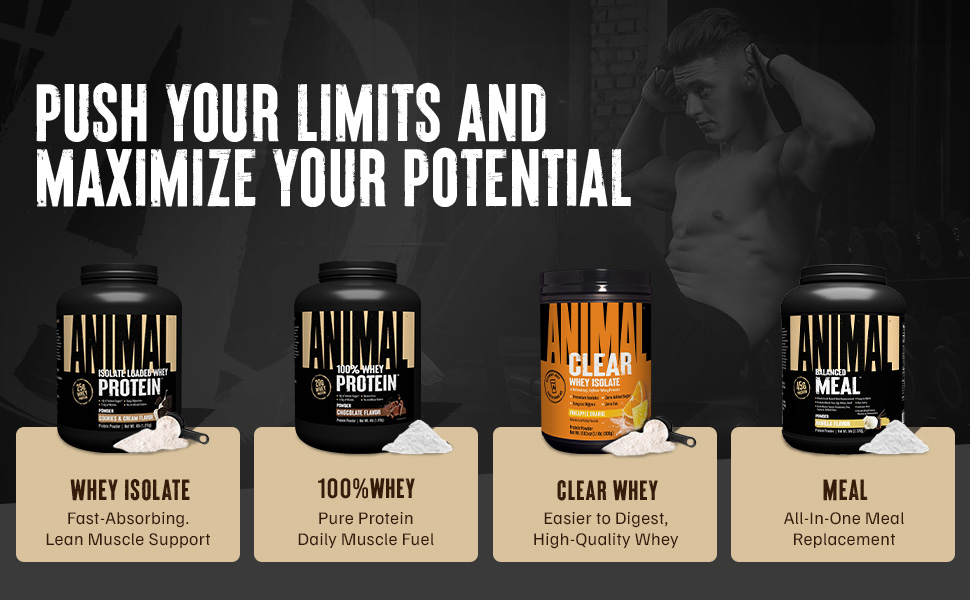
There are three main types of whey protein. Each type is processed differently and has unique features.
- Whey Protein Concentrate: Contains some fat and carbohydrates.
- Whey Protein Isolate: Has most of the fat and lactose removed.
- Whey Protein Hydrolysate: Predigested for faster absorption.

Credit: www.amazon.com
Animal Origin Of Whey
Whey protein comes from milk, which is an animal product. It is made during cheese production.
When milk turns into cheese, whey is the liquid left behind. This liquid contains proteins from animals.
Whey From Dairy Cows
Most whey protein comes from dairy cows. Their milk has proteins that are easy to digest.
Dairy cows produce large amounts of milk. This milk is separated to get whey protein.
- Whey has all essential amino acids
- It supports muscle growth and repair
- Comes naturally from animal milk
Comparison With Plant Proteins
Plant proteins come from beans, nuts, and seeds. They do not come from animals.
Whey protein is richer in some amino acids than most plant proteins. Plant proteins may lack one or more essential amino acids.
| Protein Type | Source | Amino Acid Profile | Digestion Speed |
|---|---|---|---|
| Whey Protein | Dairy Cows | Complete | Fast |
| Plant Protein | Beans, Nuts, Seeds | Often Incomplete | Slow to Medium |
Nutritional Benefits
Whey protein comes from milk, making it an animal protein. It is rich in nutrients that help the body stay healthy.
This protein is easy to digest and contains many important building blocks for the body.
Amino Acid Profile
Whey protein has a complete set of amino acids. These are the small parts that build protein in our bodies.
It is especially high in branched-chain amino acids (BCAAs) like leucine, isoleucine, and valine.
- Leucine helps start muscle building
- Isoleucine supports energy and repair
- Valine aids muscle metabolism
Muscle Growth And Repair
Whey protein helps muscles grow after exercise. It provides the nutrients muscles need to fix and get stronger.
Because whey digests quickly, muscles get amino acids fast. This speeds up recovery and supports muscle health.
- Boosts muscle protein synthesis
- Reduces muscle damage
- Supports faster recovery
Weight Management
Whey protein can help control hunger by making you feel full longer. This helps reduce calorie intake.
It also helps keep muscle mass while losing fat. This supports a healthy metabolism during weight loss.
- Increases fullness and reduces appetite
- Maintains muscle during weight loss
- Supports healthy metabolism
Health Advantages
Whey is a type of protein that comes from milk. It contains animal protein that helps the body in many ways.
This protein supports health by improving the immune system, fighting damage from free radicals, and strengthening bones.
Immune System Support
Whey protein contains important nutrients that help the immune system work well. It has amino acids that make white blood cells strong.
These cells protect the body from germs and infections. Regular intake of whey can keep the immune system active and ready.
Antioxidant Properties
Whey protein helps fight harmful molecules called free radicals. These molecules can damage cells and cause illness.
Whey boosts the production of antioxidants in the body. These antioxidants protect cells and reduce the risk of some diseases.
- Increases glutathione, a powerful antioxidant
- Reduces cell damage
- Supports healthy aging
Bone Health
Whey protein provides calcium and other nutrients that build strong bones. It helps keep bones dense and less likely to break.
Eating whey protein supports bone growth and repair. It is important for people of all ages to maintain healthy bones.
Common Misconceptions
Many people have questions about whey protein and its source. Whey is often linked to animals, but some facts are misunderstood.
This article clears up common myths about whey protein and explains some concerns.
Lactose Intolerance Concerns
Whey protein comes from milk, which contains lactose. People with lactose intolerance worry about digestion problems.
Not all whey proteins have high lactose. Some forms, like whey isolate, have very little lactose.
- Whey concentrate has more lactose than isolate
- Whey isolate is often safe for mild lactose intolerance
- Hydrolyzed whey breaks down proteins for easier digestion
Vegan And Vegetarian Perspectives
Whey protein is made from cow’s milk, so it is an animal protein. This means it is not vegan.
Some vegetarians eat dairy products, so they may use whey protein. Vegans avoid all animal products, including whey.
- Vegans choose plant-based protein alternatives
- Vegetarians can use whey if they consume dairy
- Whey protein helps some vegetarians meet protein needs
Choosing The Right Whey Protein
Whey protein is a popular supplement made from milk. It helps build muscles and recover after exercise.
Many people wonder if whey protein is an animal protein. Yes, it comes from cow’s milk, so it is animal-based.
Whey Concentrate Vs Isolate Vs Hydrolysate
Whey concentrate has more fat and lactose. It is less processed and cheaper. It has about 70-80% protein.
Whey isolate has more protein and less fat. It goes through extra filtering. It has about 90% protein or more.
Whey hydrolysate is pre-digested. It absorbs faster and may cause less allergy. It is the most processed form.
- Concentrate: More nutrients, less protein
- Isolate: High protein, low fat and lactose
- Hydrolysate: Fast absorption, easiest to digest
Quality And Purity Factors
Choose whey protein from trusted brands. Look for products tested for purity and quality.
Check the ingredient list. Avoid products with fillers, added sugar, or artificial flavors.
- Look for third-party testing labels
- Choose products with clear ingredient lists
- Avoid added sugars and fillers
- Consider organic or grass-fed whey for purity
Incorporating Whey Into Diet
Whey is an animal protein made from milk. It contains all essential amino acids for the body.
Adding whey to your diet helps with muscle growth and recovery. It is easy to digest and absorb.
Best Times To Consume
Whey protein works best when taken at certain times of the day. These times help your body use the protein well.
Many people consume whey after exercise to help muscles repair. It can also be taken in the morning for energy.
- After workouts to support muscle recovery
- In the morning to start protein intake early
- Between meals to reduce hunger
- Before bed to aid muscle repair during sleep
Recipe Ideas
Whey protein is easy to add to many recipes. It mixes well and adds a protein boost to foods.
Try these simple recipe ideas to include whey in your meals and snacks.
- Smoothies with fruits and whey powder
- Oatmeal mixed with whey for breakfast
- Protein pancakes using whey in the batter
- Yogurt bowls topped with whey protein
- Baked goods like muffins with added whey

Credit: www.ebay.ca
Frequently Asked Questions
Is Whey Protein Considered An Animal Protein?
Yes, whey protein is an animal protein. It is derived from milk during cheese production. Whey contains essential amino acids beneficial for muscle growth and repair.
How Is Whey Protein Made From Animal Sources?
Whey is a liquid byproduct from cheese making. Milk is separated into curds and whey. The whey is then processed into protein powder.
Can Vegetarians Consume Whey Protein?
Lacto-vegetarians can consume whey since it comes from milk. However, vegans avoid whey as it is an animal-derived product.
What Are The Benefits Of Animal-based Whey Protein?
Whey protein provides complete amino acids. It supports muscle repair, boosts immunity, and aids in weight management effectively.
Conclusion
Whey protein comes from milk, making it an animal protein. It contains all essential amino acids your body needs. Many people use it to build muscle and recover faster. Those who avoid animal products might choose plant-based proteins instead. Understanding whey helps you make better nutrition choices.
Keep your goals and diet preferences in mind. This way, you can pick the best protein for your health. Simple and clear.


