
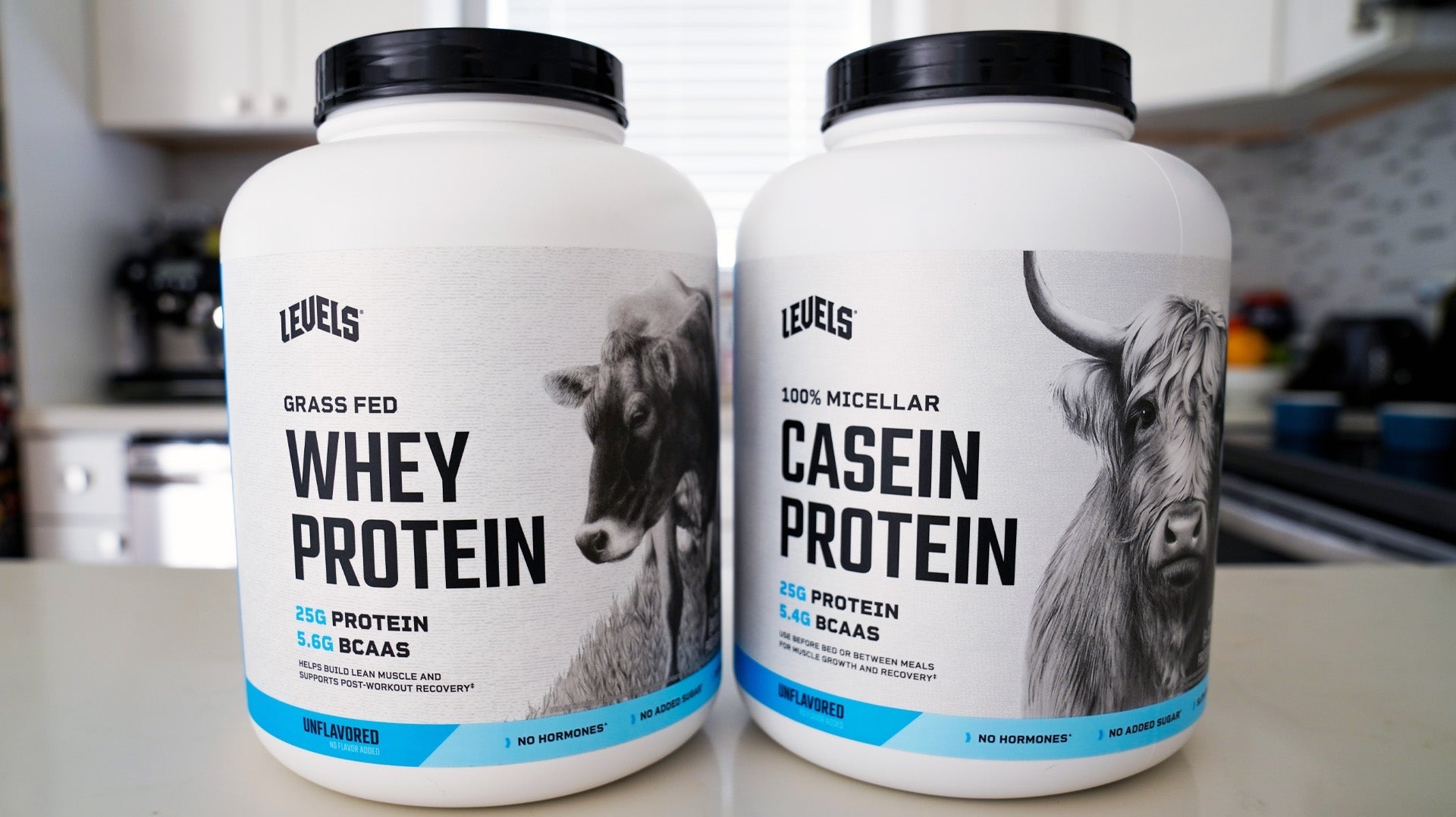
Are you confused about which protein is best for your fitness goals—whey or casein? Both are popular choices, but they work in very different ways inside your body.
Understanding these differences can help you choose the right protein to build muscle, recover faster, or stay full longer. Keep reading, and you’ll discover exactly how whey and casein affect your body, so you can make smarter choices for your health and workout routine.
Don’t miss out on this simple guide that could change the way you fuel your progress!
Credit: www.hollandandbarrett.com
Whey Protein Basics
Whey protein is a popular supplement for fitness enthusiasts. It helps in building muscle and improving strength.
It is derived from milk and is known for its quick absorption. Many people use it after workouts to support recovery.
Source And Composition
Whey protein is obtained from the liquid part of milk during cheese production. It contains essential nutrients beneficial for the body.
This protein is made up of several proteins, including beta-lactoglobulin and alpha-lactalbumin. It also contains immunoglobulins.
- Beta-lactoglobulin: Main protein component
- Alpha-lactalbumin: Supports immune system
- Immunoglobulins: Helps fight infections
Digestion Speed
Whey protein digests quickly in the body. It is ideal for post-workout recovery.
Because of its fast absorption, it provides amino acids to muscles efficiently. This aids in faster muscle repair.
Amino Acid Profile
Whey protein has a rich amino acid profile. It includes all nine essential amino acids.
These amino acids are important for muscle growth and repair. They help improve overall health and well-being.
- Leucine: Stimulates muscle growth
- Valine: Provides energy to muscles
- Isoleucine: Aids in muscle recovery
Casein Protein Basics
Casein protein is a popular supplement often used by athletes and fitness fans. It comes from milk and is known for its slow digestion.
This protein helps with muscle repair and growth by providing a steady supply of amino acids over time.
Source And Composition
Casein protein comes from milk, making up about 80% of the protein in cow’s milk. The rest is mostly whey protein.
It is made of micelles, which are tiny clusters that carry calcium and phosphorus along with protein.
- Derived from cow’s milk
- Main protein in milk (about 80%)
- Contains calcium and phosphorus
- Forms micelles in liquid
Digestion Speed
Casein digests slowly compared to whey protein. It forms a gel in the stomach, which slows down digestion.
This slow digestion helps provide a steady release of amino acids for several hours after eating.
- Digests slowly in the stomach
- Forms a gel that slows digestion
- Provides amino acids over hours
- Good for overnight muscle repair
Amino Acid Profile
Casein contains all essential amino acids needed for muscle growth. It has a high amount of glutamine, which supports recovery.
The amino acid profile is balanced but slower to use than whey, which is rich in branched-chain amino acids.
| Amino Acid | Role |
|---|---|
| Glutamine | Supports muscle recovery |
| Leucine | Stimulates muscle protein synthesis |
| Lysine | Helps build muscle tissue |
| All essential amino acids | Supports overall muscle growth |
Absorption And Timing
Whey and casein are two popular proteins from milk. They differ in how fast the body absorbs them.
Whey protein absorbs quickly, giving fast muscle fuel. Casein absorbs slowly, providing steady protein over time.
Post-workout Benefits
After exercise, muscles need protein fast to start repair. Whey protein works well here because it digests fast.
Whey helps muscles recover quickly and reduces soreness. Casein is slower and less ideal right after workouts.
- Whey protein absorbs in about 20-30 minutes
- Supports quick muscle repair
- Best taken immediately after workouts
Nighttime Usage
Casein is good to take before sleep. It releases protein slowly during the night.
This slow release helps muscles recover all night long. Whey protein works too, but it digests too fast for night use.
- Casein absorbs over several hours
- Feeds muscles during sleep
- Prevents muscle breakdown at night
Muscle Growth And Repair
Whey and casein are two popular proteins used by athletes. Both help with muscle growth and repair.
They come from milk but digest differently. This affects how your muscles get nutrients after exercise.
Effectiveness For Muscle Building
Whey protein digests quickly. It delivers amino acids fast to muscles. This helps start muscle growth soon after workouts.
Casein digests slowly. It releases amino acids over hours. This provides a steady supply for muscle building during rest.
- Whey is best for quick muscle repair after exercise
- Casein supports muscle growth over a longer time
- Both provide essential amino acids for muscles
Recovery Support
Whey helps reduce muscle soreness quickly. It boosts recovery right after training.
Casein helps prevent muscle breakdown overnight. It supports recovery while you sleep.
- Whey speeds up early muscle recovery
- Casein protects muscles during long rest periods
- Using both can improve overall recovery
Satiety And Weight Management
Whey and casein protein are popular choices for people who want to manage their weight. Both come from milk but act differently in the body. Understanding these differences helps with hunger control and fat loss.
This article explains how whey and casein affect hunger and fat loss. It helps you choose the right protein for your goals.
Impact On Hunger
Whey protein digests quickly. It helps reduce hunger soon after eating. This makes it a good choice for a snack or after a workout.
Casein protein digests slowly. It keeps you full longer. This can stop you from eating too much between meals or at night.
- Whey protein: fast digestion, quick hunger relief
- Casein protein: slow digestion, long-lasting fullness
Role In Fat Loss
Whey protein supports fat loss by boosting metabolism and helping build muscle. Muscle burns more calories, which helps you lose fat.
Casein protein helps keep muscle during weight loss. It also stops hunger, so you eat less overall. This helps reduce body fat over time.
- Whey protein: increases metabolism and muscle growth
- Casein protein: preserves muscle and reduces hunger
Allergies And Sensitivities
Whey and casein are two common proteins in milk. Some people have allergies or sensitivities to these proteins. Knowing the difference helps choose the right protein.
Both proteins can cause reactions in sensitive people. It is important to understand how they affect the body.
Lactose Content
Whey protein usually has more lactose than casein. Lactose is a sugar found in milk. People with lactose intolerance may feel sick after eating whey protein.
Casein protein has less lactose. It may be easier for people with lactose intolerance to digest. Still, some casein powders contain lactose, so checking labels is smart.
- Whey protein: higher lactose content
- Casein protein: lower lactose content
- Lactose intolerance causes stomach pain and gas
Common Allergic Reactions
Allergic reactions to whey or casein come from milk protein allergies. Symptoms can vary from mild to serious. Some people get rashes or swelling after using these proteins.
Whey and casein allergies can cause:
- Skin rash or hives
- Swelling of lips or face
- Itching or redness
- Breathing problems
- Stomach cramps or nausea
People with milk allergies should avoid both whey and casein proteins. Always check with a doctor if unsure about allergies.
Choosing The Right Protein
Whey and casein are two common types of protein from milk. Both help build muscle and improve health.
Choosing the right protein depends on your needs and lifestyle. This guide helps you decide.
Fitness Goals
Whey protein digests quickly. It is good after workouts to help muscles recover fast.
Casein digests slowly. It works well before sleep to feed muscles overnight.
- Choose whey for quick muscle repair.
- Choose casein for slow, steady protein supply.
- Use whey during the day and casein at night.
Dietary Preferences
Both whey and casein come from milk. People with lactose intolerance should be careful.
Whey isolate has less lactose than casein, so it may be easier to digest.
- Check labels for lactose content.
- Try plant-based proteins if dairy causes issues.
- Consider allergies before choosing whey or casein.
Budget Considerations
Whey protein is often cheaper and more widely available. It suits many budgets.
Casein tends to cost more because it takes longer to process.
- Choose whey for a budget-friendly option.
- Buy in bulk to save money.
- Compare prices before buying.

Credit: divinenutrition.in
Credit: www.hollandandbarrett.com
Frequently Asked Questions
What Is The Main Difference Between Whey And Casein Protein?
Whey protein digests quickly, providing fast amino acids to muscles. Casein digests slowly, offering a steady release of protein over hours. This makes whey ideal for post-workout and casein better for nighttime use.
Which Protein Is Better For Muscle Growth, Whey Or Casein?
Whey protein is better for muscle growth due to its fast absorption and high leucine content. Casein supports muscle repair over longer periods but is less effective immediately after exercise.
Can I Take Whey And Casein Protein Together?
Yes, combining whey and casein provides both quick and sustained protein release. This supports muscle recovery and growth throughout the day and night.
Is Casein Protein Suitable For Weight Loss?
Casein protein helps with weight loss by promoting fullness and reducing hunger. Its slow digestion keeps you satisfied longer, aiding calorie control.
Conclusion
Whey and casein proteins serve different purposes in the body. Whey digests quickly, making it good after workouts. Casein digests slowly, providing steady nutrition over time. Choose whey for fast muscle repair and casein for long-lasting support. Both proteins come from milk but work in unique ways.
Understanding their differences helps you pick the right one. Use them based on your fitness goals and daily routine. Simple choices lead to better results.


