
Are you looking to boost your fitness results and wondering if whey protein isolate is the right choice for you? With so many protein options out there, it’s easy to feel confused about which one truly delivers the best benefits.
What if choosing the right protein could help you recover faster, build muscle more efficiently, and feel better overall? You’ll discover exactly what makes whey protein isolate different and whether it’s the better option for your goals. Keep reading to find out how to make your protein work harder for you.
Whey Protein Isolate Basics
Whey protein isolate is a popular supplement for fitness enthusiasts. It is known for its high protein content and easy digestion.
Understanding the differences between whey protein isolate and other types can help you make informed choices about your nutrition.
What Is Whey Protein Isolate
Whey protein isolate is a type of protein powder made from milk. It is processed to remove fats and lactose, leaving mostly pure protein.
This makes it an ideal choice for those looking to increase their protein intake without extra calories from fats and sugars.
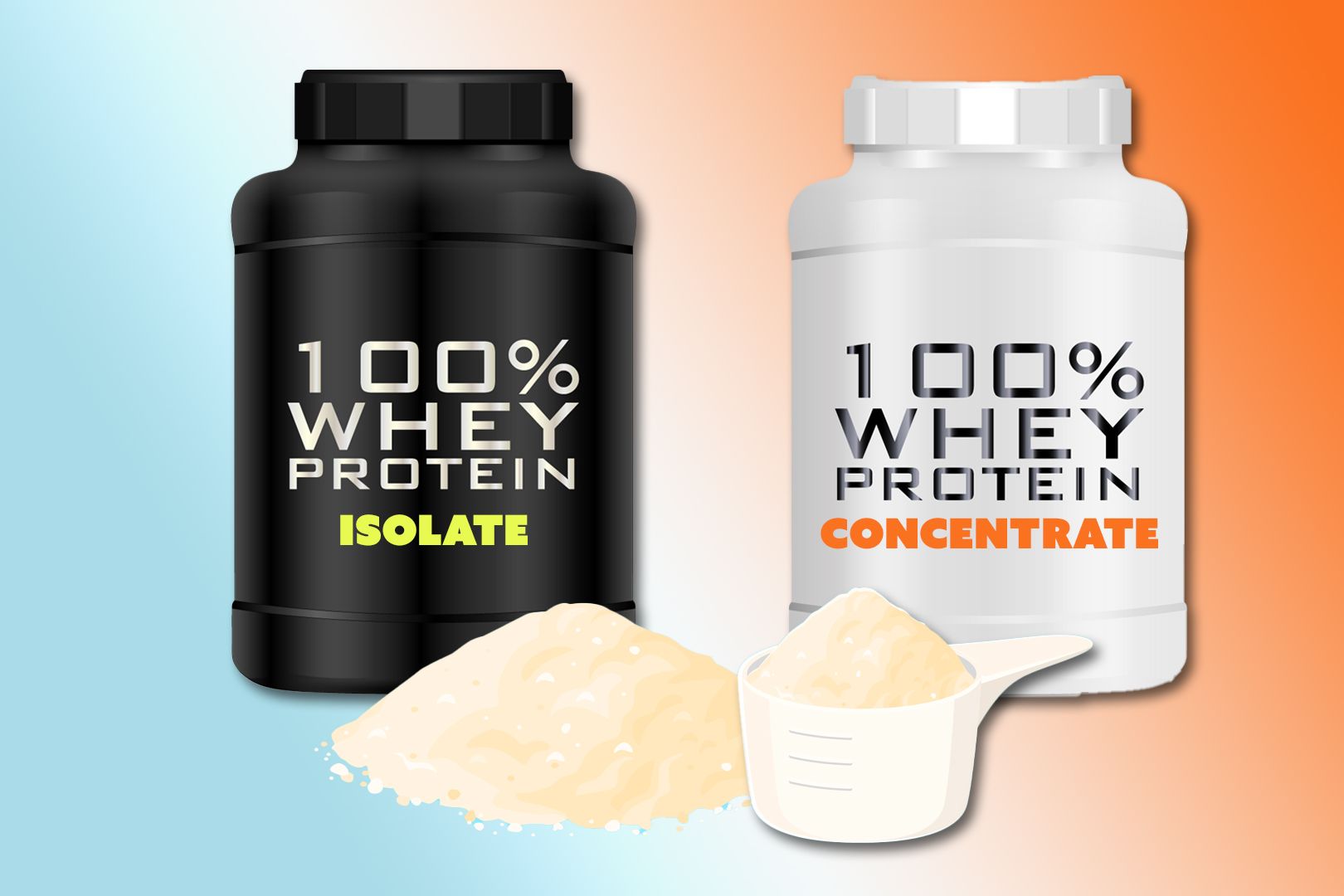
How It Differs From Concentrate
Whey protein concentrate contains more fats and lactose than isolate. This makes isolate a better choice for those with lactose intolerance.
Isolate also has a higher protein percentage, making it more efficient for muscle building and recovery.
- Isolate: Higher protein content, less fat
- Concentrate: More fats and sugars
- Isolate: Better for lactose-sensitive individuals
Protein Content And Purity
Whey protein isolate offers a high protein content, often over 90%. This purity level is achieved through advanced filtration processes.
High protein purity ensures better absorption and effectiveness, especially for athletes and bodybuilders.
| Type | Protein Percentage |
| Isolate | 90% or more |
| Concentrate | 70% to 80% |

Credit: nutrax.shop
Health Benefits
Whey protein isolate is a popular supplement for many people. It has several health benefits that support your body.
This protein type has less fat and lactose than other proteins. It can help with muscle growth, weight control, and more.
Muscle Growth And Recovery
Whey protein isolate has a high amount of protein per serving. This helps your muscles repair and grow after exercise.
The protein contains essential amino acids. These amino acids support muscle strength and reduce soreness after workouts.
Weight Management Support
Whey protein isolate can help you feel full longer. This reduces hunger and may lower your calorie intake.
Protein helps boost metabolism. A faster metabolism helps burn more calories even at rest.
Immune System Boost
Whey protein isolate contains important compounds. These compounds help strengthen your immune system.
It supports the production of antioxidants. Antioxidants protect your body from harmful cells and infections.
Digestibility And Lactose Content
Whey protein isolate has less lactose than whey concentrate. This makes it easier to digest for many people.
People with lactose intolerance often tolerate whey isolate better. It reduces stomach discomfort and bloating.
Common Uses
Whey protein isolate is a popular choice for many people. It is used to add protein to meals and snacks. It helps support muscle growth and recovery.
This protein type has less fat and lactose than other whey proteins. Many use it to reach their protein goals in different ways.
Post-workout Nutrition
Whey protein isolate is often taken right after exercise. It helps muscles recover fast. The body absorbs it quickly to repair muscle tissue.
Many athletes and gym-goers mix it with water or milk. This makes a quick protein drink to support muscle repair.
Meal Replacement Options
Some people use whey protein isolate as a meal replacement. It can be mixed into shakes or smoothies. This helps provide protein when a full meal is not possible.
Adding fruits or vegetables makes the shake more filling. This option is good for busy days or weight control.
Enhancing Protein Intake
Whey protein isolate helps increase daily protein intake. It is useful for people who need more protein for health or fitness.
You can add it to yogurt, oatmeal, or soups. This boosts protein without adding many calories or fat.
Cooking And Baking With Whey
Whey protein isolate can be used in cooking and baking. It adds protein to recipes without changing taste much.
Common uses include mixing it into pancakes, muffins, or protein bars. It helps make snacks healthier and richer in protein.
Credit: www.protyze.com
Choosing The Right Whey Protein
Whey protein is popular for building muscle and staying healthy. Many people choose whey protein isolate for its purity and fast absorption.
Picking the right whey protein can be hard. You need to know what fits your goals and body.
Factors To Consider
Think about your diet and fitness goals before choosing whey protein. Some proteins have more fat and carbs than others.
Check if you have allergies or food sensitivities. Also, consider how much protein you need daily.
- Protein content per serving
- Fat and carbohydrate levels
- Allergens like lactose or soy
- Price and serving size
- Mixing ability and taste
Reading Labels And Ingredients
Labels tell you what is inside the whey protein. Look for simple ingredient lists with few additives.
Whey protein isolate usually has more protein and less fat than concentrate. Check the protein percentage on the label.
- Protein amount per scoop
- Added sugars or sweeteners
- Presence of fillers or artificial flavors
- Source of whey (cow’s milk, grass-fed, etc.)
Popular Brands And Quality
Some brands are known for high-quality whey protein isolate. Quality means purity, taste, and how well it mixes.
Look for brands that test their products for safety and label accuracy. Customer reviews can help you learn about the taste and mixability.
- Check for third-party testing
- Look for clear ingredient lists
- Read user reviews for taste and mix
- Compare prices and serving sizes
Potential Drawbacks
Whey protein isolate is popular for its high protein content and low fat. Still, it has some drawbacks to consider before choosing it.
These drawbacks include allergies, costs, and possible side effects that might affect some users.
Allergies And Sensitivities
Whey protein isolate comes from milk. People with milk allergies should avoid it. It can cause allergic reactions like itching, swelling, or breathing problems.
Some people may also have lactose intolerance. Whey isolate has less lactose but may still cause stomach upset in sensitive individuals.
Cost Compared To Other Proteins
Whey protein isolate is often more expensive than other protein types. This is due to extra processing to remove fat and lactose.
Other proteins like whey concentrate or plant-based options may cost less but have lower protein content.
- Whey isolate: higher cost, high protein
- Whey concentrate: lower cost, less protein
- Plant proteins: variable cost and protein quality
Possible Side Effects
Some people may experience side effects from whey protein isolate. These include digestive issues like bloating or gas.
Taking too much protein can stress the kidneys. It is important to use the right amount for your body.
- Bloating and gas
- Stomach cramps
- Kidney stress with very high intake
Whey Protein Isolate Vs Other Proteins
Whey protein isolate is a popular choice for many people. It has a high protein content and low fat and carbs.
There are other proteins like casein, plant-based, and whey concentrate. Each type has its own benefits and uses.
Casein Protein
Casein is a slow-digesting protein. It releases amino acids over several hours.
This makes casein good for nighttime use. It helps muscle repair while you sleep.
Plant-based Proteins
Plant proteins come from sources like peas, rice, and hemp. They are good for people who avoid dairy.
Plant proteins often have less protein per serving. Some may lack certain amino acids.
- Good for vegans and vegetarians
- May have fiber and other nutrients
- Usually slower to digest than whey isolate
Whey Concentrate
Whey concentrate has more fat and carbs than isolate. It contains about 70-80% protein.
It is less processed and usually costs less. It can be a good choice for general protein needs.
- More lactose than isolate
- Good taste and texture
- Slower absorption than isolate
Credit: nutrova.com
Frequently Asked Questions
What Is Whey Protein Isolate?
Whey protein isolate is a highly purified form of whey protein. It contains over 90% protein with minimal fats and carbs. It’s ideal for those seeking fast absorption and lean muscle gains.
How Does Whey Protein Isolate Differ From Concentrate?
Whey protein isolate has higher protein content and fewer fats and lactose than concentrate. It’s absorbed quicker, making it better for post-workout recovery and sensitive digestion.
Is Whey Protein Isolate Better For Weight Loss?
Yes, whey protein isolate supports weight loss by providing high protein with low calories. It helps preserve muscle mass while promoting fat loss and satiety.
Can Whey Protein Isolate Help Build Muscle Faster?
Whey protein isolate contains essential amino acids that boost muscle repair and growth. Its rapid absorption helps optimize muscle recovery and growth after exercise.
Conclusion
Whey protein isolate offers high protein with less fat and carbs. It suits those who want quick absorption and fewer calories. Some may find it easier to digest than other proteins. But whole food and a balanced diet remain important.
Choose whey isolate if you need fast, clean protein. Otherwise, other types can also work well. Think about your fitness goals and personal needs. This helps pick the best protein for you. Simple and smart choices lead to better health results.


