

Are you wondering if whey protein is actually a dairy product? If you’re trying to boost your fitness or improve your diet, this question matters more than you might think.
Knowing what whey protein really is can help you make smarter choices about what you put in your body. You’ll discover the truth behind whey protein and how it fits into your nutrition. Keep reading to clear up the confusion and find out if whey protein is the right option for you.
What Is Whey Protein
Whey protein is a popular supplement used by many people. It helps in building muscle and improving fitness.
It comes from milk and is a by-product of cheese making. Whey protein is rich in essential amino acids.
Sources Of Whey Protein
Whey protein is found in dairy products. Milk is the primary source of whey protein.
- Milk
- Cheese
- Yogurt
How Whey Protein Is Made
Whey protein is made during the cheese-making process. It is the liquid that separates from curds.
This liquid is then filtered and dried to make whey protein powder. It is easy to mix with drinks or foods.

Credit: www.dairyprocessing.com
Whey Protein And Dairy Connection
Whey protein comes from milk. It is a common supplement for muscle building.
Many people wonder if whey protein is a dairy product. It is important to understand its origin and content.
Relation To Milk Components
Whey is the liquid part of milk left after cheese is made. It contains proteins, water, and some minerals.
Whey protein is extracted from this liquid. It is one of the two main proteins in milk. The other is casein.
- Milk has two proteins: whey and casein
- Whey protein comes from the liquid part of milk
- It is separated during cheese making
Lactose Presence In Whey
Lactose is a sugar found in milk. Whey protein contains some lactose because it comes from milk.
The amount of lactose depends on the type of whey protein. Whey concentrate has more lactose than whey isolate.
| Type of Whey Protein | Lactose Content |
|---|---|
| Whey Concentrate | Contains moderate lactose |
| Whey Isolate | Low lactose, almost none |
| Whey Hydrolysate | Low lactose, broken down protein |
Types Of Whey Protein
Whey protein comes from milk and is a byproduct of cheese making. It is a popular supplement for people who want to build muscle or improve their diet.
There are three main types of whey protein. Each type has different protein levels and processing methods.
Whey Concentrate
Whey concentrate contains about 70% to 80% protein. It also has some fat and lactose. This type is less processed than others.
It is often used by people who want a good balance of protein and nutrients from whey.
Whey Isolate
Whey isolate has a higher protein content, usually 90% or more. It contains less fat and lactose than concentrate.
This type is good for people who are lactose intolerant or want more protein with fewer calories.
Whey Hydrolysate
Whey hydrolysate is pre-digested for faster absorption. It causes less allergy and stomach upset.
This type is often used in medical protein supplements and by athletes who need quick protein.
Whey Protein For Dairy-sensitive Individuals
Whey protein comes from milk. It is a byproduct of cheese making. Many people wonder if whey protein is safe for those sensitive to dairy.
This article looks at whey protein and its effects on people with dairy sensitivity. It explains key concerns like lactose intolerance and milk allergy.
Lactose Intolerance Considerations
Lactose intolerance means the body cannot digest lactose well. Lactose is a sugar found in milk and some dairy products.
Whey protein contains little lactose, especially whey isolate. Many lactose intolerant people can use whey isolate without issues.
- Whey concentrate has more lactose than isolate
- Isolate usually has less than 1% lactose
- Some people may still react to small lactose amounts
- Lactase enzyme supplements can help digest lactose
Milk Allergy Concerns
Milk allergy is an immune reaction to milk proteins. Whey protein is a milk protein, so it can cause allergies.
People with milk allergy should avoid whey protein. Even small amounts can trigger symptoms like hives, swelling, or breathing issues.
- Milk allergy is different from lactose intolerance
- Whey protein contains allergens like beta-lactoglobulin
- Milk-allergic individuals should choose non-dairy protein
- Check product labels for milk protein warnings
Non-dairy Alternatives To Whey
Whey protein comes from milk, so it is a dairy product. Many people cannot eat dairy or choose not to. Non-dairy protein options offer good nutrition without milk.
These plant-based proteins work well in shakes, cooking, and baking. They provide a variety of nutrients and flavors for different needs.
Plant-based Protein Options
Plant-based proteins come from seeds, nuts, and legumes. Common types are pea, rice, soy, and hemp protein. They are good choices for vegans and those with lactose intolerance.
- Pea protein is easy to digest and rich in iron.
- Soy protein contains all essential amino acids.
- Rice protein is hypoallergenic and gentle on the stomach.
- Hemp protein has omega-3 fatty acids and fiber.
Comparing Nutritional Benefits
Whey protein has complete amino acids and is fast absorbed. Plant proteins vary in amino acid profiles but can be combined for completeness.
| Protein Type | Complete Protein | Digestibility | Additional Nutrients |
|---|---|---|---|
| Whey | Yes | Fast | Calcium, B vitamins |
| Pea | No (low in methionine) | Moderate | Iron, fiber |
| Soy | Yes | Moderate | Isoflavones, fiber |
| Rice | No (low in lysine) | Fast | Magnesium, antioxidants |
| Hemp | No (low in lysine) | Slow | Omega-3, fiber |

Credit: www.steadfastnutrition.in
Labeling And Misconceptions
Many people wonder if whey protein is a dairy product. The answer can be confusing because of how whey protein is made and labeled. Understanding product labels helps clear up common misconceptions.
Whey protein comes from milk, but not all whey protein products are the same. Knowing the facts helps you make the right choice for your diet.
Reading Product Labels
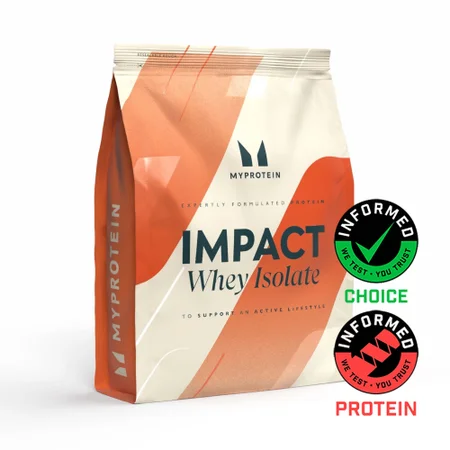
Whey protein is made from milk during cheese production. It is a dairy-derived protein. Labels often say “whey protein concentrate” or “whey protein isolate.”
Look for words like “milk,” “milk protein,” or “dairy” on the label. These tell you the product contains dairy. If you have allergies, watch for these terms.
- “Whey protein concentrate” has more lactose and fat.
- “Whey protein isolate” has less lactose and fat.
- Both types come from milk, so they are dairy products.
- Some products may add non-dairy ingredients.
Common Myths About Whey Protein
Many people think whey protein is not dairy because it is processed. Others believe it does not cause lactose intolerance symptoms. These are common myths.
Whey protein is a dairy product because it comes from milk. Some types have low lactose but still come from dairy. People with dairy allergies should avoid it.
- Myth: Whey protein is not dairy because it is a powder.
- Fact: It comes from milk, so it is dairy.
- Myth: Whey protein has no lactose.
- Fact: Concentrate has lactose; isolate has less but still some.
- Myth: Whey protein is safe for all lactose intolerant people.
- Fact: Some may still react to whey protein.
Credit: www.myprotein.ie
Frequently Asked Questions
Is Whey Protein Considered A Dairy Product?
Yes, whey protein is a dairy product. It is derived from milk during cheese production. Whey contains milk proteins, making it a dairy-based supplement.
Can People With Lactose Intolerance Consume Whey Protein?
Some whey proteins have low lactose levels. Isolate forms contain less lactose and may be suitable. However, sensitive individuals should check labels and consult a doctor.
How Is Whey Protein Extracted From Milk?
Whey protein is separated from milk during cheese making. The liquid whey is filtered and dried to create protein powder. This process retains essential amino acids.
Does Whey Protein Cause Dairy Allergies?
Whey protein can trigger dairy allergies. It contains milk proteins like beta-lactoglobulin. People allergic to milk should avoid whey protein products.
Conclusion
Whey protein comes from milk, so it is a dairy product. Many people use it to build muscle and recover from exercise. It contains important nutrients like protein and calcium. Those with lactose intolerance may need to be careful. Always check labels if you have allergies or dietary restrictions.
Understanding whey protein helps you make better health choices. It fits well in many diets but not all. Keep your needs in mind when choosing supplements. Simple and clear knowledge leads to better results.


