

Are you curious about what exactly goes into the whey protein concentrate you see on store shelves? Understanding what’s inside can help you make smarter choices for your health and fitness goals.
Whey protein concentrate isn’t just a simple powder—it’s packed with nutrients that your body needs to build muscle, recover faster, and stay energized. You’ll discover the key ingredients, benefits, and why it might be the perfect addition to your daily routine.
Keep reading to unlock the facts that can transform how you think about protein supplements.
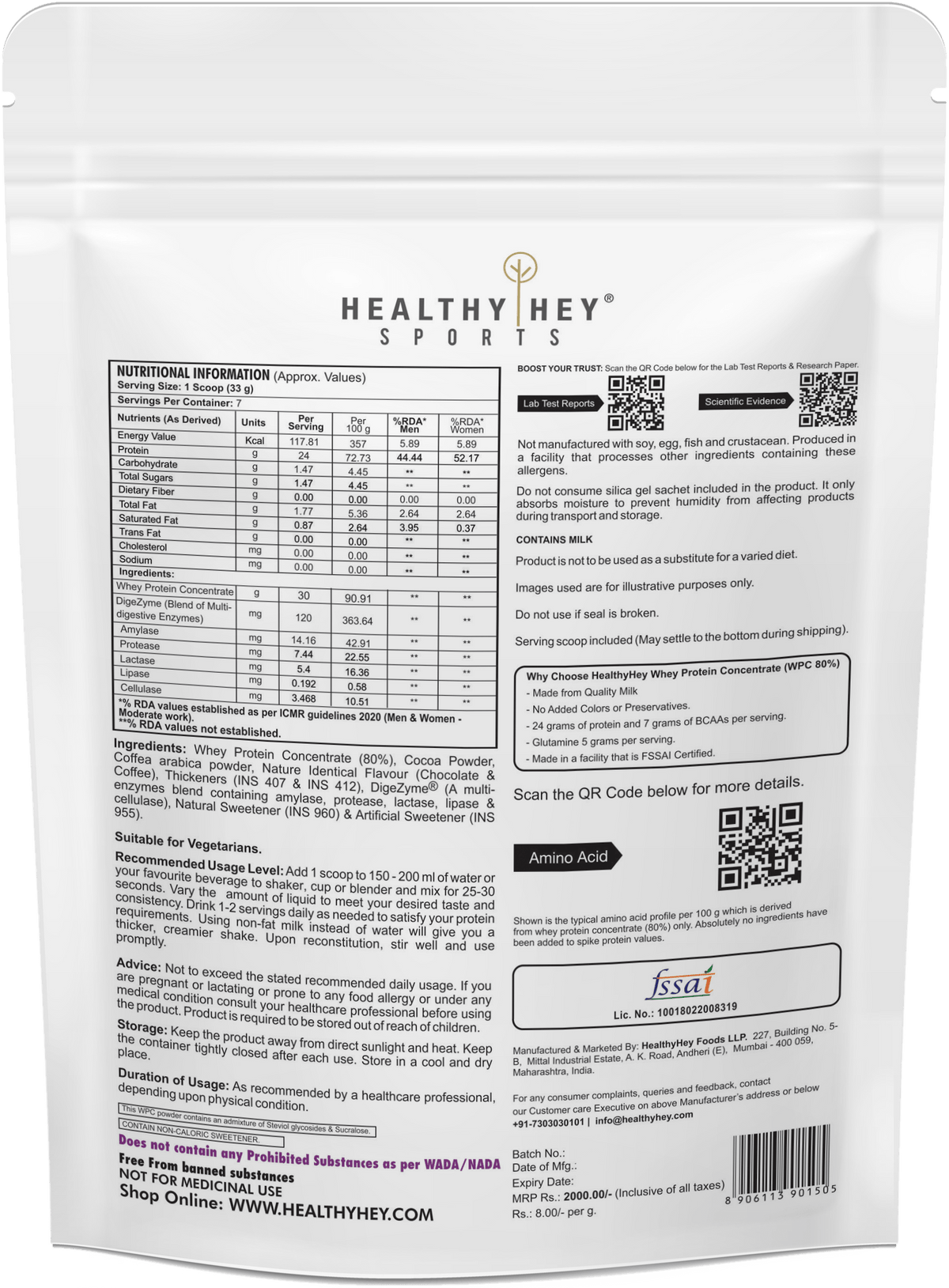
Credit: healthyhey.com
Whey Protein Concentrate Basics
Whey protein concentrate is a common dietary supplement. It is popular among athletes and fitness enthusiasts.
This supplement helps in muscle building and recovery. It is made from the liquid part of milk that separates during cheese production.
Source And Production
Whey protein concentrate comes from cow’s milk. It is a by-product of cheese making.
During cheese production, milk is curdled and whey is separated. The liquid whey is then processed to remove fats and carbohydrates.
- Milk is curdled to start the process
- Whey is separated from the curds
- Whey is filtered and dried into powder
Types Of Whey Proteins
There are different types of whey proteins. Each type has unique characteristics and benefits.
The main types are whey protein concentrate, isolate, and hydrolysate. Concentrate is the most common form.
- Whey Protein Concentrate: Contains more fats and carbs
- Whey Protein Isolate: Higher protein content, less fat
- Whey Protein Hydrolysate: Pre-digested for easier absorption

Credit: levelsprotein.com
Primary Ingredients
Whey Protein Concentrate contains several main ingredients. These ingredients provide nutrition and energy for the body.
This protein source is popular for its balanced mix of protein, lactose, and fat. Each plays a specific role in nutrition.
Protein Content
Whey Protein Concentrate has a high amount of protein. Protein helps build and repair muscles after exercise.
The protein content usually ranges between 70% and 80%. This makes it a good option for many people.
Lactose Levels
Whey Protein Concentrate contains lactose, a natural sugar found in milk. The lactose level is higher than in whey isolate.
People with lactose intolerance may feel discomfort after consuming it. Lactose content varies by product.
Fat Components
Whey Protein Concentrate contains small amounts of fat. These fats include milk fat and other dairy fats.
The fat content can range from 3% to 5%. Fat adds flavor and helps with nutrient absorption.
Additional Nutrients
Whey protein concentrate contains more than just protein. It has extra nutrients that help your body.
These nutrients include vitamins, minerals, and a variety of amino acids. They support health and muscle growth.
Vitamins And Minerals
Whey protein concentrate has several important vitamins and minerals. They help your body work well every day.
Some common vitamins found in whey protein concentrate are vitamin B complex and vitamin C. It also contains minerals like calcium, phosphorus, and potassium.
- Vitamin B complex supports energy production
- Vitamin C helps immune function
- Calcium strengthens bones and teeth
- Phosphorus aids in cell repair and growth
- Potassium maintains healthy blood pressure
Amino Acids Profile
Amino acids are the building blocks of protein. Whey protein concentrate has many essential amino acids.
It includes branched-chain amino acids (BCAAs) like leucine, isoleucine, and valine. These help build and repair muscles.
| Amino Acid | Role in the Body |
|---|---|
| Leucine | Supports muscle growth |
| Isoleucine | Helps with energy and repair |
| Valine | Assists in muscle metabolism |
| Lysine | Supports protein synthesis |
| Phenylalanine | Helps make neurotransmitters |
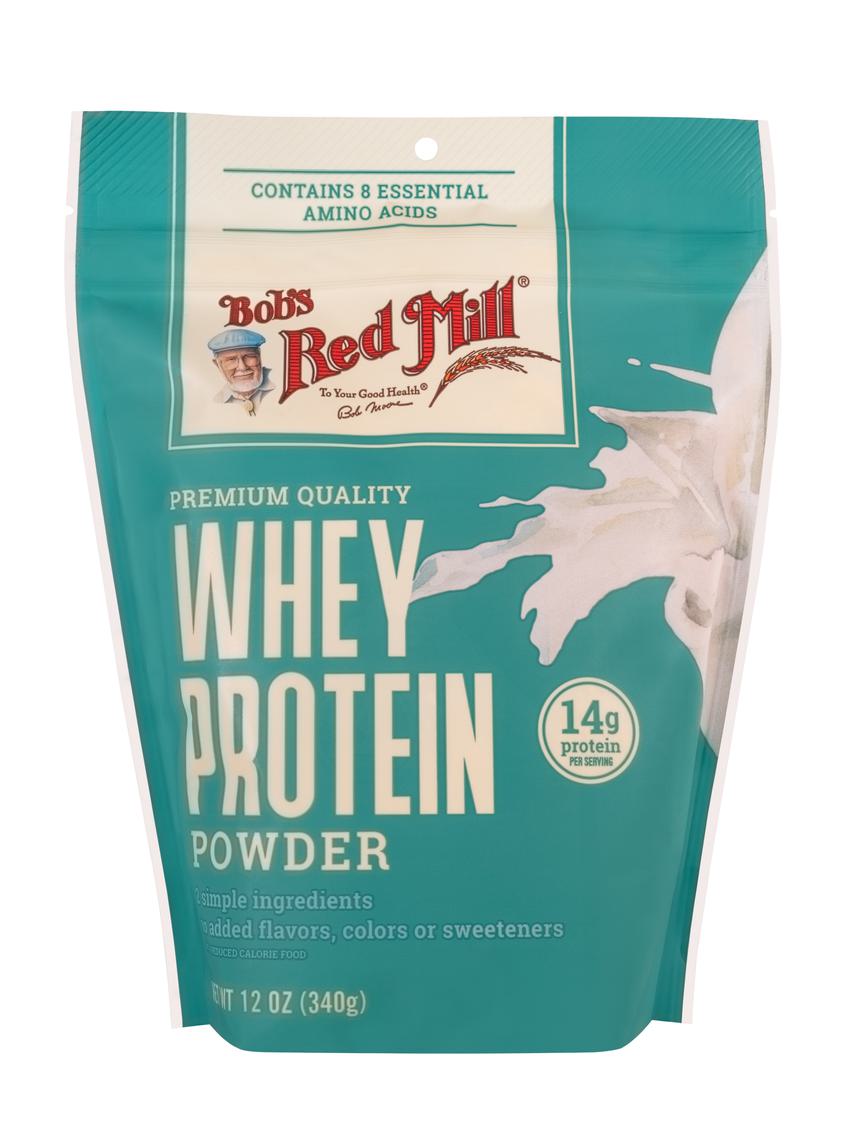
Credit: www.bobsredmill.com
Common Additives
Whey protein concentrate often contains additives to improve taste, texture, and shelf life. These additives make the product easier to use and more enjoyable.
Understanding these common additives helps you know what you are consuming. Some additives are natural, while others are added during processing.
Flavorings And Sweeteners
Flavorings give whey protein concentrate its taste. They can be natural or artificial. Sweeteners add sweetness without extra calories.
Common flavorings include chocolate, vanilla, and strawberry. Sweeteners used are often sucralose, stevia, or acesulfame potassium.
- Natural flavors come from fruits, plants, or spices
- Artificial flavors are made through chemical processes
- Sucralose is a popular zero-calorie sweetener
- Stevia is a natural sweetener from a plant
- Acesulfame potassium is calorie-free and stable in heat
Preservatives And Stabilizers
Preservatives help keep whey protein fresh for longer times. Stabilizers maintain the texture and prevent ingredients from separating.
Common preservatives include potassium sorbate and sodium benzoate. Stabilizers like lecithin improve mixability and consistency.
- Potassium sorbate stops mold and yeast growth
- Sodium benzoate prevents bacteria growth
- Lecithin helps protein mix smoothly with liquids
- Stabilizers keep powders from clumping
Nutritional Benefits
Whey protein concentrate is a popular supplement made from milk. It contains essential nutrients that help support health and fitness.
This protein type has important components like amino acids, fats, and carbohydrates. These nutrients provide many benefits for the body.
Muscle Growth Support
Whey protein concentrate contains high levels of branched-chain amino acids (BCAAs). These amino acids help repair and build muscle after exercise.
It also provides a quick source of protein that your body can use right away. This helps improve muscle strength and size over time.
- Rich in BCAAs like leucine, isoleucine, and valine
- Supports muscle repair and growth
- Fast absorption for quick protein delivery
- Helps maintain muscle during workouts
Weight Management Aid
Whey protein concentrate can help control hunger by making you feel full. This reduces the chance of overeating during the day.
It also helps keep muscle mass while losing fat. This supports a healthy metabolism and better weight management.
- Increases feelings of fullness
- Helps preserve muscle during weight loss
- Supports a healthy metabolism
- Can reduce overall calorie intake
Potential Allergens And Sensitivities
Whey Protein Concentrate contains several components that may cause reactions in sensitive people. It is important to know what these allergens are.
This helps people avoid discomfort or health problems linked to whey protein use.
Lactose Intolerance
Whey Protein Concentrate has lactose, a sugar found in milk. People with lactose intolerance may feel bloated or have stomach pain.
Symptoms happen because their bodies cannot break down lactose well.
- Bloating
- Gas
- Diarrhea
- Stomach cramps
Milk Protein Allergies
Some people are allergic to proteins in milk, including whey. This allergy can cause serious reactions.
Reactions may include skin rashes, swelling, or breathing problems. These people should avoid whey protein.
- Hives or skin rash
- Swelling of lips or throat
- Wheezing or trouble breathing
- Stomach pain or vomiting
Quality Indicators
Whey protein concentrate has different quality indicators. These indicators help buyers know how good the product is.
Quality depends on factors like purity and certification. These ensure safety and effectiveness.
Purity Levels
Purity shows how much whey protein is in the concentrate. Higher purity means more protein and less fat or lactose.
Check the protein percentage on the label. Good whey protein concentrate usually has 70% to 80% protein.
- High purity means better protein content
- Lower fat and lactose improve digestibility
- Impurities can affect taste and quality
Certification Standards
Certifications show that whey protein meets safety and quality rules. They help customers trust the product.
Look for certifications from food safety groups. These include NSF, GMP, or Informed-Choice labels.
- NSF ensures no harmful substances
- GMP checks good manufacturing practices
- Informed-Choice tests for banned substances
Frequently Asked Questions
What Is Whey Protein Concentrate Made Of?
Whey protein concentrate is made from liquid whey, a byproduct of cheese production. It contains proteins, lactose, fats, minerals, and moisture. The concentration process removes some non-protein components, resulting in about 70-80% protein content. It offers a balanced nutritional profile for muscle building and recovery.
How Does Whey Protein Concentrate Differ From Isolate?
Whey protein concentrate contains 70-80% protein, with more fats and lactose. Isolate has over 90% protein, with minimal fats and lactose. Concentrate is less processed and more affordable. Isolate is better for lactose-sensitive individuals and faster absorption. Both support muscle growth effectively.
Is Whey Protein Concentrate Suitable For Weight Loss?
Yes, whey protein concentrate supports weight loss by promoting muscle retention and satiety. It helps reduce hunger and boosts metabolism. Consuming it as part of a balanced diet can aid fat loss. However, portion control and overall calorie intake remain important.
What Nutrients Are Found In Whey Protein Concentrate?
Whey protein concentrate contains essential amino acids, including branched-chain amino acids (BCAAs). It also provides lactose, fats, calcium, and minerals. This nutrient mix supports muscle repair, bone health, and energy. It is a complete protein source beneficial for active individuals.
Conclusion
Whey protein concentrate contains protein, lactose, fat, and minerals. It supports muscle growth and recovery. Many people use it to add protein to their diets. It offers a balance between cost and nutrition. The natural components make it a good choice for many.
Remember to check labels for quality and ingredients. Choosing the right whey protein helps meet your health goals. Simple, natural, and effective—whey protein concentrate fits many lifestyles.


