
Are you confused about whey protein and what sets one type apart from another? If you’ve ever stood in front of the supplement shelf wondering which whey protein is right for your goals, you’re not alone.
Understanding the differences can make a big impact on how well your body recovers, builds muscle, or even how you feel throughout the day. You’ll discover the key facts that will help you choose the perfect whey protein for your needs—no more guesswork, just clear, simple answers.
Keep reading to unlock the secrets that can boost your results and make your fitness journey smoother.
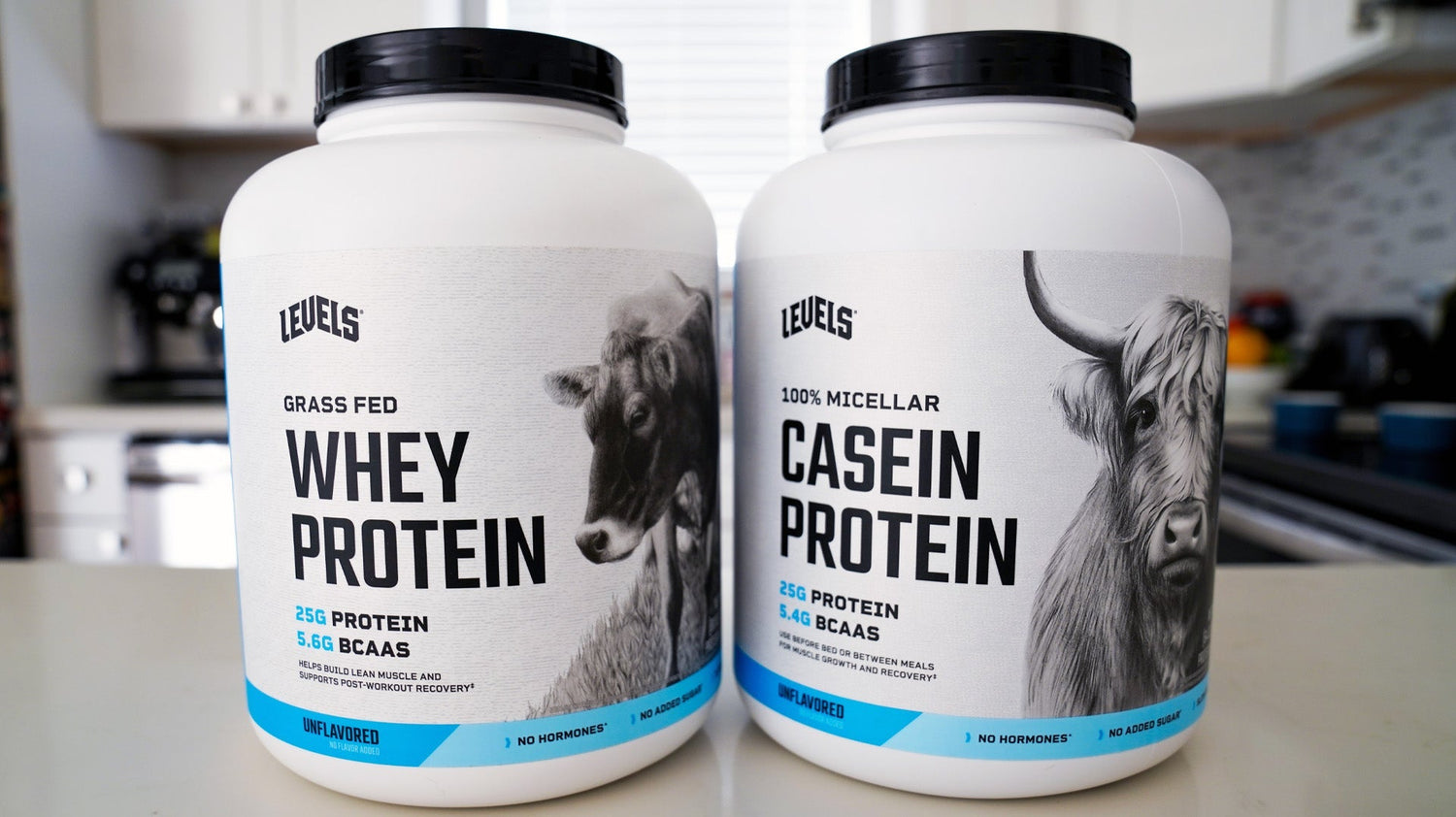
Credit: levelsprotein.com
Types Of Whey Protein
Whey protein is a popular supplement for building muscles. It comes in different types, each with unique features.
Understanding these types helps in choosing the right one for your needs.
Whey Concentrate
Whey concentrate is the most common form of whey protein. It is affordable and has a moderate amount of protein.
This type usually contains some fats and carbohydrates. It is suitable for those who are starting out with protein supplements.
- Protein content: 70-80%
- Contains lactose
- Good for beginners
Whey Isolate
Whey isolate has higher protein content than concentrate. It goes through more processing to remove fats and carbohydrates.
This makes it suitable for those who want more protein with fewer calories.
- Protein content: 90% or more
- Low in fats and carbs
- Ideal for calorie-conscious users
Whey Hydrolysate
Whey hydrolysate is pre-digested, making it easier to absorb. It is often used in medical and sports nutrition.
This type is usually more expensive due to its processing. It is a great option for those with sensitive stomachs.
- Fast absorption
- Less likely to cause allergies
- Higher cost
Protein Content Comparison
Whey protein is a popular supplement used for muscle building and recovery. Different types of whey protein have different amounts of protein per serving.
Understanding protein content helps you choose the right type for your needs.
Concentration Levels
Whey protein comes in various concentration levels. These levels affect how much protein you get in each scoop.
Whey concentrate has less protein but more fats and carbs. Whey isolate has higher protein and fewer fats and carbs.
- Whey concentrate: 70-80% protein
- Whey isolate: 90% or more protein
- Whey hydrolysate: varies but usually high protein
Purity Differences
Purity means how much pure protein is in the product. It also shows how many extra ingredients are included.
Isolates are purer because they have fewer fats, lactose, and carbs. Concentrates have more of these extras.
| Type | Protein Purity | Extra Nutrients |
|---|---|---|
| Whey Concentrate | Lower | More fats, lactose, carbs |
| Whey Isolate | Higher | Less fats, lactose, carbs |
| Whey Hydrolysate | High | Minimal extras, easier to digest |
Digestibility And Absorption
Whey protein is a popular supplement for building muscle. It comes in different types with varying digestibility and absorption rates. Understanding these differences helps you choose the right protein for your needs.
This article focuses on how whey protein is digested and absorbed by the body. We will also look at its impact on muscle recovery.
Absorption Rates
Whey protein is known for its fast absorption. Whey isolate absorbs faster than whey concentrate because it has less fat and lactose. Hydrolyzed whey absorbs the quickest because it is broken down into smaller parts.
The faster the absorption, the quicker the amino acids reach your muscles. This helps support muscle growth and repair right after exercise.
- Whey concentrate: absorbs in about 3 hours
- Whey isolate: absorbs in about 1.5 to 2 hours
- Hydrolyzed whey: absorbs within 30 minutes to 1 hour
Impact On Muscle Recovery
Whey protein helps muscles recover after exercise by providing amino acids. Faster absorbing whey types can deliver these nutrients more quickly.
Hydrolyzed whey supports quicker muscle repair because it enters the bloodstream fast. Whey isolate also aids recovery well due to its high protein content and fast digestion.
- Hydrolyzed whey: best for quick muscle recovery
- Whey isolate: good for fast and effective repair
- Whey concentrate: slower but still helpful for recovery
Nutritional Profiles
Whey protein types differ in their nutritional makeup. These differences affect how your body uses them.
Understanding these profiles helps you pick the right whey protein for your needs.
Fat And Carbohydrate Content
Whey protein concentrate has more fat and carbs than isolate. Isolate is processed to remove most fat and carbs.
Whey protein isolate usually has less than 1 gram of fat and carbs per serving. Concentrate can have up to 3 grams.
- Whey Concentrate: 3 grams fat, 3 grams carbs (approx.)
- Whey Isolate: <1 gram fat, <1 gram carbs
Lactose Levels
Whey concentrate contains more lactose. Lactose is a sugar found in milk that some people cannot digest well.
Whey isolate has very little lactose. It is better for people who are lactose sensitive.
- Whey Concentrate: Higher lactose content
- Whey Isolate: Very low lactose
Taste And Texture Variations
Whey protein comes in different types, each with unique taste and texture. These differences affect how you enjoy your protein shake.
Understanding these variations helps you pick the right whey protein for your needs and preferences.
Flavor Profiles
Whey protein flavors vary based on processing and added ingredients. Some types taste creamier, while others are lighter.
Whey concentrate often has a richer flavor due to more natural fats and lactose. Isolate has a cleaner, less sweet taste.
- Concentrate: Creamy, slightly sweet, milky taste
- Isolate: Mild, clean flavor with less sweetness
- Hydrolysate: Slightly bitter or sharp due to pre-digestion
Mixability
Mixability means how well the whey protein blends with liquids. It affects the smoothness of your drink.
Isolates mix easier because they have fewer fats and lactose. Concentrates may feel thicker and sometimes clump.
- Isolate: Blends quickly and smoothly
- Concentrate: May need more stirring, can be thicker
- Hydrolysate: Mixes fast but can be foamy
Best Uses For Each Type
Whey protein comes in different types, each with its own benefits. Knowing which type to use helps you reach your health goals.
This guide explains the best uses of whey protein types based on workout goals and dietary needs.
Workout Goals
Different whey proteins work better for different workout goals. Choose the right type to support your training.
Whey concentrate is good for general muscle building. It has more fats and carbs, which give extra calories.
Whey isolate is ideal for fat loss and lean muscle. It has more protein and less fat and carbs.
- Whey Concentrate:Best for muscle gain and recovery
- Whey Isolate:Best for fat loss and lean muscle
- Whey Hydrolysate:Best for fast absorption and quick recovery
Dietary Preferences
Your diet affects which whey protein suits you best. Some types have more lactose or fat than others.
Whey isolate is low in lactose, good for people who are lactose sensitive. Whey concentrate has more lactose and fat.
- Whey Concentrate:Suitable for those without lactose issues
- Whey Isolate:Better for lactose intolerance and low-fat diets
- Whey Hydrolysate:Usually low in lactose and easy to digest
Price Differences
Whey protein comes in different types. These types include concentrate, isolate, and hydrolysate. Each type has a different price. Understanding these price differences helps you choose the best option.
The price depends on how whey protein is made and its quality. Some types cost more because they have more protein and less fat or lactose.
Cost Per Serving
The cost per serving shows how much you pay for one portion of whey protein. Concentrate usually costs less per serving. Isolate and hydrolysate are more expensive because they need extra processing.
- Concentrate: Lowest cost per serving
- Isolate: Mid-range cost per serving
- Hydrolysate: Highest cost per serving
Value For Money
Value for money means the quality you get for the price you pay. Isolate and hydrolysate have higher protein content. They are better for people who need pure protein. Concentrate is good for those on a budget.
| Type | Protein % | Price Level | Best For |
|---|---|---|---|
| Concentrate | 70-80% | Low | Basic protein needs |
| Isolate | 90%+ | Medium | Low fat and lactose |
| Hydrolysate | 90%+ | High | Fast absorption |

Credit: www.reddit.com
Potential Side Effects
Whey protein is popular for building muscle and recovering fast. But some people may face side effects after using it.
It is important to know these possible effects to stay safe and healthy.
Allergic Reactions
Whey protein comes from milk. People with milk allergies can have bad reactions.
Allergic reactions may include itching, swelling, or trouble breathing. These signs need quick medical help.
- Skin rash or hives
- Swelling of lips or face
- Difficulty breathing or wheezing
- Stomach pain or vomiting
Digestive Issues
Some users feel stomach pain, bloating, or gas after taking whey protein. This happens more with whey concentrate.
Lactose intolerance is a common cause. Whey concentrate has more lactose than isolate, which may cause trouble.
- Bloating or gas
- Diarrhea or loose stools
- Stomach cramps
- Nausea
Credit: www.myprotein.com
Frequently Asked Questions
What Are The Main Types Of Whey Protein?
Whey protein mainly comes in three types: concentrate, isolate, and hydrolysate. Concentrate has moderate protein and more fat. Isolate is purer with higher protein and less fat. Hydrolysate is pre-digested for faster absorption and easier digestion.
How Does Whey Protein Isolate Differ From Concentrate?
Whey protein isolate contains over 90% protein and very little fat or lactose. Concentrate has 70-80% protein with more fat and lactose. Isolate is better for lactose-intolerant individuals and those seeking lean protein.
Is Whey Protein Hydrolysate Better For Muscle Growth?
Whey hydrolysate is pre-digested, so it absorbs faster than other types. This quick absorption helps with faster muscle recovery and growth. It’s often used in medical protein supplements and by athletes for optimal results.
Can Whey Protein Types Affect Digestion?
Yes, whey concentrate contains more lactose, which may cause digestion issues for lactose-intolerant people. Isolate and hydrolysate have less lactose and are easier to digest. Choosing the right type can improve digestion and nutrient absorption.
Conclusion
Whey protein comes in different types, each with unique benefits. Choose the one that fits your health and fitness needs. Concentrate on your goals, whether building muscle or recovering faster. Quality and digestion speed can also guide your choice. Understanding these differences helps you make smart decisions.
Keep your diet balanced and consistent for the best results. Simple steps lead to steady progress. Stay informed and enjoy your fitness journey.


