

Are you struggling to find the right protein supplement because of your lactose intolerance? You might be wondering if whey protein is safe for you to use without causing discomfort.
Choosing the right protein can feel confusing, especially when you want to build muscle or stay healthy without upsetting your stomach. You’ll discover the truth about whey protein and lactose intolerance, so you can make a confident choice for your health and fitness goals.
Keep reading to find out what works best for your body and how to avoid common pitfalls.
Lactose Intolerance Basics
Lactose intolerance happens when the body can’t digest lactose. Lactose is a sugar found in milk and dairy products. People with this condition often avoid dairy to prevent discomfort.
Whey protein is popular among fitness enthusiasts. It comes from milk, which raises questions for those with lactose intolerance. Understanding this condition helps in making informed dietary choices.
Causes And Symptoms
Lactose intolerance is caused by a lack of lactase. Lactase is an enzyme in the small intestine. It helps break down lactose into simpler sugars. Without enough lactase, digestion becomes difficult.
Symptoms include stomach pain, bloating, and gas. These symptoms usually appear a few hours after consuming dairy. The severity depends on the amount of lactose consumed and the individual’s tolerance level.
- Stomach pain
- Bloating
- Gas
- Diarrhea
Impact On Diet Choices
Lactose intolerance affects food choices significantly. Many avoid dairy to prevent symptoms. This can lead to missing out on important nutrients like calcium and vitamin D.
Options for those with lactose intolerance include lactose-free products. These products have the lactose removed. Some can consume small amounts of dairy without issues.
- Lactose-free milk
- Plant-based milk alternatives
- Hard cheeses (lower in lactose)
- Lactase enzyme supplements
Whey Protein Types
Whey protein is popular for muscle building and recovery. It comes in different types with varying lactose levels.
People who are lactose intolerant must choose whey protein carefully. Some types have less lactose and are easier to digest.
Concentrate Vs Isolate
Whey protein concentrate contains some lactose. It has about 70-80% protein and more fats and carbs.
Whey protein isolate has more protein, about 90% or higher. It has less lactose because it goes through extra filtering.
- Concentrate: More lactose, less processed
- Isolate: Less lactose, higher protein
- Isolate is better for lactose intolerance
Hydrolyzed Whey
Hydrolyzed whey is broken down into smaller pieces. This makes it easier to digest and absorb.
This type has very low lactose. It suits people with lactose intolerance or sensitive stomachs.
- Fast digestion and absorption
- Low lactose content
- Good for sensitive digestion
Lactose Content In Whey
Whey protein comes from milk and contains lactose. People with lactose intolerance may worry about eating whey.
Not all whey protein types have the same lactose amount. Knowing the lactose levels helps choose the right product.
Whey Concentrate Lactose Levels
Whey concentrate has more lactose than other whey types. It usually contains about 3-4% lactose by weight.
People with mild lactose intolerance might tolerate small amounts of whey concentrate. But it can cause symptoms for others.
- Contains some fat and carbs, including lactose
- Lactose content varies by brand and processing
- Not best for those with strong lactose intolerance
Whey Isolate Lactose Levels
Whey isolate goes through extra processing to remove most lactose. It usually has less than 1% lactose.
Many lactose intolerant people can use whey isolate without issues. It is a better choice for sensitive stomachs.
- Contains over 90% protein
- Almost all lactose is removed
- Low in fat and carbs
- Better for lactose intolerance
Choosing Whey For Lactose Intolerant
Whey protein is a popular supplement for muscle building and recovery. People with lactose intolerance may worry about using whey protein. Some whey types contain little or no lactose.
Choosing the right whey protein can help avoid stomach discomfort. Knowing how to read labels and using lactase supplements can make whey protein safer.
Reading Labels
Check the product label to find out if whey protein has lactose. Look for terms like “whey isolate” or “whey concentrate.”
Whey isolate usually has less lactose than concentrate. Some products say “lactose-free” or “low lactose.”
- Whey Isolate: Low in lactose, often safe for most people
- Whey Concentrate: Contains more lactose, may cause issues
- Lactose-Free: Made without lactose, best for sensitive users
- Check for added milk or dairy ingredients
Lactase Supplements
Lactase supplements help digest lactose in food and drinks. Taking these pills before whey protein can reduce symptoms.
Lactase works by breaking down lactose into simpler sugars. This makes whey easier to digest for lactose intolerant people.
- Take lactase pills right before consuming whey protein
- Follow the dosage instructions on the package
- Keep lactase supplements handy if you eat other dairy
- Some people may need to try different brands
Alternatives To Whey Protein
Whey protein is popular, but it contains lactose. This can cause issues for those who are lactose intolerant. Luckily, there are many other protein options available.
These alternatives provide good nutrition without the discomfort caused by lactose. You can find options from plants or other dairy-free sources.
Plant-based Proteins
Plant-based proteins are made from seeds, beans, and grains. They are free from lactose and often easier to digest. These proteins suit people who avoid dairy products.
Some common plant-based protein powders include pea, rice, and hemp protein. They provide essential amino acids for muscle growth and repair.
- Pea protein offers a good balance of amino acids
- Rice protein is light and hypoallergenic
- Hemp protein contains healthy fats and fiber
Other Dairy-free Options
Besides plant proteins, other dairy-free sources include egg white and collagen protein powders. These options contain no lactose and offer unique benefits.
Egg white protein is rich in high-quality protein and low in fat. Collagen protein supports skin and joint health but has less muscle-building power.
- Egg white protein is easy to digest and low in carbs
- Collagen protein helps with skin and joint support
- Both are free from lactose and dairy ingredients

Credit: www.youtube.com
Potential Side Effects
Whey protein is popular for muscle growth and recovery. People with lactose intolerance may wonder if it is safe for them. Some side effects can occur from whey protein use.
Understanding these side effects helps you decide if whey protein fits your needs. Pay attention to how your body reacts after taking it.
Digestive Issues
Lactose intolerant people often struggle to digest lactose, a sugar in dairy. Whey protein may contain some lactose. This can cause stomach problems.
Common digestive problems include bloating, gas, cramps, and diarrhea. These happen because the body cannot break down lactose properly.
- Bloating and stomach swelling
- Gas and flatulence
- Stomach cramps and pain
- Diarrhea or loose stools
Allergic Reactions
Whey protein comes from milk, which can cause allergies in some people. Allergic reactions are different from lactose intolerance. They involve the immune system.
Symptoms may include skin rashes, itching, swelling, or breathing problems. These reactions need medical attention and should not be ignored.
- Skin rash or hives
- Itching and redness
- Swelling of lips or face
- Difficulty breathing or wheezing
Tips For Safe Whey Consumption
Whey protein can cause discomfort for people who are lactose intolerant. It is important to be careful when adding whey to your diet. Some tips can help you consume whey safely without problems.
Understanding how your body reacts and taking small steps can reduce the risk of side effects. Always pay attention to your body’s signals and adjust your intake as needed.
Start With Small Doses
Begin by taking a small amount of whey protein. This helps you see how your body reacts to it. If you feel no discomfort, you can slowly increase the amount.
Taking small doses reduces the chance of stomach pain, gas, or diarrhea. It gives your body time to adjust to the protein.
- Start with one scoop or less
- Take whey with food to ease digestion
- Increase the dose slowly over days or weeks
- Stop if you notice any pain or bloating
Consulting Healthcare Providers
Talk to a doctor or dietitian before starting whey protein. They can check if whey is safe for your lactose intolerance. They may suggest alternatives if whey is not suitable.
A healthcare provider can help you find the right type and amount of whey protein. They can also guide you on how to avoid side effects and get the best results.
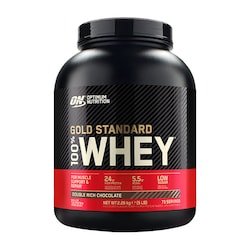
Credit: www.hollandandbarrett.com

Credit: fitspire.online
Frequently Asked Questions
Is Whey Protein Safe For Lactose Intolerant People?
Whey protein isolate is often safe for lactose intolerant individuals. It contains minimal lactose compared to concentrate. Always check labels and start with small amounts to monitor tolerance.
How Much Lactose Is In Whey Protein Concentrate?
Whey protein concentrate contains more lactose than isolate, usually around 3-4%. This amount may cause symptoms in sensitive individuals. Choose isolate or lactose-free options if you are highly intolerant.
Can Lactose Intolerant People Digest Whey Protein Isolate?
Yes, whey protein isolate has most lactose removed. It is generally easier to digest and suitable for many lactose intolerant individuals. However, individual tolerance levels vary.
Are There Lactose-free Alternatives To Whey Protein?
Yes, plant-based proteins like pea, rice, or soy are lactose-free. These alternatives provide protein without causing lactose intolerance symptoms. They are suitable substitutes for whey protein.
Conclusion
Whey protein can be safe for many with lactose intolerance. Choose whey isolate, as it has less lactose. Always check the label for lactose content. Some people may still feel discomfort. Try small amounts first to see your reaction. Other protein options like plant-based powders also work well.
Listen to your body and adjust accordingly. Stay informed and enjoy your fitness journey with the right protein.


