
Have you ever wondered how long it takes for whey protein to digest after you drink it? Understanding this can make a big difference in how you plan your meals and workouts.
If you want to get the best results from your protein shakes, knowing the digestion time helps you fuel your body at the right moments. You’ll discover exactly how whey protein works inside your body and why timing matters for your muscle growth and recovery.
Keep reading to find out how to make whey protein work harder for you.

Credit: www.eliteproteins.com
Whey Protein Basics
Whey protein is a popular supplement for muscle growth. It’s derived from milk during cheese production.
It is quickly absorbed by the body, making it ideal for post-workout recovery. Different types of whey protein offer various benefits.
Types Of Whey Protein
There are three main types of whey protein: concentrate, isolate, and hydrolysate. Each type varies in protein content and processing.
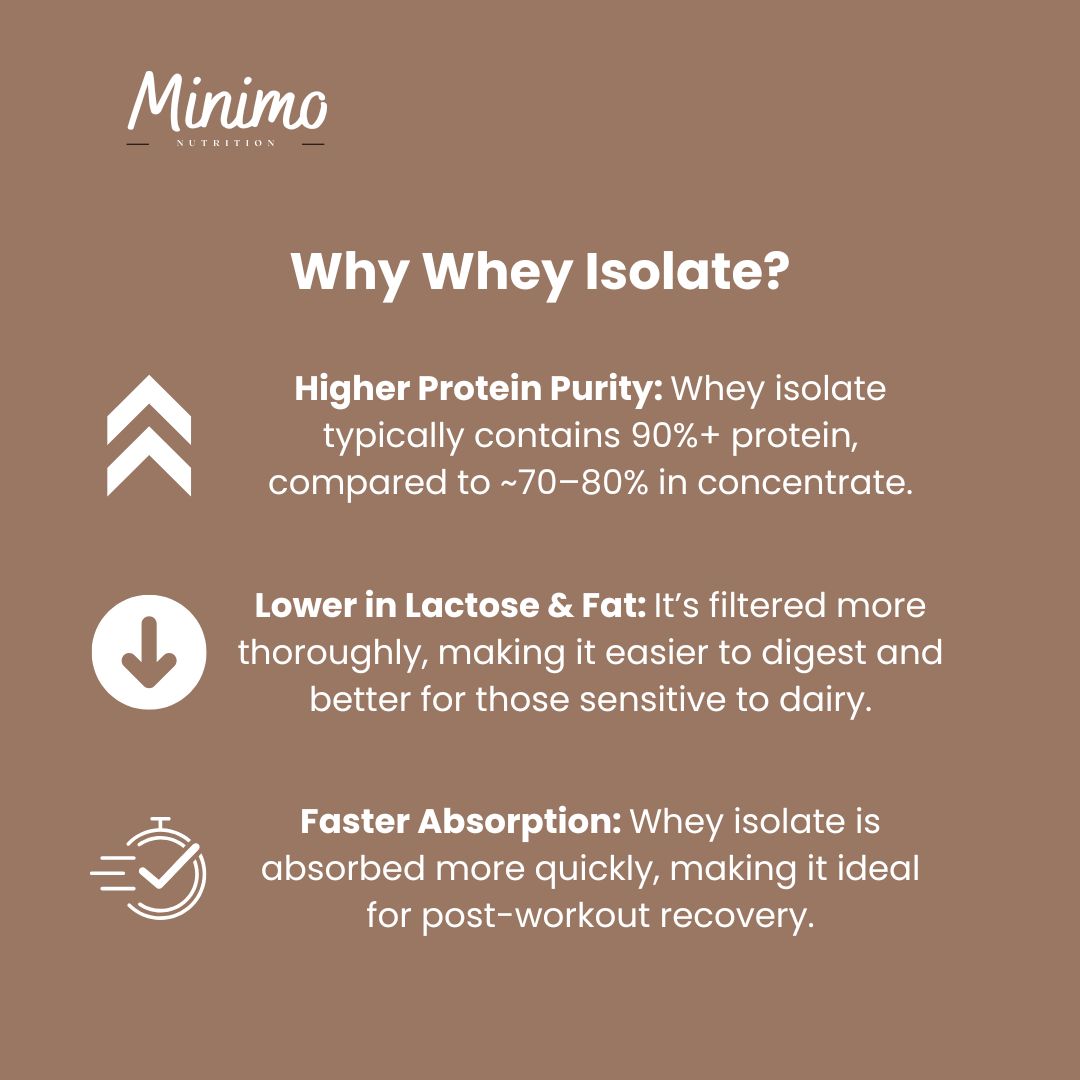
- Whey Protein Concentrate: Contains some fat and lactose, with 70-80% protein content.
- Whey Protein Isolate: Almost pure protein, with over 90% protein content and little to no fat.
- Whey Protein Hydrolysate: Pre-digested for faster absorption, often used in medical protein supplements.
Nutritional Profile
Whey protein provides essential amino acids that the body needs. It is a complete protein, meaning it contains all nine essential amino acids.
| Component | Amount |
| Protein | 20-30 grams per serving |
| Calories | 100-150 per serving |
| Carbohydrates | 1-5 grams per serving |
| Fats | 1-3 grams per serving |
Whey protein is rich in leucine, an amino acid that promotes muscle synthesis. It supports muscle repair and growth, especially after exercise.

Credit: www.reddit.com
Digestion Timeline
Whey protein is a popular supplement for muscle growth and recovery. Understanding how long it takes to digest helps you plan meals and workouts.
The digestion time depends on how your body breaks down and absorbs whey protein compared to other proteins.
Initial Breakdown Process
The digestion of whey protein starts in your stomach. Enzymes like pepsin break the protein into smaller parts called peptides.
This process usually takes about 20 to 30 minutes after eating or drinking whey protein. The stomach acid helps in breaking it down quickly.
- Whey protein enters the stomach
- Stomach acid and pepsin start breaking it down
- Protein turns into smaller peptides
Absorption Speed Compared To Other Proteins
Whey protein absorbs faster than many other protein types. It reaches the small intestine quickly where nutrients are absorbed into the bloodstream.
Casein protein digests slower, taking several hours. Meat and plant proteins also take longer to break down.
| Protein Type | Digestion Time |
|---|---|
| Whey Protein | 1 to 2 hours |
| Casein Protein | 6 to 7 hours |
| Meat Protein | 3 to 4 hours |
| Plant Protein | 3 to 4 hours |
Factors Affecting Digestion
Whey protein digestion speed varies from person to person. Many factors change how fast your body breaks down whey protein.
Understanding these factors helps you know when your body gets nutrients from whey protein.
Meal Composition
The types of food you eat with whey protein change digestion time. Fat and fiber slow digestion. Carbs and liquids speed it up.
A meal high in fat or fiber makes whey protein stay longer in your stomach. This slows absorption.
- High fat meals slow digestion
- Fiber-rich foods delay absorption
- Carbohydrates help speed digestion
- Drinking whey with water or juice quickens digestion
Individual Metabolism
Each person’s metabolism affects how fast whey protein digests. People with fast metabolism break it down quicker.
Age, genetics, and health also play a role. Younger and healthier people usually digest protein faster.
- Faster metabolism means quicker digestion
- Older age may slow digestion
- Genetics influence metabolic rate
- Health conditions can affect digestion speed
Exercise Influence
Physical activity affects how your body digests whey protein. Exercise can increase digestion speed by raising blood flow.
After exercise, your body absorbs protein faster to help muscle recovery and growth.
- Exercise boosts blood flow to muscles
- Faster nutrient absorption after workouts
- Active people digest protein quicker
- Rest days may slow digestion slightly
Benefits Of Fast Digestion
Whey protein digests quickly compared to other proteins. This fast digestion helps your body use protein faster.
Quick protein digestion supports muscle repair and improves how your body absorbs nutrients.
Muscle Recovery
Fast digestion means amino acids reach muscles quickly. This speeds up the repair of muscle fibers after exercise.
Quick protein availability helps reduce muscle soreness and supports faster strength gains.
Nutrient Uptake
When whey protein digests fast, your body absorbs nutrients more efficiently. This gives your body what it needs sooner.
Better nutrient uptake supports overall health and helps maintain energy levels throughout the day.
Common Myths
People often wonder how long whey protein takes to digest. There are many myths about this topic.
Understanding the facts helps you use whey protein better for your health and fitness goals.
Whey Protein And Weight Gain
Some believe whey protein causes weight gain quickly. Whey protein alone does not make you fat.
Weight gain happens if you eat more calories than you burn, not just from protein.
- Whey protein helps build muscle, not fat.
- Eating too much food overall causes weight gain.
- Protein can help you feel full and reduce overeating.
Digestive Issues
Some people think whey protein causes stomach problems. This is not always true.
Whey protein digests fast but may bother some with lactose intolerance or allergies.
- Whey isolate has less lactose and may be easier to digest.
- Drinking enough water helps digestion.
- If you feel bloated, try smaller servings or different protein types.
Credit: explosivewhey.com
Optimizing Whey Protein Intake
Whey protein is a fast-digesting protein that helps your muscles recover. Knowing how long it takes to digest can improve your results.
Proper timing and food combinations can make whey protein more effective for your body.
Timing Strategies
Whey protein usually digests within 1 to 2 hours. This quick digestion helps your muscles get nutrients fast.
For best results, consume whey protein after workouts. Your body needs protein to repair muscles at this time.
- Take whey protein within 30 minutes after exercise
- Use whey protein as a quick snack between meals
- Avoid taking whey protein right before sleep for slower digestion
Combining With Other Foods
Mixing whey protein with other foods can slow digestion. This helps keep your muscles fueled longer.
Adding fats or fiber-rich foods can reduce the digestion speed of whey protein.
- Combine whey with fruits like bananas or berries for fiber
- Add healthy fats like nuts or peanut butter
- Mix whey protein into oatmeal for slower digestion
Frequently Asked Questions
How Long Does Whey Protein Take To Digest?
Whey protein typically digests within 1 to 2 hours after consumption. It is a fast-absorbing protein, making it ideal for post-workout recovery and muscle repair.
Does Digestion Time Vary By Whey Protein Type?
Yes, isolate digests faster than concentrate due to lower fat and lactose content. Hydrolysate digests the quickest because it is pre-digested for rapid absorption.
How Does Digestion Affect Muscle Recovery Time?
Faster digestion means quicker amino acid delivery to muscles. This accelerates muscle repair and growth after exercise, enhancing recovery and performance.
Can Digestion Speed Impact Protein Absorption Efficiency?
Yes, rapid digestion enhances amino acid availability but may reduce absorption if too fast. Balanced digestion ensures optimal protein uptake and muscle synthesis.
Conclusion
Whey protein digests quickly, usually within 1 to 2 hours. This makes it ideal after workouts to help muscles recover fast. Digestion speed can vary by person and meal size. Drinking whey on an empty stomach speeds absorption. Combining whey with other foods may slow digestion a bit.
Knowing how long whey takes helps plan meals better. Use this info to support your fitness and health goals. Simple and easy.


