

Have you ever felt sick or uncomfortable after drinking whey protein? You’re not alone.
Many people experience nausea, bloating, or stomach pain after using this popular supplement. But why does whey protein make you feel this way? Understanding the reasons behind these reactions can help you avoid discomfort and still enjoy the benefits of protein.
Keep reading to discover what might be causing your symptoms and how you can fix them. Your body deserves to feel good, and the right knowledge can make all the difference.

Credit: www.myeczemateam.com
Common Digestive Issues
Many people feel sick after drinking whey protein. It can cause stomach problems for several reasons.
Understanding why this happens can help you choose the right protein supplement. Here are some common reasons whey protein might upset your stomach.
Lactose Intolerance
Lactose intolerance means your body cannot digest lactose, a sugar in milk. Whey protein has lactose, which can cause gas and bloating.
If you are lactose intolerant, you might feel sick after consuming whey protein. It is important to know if lactose is the issue.
- Gas and bloating
- Stomach cramps
- Diarrhea
Milk Protein Allergy
Milk protein allergy is different from lactose intolerance. It involves an immune reaction to proteins in milk, like whey and casein.
Signs of an allergy can include hives, itching, and stomach pain. If you think you have a milk protein allergy, consult a doctor.
- Hives or rash
- Itching
- Swelling
Sensitivity To Additives
Some whey protein powders have additives like artificial flavors or sweeteners. These can upset your stomach if you are sensitive to them.
Read the label to check for ingredients that might cause issues. Choosing a simpler product may help.
- Artificial flavors
- Sweeteners
- Preservatives
How Whey Protein Affects The Gut
Whey protein is popular for building muscle and staying healthy. Some people feel sick after taking it. This happens because whey protein can change how the gut works.
The gut is a complex system that breaks down food and absorbs nutrients. Whey protein can impact this system in different ways.
Impact On Gut Flora
Gut flora means the good bacteria living in your intestines. These bacteria help digest food and keep your gut healthy. Whey protein can change the balance of these bacteria.
Too much whey protein may feed some bacteria more than others. This can cause gas, bloating, or stomach pain. A change in gut flora might make you feel sick after taking whey.
- Whey protein can increase harmful bacteria growth.
- It may reduce the number of helpful bacteria.
- Imbalanced gut flora can cause discomfort and sickness.
Digestive Enzyme Deficiency
Digestive enzymes help break down whey protein into smaller parts. Some people do not produce enough of these enzymes. This makes it hard to digest whey protein fully.
When whey protein is not digested well, it can cause nausea, cramps, or diarrhea. This enzyme problem is common with people who have lactose intolerance.
- Lack of enzymes slows protein digestion.
- Undigested protein can irritate the gut lining.
- Symptoms include stomach pain and feeling sick.
Role Of Dosage And Timing
The amount and timing of whey protein intake affect how your gut reacts. Taking too much whey at once can overload your digestive system.
Taking whey protein on an empty stomach may cause discomfort. Spreading doses throughout the day helps your gut handle it better.
- Large doses can cause bloating and nausea.
- Taking whey with food eases digestion.
- Small, frequent doses reduce gut problems.
Types Of Whey Protein
Whey protein comes in different forms. Each type has unique features and effects on the body.
Knowing the types helps explain why whey protein might make some people feel sick.
Concentrate Vs Isolate
Whey concentrate has more fat and lactose. It contains about 70-80% protein.
Isolate has less fat and lactose. It has about 90% or more protein.
- Concentrate may cause stomach upset in lactose-sensitive people.
- Isolate is easier to digest due to lower lactose.
- Both have good protein but differ in purity and lactose content.
Hydrolyzed Whey
Hydrolyzed whey is broken down into smaller pieces. This helps the body absorb it faster.
This type may reduce allergic reactions and stomach issues. It is often used in medical protein powders.
- Hydrolyzed whey digests quickly.
- It may cause less bloating or sickness.
- It can taste bitter due to the breakdown process.
Choosing The Right Type
Pick whey protein based on your digestion and health needs. If lactose bothers you, try isolate or hydrolyzed whey.
Read labels for lactose content. Start with small amounts to see how your body reacts.
- Concentrate: Best for those without lactose issues.
- Isolate: Good for lactose intolerance or sensitive stomachs.
- Hydrolyzed: Ideal for quick digestion and less discomfort.
Hidden Ingredients In Whey Products
Whey protein can sometimes cause discomfort or sickness. This may be due to ingredients hidden in the product.
Many whey protein powders contain additives that can upset your stomach or cause reactions. Knowing these hidden ingredients helps you avoid feeling sick.
Artificial Sweeteners
Artificial sweeteners are added to whey protein to improve taste without sugar. Some people do not digest these sweeteners well.
Common artificial sweeteners include sucralose, aspartame, and acesulfame potassium. These can cause nausea, bloating, or diarrhea.
- Sucralose
- Aspartame
- Acesulfame potassium
- Sorbitol and other sugar alcohols
Fillers And Thickeners
Fillers and thickeners make whey protein powder mix better. They can also cause digestive issues for some people.
Ingredients like xanthan gum, carrageenan, and cellulose are common fillers. These may cause gas, bloating, or stomach pain.
- Xanthan gum
- Carrageenan
- Cellulose
- Maltodextrin
Potential Allergens
Whey protein comes from milk, which can cause allergies or intolerance. Some whey products may have other allergens.
Common allergens include lactose, soy lecithin, and gluten contamination. These can trigger sickness in sensitive people.
- Lactose (milk sugar)
- Soy lecithin (common emulsifier)
- Gluten (cross-contamination risk)
- Egg or nuts (rare additives)
How To Identify Your Trigger
If whey protein makes you feel sick, it is important to find out why. Identifying the cause helps you avoid discomfort. You can learn what in whey protein causes your reaction.
Tracking your food and symptoms carefully can reveal patterns. This makes it easier to find your trigger and manage your health better.
Keeping A Food Diary
Write down everything you eat and drink each day. Note the time you consume whey protein and any symptoms you feel. This helps spot links between food and sickness.
Include details like the type of whey protein and how much you take. Record symptoms like nausea, stomach pain, or bloating. This information is useful for finding patterns.
- Track meal times and portions
- Write down symptoms and their severity
- Note other foods eaten the same day
- Record any medicines or supplements
Elimination Diet Approach
Stop eating whey protein for a few weeks. See if your symptoms improve during this break. If you feel better, whey protein might be the cause of sickness.
Slowly add whey protein back into your diet. Watch closely for any return of symptoms. This helps confirm if whey protein or something else causes your problems.
- Remove whey protein for 2-4 weeks
- Keep a symptom diary during this time
- Reintroduce whey protein in small amounts
- Observe your body’s response carefully
Consulting A Healthcare Professional
Talk to a doctor or dietitian if you feel sick after whey protein. They can help test for allergies or intolerances. They also give advice on safe alternatives.
A professional can guide you through tests and diet changes. They help find the exact cause and support your health safely.
- Discuss your symptoms and food diary
- Ask about allergy or intolerance tests
- Get advice on supplements and nutrition
- Follow professional guidance for recovery
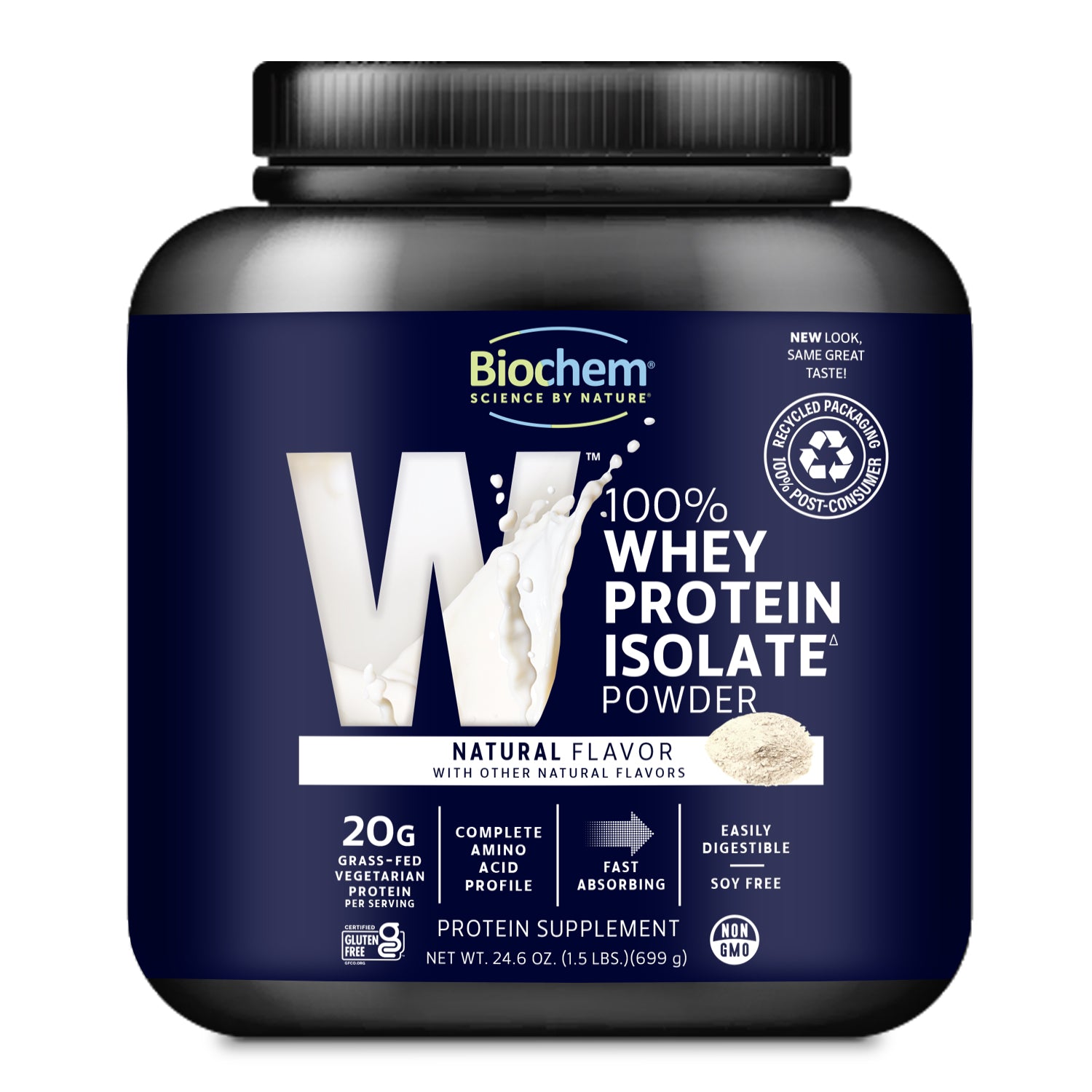
Credit: biochemprotein.com
Alternatives To Whey Protein
Whey protein can cause discomfort for some people. It may lead to nausea, bloating, or stomach pain. This happens due to lactose intolerance or milk allergies.
You can find many other protein options. These choices can help you avoid feeling sick. They also support muscle growth and recovery.
Plant-based Proteins
Plant proteins come from sources like beans, nuts, and seeds. They are good for those who avoid dairy or animal products. Plant proteins usually digest well and cause fewer stomach issues.
Common plant proteins include soy, rice, and hemp protein powders. These provide essential amino acids needed for muscle repair.
- Soy protein has a complete amino acid profile
- Rice protein is hypoallergenic and easy to digest
- Hemp protein contains healthy fats and fiber
Egg And Pea Protein
Egg white protein is a dairy-free option with high-quality protein. It is gentle on the stomach and low in fat. Pea protein is another good choice that comes from yellow peas.
Both egg and pea proteins support muscle growth and are less likely to cause allergies. They are popular for people who need a clean, simple protein source.
- Egg protein contains all essential amino acids
- Pea protein is rich in iron and easy to digest
- Both are free from lactose and dairy
Whole Food Protein Sources
Whole foods offer natural protein without additives. They are less processed and easier on the stomach. These foods also provide vitamins and minerals that help your body.
Examples include chicken, fish, eggs, beans, and lentils. Eating whole foods can improve digestion and reduce sickness caused by protein powders.
- Chicken breast is lean and high in protein
- Fish like salmon offers protein and omega-3 fats
- Beans and lentils add fiber and protein
- Eggs provide complete protein and are easy to cook
Tips To Reduce Side Effects
Whey protein can sometimes cause stomach upset or nausea. These side effects happen for different reasons.
You can try simple tips to lessen these problems and enjoy your protein supplement.
Start With Small Doses
Begin with a small amount of whey protein. Your body needs time to get used to it.
Taking too much at once can cause nausea or bloating. Increase the dose slowly over days or weeks.
Stay Hydrated
Drink plenty of water when you take whey protein. Water helps your digestion work better.
Dehydration can make side effects worse, like cramps or stomach pain. Keep a water bottle nearby.
- Drink at least 8 cups of water daily
- Have a glass of water with your protein shake
- Avoid sugary drinks that can upset your stomach
Combine With Balanced Meals
Eat whey protein with meals that have fiber and healthy fats. This helps slow digestion.
Balanced meals reduce chances of feeling sick. Avoid taking protein on an empty stomach.
- Include fruits or vegetables with your protein
- Add nuts or avocado for healthy fats
- Choose whole grains to improve digestion

Credit: www.cnet.com
Frequently Asked Questions
Why Does Whey Protein Cause Nausea Sometimes?
Whey protein can cause nausea due to lactose intolerance or sensitivity. Some people have trouble digesting whey’s milk sugars. Overconsumption or mixing with other foods may also upset the stomach.
Can Lactose Intolerance Make Whey Protein Harmful?
Yes, lactose intolerance can cause bloating, cramps, and sickness after whey protein intake. Choosing lactose-free or isolate whey can reduce symptoms.
How To Avoid Feeling Sick From Whey Protein?
Start with small doses and increase gradually. Drink plenty of water and avoid mixing whey with heavy meals. Choose high-quality or lactose-free whey products.
Is Whey Protein Allergy Different From Intolerance?
Yes, allergy triggers an immune response causing hives or swelling. Intolerance mainly causes digestive issues like gas and nausea.
Conclusion
Whey protein can cause discomfort for many reasons. Some people are lactose intolerant or allergic. Others may react to additives or consume too much at once. Understanding your body’s limits helps avoid sickness. Try smaller amounts or different protein types.
Always read labels carefully and choose quality products. Listen to your body’s signals to stay healthy. This way, you can enjoy protein without problems. Keep experimenting gently to find what suits you best.


