

Are you ready to unlock the secret to a stronger, more sculpted upper body? If you think a traditional barbell bench press is your only option, think again.
Welcome to the world of dumbbell bench pressing, where you can achieve superior muscle activation and balance. Imagine having the flexibility to work out from home or the gym, all while avoiding the awkwardness of a spotter. With dumbbells, you have the power to engage your muscles more effectively, leading to faster gains and a more symmetrical physique.
Curious about how this simple switch can revolutionize your routine? Read on to discover step-by-step instructions, expert tips, and the fascinating science behind why dumbbells might just be your new best friend in the quest for strength.

Credit: uk.style.yahoo.com
Benefits Of Dumbbell Bench Press
The dumbbell bench press is a great exercise to build chest muscles. It uses two separate weights you hold in each hand. This helps improve muscle balance and strength.
Many people choose dumbbells over a barbell because they allow more natural movement. This can reduce the risk of injury and increase muscle activation.
Improves Muscle Balance
Using dumbbells makes each side of your body work independently. This helps fix muscle imbalances between your left and right sides. It also builds strength evenly.
If one side is weaker, dumbbells force it to catch up. This leads to better symmetry and reduces the chance of injury.
Increases Range Of Motion
Dumbbells let your arms move more freely than a barbell. You can lower the weights deeper and press higher. This larger range of motion helps stretch and contract muscles well.
More movement means better muscle growth and flexibility. It also trains your joints to move naturally and safely.
Enhances Stabilizer Muscles
Holding dumbbells requires more control and balance. This activates smaller stabilizer muscles around your chest, shoulders, and arms. These muscles help keep your joints stable during other exercises.
Stronger stabilizer muscles reduce injury risks and improve your performance in sports and daily activities.
Allows Natural Arm Movement
Dumbbells let your arms move in a natural arc. This reduces shoulder strain compared to a fixed barbell path. It feels more comfortable, especially if you have shoulder issues.
Natural movement helps keep your shoulder joints healthy and pain-free during lifting.
Improves Core Activation
Balancing dumbbells on your chest while pressing requires core strength. Your abs and lower back work hard to keep you stable. This improves your overall body control and strength.
A strong core supports better posture and reduces the chance of injuries in other exercises.
Choosing The Right Dumbbells
Picking the right dumbbells is key for a safe and effective bench press. The right weight helps build strength without causing injury.
Consider your current strength and fitness goals before selecting dumbbells. This guide will help you choose wisely.
Know Your Strength Level
Start with lighter dumbbells to test your strength. You should be able to control the weight with good form.
If the dumbbells feel too easy, increase the weight gradually. Avoid weights that cause strain or loss of control.
Choose The Right Weight Range
- Beginners should start with 5 to 15 pounds per dumbbell
- Intermediate lifters may use 15 to 30 pounds
- Advanced users can go beyond 30 pounds, based on strength
Pick weights that let you complete 8 to 12 reps with good form. This range helps build muscle effectively.
Consider Adjustable Vs Fixed Dumbbells
| Type | Advantages | Disadvantages |
| Fixed Dumbbells | Easy to use, durable | Take more space, limited weights |
| Adjustable Dumbbells | Save space, many weight options | More expensive, can be less stable |
Choose the type that fits your space and budget. Both types work well for bench pressing.
Check Dumbbell Grip And Comfort
Look for dumbbells with textured or padded grips. This prevents slipping during your bench press.
Make sure the handles feel comfortable in your hands. Avoid weights with sharp edges or rough surfaces.
Test Dumbbells Before Buying
- Lift the dumbbells to feel their balance
- Check if the weight feels even on both sides
- Try a few bench press reps with light weights
- Ensure the dumbbells do not slip or cause discomfort
Preparing Your Workout Space
Getting ready for a dumbbell bench press starts with setting up your workout area. A clean and safe space helps you focus on your form and avoid injuries.
Organize your equipment and clear enough room to move freely. This preparation makes your workout more efficient and comfortable.
Choose A Flat, Stable Bench
Select a bench that is flat and sturdy. It should not wobble or move during your exercise. A solid bench gives you better support and balance.
Clear The Surrounding Area
Remove any obstacles around your bench. Keep the floor clear of items like bags or shoes to prevent tripping. Make sure you have enough space on both sides for dumbbell movement.
- Move furniture away from your workout zone
- Pick up loose cables or cords
- Ensure a non-slip surface under the bench
- Check lighting to see clearly
Set Up Your Dumbbells
Place your dumbbells close to the bench within easy reach. This helps you start and finish your sets smoothly. Arrange them by weight for quick selection.
| Weight (lbs) | Placement |
| Light | Nearest to your dominant hand |
| Medium | Next to light weights |
| Heavy | Farther from the bench but accessible |
Prepare Safety Measures
Keep safety tools close by. A spotter or a phone can be useful in case of emergency. Use gloves or chalk if your hands sweat.
- Have a workout partner nearby
- Keep a water bottle within reach
- Check dumbbells for damage before use
Proper Body Positioning
Doing a bench press with dumbbells needs the right body position. This helps you lift safely and well.
Focus on how you lie, place your feet, and grip the dumbbells. These details affect your strength and balance.
Lying On The Bench
Lie flat on your back with your head, shoulders, and hips touching the bench. Keep your back slightly arched.
Make sure your shoulder blades are pulled together. This gives you a strong base for lifting the dumbbells.
Foot Placement
Place your feet flat on the floor. Keep them about shoulder-width apart to stay stable.
- Feet flat and firm on the ground
- Maintain balance by spacing feet evenly
- Avoid lifting feet during the lift
Hand Grip
Hold the dumbbells with a firm grip. Your palms should face forward or slightly inward.
| Grip Style | Thumb Position | Benefits |
| Neutral Grip | Thumbs facing each other | Reduces shoulder strain |
| Pronated Grip | Thumbs wrapped around dumbbell | Targets chest muscles more |
Step-by-step Dumbbell Bench Press
The dumbbell bench press is a strong exercise for your chest and arms. It helps build strength and muscle. Using dumbbells gives a good range of motion.
Follow these steps to do the dumbbell bench press safely and correctly. Focus on your form to get the best results.
Starting Position
Lie flat on a bench with your feet on the floor. Hold a dumbbell in each hand. Keep your wrists straight and your arms extended above your chest.
- Keep your back pressed lightly against the bench
- Hold the dumbbells with a firm grip
- Keep your elbows slightly bent to avoid locking
Lowering The Dumbbells
Slowly lower the dumbbells down to your chest. Keep your elbows at about a 45-degree angle from your body. Control the movement to avoid dropping the weights.
| Key Point | Details |
| Speed | Lower slowly for muscle control |
| Elbow Angle | Keep around 45 degrees from torso |
| Depth | Dumbbells should reach chest level |
Pressing Up
Push the dumbbells back up to the starting position. Use your chest muscles to lift the weights. Keep your movement steady and controlled.
- Push dumbbells up until arms are straight
- Do not lock your elbows at the top
- Keep your wrists firm and steady
- Return to the starting position smoothly
Breathing Technique
Breathe in as you lower the dumbbells. Breathe out as you press them up. Keep your breathing steady to maintain strength and focus.
Common Mistakes To Avoid
Doing a bench press with dumbbells can build strength and muscle. It is important to use the right form to stay safe.
Avoid these common mistakes to get the best results and prevent injury.
Using Too Much Weight
Lifting weights that are too heavy can cause poor form. This increases the risk of injury and reduces workout effectiveness.
Start with lighter dumbbells and increase weight slowly as you get stronger.
Not Keeping Wrists Straight
Bending your wrists during the press puts stress on them. This can lead to wrist pain or injury.
Keep your wrists straight and aligned with your forearms throughout the exercise.
Allowing Dumbbells To Drift Apart
Letting the dumbbells move too far from your body reduces chest activation. It also makes the exercise less stable.
Keep the dumbbells close together and under control to target your chest muscles better.
Arching Your Back Excessively
Arching your lower back too much puts strain on your spine. This can cause pain or injury over time.
Keep your back flat on the bench or with a natural, small arch. Engage your core for support.
Bouncing Dumbbells Off Your Chest
Using momentum by bouncing dumbbells off your chest can cause injury. It also lowers the workout quality.
Lower the dumbbells slowly and with control. Focus on muscle tension, not speed.
Not Using Full Range Of Motion
Stopping short of a full press limits muscle growth. It also reduces flexibility and strength gains.
Lower the dumbbells until your elbows are just below the bench level. Press up fully without locking your elbows.
Incorporating Variations
Changing your bench press routine with dumbbells can help you target different muscles. Using different angles and movements improves strength and muscle growth.
Below are some common variations to include in your workouts. Each one works your chest and arms in unique ways.
Incline Dumbbell Bench Press
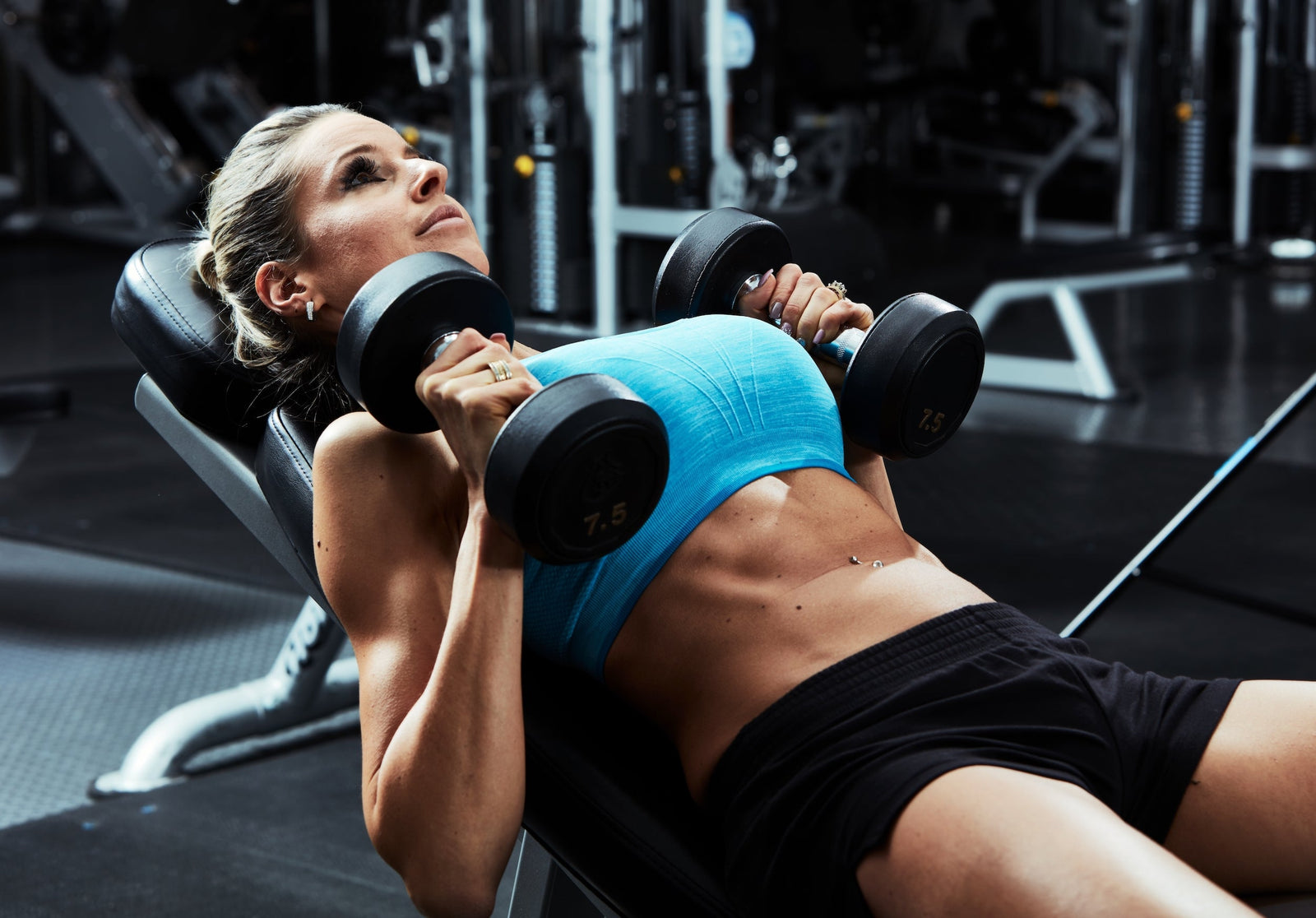
The incline press targets the upper chest and shoulders more than the flat bench. Set your bench at a 30 to 45-degree angle. Hold a dumbbell in each hand and press upward.
- Lie back on an incline bench
- Hold dumbbells at shoulder height
- Press dumbbells up until arms are straight
- Lower slowly back to start position
- Keep your feet flat on the floor
Decline Dumbbell Bench Press
The decline press works the lower chest muscles. Adjust the bench so your head is lower than your hips. Press the dumbbells upward and bring them down slowly.
| Step | Action |
|---|---|
| 1 | Lie on a decline bench with dumbbells in hand |
| 2 | Start with dumbbells near your chest |
| 3 | Push dumbbells up until arms are straight |
| 4 | Lower dumbbells in a controlled motion |
| 5 | Keep your feet secured under the pads |
Alternating Dumbbell Press
This variation helps improve balance and muscle coordination. You press one dumbbell at a time while keeping the other arm steady.
To perform the alternating press:
- Lie on a flat bench holding dumbbells at chest level
- Press one dumbbell up while keeping the other at start
- Lower the dumbbell back down slowly
- Repeat with the other arm
- Keep your core tight and back flat on the bench
Safety Tips And Spotting
Doing a bench press with dumbbells can build your chest muscles safely. It is important to follow safety tips to avoid injury.
Spotting helps you lift heavier weights and prevents accidents. Learn how to spot and stay safe during your exercise.
Use Proper Weight
Choose dumbbells that you can control easily. Avoid weights that are too heavy, which can cause strain or injury.
Start with lighter weights and increase gradually. This helps your muscles get stronger without risk.
Check Your Form
Keep your back flat on the bench and feet on the floor. This position keeps your body stable during the lift.
Lower the dumbbells slowly and with control. Avoid sudden movements that can cause muscle strain.
Have A Spotter Nearby
A spotter stands close to help if you struggle with the weight. They make sure you lift safely and avoid dropping dumbbells.
- Spotter watches your arms and dumbbells
- They help lift if you get stuck
- They keep you motivated and safe
Communicate With Your Spotter
Tell your spotter how many reps you plan to do. Let them know if you need help at any time.
Use clear signals for when you want help or to stop. Good communication prevents accidents and builds trust.
Warm Up Before Lifting
Do light exercises before bench pressing with dumbbells. Warm muscles reduce the chance of injury.
- Stretch your chest and arms
- Do a few warm-up sets with light weights
- Increase weight only after warming up
Use A Stable Bench
Make sure your bench does not wobble or move. A stable bench keeps you balanced and safe during lifts.
Check the bench before you start. Fix any loose parts or use a different bench if needed.
Progress Tracking And Adjustments
Tracking your progress during dumbbell bench presses helps you see your gains. It also shows when to make changes.
Adjustments keep your workouts effective and help avoid plateaus or injuries.
Keep A Workout Journal
Write down the weight, sets, and reps you complete each session. This shows your strength progress over time.
A journal helps you spot patterns and decide when to increase weights or reps.
- Note the dumbbell weight used
- Record how many sets and reps you do
- Include how you feel during the workout
Increase Weight Gradually
When your reps become easy, increase the dumbbell weight slightly. This challenges your muscles to grow.
Small weight increases prevent injury and help steady strength gains.
- Add 2.5 to 5 pounds per dumbbell
- Keep good form with heavier weights
- Focus on controlled, smooth movements
Adjust Reps And Sets
If increasing weight is not possible, try adding more reps or sets. This still improves muscle endurance and strength.
Changing reps and sets keeps your workouts challenging without extra equipment.
- Increase reps by 1 to 3 per set
- Add an extra set if you feel strong
- Rest 60-90 seconds between sets
Use Video Or Photos
Record your form with videos or photos. This helps you see if your technique stays correct as you increase weight.
Good form lowers injury risk and improves workout results.
- Check arm angle during the press
- Watch for controlled movement speed
- Keep your back and shoulders steady
Listen To Your Body
Pay attention to how your body feels after each session. Adjust your workout if you feel pain or extreme fatigue.
Rest days and lighter sessions help your muscles recover and grow stronger.
- Stop if you feel sharp pain
- Use lighter weights if too tired
- Take extra rest days if needed

Credit: www.themanual.com
Credit: swolverine.com
Frequently Asked Questions
How Do I Start A Dumbbell Bench Press Safely?
Begin by lying flat on a bench with a dumbbell in each hand. Keep your feet flat on the floor. Start with light weights to master form. Lower the dumbbells slowly to chest level. Press them upward while exhaling. Maintain controlled, steady movements throughout.
What Muscles Does A Dumbbell Bench Press Target?
This exercise primarily targets the chest muscles or pectorals. It also engages the shoulders, especially the anterior deltoids. The triceps assist in the pressing movement. Using dumbbells requires more stabilization, activating smaller supporting muscles. This helps improve overall upper body strength and balance.
How Many Sets And Reps Are Ideal For Beginners?
Beginners should start with 3 sets of 8 to 12 reps. Choose a weight that challenges you but allows proper form. Rest for 60 to 90 seconds between sets. Gradually increase weight and reps as strength improves. Consistency is key for muscle growth and endurance.
Can Dumbbell Bench Press Improve Muscle Symmetry?
Yes, dumbbells allow each arm to work independently. This helps correct muscle imbalances and asymmetry. It promotes equal strength development on both sides. Unlike barbells, dumbbells require more coordination. This enhances muscle balance and joint stability effectively.
Conclusion
Dumbbell bench press builds chest and arm strength well. Start light to avoid injury and gain control. Keep your movements steady and your back flat. Focus on breathing in as you lower weights down. Push the dumbbells up while exhaling slowly and fully.
Practice often to improve form and increase weight safely. Remember, patience leads to better results over time. Enjoy the process and feel your muscles grow. Simple steps, great results.


