

Are you looking to enhance your workout routine and maximize your gains? If so, you’re in the right place.
Dumbbell rows might just be the game-changer you’ve been searching for. But what exactly do dumbbell rows work, and why should you incorporate them into your fitness regimen? This exercise is more than just lifting weights; it targets key muscle groups that are crucial for building strength and improving posture.
By the end of this article, you’ll have a clear understanding of how dumbbell rows can transform your upper body, giving you the results you’ve been aiming for. Keep reading to discover the secrets behind this powerful exercise and learn how to execute it correctly for optimal benefits. Your path to a stronger, more sculpted back starts here.
Primary Muscles Targeted
Dumbbell rows are a popular exercise for building upper body strength. They mainly work muscles in your back.
This exercise improves posture and helps with pulling movements. Let’s look at the main muscles involved.
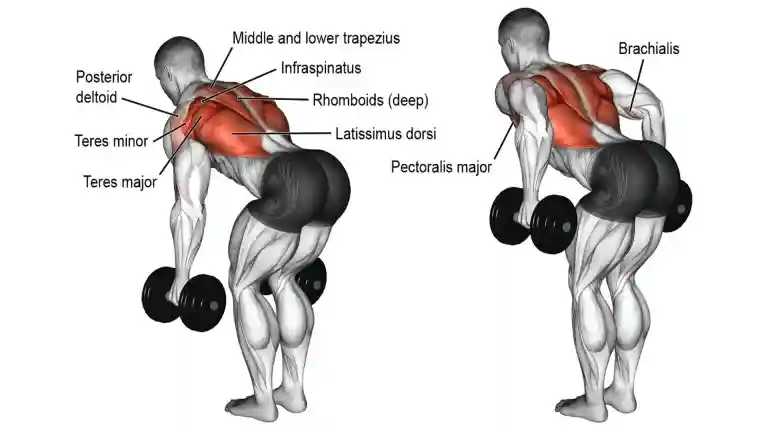
Latissimus Dorsi Activation
The latissimus dorsi, or lats, are the largest muscles in your back. Dumbbell rows target these muscles well.
When you pull the dumbbell up, the lats contract to move your arm down and back.
- Helps widen the back
- Supports shoulder movement
- Improves arm pulling strength
Rhomboids Engagement
The rhomboids are muscles between your shoulder blades. Dumbbell rows make these muscles work hard.
They pull your shoulder blades together as you row the weight toward your body.
- Improves posture by pulling shoulders back
- Stabilizes the shoulder blades
- Supports upper back strength
Trapezius Involvement
The trapezius, or traps, are muscles that run from your neck to mid-back. They help control shoulder movement.
Dumbbell rows engage the traps to lift and stabilize the shoulder during the exercise.
- Supports shoulder lifting
- Helps stabilize the neck and upper back
- Works both upper and middle traps
Credit: medium.com
Supporting Muscles Worked
Dumbbell rows mainly target your back muscles, but they also work several supporting muscles. These muscles help in stabilizing and moving your arms and shoulders.
Understanding which muscles assist in the movement can improve your form and results.
Biceps And Forearms
The biceps and forearms play a big role during dumbbell rows. They help pull the weight toward your body and keep your grip strong throughout the movement.
- Biceps brachii assist in bending the elbow.
- Brachialis helps the biceps in elbow flexion.
- Forearm muscles maintain a firm grip on the dumbbell.
Rear Deltoids
The rear deltoids are located at the back of your shoulders. They help pull your arms backward during the row movement.
| Muscle | Function |
|---|---|
| Rear Deltoid | Pulls the arm backward and stabilizes the shoulder |
| Rotator Cuff | Supports shoulder rotation and stability |
Core Stabilizers
Your core muscles keep your body steady during dumbbell rows. They prevent your torso from twisting or collapsing.
- Rectus abdominis helps keep your spine stable.
- Obliques resist rotation and side bending.
- Lower back muscles support your posture.
Benefits For Strength
Dumbbell rows are a great exercise for building upper body strength. They target muscles in your back, arms, and shoulders.
Using dumbbells helps improve muscle balance and control. This exercise supports your overall strength development.
Improved Upper Back Power
Dumbbell rows focus on the upper back muscles like the lats and rhomboids. Stronger upper back muscles help with pulling movements.
This strength is useful for lifting, climbing, and daily tasks that need upper body power. It also helps prevent injuries.
Enhanced Grip Strength
Holding dumbbells during rows trains your hand and forearm muscles. This makes your grip stronger and more durable.
A better grip helps in many activities like carrying groceries or doing other weight exercises. It also improves your workout performance.
Better Posture Support
Dumbbell rows strengthen the muscles that keep your shoulders back and spine aligned. This support helps improve your posture.
Good posture reduces back pain and makes you look confident. Strong back muscles balance the front muscles, which helps you stand tall.
Credit: www.t3.com
Muscle Growth Factors
Dumbbell rows are a great exercise for building back muscles. Understanding how muscle growth happens can help you get better results. Key factors like overload, reps, and rest affect your gains.
This guide covers important muscle growth factors. You will learn about progressive overload, ideal rep ranges, and why rest is needed.
Progressive Overload Techniques
Progressive overload means increasing workout demands over time. This forces muscles to adapt and grow stronger. You can use different ways to increase the challenge.
- Increase dumbbell weight gradually
- Add more repetitions per set
- Reduce rest time between sets
- Change the tempo of each repetition
- Use a full range of motion
Optimal Rep Ranges
Choosing the right rep range affects muscle growth and strength. Different ranges target different muscle fibers and goals.
| Rep Range | Goal | Effect |
| 1-5 reps | Strength | Builds maximum force |
| 6-12 reps | Muscle Growth | Increases muscle size |
| 13-20 reps | Endurance | Improves muscle stamina |
Rest And Recovery Importance
Muscles need time to heal and grow after workouts. Proper rest helps avoid injury and improves progress.
Tips for good recovery:
- Get 7-9 hours of sleep each night
- Allow 48 hours between heavy back workouts
- Eat protein-rich meals after exercise
- Stay hydrated throughout the day
Common Form Mistakes
Dumbbell rows are great for back strength. Using wrong form can cause injury. It also lowers workout benefits.
Focus on correct posture and movement. This helps you get the best results safely.
Avoiding Swinging Movements
Swinging your body or the dumbbell reduces muscle work. It uses momentum, not strength.
Keep your body steady and controlled. Move the dumbbell slowly and smoothly for best effect.
- Brace your core tightly
- Use a weight you can control
- Focus on slow, steady lifts
Maintaining Neutral Spine
Keep your back straight during the row. Avoid rounding or arching your spine.
A neutral spine protects your lower back. It also helps target the right muscles.
- Look slightly ahead, not down
- Keep your chest up
- Tighten your core to support your back
Proper Elbow Position
Keep your elbow close to your body as you row. Flared elbows reduce the workout’s effectiveness.
Pull the dumbbell toward your waist or lower ribs. This hits the correct back muscles.
- Elbows should move straight back
- Avoid lifting elbows too high or wide
- Focus on squeezing shoulder blades together
Variations To Target Muscles Differently
Dumbbell rows are great for building back strength. Different types of rows work your muscles in unique ways.
Trying different variations helps you focus on specific muscles. It also prevents workout boredom.
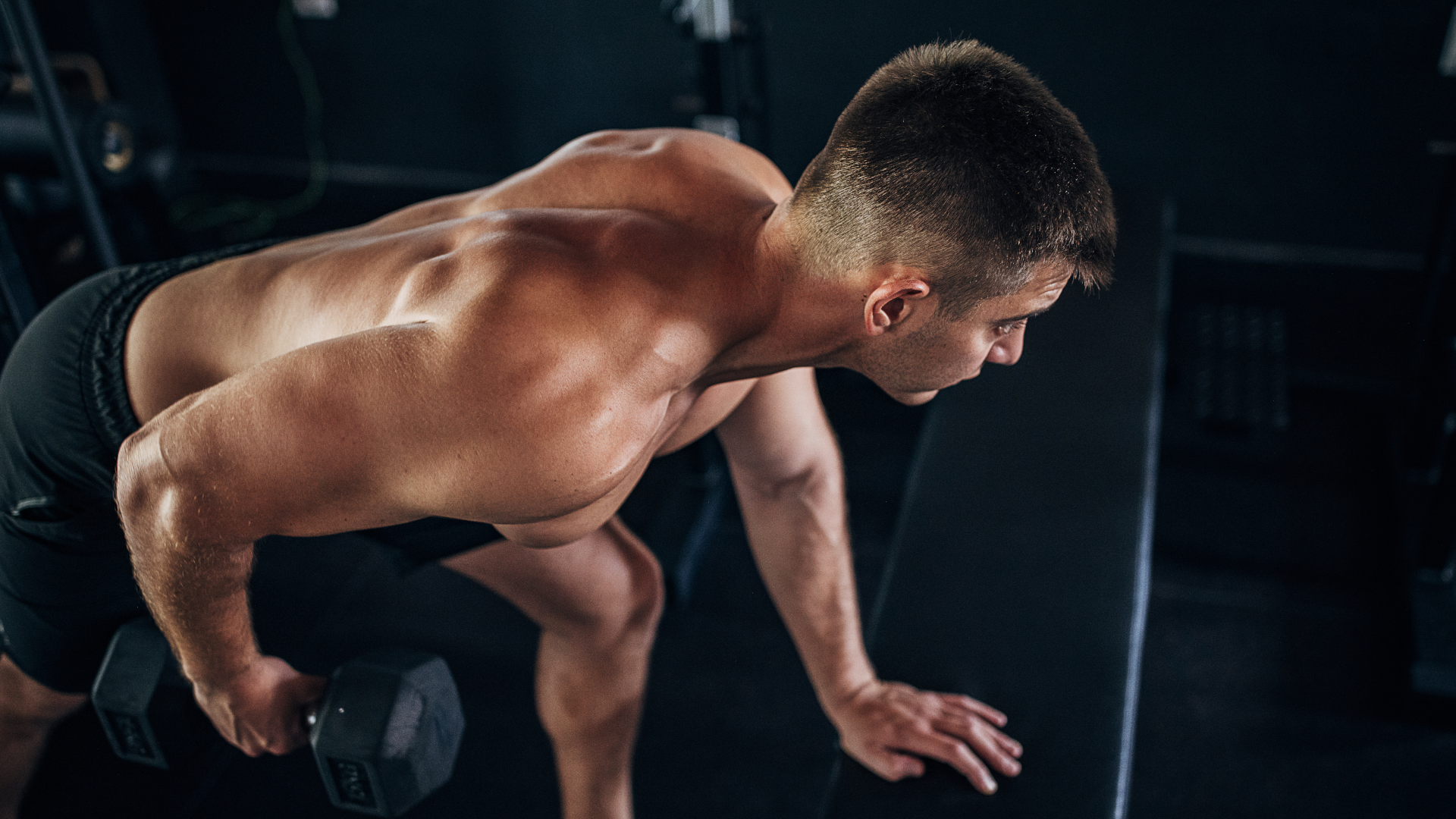
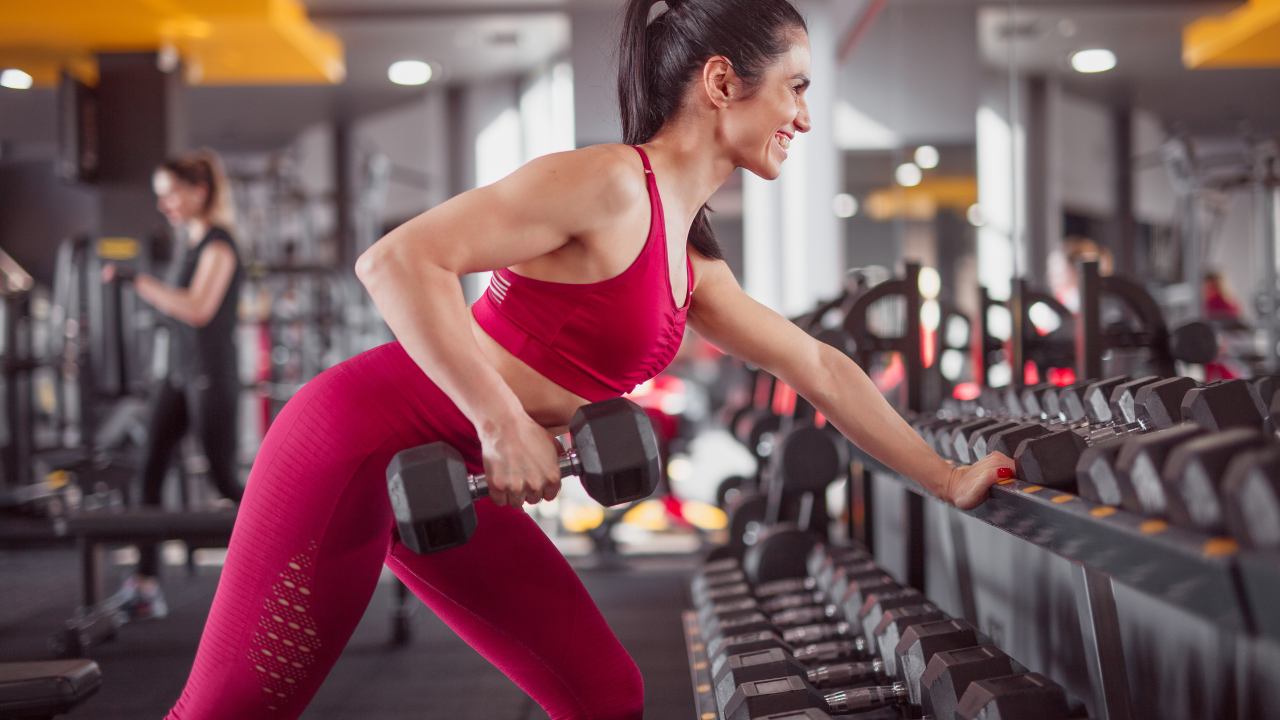
Single-arm Dumbbell Row
This row targets your upper back and lats one side at a time. It helps fix muscle imbalances.
You support your body with one hand on a bench. Pull the dumbbell up with the other arm.
- Focuses on the latissimus dorsi and rhomboids
- Engages core for stability
- Allows a full range of motion
Renegade Row
This exercise works your back and core at the same time. You hold a plank position while rowing.
It improves balance and stability because you lift one dumbbell while keeping your body steady.
- Targets upper back and shoulders
- Strengthens core and stabilizer muscles
- Challenges balance and coordination
Incline Dumbbell Row
This row variation uses an incline bench for support. It reduces strain on your lower back.
You lie face down and pull dumbbells towards your hips. This hits the middle back muscles well.
- Targets the middle trapezius and rhomboids
- Supports the chest and reduces lower back stress
- Allows controlled, smooth motion
Credit: www.healthandme.com
Frequently Asked Questions
What Muscles Do Dumbbell Rows Primarily Target?
Dumbbell rows mainly work the upper back muscles, including the latissimus dorsi, rhomboids, and trapezius. They also engage the biceps and shoulders for stability and pulling motion.
Are Dumbbell Rows Effective For Building Back Strength?
Yes, dumbbell rows are highly effective for increasing back strength. They improve muscle balance and support better posture by targeting key upper back muscles.
How Do Dumbbell Rows Improve Posture?
Dumbbell rows strengthen the upper back muscles that pull the shoulders back. This helps correct rounded shoulders and promotes a straighter, healthier posture.
Can Dumbbell Rows Help With Arm Toning?
Yes, dumbbell rows engage the biceps and forearms during the rowing motion, which helps tone and strengthen the arms alongside the back muscles.
Conclusion
Dumbbell rows build your back muscles and improve posture. They also work your arms and shoulders. This exercise helps increase strength and stability. You can do it at home or in the gym. Using proper form is key for best results.
Try adding dumbbell rows to your workout routine. Enjoy stronger muscles and better balance every day. Simple but effective. Easy to do, hard to beat.


