
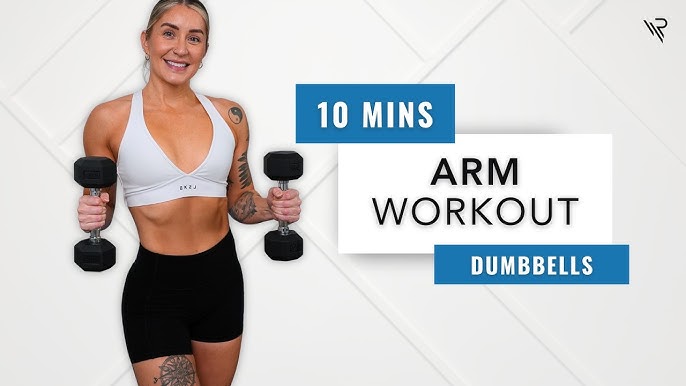
Are you looking to boost your fitness routine without hitting the gym? Discover the simplicity and effectiveness of using dumbbells right at home.
Dumbbells are versatile, easy to handle, and perfect for anyone—from beginners to seasoned fitness enthusiasts. Whether you want to build strength, tone your muscles, or just add some variety to your workouts, dumbbells are your go-to tool. In this guide, you’ll uncover how to use them safely and effectively to achieve your fitness goals.
Get ready to transform your workouts with just a pair of dumbbells and unlock the secrets to a stronger, healthier you. Dive in to learn how you can make the most out of your dumbbell workouts!
Choosing The Right Dumbbells
Picking the right dumbbells is key for effective workouts. The right weights help you build strength safely.
Consider your fitness level and goals before buying dumbbells. This guide explains how to choose them well.
Types Of Dumbbells
Dumbbells come in different styles and materials. Each type suits different exercises and budgets.
- Cast iron dumbbells are solid and long-lasting.
- Rubber-coated dumbbells protect floors and reduce noise.
- Neoprene dumbbells are lightweight and good for beginners.
- Steel dumbbells often have adjustable weights.
Weight Selection Tips
Choose dumbbells with weights that match your strength. Start light and increase gradually.
Select a weight that lets you do 8 to 12 reps with good form. Stop if you feel pain or strain.
- Beginners can start with 5 to 10 pounds.
- Intermediate users may use 10 to 25 pounds.
- Advanced lifters often need 25 pounds or more.
Adjustable Vs Fixed Dumbbells
Fixed dumbbells have a set weight. Adjustable dumbbells let you change the weight as needed.
Adjustable dumbbells save space but cost more. Fixed dumbbells are simple and usually cheaper.
- Fixed dumbbells are good for quick workouts.
- Adjustable dumbbells suit multiple exercises.
- Choose based on budget, space, and workout style.
Basic Dumbbell Exercises
Dumbbells help you build strength at home or in the gym. They allow many exercises for different muscles.
Using dumbbells correctly reduces injury risk and improves results. Try these simple exercises to start.
Bicep Curls
Bicep curls work the front part of your upper arms. Hold a dumbbell in each hand with palms facing forward.
Lift the dumbbells by bending your elbows. Keep your upper arms still and lower the weights slowly.
Shoulder Press
The shoulder press builds your shoulder muscles. Hold dumbbells at shoulder height with palms facing forward.
Push the dumbbells straight up until your arms are extended. Lower them back to the starting position carefully.
Dumbbell Rows
Dumbbell rows strengthen your back muscles. Place one knee and hand on a bench for support.
With your other hand, hold a dumbbell and pull it up toward your waist. Lower it slowly after each pull.
- Keep your back straight during the movement.
- Do equal reps on both arms.
- Control the dumbbell speed to avoid jerks.
Goblet Squats
Goblet squats work your legs and core. Hold one dumbbell close to your chest with both hands.
| Position | Description |
| Feet | Shoulder-width apart, toes slightly out |
| Back | Straight, chest up |
| Squat | Lower hips down and back like sitting in a chair |
| Knees | Track in line with toes, not past them |
| Return | Push through heels to stand up |
Advanced Dumbbell Workouts
Advanced dumbbell workouts help build strength and stability. They challenge your muscles in new ways.
These exercises improve balance, coordination, and power. Use proper form to avoid injury.
Renegade Rows
Renegade Rows work your back, core, and arms. Start in a plank position holding dumbbells. Pull one dumbbell to your waist while balancing on the other arm.
- Keep your body straight and tight
- Pull the dumbbell slowly to control the movement
- Alternate arms evenly to build balance
- Breathe out as you row, breathe in as you lower
Dumbbell Snatch
The Dumbbell Snatch is a fast, full-body movement. It builds power and explosiveness. Start with a dumbbell between your feet. Lift it overhead in one motion.
- Stand with feet shoulder-width apart
- Bend hips and knees to grip the dumbbell
- Explode upward, lifting the dumbbell overhead
- Lock your arm at the top and stabilize
- Lower the dumbbell carefully to the start
Turkish Get-up
The Turkish Get-Up improves strength and mobility. It involves standing up from the floor while holding a dumbbell overhead. Follow the steps carefully.
| Step | Action |
|---|---|
| 1 | Lie on your back holding one dumbbell above you |
| 2 | Bend the knee on the same side, foot flat on the floor |
| 3 | Push up onto your opposite elbow |
| 4 | Lift onto your hand, keeping the dumbbell overhead |
| 5 | Lift your hips off the floor |
| 6 | Sweep your straight leg back to kneel |
| 7 | Stand up fully, keeping the dumbbell steady |
| 8 | Reverse the steps to return to the floor |
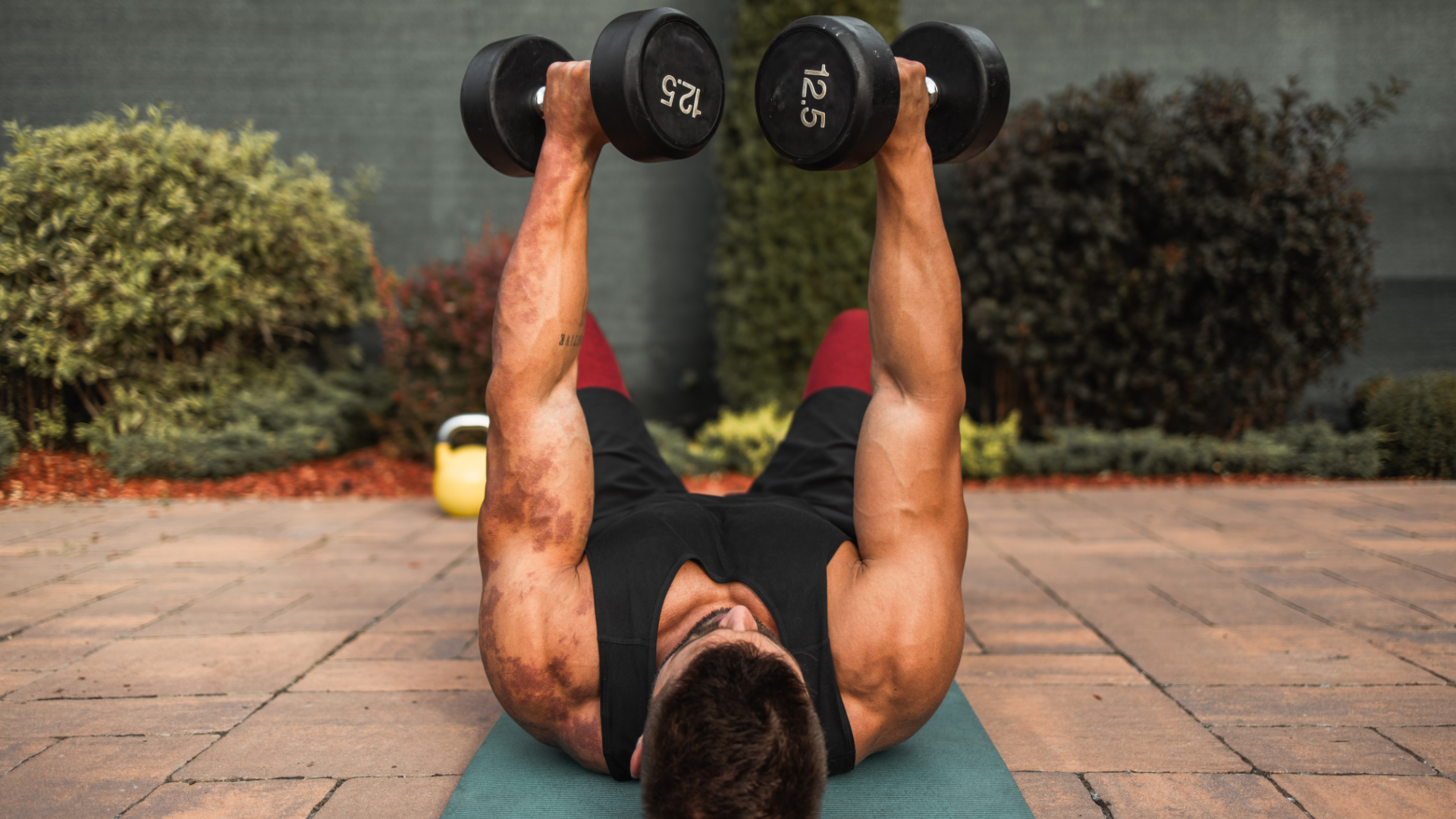
Credit: www.t3.com
Creating A Balanced Routine
Using dumbbells helps build strength and improve fitness. A balanced routine targets different muscle groups.
Focus on exercises that work your upper body, lower body, and full body. This keeps your workout effective and safe.
Upper Body Focus
Upper body workouts use dumbbells to strengthen arms, shoulders, and chest. These exercises improve posture and daily function.
Try to include pushing and pulling movements to work all muscles evenly.
- Bicep curls for arm strength
- Dumbbell shoulder press to build shoulders
- Chest fly to target chest muscles
- Dumbbell rows for back strength
Lower Body Focus
Lower body exercises with dumbbells improve leg and glute strength. Strong legs help with balance and mobility.
Use dumbbells to add resistance and build muscle safely.
- Dumbbell squats to work thighs and glutes
- Weighted lunges for legs and balance
- Deadlifts to target hamstrings and lower back
- Calf raises with dumbbells for calf strength
Full-body Workouts
Full-body workouts with dumbbells train many muscles at once. These exercises save time and increase overall fitness.
Choose moves that combine upper and lower body actions for the best results.
- Dumbbell thrusters: squat then press overhead
- Renegade rows: plank with dumbbell rows
- Dumbbell deadlift to curl: deadlift then curl arms
- Step-up with dumbbells to work legs and arms
Proper Form And Safety Tips
Using dumbbells correctly helps you get stronger safely. Good form protects your muscles and joints.
Learning safety tips reduces the chance of injuries. Follow these guidelines to work out well.
Common Mistakes To Avoid
Many people make errors that cause pain or slow progress. Avoid these common mistakes for better results.
- Lifting weights that are too heavy causes poor form.
- Using momentum instead of muscle control reduces effectiveness.
- Not keeping your back straight can lead to injury.
- Holding your breath increases blood pressure and dizziness.
- Skipping warm-up or cool-down leads to stiffness and soreness.
Warm-up And Cool-down
Warming up prepares your body for exercise. Cooling down helps muscles recover.
- Start with light cardio like walking or jogging for 5 minutes.
- Perform dynamic stretches to loosen your muscles.
- After your workout, do static stretches to relax muscles.
- Breathe deeply during cool-down to lower your heart rate.
Injury Prevention
Prevent injuries by following safety rules during dumbbell exercises.
| Tip | Why It Matters |
| Use proper weight | Avoids strain on muscles and joints |
| Keep wrists straight | Prevents wrist pain and injury |
| Maintain good posture | Protects spine and reduces back pain |
| Rest between sets | Allows muscles to recover and grow |
| Listen to your body | Stops small issues from becoming serious injuries |

Credit: prodiadigital.com
Tracking Progress And Increasing Intensity
Using dumbbells effectively means tracking your progress. It helps you see gains and avoid plateaus. Increasing intensity keeps your muscles challenged.
Focus on reps, sets, and how you perform exercises. Small changes can lead to big improvements over time.
Reps And Sets Strategies
Reps and sets control workout volume. Adjusting them changes your workout effect. Fewer reps with heavier weights build strength. More reps with lighter weights improve endurance.
- Start with 3 sets of 8–12 reps for muscle growth.
- Use 4–6 reps per set to increase strength.
- Try 15–20 reps per set for endurance training.
- Rest between sets for 30 seconds to 2 minutes.
Progressive Overload
Progressive overload means gradually raising workout demands. It forces muscles to adapt and grow stronger. Track your dumbbell weight, reps, and sets.
| Method | Example |
| Increase Weight | Add 2.5 lbs every 2 weeks |
| More Reps | Go from 8 to 12 reps |
| Extra Sets | Add a 4th set to routine |
| Shorter Rest | Reduce rest from 90 to 60 seconds |
Using Tempo For Challenge
Tempo controls how fast you lift and lower dumbbells. Slower tempo increases muscle tension. It makes exercises harder without adding weight.
Try this tempo pattern for each rep:
- 3 secondslowering the dumbbell
- 1 secondpause at the bottom
- 2 secondslifting the dumbbell
- 1 secondpause at the top
Incorporating Dumbbells Into Home Workouts
Dumbbells are a great tool for home workouts. They help build strength and improve fitness.
You can use dumbbells in many ways to make your workouts effective and varied.
Space-saving Tips
Dumbbells do not take much space. You can keep them in small areas at home.
Choose adjustable dumbbells to save room. They replace many fixed weights.
- Use a small rack or shelf to store dumbbells
- Keep dumbbells in a corner or under a table
- Choose weights that fit your workout needs
Combining With Bodyweight Exercises
Bodyweight exercises work well with dumbbells. They add resistance and improve strength.
Try moves like squats, lunges, and push-ups with dumbbells. This increases workout intensity.
- Hold dumbbells while doing squats or lunges
- Add dumbbells to push-ups by placing them on your back
- Use dumbbells for rows and shoulder presses between bodyweight sets
Creating A Home Gym Setup
Set up a small area for your home gym. Include dumbbells and other basic gear.
Keep your space tidy and organized. This helps you stay motivated to exercise.
- Choose a mat for floor exercises
- Store dumbbells on a rack or shelf
- Add a mirror to check your form
- Include a timer or workout app for tracking

Credit: www.ativafit.com
Frequently Asked Questions
What Are The Basic Dumbbell Exercises For Beginners?
Basic dumbbell exercises include bicep curls, shoulder presses, and dumbbell rows. These moves target major muscle groups and build strength safely.
How To Choose The Right Dumbbell Weight?
Select a dumbbell weight that challenges you but allows proper form. Start light and gradually increase as you build strength.
Can Dumbbells Help With Full-body Workouts?
Yes, dumbbells enable full-body workouts. They engage multiple muscles, improve balance, and increase overall strength and endurance.
How Often Should I Train With Dumbbells?
Train with dumbbells 2-4 times per week. Allow rest days to help muscle recovery and avoid injury.
Conclusion
Using dumbbells helps build strength and improve fitness. You can do many exercises for different muscles. Start with light weights and focus on good form. Increase weight slowly to avoid injury. Consistency matters more than speed. Practice regularly and enjoy your progress.
Dumbbells are simple tools that fit any workout plan. Keep your goals clear and stay motivated. Small steps lead to big changes over time. Stay safe and have fun while training.


