
Are you wondering if whey protein will make you gain weight? It’s a common question for anyone trying to build muscle or lose fat.
You might have heard mixed advice and felt confused about what’s true. What if I told you that whether whey protein adds pounds depends on more than just the powder itself? Keep reading to discover the surprising facts about whey protein, how it affects your body, and how you can use it to reach your fitness goals without unwanted weight gain.
Your next step to a healthier, stronger you starts here.

Credit: fitnessmentors.com
How Whey Protein Affects Body Weight
Whey protein is a popular supplement for fitness enthusiasts. It is often associated with muscle growth and weight management.
Understanding how whey protein affects body weight can help in making better dietary choices. Let’s explore its impact on calories, muscle growth, and fat mass.
Calorie Content And Weight Gain
Whey protein contains calories, just like any food. Consuming more calories than the body needs can lead to weight gain.
Each serving of whey protein adds calories to your diet. It’s important to balance these calories with physical activity.
- 1 scoop of whey protein: around 100-120 calories
- Check label for exact calorie content
- Consider daily calorie needs
Protein’s Role In Muscle Growth
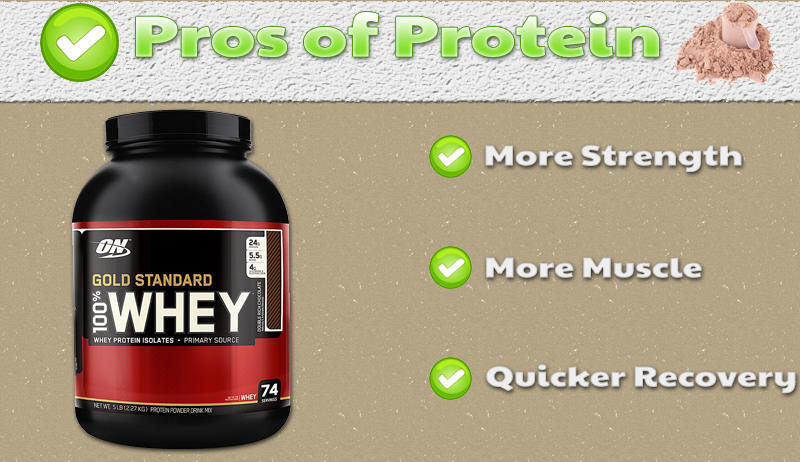
Protein is essential for muscle repair and growth. Whey protein provides the body with necessary amino acids.
Building muscle can increase body weight, but it’s usually healthy weight. Muscles are denser than fat.
- Promotes muscle repair
- Supports muscle building
- Helps maintain lean body mass
Impact On Fat Mass
Whey protein may also affect fat mass. When combined with exercise, it can help reduce body fat.
Replacing high-calorie snacks with whey protein may aid in controlling fat mass. It keeps you full longer.
- May reduce cravings
- Supports fat loss with exercise
- Can be part of a balanced diet
Types Of Whey Protein And Their Effects
Whey protein comes in different types. Each type affects your body in a unique way.
Understanding these types helps you choose the right protein for your goals.
Whey Concentrate Vs Isolate
Whey concentrate has more fat and lactose than isolate. It is less processed and cheaper.
Whey isolate has more protein per serving and less fat and carbs. It suits people who want low fat intake.
- Concentrate has 70-80% protein, more calories
- Isolate has 90%+ protein, fewer calories
- Isolate digests faster than concentrate
Hydrolyzed Whey And Weight Impact
Hydrolyzed whey is broken into smaller pieces. It absorbs quickly and may cause less stomach discomfort.
This type is often used in medical nutrition. It can support muscle growth without adding extra weight.
- Hydrolyzed whey is fast-absorbing protein
- It has fewer fats and carbs
- Good for lean muscle gain and recovery
Factors Influencing Weight Changes
Whey protein is a popular supplement for muscle growth and recovery. Many wonder if it causes weight gain. Weight changes depend on several factors beyond just protein intake.
Understanding these factors helps you manage your weight better while using whey protein.
Diet And Caloric Balance
Your diet and calorie intake affect weight changes when using whey protein. Eating more calories than you burn causes weight gain. Whey protein adds calories to your diet.
Tracking your total calories helps control weight. Protein also helps you feel full, which can reduce overeating.
- Consume protein within your daily calorie goal
- Avoid adding whey protein calories on top of excess food
- Use whey protein to replace less healthy snacks
Exercise And Activity Levels
Exercise influences how your body uses whey protein. Active people burn more calories and build muscle with protein. Less active people may store extra calories as fat.
Regular workouts help whey protein support muscle growth instead of fat gain.
- Strength training helps convert protein into muscle
- Cardio increases calorie burn
- Low activity may lead to weight gain from extra calories
Metabolism Variations
Metabolism affects how your body processes whey protein and calories. People with fast metabolism burn calories quickly. Slow metabolism may cause more calorie storage.
Age, genetics, and health conditions influence metabolism speed and weight changes.
- Faster metabolism burns more calories at rest
- Slower metabolism needs fewer calories to avoid gain
- Adjust protein and calorie intake based on metabolism

Credit: www.gq.com
Common Myths About Whey And Weight
Many people have wrong ideas about whey protein and weight gain. These myths can cause confusion about using whey in diets.
This article explains two common myths about whey protein and weight. Understanding facts helps make better choices.
Whey Protein Causes Fat Gain
Some think whey protein makes you gain fat. This is not true by itself. Whey is a protein source and does not contain fat.
Fat gain happens when you eat more calories than you burn. Whey protein only adds calories if you take too much.
- Whey protein helps build muscle
- Extra calories from any food cause fat gain
- Whey itself has low fat and carbs
Whey Protein Alone Leads To Weight Gain
Many believe whey protein alone causes weight gain. Weight changes depend on overall diet and activity.
Using whey protein as part of a balanced diet does not cause weight gain. It supports muscle growth and recovery.
- Weight gain needs calorie surplus
- Whey protein replaces other protein sources
- Exercise affects how your body uses whey
Best Practices For Using Whey Protein
Whey protein is a popular supplement to support muscle growth and recovery. Using it the right way helps you get good results without unwanted weight gain.
This guide explains how to use whey protein safely and effectively with simple tips.
Timing And Dosage
Taking whey protein at the right time helps your body use it better. Most people take it after workouts to help muscles recover.
The right dosage depends on your weight and goals. Usually, 20 to 30 grams per serving is enough for muscle repair.
- Consume whey protein within 30 minutes after exercise
- Keep servings between 20-30 grams
- Do not exceed your daily protein needs
Combining With Balanced Nutrition
Whey protein works best with a balanced diet. Eat enough carbs, fats, and vitamins to support your health and energy.
Protein supplements should not replace whole foods like meat, beans, or eggs. Use whey as part of your daily meals.
- Include vegetables, fruits, and whole grains daily
- Use whey protein to fill gaps in your diet
- Drink plenty of water to help digestion
Avoiding Excess Calories
Whey protein adds calories to your diet. If you eat too much, you may gain unwanted fat.
Track your total calorie intake and adjust your food and supplements to avoid extra weight.
- Calculate your daily calorie needs
- Count calories from whey protein servings
- Adjust other meals to keep balance

Credit: www.quenchlabz.com
Frequently Asked Questions
Does Whey Protein Cause Weight Gain?
Whey protein itself doesn’t cause weight gain. Weight gain occurs when you consume more calories than you burn. Using whey protein can help build muscle if combined with exercise, which may increase your weight due to muscle mass, not fat.
How Much Whey Protein Leads To Weight Gain?
Consuming excessive whey protein beyond your daily caloric needs can lead to weight gain. It’s essential to balance protein intake with your overall diet and physical activity to avoid unwanted fat gain.
Can Whey Protein Help Gain Muscle Mass?
Yes, whey protein supports muscle growth when paired with strength training. It provides essential amino acids needed for muscle repair and growth, which can increase lean body mass and overall weight healthily.
Is Whey Protein Good For Weight Management?
Whey protein can aid weight management by promoting satiety and preserving muscle during weight loss. It helps control hunger and supports metabolism, making it beneficial for both weight loss and muscle maintenance.
Conclusion
Whey protein can help you gain weight if you eat more calories than you burn. It adds extra protein to support muscle growth. Just taking whey alone won’t cause weight gain. Your overall diet and exercise matter most. Use whey as part of a balanced plan.
Track your calories and stay active. This way, you control your weight goals. Simple and steady efforts work best. Keep your focus on healthy habits daily. Results will follow with patience and care.


