

Are you wondering if whey protein fits into a vegan lifestyle? It’s a question many people ask when trying to boost their nutrition without compromising their values.
You want to build muscle, recover faster, and stay healthy—but is whey protein the right choice for you? Keep reading to discover the truth about whey protein and whether it aligns with your vegan goals. This could change the way you think about your diet and supplements forever.

Credit: good-wolf.com
What Is Whey Protein
Whey protein is a popular supplement for fitness enthusiasts. It helps in muscle recovery and growth.
Whey is derived from milk during cheese production. It contains essential amino acids for the body.
Sources Of Whey Protein
Whey protein comes from the liquid part of milk. It is separated during cheese making.
- Milk from cows
- Cheese production process
- By-product of dairy industry
Types Of Whey Protein
There are three main types of whey protein. Each type has different benefits and uses.
- Whey Protein Concentrate: Contains some fat and lactose
- Whey Protein Isolate: Mostly pure protein, low in fat and lactose
- Whey Protein Hydrolysate: Pre-digested for faster absorption
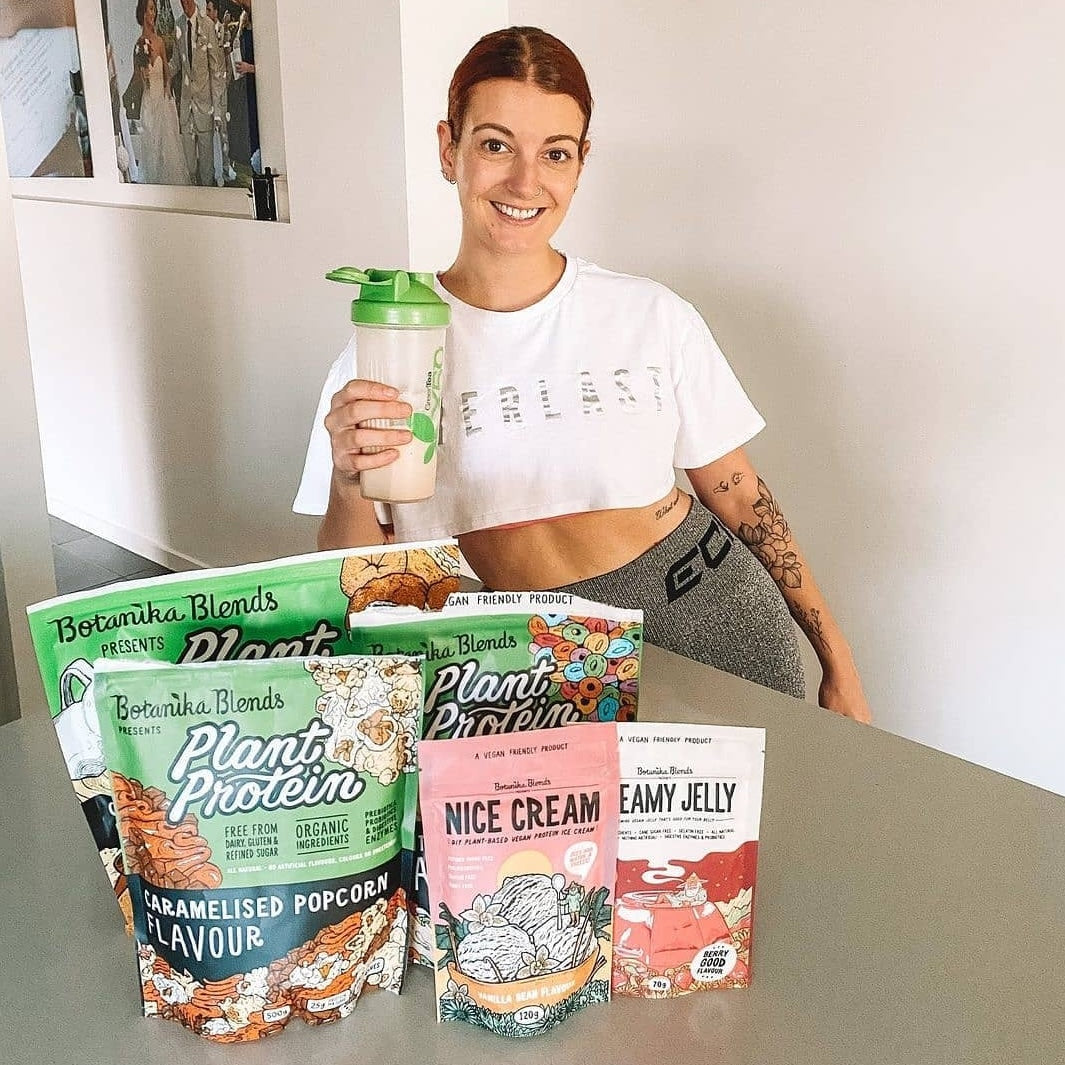
Credit: botanikablends.com.au
Why Whey Protein Isn’t Vegan
Whey protein is a popular supplement for muscle growth. Many people wonder if it is vegan. The answer is no because whey comes from animals.
This article explains why whey protein is not vegan. It shows where whey comes from and how it is made.
Animal Origin Of Whey
Whey is a byproduct of milk. Milk comes from cows, goats, or other mammals. Because milk is an animal product, whey is too.
Whey protein contains parts of the milk that remain after cheese is made. It has animal proteins and is not plant-based.
How Whey Is Produced
Milk is heated and mixed with enzymes to make cheese. The liquid left after curds form is called whey. This liquid contains whey protein.
This whey liquid is then filtered and dried to create whey protein powder. The process uses animal milk at every step.
Common Myths About Whey And Veganism
Many people ask if whey protein is vegan. There are myths about whey and vegan diets. It is important to clear up these ideas. This helps people make good choices for their health and values.
Whey protein is often confused with plant-based proteins. Some also misunderstand how whey is made. Let’s look at these common myths and explain the facts.
Misconceptions About Processing
Some think whey protein is fully natural and vegan because it comes from milk. Whey is a byproduct of cheese making. It comes from animal milk, usually cow’s milk.
The process of making whey protein involves separating it from milk. This means whey protein contains animal ingredients. This makes it not vegan.
- Whey comes from milk, not plants
- Milk is an animal product
- Whey protein contains animal proteins
- Processing does not remove animal origin
Confusion With Plant-based Proteins
Many people confuse whey with plant-based proteins. Plant proteins come from peas, rice, hemp, and soy. These are vegan and do not use animals.
Whey protein is different from plant proteins in source and content. Plant proteins are good options for vegans. Whey is not, because it comes from animals.
- Plant proteins come from seeds and plants
- Examples include pea, rice, hemp, and soy
- Whey protein comes from animal milk
- Plant proteins fit vegan diets
- Whey protein does not fit vegan diets

Credit: www.amazon.com
Popular Vegan Protein Alternatives
Whey protein is not vegan because it comes from milk. Many people choose plant-based proteins instead. These options provide good nutrition without animal products.
Here are some popular vegan protein alternatives that you can try. They come from peas, soy, rice, and hemp plants.
Pea Protein
Pea protein is made from yellow split peas. It has a high protein content and is easy to digest. It is also free from common allergens like gluten and dairy.
Pea protein contains many essential amino acids. It helps build muscle and supports overall health. It is often used in vegan shakes and snacks.
Soy Protein
Soy protein comes from soybeans. It is a complete protein, meaning it has all nine essential amino acids. This makes it a strong choice for vegans.
Soy protein can help with muscle growth and recovery. It is also rich in vitamins and minerals. Many vegan products use soy protein as a base.
Rice And Hemp Protein
Rice protein is made from brown rice. It is hypoallergenic and easy to digest. Though it is not a complete protein, it pairs well with other proteins.
Hemp protein comes from hemp seeds. It has a good balance of amino acids and omega-3 fatty acids. Hemp protein also contains fiber and minerals.
- Rice protein helps improve digestion and energy
- Hemp protein supports heart health and skin
- Combining rice and hemp protein creates a complete protein
Choosing The Right Protein For Your Diet
Choosing the right protein matters for your health and lifestyle. People pick proteins based on diet needs and personal beliefs.
Whey protein is popular but comes from milk. Some wonder if it fits a vegan diet or if plant proteins are better.
Nutritional Benefits Comparison
Whey protein has all essential amino acids. It helps build muscle and recover fast after exercise.
Plant proteins like pea, rice, or soy may lack some amino acids. Mixing them can give a full profile.
- Whey protein: Complete protein, fast absorption
- Pea protein: High in iron, good for digestion
- Soy protein: Contains all amino acids, lowers cholesterol
- Rice protein: Hypoallergenic, easy to digest
Allergies And Sensitivities
Some people are allergic to dairy, so whey protein is not safe for them. It may cause upset stomach or skin issues.
Plant proteins often suit those with dairy allergies. Still, some may react to soy or other plants.
- Whey protein: Not suitable for lactose intolerance or milk allergy
- Soy protein: May cause reactions in soy-sensitive people
- Pea and rice protein: Usually safe for most allergies
Environmental Impact
Whey protein comes from dairy farming, which uses more water and land. It also produces more greenhouse gases.
Plant proteins have a smaller environmental footprint. They need less water and produce fewer emissions.
| Protein Type | Water Use | Land Use | Emissions |
|---|---|---|---|
| Whey Protein | High | High | High |
| Pea Protein | Low | Low | Low |
| Soy Protein | Low | Moderate | Low |
| Rice Protein | Moderate | Moderate | Low |
Incorporating Vegan Proteins Into Your Routine
Whey protein is not vegan because it comes from milk. Many people choose plant-based proteins instead. These proteins come from plants and fit a vegan diet well.
Adding vegan proteins to your meals helps your body get the nutrients it needs. You can find many tasty and easy ways to include these proteins every day.
Meal Ideas
Use beans, lentils, tofu, and quinoa in your meals. These foods provide good protein and taste great. Try making stir-fries, salads, or soups with them.
- Chickpea and spinach curry
- Tofu scramble with vegetables
- Quinoa salad with black beans and corn
- Lentil soup with carrots and celery
- Peanut butter and banana smoothie
Supplement Tips
Choose vegan protein powders like pea, rice, or hemp protein. They mix well in shakes or oatmeal. Check the label to avoid animal ingredients.
Take supplements to reach your daily protein goal if meals fall short. Use a blender for smooth drinks. Store powders in a cool, dry place.
- Mix pea protein powder with almond milk
- Add rice protein to fruit smoothies
- Use hemp protein in baking recipes
- Check for added sugars or fillers
- Start with small doses to test tolerance
Frequently Asked Questions
Is Whey Protein Suitable For Vegans?
No, whey protein is derived from milk, making it unsuitable for vegans. Vegans avoid all animal-based products, including dairy.
What Are Good Vegan Protein Alternatives?
Good vegan alternatives include pea, hemp, rice, and soy protein powders. These plant-based proteins provide essential amino acids without animal ingredients.
Can Vegans Build Muscle Without Whey Protein?
Yes, vegans can build muscle using plant-based proteins combined with a balanced diet. Proper nutrition and training are key for muscle growth.
Why Is Whey Protein Not Considered Vegan?
Whey is a dairy byproduct from cheese production. Since it comes from animals, it does not meet vegan dietary standards.
Conclusion
Whey protein comes from milk, so it is not vegan. Vegans avoid animal products, including dairy. Plant-based protein powders offer good alternatives. Pea, rice, and hemp proteins work well. Choosing the right protein depends on your diet and goals. Always check labels to ensure products fit your needs.
Eating a balanced diet helps you stay healthy. Protein is important, but many sources exist for everyone. Keep exploring options that match your lifestyle.


