

Are you tired of feeling uncomfortable and bloated after every meal? Gas and bloating can disrupt your day and leave you searching for relief.
You might have heard that probiotics can help, but do they really work? Understanding how probiotics affect your digestive system could be the key to finally easing that uncomfortable pressure. Keep reading to discover how probiotics might change the way you feel—and what you can do right now to find comfort.

Credit: www.amazon.com
What Are Probiotics?
Probiotics are live bacteria and yeasts that are good for your health. They help keep your gut healthy and balanced.
These tiny organisms live naturally in your intestines. Eating foods or supplements with probiotics can add more good bacteria.
How Probiotics Work In Your Gut
Probiotics help balance the good and bad bacteria in your gut. This balance supports digestion and overall health.
They can also help reduce harmful bacteria that cause problems like gas and bloating. This helps your stomach feel better.
Common Sources Of Probiotics
You can get probiotics from some foods and drinks. Yogurt and fermented foods often contain live probiotic cultures.
- Yogurt with live cultures
- Kefir, a fermented milk drink
- Sauerkraut and kimchi
- Tempeh and miso
Types Of Probiotic Bacteria
There are many strains of probiotics. The most common are Lactobacillus and Bifidobacterium.
Each type works differently. Some help digestion, while others improve immune health or reduce bloating.
| Probiotic Strain | Common Benefit |
|---|---|
| Lactobacillus | Helps digest lactose and reduce diarrhea |
| Bifidobacterium | Supports immune system and gut health |
Credit: globalnews.ca
Causes Of Gas And Bloating
Gas and bloating happen when your digestive system traps air or gas. This can make your stomach feel full and uncomfortable.
Many things cause gas and bloating. Understanding these causes can help you manage your symptoms better.
Swallowing Air
Swallowing air adds extra gas to your digestive system. This can happen when you eat or drink too fast.
Chewing gum, smoking, and drinking through a straw also increase swallowed air. This air builds up and causes bloating.
Certain Foods
Some foods produce more gas when digested. Foods high in fiber or sugar can cause more gas and bloating.
- Beans and lentils
- Broccoli and cabbage
- Onions and garlic
- Sugary drinks and artificial sweeteners
Food Intolerances
Your body may not digest some foods well. This can lead to gas and bloating. Lactose intolerance is a common example.
When undigested food reaches the large intestine, bacteria break it down and release gas. This causes discomfort.
Digestive Disorders
Conditions like irritable bowel syndrome (IBS) or celiac disease can cause gas and bloating. These disorders affect digestion.
When your digestive system does not work properly, gas builds up and causes pain and swelling.
Constipation
When stool stays too long in your colon, it can cause gas to build up. This leads to bloating and discomfort.
Constipation slows down digestion and traps gas inside the intestines, causing pressure and swelling.
Hormonal Changes
Hormone shifts during menstruation can slow digestion. This leads to more gas and bloating for many women.
These changes affect how your gut moves food, which can cause trapped gas and swelling.
Role Of Gut Microbiota
Gut microbiota consists of many tiny living things in the intestines. These microbes help digest food and keep the gut healthy.
They play a key role in how the body processes food and can affect gas and bloating symptoms.
What Is Gut Microbiota?
Gut microbiota is a group of bacteria, viruses, and fungi living inside the digestive tract. They help break down food and produce vitamins.
The balance of these microbes is important for good digestion and avoiding discomfort like gas and bloating.
How Gut Microbiota Affects Gas And Bloating
Some gut bacteria produce gas when they digest certain foods. Too much gas can cause bloating and pain.
- Fermentation of fibers by bacteria creates gas
- Imbalance in gut microbes may increase gas production
- Healthy bacteria help reduce harmful gas buildup
Probiotics And Gut Microbiota
Probiotics are good bacteria that can improve the balance of gut microbes. They may help reduce gas and bloating by aiding digestion.
| Probiotic Benefits | Effect on Gas and Bloating |
| Restores healthy bacteria | Reduces excess gas production |
| Improves digestion | Prevents bloating discomfort |
| Supports immune function | Enhances gut barrier |
Maintaining Healthy Gut Microbiota
Healthy habits help keep gut microbes balanced. This can reduce gas and bloating over time.
- Eat high-fiber foods like fruits and vegetables
- Include fermented foods such as yogurt and kimchi
- Limit foods that cause gas, like beans and carbonated drinks
- Stay hydrated and exercise regularly
How Probiotics Work
Probiotics are live bacteria that help balance your gut. They support digestion and overall gut health.
These good bacteria can reduce gas and bloating by improving how your gut functions.
Balancing Gut Bacteria
Your gut has many types of bacteria. Probiotics add more good bacteria to this mix. This helps fight harmful bacteria and keeps your gut healthy.
Improving Digestion
Probiotics help break down food better. They produce enzymes that aid digestion. This reduces gas caused by undigested food.
Reducing Gas And Bloating
- Probiotics limit gas-producing bacteria
- They help balance fermentation in the gut
- Probiotics improve gut movement and reduce bloating
- They support the gut lining, lowering inflammation
Supporting Immune Function
Probiotics help your immune system control bad bacteria. A stronger immune system means fewer gut problems like gas and bloating.
| Probiotic Action | Effect on Gas and Bloating |
| Balance gut bacteria | Reduces harmful bacteria that cause gas |
| Enhance digestion | Breaks down food to prevent gas build-up |
| Support gut lining | Reduces inflammation and bloating |
| Boost immune response | Limits infection and gut irritation |
Types Of Probiotics
Probiotics are good bacteria that help balance your gut. They can reduce gas and bloating.
Different types of probiotics work in different ways. Let’s look at three common types.
Lactobacillus
Lactobacillus is a group of bacteria found in yogurt and fermented foods. They help digest lactose, a sugar in milk.
These bacteria make lactic acid, which can stop bad bacteria from growing. They often reduce gas and bloating.
- Helps break down food
- Supports immune health
- Reduces bloating and gas
Bifidobacterium
Bifidobacterium lives mostly in the large intestine. It helps stop harmful bacteria from growing.
This type helps break down fiber and other foods. It can ease bloating and improve digestion.
- Balances gut bacteria
- Supports digestion of fiber
- Reduces gas and bloating
Saccharomyces Boulardii
Saccharomyces boulardii is a type of yeast, not bacteria. It helps fight harmful germs in the gut.
This yeast helps reduce diarrhea and may ease gas. It works by restoring gut balance quickly.
- Fights harmful germs
- Supports gut healing
- Helps reduce gas and diarrhea
Probiotics And Digestive Health
Many people suffer from gas and bloating. These problems can make the stomach feel uncomfortable and tight.
Probiotics are good bacteria that help keep the digestive system healthy. They may ease gas and bloating by balancing gut bacteria.
Probiotics are live bacteria and yeasts. They live mostly in the gut and help with digestion.
We get probiotics from some foods and supplements. They support the balance of good and bad bacteria in the stomach.
How Probiotics Help With Gas
Gas happens when the gut breaks down food. Too much bad bacteria can make extra gas and cause discomfort.
Probiotics reduce bad bacteria. This can lower gas production and ease stomach pain.
Probiotics And Bloating Relief
Bloating happens when the stomach fills with air or gas. It can make the belly feel tight and full.
Probiotics may improve digestion and reduce bloating. They help food move smoothly through the gut.
Best Probiotic Strains For Digestive Health
Some probiotic strains work better for gas and bloating. These include Lactobacillus and Bifidobacterium.
- Lactobacillus acidophilus:Helps digest lactose and reduce gas.
- Bifidobacterium bifidum:Supports gut lining and lowers bloating.
- Lactobacillus plantarum:Reduces gas and improves gut balance.
Tips For Using Probiotics Safely
Start probiotics with small doses. This helps your body adjust without bad effects.
Talk to a doctor if you have health problems. They can guide you on the right probiotic type and dose.
Scientific Studies On Probiotics
Probiotics are live bacteria that can help balance gut health. Many people use them to reduce gas and bloating.
Scientists have done many studies to see if probiotics really help with these digestive issues.
Research Findings
Research shows that some probiotics reduce gas and bloating. They help by improving digestion and balancing gut bacteria.
Studies found that probiotics with Lactobacillus and Bifidobacterium strains work best. These strains reduce gas production in the intestines.
- Probiotics can lower bloating in people with irritable bowel syndrome (IBS).
- They improve gut movement and reduce discomfort.
- Some studies show less flatulence after using probiotics for weeks.
Expert Opinions
Experts say probiotics may help but results vary between people. They recommend choosing the right strains for your symptoms.
Doctors often advise trying probiotics for at least four weeks to see if symptoms improve. Not all probiotics work the same.
- Experts stress the importance of a healthy diet along with probiotics.
- Probiotics are usually safe but check with a doctor if you have health issues.
- They suggest using probiotics as part of a balanced gut care plan.
Choosing The Right Probiotic
Probiotics can help reduce gas and bloating by balancing gut bacteria. Picking the right one is important for good results.
Different probiotics have different effects. Understanding what to look for helps you make a smart choice.
Factors To Consider
Not all probiotics work the same for everyone. Look at these factors to find one that fits your needs.
- Strain Type:Some strains target gas better than others.
- CFU Count:Check how many live bacteria are in each dose.
- Delivery Method:Pills, powders, or foods affect how well probiotics work.
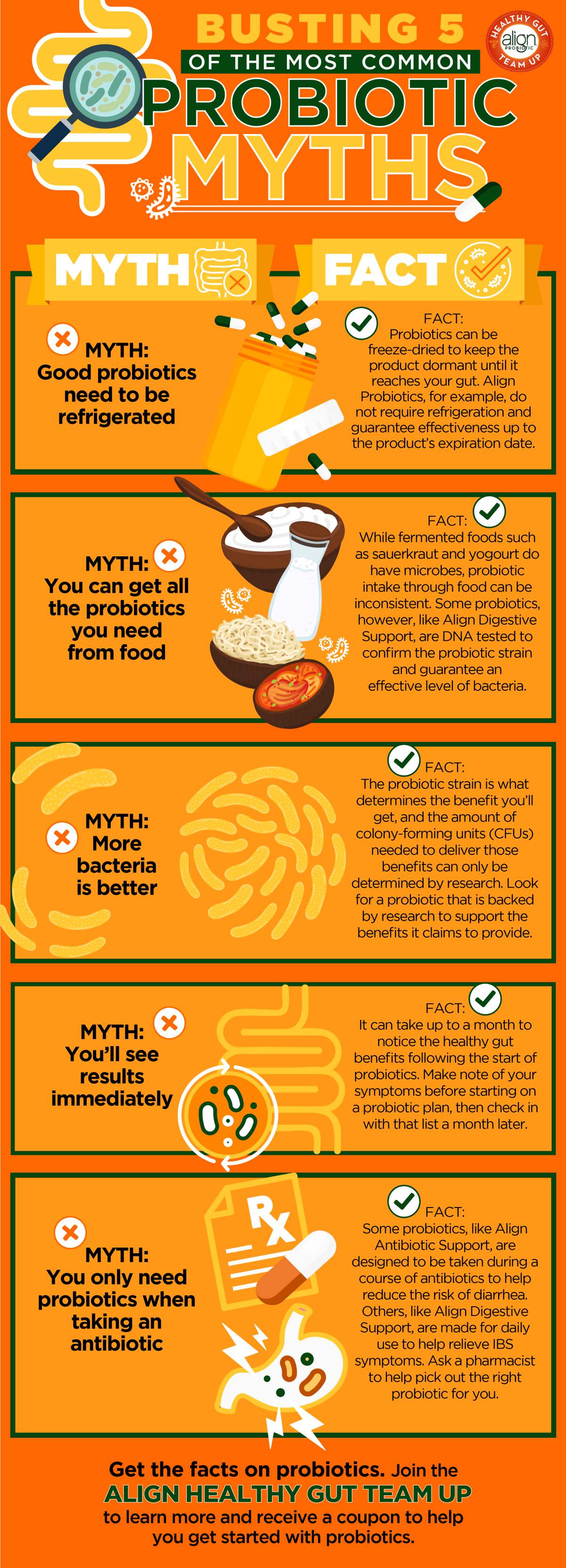
- Storage:Some need refrigeration to stay effective.
- Allergies:Avoid probiotics with ingredients you react to.
Recommended Strains
Certain probiotic strains are known to ease gas and bloating. Use this table to compare their benefits.
| Strain | Benefit | Notes |
|---|---|---|
| Lactobacillus acidophilus | Reduces gas and improves digestion | Common in yogurt and supplements |
| Bifidobacterium infantis | Helps with bloating and bowel discomfort | Supports gut lining health |
| Saccharomyces boulardii | Fights harmful bacteria causing gas | Works as a yeast probiotic |
| Lactobacillus plantarum | Relieves bloating and inflammation | Found in fermented foods |
Potential Side Effects
Probiotics may help with gas and bloating, but they can also cause side effects. It is important to know what to expect before starting them.
Most side effects are mild and go away after a few days. Some people may have stronger reactions depending on their health.
Digestive Discomfort
Some people feel more gas, bloating, or stomach pain at first. This happens as the body adjusts to new bacteria.
These symptoms usually improve after a week or two of regular use. Drinking plenty of water can help reduce discomfort.
Allergic Reactions
Allergic reactions to probiotics are rare but possible. Symptoms include itching, rash, or swelling.
If you notice these signs, stop taking probiotics and see a doctor right away.
Infections
People with weak immune systems may risk infections from probiotics. This is because probiotics contain live bacteria.
Always consult a healthcare provider before using probiotics if you have a serious illness or condition.
Headache And Fatigue
Some users report headaches or feeling tired after starting probiotics. This may be due to changes in gut bacteria.
These effects tend to disappear as the body adjusts over time.
When To Consult A Doctor
Probiotics may help reduce gas and bloating for some people. But sometimes, these symptoms signal a bigger problem.
Knowing when to see a doctor can keep you healthy and get the right treatment fast.
Persistent Or Severe Symptoms
If gas and bloating last for weeks or get worse, see a doctor. This could mean an underlying health issue.
Severe pain or discomfort is a sign you need medical advice.
Symptoms With Other Health Issues
See a doctor if you have gas and bloating along with weight loss, fever, or vomiting. These signs may need urgent care.
Also get help if you notice blood in your stool or changes in bowel habits.
If You Have A Chronic Condition
People with diabetes, heart disease, or digestive problems should check with a doctor. Gas and bloating may affect their condition.
Doctors can adjust treatments to avoid complications.
After Starting Probiotics
If gas and bloating get worse after taking probiotics, stop and talk to your doctor. Some strains may not suit you.
Doctors can recommend different options or tests to find the cause.

Credit: www.amazon.com
Frequently Asked Questions
Can Probiotics Reduce Gas And Bloating Effectively?
Probiotics balance gut bacteria, which can reduce gas and bloating. They improve digestion and nutrient absorption, easing discomfort. Regular intake often leads to noticeable relief within weeks.
Which Probiotic Strains Help With Bloating Most?
Lactobacillus and Bifidobacterium strains are proven to reduce bloating. These strains support digestion and decrease gas production. Choosing supplements with these strains can enhance gut health and comfort.
How Long Do Probiotics Take To Relieve Bloating?
Probiotics usually take 2 to 4 weeks to ease bloating. Consistent use allows beneficial bacteria to grow and improve digestion. Results vary based on individual gut health and probiotic type.
Are Probiotics Safe For Everyone With Digestive Issues?
Most people tolerate probiotics well, but some may experience mild side effects. Those with severe illnesses should consult a doctor before use. Probiotics are generally safe and beneficial for digestive health.
Conclusion
Probiotics may help reduce gas and bloating for some people. They support good bacteria in the gut and improve digestion. Results can vary from person to person. Choosing the right probiotic strain matters. Start with a small dose and watch how your body reacts.
Eating a balanced diet also helps ease these symptoms. Give probiotics time to work, usually a few weeks. Consult a doctor if problems persist or worsen. Taking care of your gut can bring real relief over time.


