

Have you ever wondered if taking too many probiotics could actually harm you? You might think more is better when it comes to supplements, but that’s not always true.
Your gut health is important, and probiotics can help—but can you overdo it? You’ll discover what happens when you take too many probiotics and how to find the right balance for your body. Keep reading to protect your health and get the most out of your probiotic supplements.
Credit: globalnews.ca
Probiotics And Their Benefits
Probiotics are live bacteria that help the body stay healthy. They are found in some foods and supplements.
People often take probiotics to improve digestion and support the immune system. It is important to know how much to take.
What Are Probiotics?
Probiotics are good bacteria that live in the gut. They help keep the balance of bacteria in the digestive system.
These bacteria can come from fermented foods like yogurt, sauerkraut, and kimchi. They can also be taken as pills or powders.
Health Benefits Of Probiotics
Probiotics support digestion by helping break down food. They also stop bad bacteria from growing in the gut.
They can improve immune health and may reduce some types of diarrhea. Some studies show they help with certain allergies and skin problems.
- Improve digestion
- Help balance gut bacteria
- Support the immune system
- Reduce diarrhea
- Help with allergies and skin health

Credit: mydailydefense.com
Potential Risks Of Excessive Probiotic Intake
Probiotics can be helpful for your gut health. Taking too many, though, can cause problems. It is important to know the risks of high doses.
This article looks at three main risks of too much probiotic use. These include digestive issues, infections, and metabolic concerns.
Digestive Issues
Too many probiotics can upset your stomach. Some people may feel bloated or have gas. Diarrhea or constipation can also happen.
- Bloating and gas
- Diarrhea
- Constipation
- Stomach cramps
Infections And Immune Responses
Excess probiotics may cause infections in people with weak immune systems. These infections can be serious. The immune system might also react badly to too many bacteria.
| Risk | Who Is Affected | Possible Effects |
|---|---|---|
| Infections | People with weak immunity | Fever, chills, or worse illness |
| Immune Reactions | All users | Allergic symptoms or inflammation |
Metabolic Concerns
Taking too many probiotics might affect your metabolism. It can change how your body processes sugar and fat. This could lead to energy problems or weight changes.
Signs Of Probiotic Overconsumption
Probiotics help balance good bacteria in your gut. Taking too many may cause unwanted effects.
It is important to know the signs of probiotic overuse. This helps you avoid health problems.
Common Symptoms
When you take too many probiotics, your body may react. Symptoms can be mild or strong.
- Bloating and gas
- Diarrhea or constipation
- Upset stomach or cramps
- Headaches or fatigue
- Allergic reactions like rash
These symptoms happen because your gut bacteria change quickly. Your body needs time to adjust.
When To Seek Medical Advice
If symptoms last more than a few days, talk to a doctor. Severe reactions need medical help fast.
- High fever
- Severe stomach pain
- Persistent vomiting or diarrhea
- Signs of allergy like swelling or trouble breathing
- Weakness or confusion
People with weak immune systems should be extra careful. Always ask a doctor before starting probiotics.
Safe Probiotic Usage
Probiotics support your gut health by adding good bacteria. Taking them safely helps avoid side effects.
Learn how to use probiotics properly with the right dose and strains for your needs.
Recommended Dosages
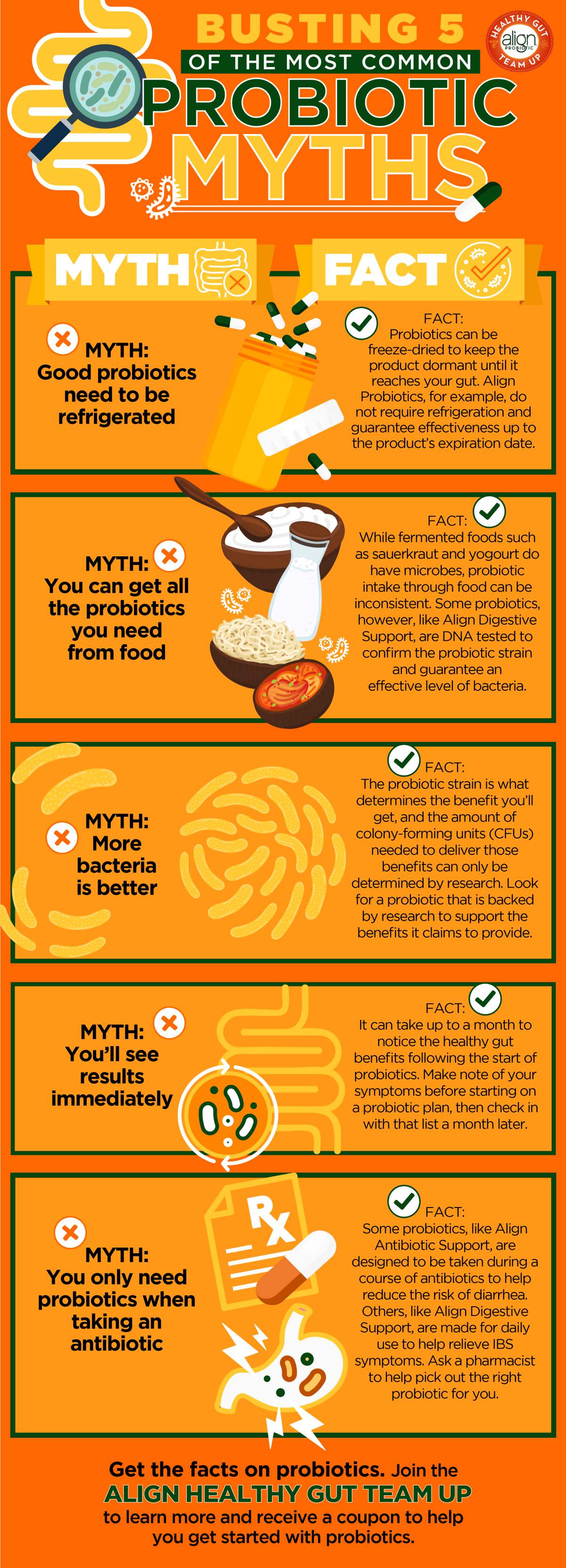
Probiotic dosage depends on the product and your health. Most adults can take between one billion and ten billion CFUs daily.
- Start with a low dose to see how your body reacts.
- Increase gradually if needed, up to the product’s recommended amount.
- Consult a doctor if you have a health condition or take other medicines.
Selecting The Right Probiotic Strains
Different probiotic strains help with different health issues. It is important to pick strains that fit your needs.
| Strain | Common Use | Notes |
| Lactobacillus acidophilus | Digestive health | Good for general gut support |
| Bifidobacterium bifidum | Immune system | May reduce inflammation |
| Saccharomyces boulardii | Diarrhea relief | Helps with antibiotic-associated diarrhea |
Remedies For Probiotic Overuse
Taking too many probiotics can cause stomach pain, gas, and bloating. It is important to manage these symptoms by adjusting your probiotic intake and diet. This guide covers simple ways to reduce probiotic overuse.
These remedies focus on cutting back probiotic amounts and making smart food choices. Both help restore balance in your digestive system.
Reducing Intake
Lowering the amount of probiotics you take is the first step. Stop or reduce supplements if you feel discomfort. Talk to a healthcare provider to find the right dose for you.
- Cut down on probiotic supplements gradually.
- Skip probiotic-rich foods for a few days.
- Monitor your symptoms closely.
- Consult a doctor if problems continue.
Dietary Adjustments
Changing your diet helps ease probiotic overuse effects. Eating bland, easy-to-digest foods supports your gut while it recovers.
| Food Type | Effect |
|---|---|
| Bananas | Gentle on the stomach and reduce bloating |
| White rice | Easy to digest and soothes digestion |
| Boiled potatoes | Soft and low in fiber to avoid gas |
| Steamed carrots | Mild and supports gut health |
| Clear broths | Hydrate and nourish without irritation |

Credit: www.goodrx.com
Consulting Healthcare Professionals
Taking probiotics can improve gut health. But taking too much may cause side effects.
It is important to talk to healthcare professionals before changing your probiotic intake.
When To Consult A Doctor
See a doctor if you have unusual symptoms after taking probiotics. These can include stomach pain, bloating, or diarrhea.
People with weak immune systems or serious health problems should always ask a doctor before using probiotics.
- Persistent digestive issues
- Severe allergic reactions
- Chronic illnesses or immune problems
- Before giving probiotics to babies or elderly
Role Of Nutritionists And Dietitians
Nutritionists and dietitians help you choose the right probiotics for your diet. They consider your health and lifestyle.
They guide proper doses and suggest foods that support good bacteria in your gut.
- Assess your diet and health needs
- Recommend safe probiotic brands and amounts
- Help manage side effects if they occur
- Provide advice on balanced nutrition
Frequently Asked Questions
Can You Overdose On Probiotics?
Yes, taking too many probiotics can cause side effects like bloating and diarrhea. It’s best to follow dosage instructions.
What Happens If You Take Too Many Probiotics?
Excess probiotics may disrupt gut balance, causing gas, cramps, or upset stomach. Consult a doctor if symptoms persist.
How Much Probiotic Is Safe Daily?
Most adults benefit from 1 to 10 billion CFUs daily. Always check product labels and consult healthcare providers for guidance.
Are There Risks To High Probiotic Intake?
High intake risks include digestive discomfort and rare infections in immune-compromised individuals. Use probiotics responsibly and seek medical advice if needed.
Conclusion
Taking too many probiotics can cause unwanted side effects. Your body needs a balanced amount for best results. Always follow the recommended dose on the label or advice from a doctor. Too much can upset your stomach or cause discomfort.
Probiotics work best when used properly and consistently. Listen to your body and adjust if needed. Remember, more is not always better. Stay informed and use probiotics wisely for good health.


