

Are you confused about the difference between whey protein and whey protein isolate? You’re not alone.
Choosing the right protein supplement can be tricky, especially when the labels sound so similar. But understanding these differences can make a big impact on your fitness goals and how your body responds. You’ll discover exactly what sets whey protein and whey protein isolate apart, so you can make smarter choices for your health and performance.
Keep reading to find out which one suits your needs best—and why it matters more than you think.

Credit: www.gq-magazine.co.uk
Whey Protein Basics
Whey protein is a popular supplement for fitness enthusiasts. It supports muscle growth and repair.
There are two main types: whey protein and whey protein isolate. Both are derived from milk but have different processing methods.
What Is Whey Protein?
Whey protein is a by-product of cheese production. It is rich in essential amino acids.
It helps in muscle recovery after workouts. Many athletes and bodybuilders use it for its benefits.
- Contains lactose and fats
- Available in flavored and unflavored forms
- Affordable and widely available
Sources Of Whey Protein
Whey protein is mainly sourced from cow’s milk. It is separated during the cheese-making process.
After separation, it is processed into powder form. This makes it easy to mix with liquids for consumption.
- Cow’s milk is the primary source
- Available at health food stores
- Can be purchased online
Whey Protein Isolate Explained
Whey protein isolate is a popular supplement for people who want to build muscle. It comes from milk and has more protein than regular whey protein.
Many wonder how whey protein and whey protein isolate differ. The main differences lie in how they are made and their nutrition.
Production Process
Whey protein isolate is made by filtering whey protein more than usual. This process removes more fat and lactose.
The extra filtering makes whey protein isolate purer. It contains mostly protein and little else.
- Starts with whey protein from milk
- Uses techniques like microfiltration
- Removes more fat and lactose
- Results in higher protein concentration
Nutrient Composition
Whey protein isolate has more protein per serving than whey protein concentrate. It also has less fat and carbs.
This makes whey protein isolate a good choice for people who want more protein with fewer extra nutrients.
| Nutrient | Whey Protein | Whey Protein Isolate |
|---|---|---|
| Protein | 70-80% | 90% or more |
| Fat | 3-5% | Less than 1% |
| Carbohydrates (Lactose) | 4-6% | Less than 1% |
| Calories | Higher | Lower |
Comparing Nutritional Profiles
Whey protein and whey protein isolate are popular choices for protein supplements. Both come from milk but differ in how they are processed.
Understanding their nutritional differences helps you pick the right one for your needs.
Protein Content Differences
Whey protein contains about 70-80% protein by weight. Whey protein isolate usually has over 90% protein.
The isolate goes through extra processing to remove more fat and lactose, raising its protein level.
- Whey protein: 70-80% protein
- Whey protein isolate: 90%+ protein
Fat And Lactose Levels
Whey protein has higher fat and lactose because of less processing. Whey protein isolate has very low fat and lactose.
This makes isolate better for people who avoid fat or are lactose sensitive.
- Whey protein: contains more fat and lactose
- Whey protein isolate: low fat and very little lactose
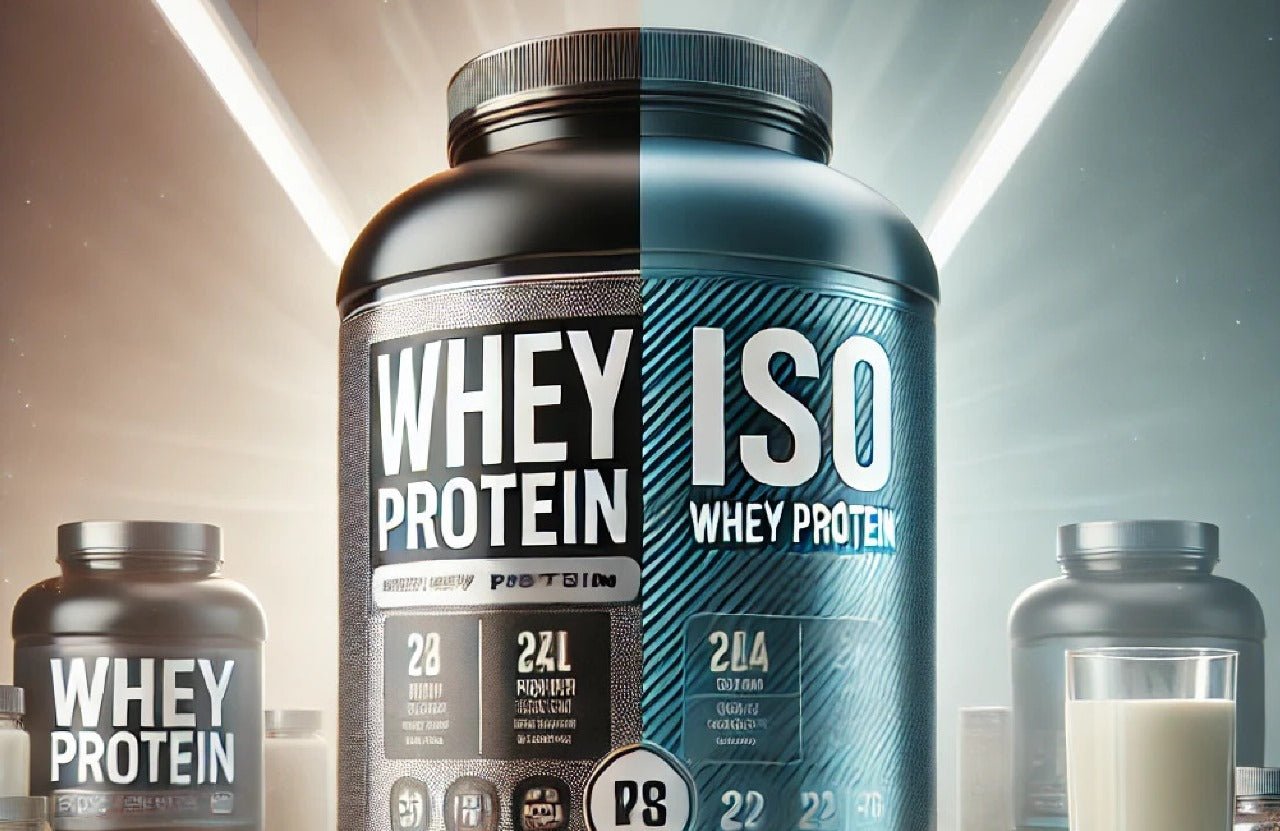
Credit: www.med7online.com
Benefits For Muscle Growth
Whey protein and whey protein isolate both help build muscle. They provide the body with essential amino acids needed for muscle repair and growth.
Choosing the right type can affect how fast muscles recover and grow after exercise.
Absorption Rates
Whey protein isolate absorbs faster than regular whey protein. It has less fat and lactose, which helps speed up digestion.
Faster absorption means muscles get nutrients quickly after workouts. This supports muscle repair and growth.
- Whey protein isolate: absorbs quickly
- Whey protein concentrate: absorbs slower
- Faster absorption aids muscle recovery
Effectiveness For Recovery
Both whey protein types help muscle recovery by providing amino acids. Whey protein isolate has a higher protein percentage.
This higher protein content can improve recovery speed after intense exercise. It reduces muscle soreness and helps rebuild muscle faster.
- Whey isolate has more protein per serving
- It lowers fat and lactose content
- Supports quicker muscle repair
Suitability For Different Diets
Whey protein and whey protein isolate suit different diets based on their makeup. Each type affects your diet in unique ways.
Choosing between them depends on your health needs and diet goals. Let’s look at how they fit into various eating plans.
Lactose Intolerance Considerations
Whey protein contains some lactose, which can cause discomfort for lactose-intolerant people. Whey protein isolate has less lactose and is easier to digest.
If you have lactose intolerance, whey protein isolate is a better choice. It reduces the risk of bloating and stomach pain.
- Whey protein: contains more lactose
- Whey protein isolate: very low lactose
- Isolate suits sensitive stomachs better
Calorie And Carb Impact
Whey protein has more calories and carbs because of extra fats and lactose. Whey protein isolate is purer with fewer calories and carbs.
For low-carb or low-calorie diets, whey protein isolate fits better. It helps control calorie intake while still giving protein.
- Whey protein: higher calories and carbs
- Whey protein isolate: lower calories and carbs
- Isolate supports weight and carb control

Credit: levelsprotein.com
Cost And Availability
Whey protein and whey protein isolate are popular supplements. Both provide protein but differ in price and availability.
Understanding their cost and where to find them helps you choose the right option.
Price Comparison
Whey protein is usually cheaper than whey protein isolate. It contains more fats and carbs, which lower the cost.
Whey protein isolate goes through extra processing to remove fats and carbs. This makes it more expensive.
- Whey protein costs less per serving
- Whey protein isolate is pricier but purer
- Price depends on brand and quality
Market Availability
Whey protein is widely available in most stores and online. It is the common choice for many buyers.
Whey protein isolate is also easy to find but may be less common in smaller shops. It is popular in health stores and online.
- Whey protein found in supermarkets and gyms
- Whey protein isolate mostly in health stores and online
- Both types are available worldwide
Choosing The Right Option
Whey protein and whey protein isolate both help build muscle and recover faster. They come from milk but have different levels of protein and other parts.
Choosing between them depends on your needs and lifestyle. Knowing the differences can help you pick the best one.
Goals And Preferences
If you want to build muscle and get more protein, whey protein isolate is a good choice. It has more protein and less fat and carbs.
Whey protein has more fats and carbs but costs less. It is good if you want a balanced protein source without strict diet needs.
- Whey protein isolate: higher protein, less fat and carbs
- Whey protein concentrate: balanced protein, more fats and carbs
- Pick isolate for lean muscle and low calories
- Pick concentrate for general protein and budget
Lifestyle Factors
People who are lactose intolerant may prefer whey protein isolate. It has less lactose than regular whey protein.
If you have a tight budget or no lactose issues, whey protein concentrate works well. It also tastes creamier due to more fats.
- Isolate suits lactose-sensitive individuals
- Isolate is easier to digest for some people
- Concentrate is more affordable
- Concentrate has a richer taste
Frequently Asked Questions
What Is The Main Difference Between Whey Protein And Isolate?
Whey protein contains more fats and carbs, while whey isolate is purified. Isolate has higher protein content and fewer calories, making it ideal for lean muscle building.
Which Is Better For Muscle Gain: Whey Or Isolate?
Both support muscle gain effectively. Whey protein offers more nutrients, while isolate provides faster absorption and less lactose, suitable for sensitive digestion.
Can Whey Protein Isolate Help With Lactose Intolerance?
Yes, whey protein isolate contains minimal lactose. It is easier to digest for people with lactose intolerance compared to regular whey protein.
Is Whey Protein Isolate More Expensive Than Whey Protein?
Yes, whey protein isolate generally costs more. The extra processing to remove fats and lactose increases its price compared to standard whey protein.
Conclusion
Whey protein and whey protein isolate serve different needs. Whey protein has more fats and carbs. Whey protein isolate contains more protein and fewer extras. Choose based on your health goals and budget. Both support muscle growth and recovery well.
Reading labels helps pick the right option. Keep your daily protein needs in mind. Simple choices make fitness easier and clearer. Understanding these differences helps you stay informed. Make the best choice for your body and goals.


