
Are you trying to decide between whey protein and plant protein but feel overwhelmed by all the options? Choosing the right protein can make a big difference in your energy, muscle growth, and overall health.
But which one is truly better for you? This article will clear up the confusion and help you make the best choice based on your goals and lifestyle. Keep reading to find out what you need to know before picking your next protein supplement.
Protein Types Compared
Proteins are essential for building muscles and repairing tissues. Two popular protein types are whey and plant-based proteins.
Each type offers unique benefits and suits different dietary needs. Choosing the right one depends on your health goals and lifestyle.
Whey Protein Basics
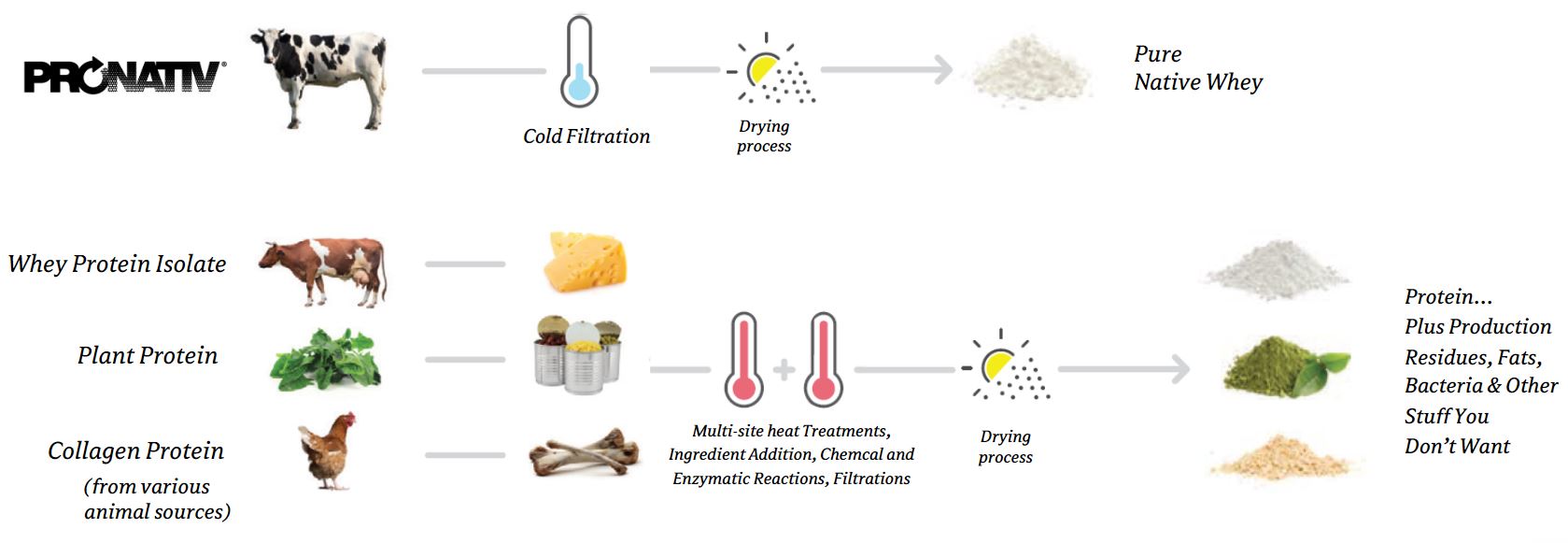
Whey protein is derived from milk during cheese production. It’s a complete protein, meaning it contains all essential amino acids.
Whey is popular among athletes because it’s quickly absorbed by the body. It helps in muscle recovery after intense workouts.
- Rich in essential amino acids
- Quick absorption rate
- Supports muscle growth
Plant Protein Varieties
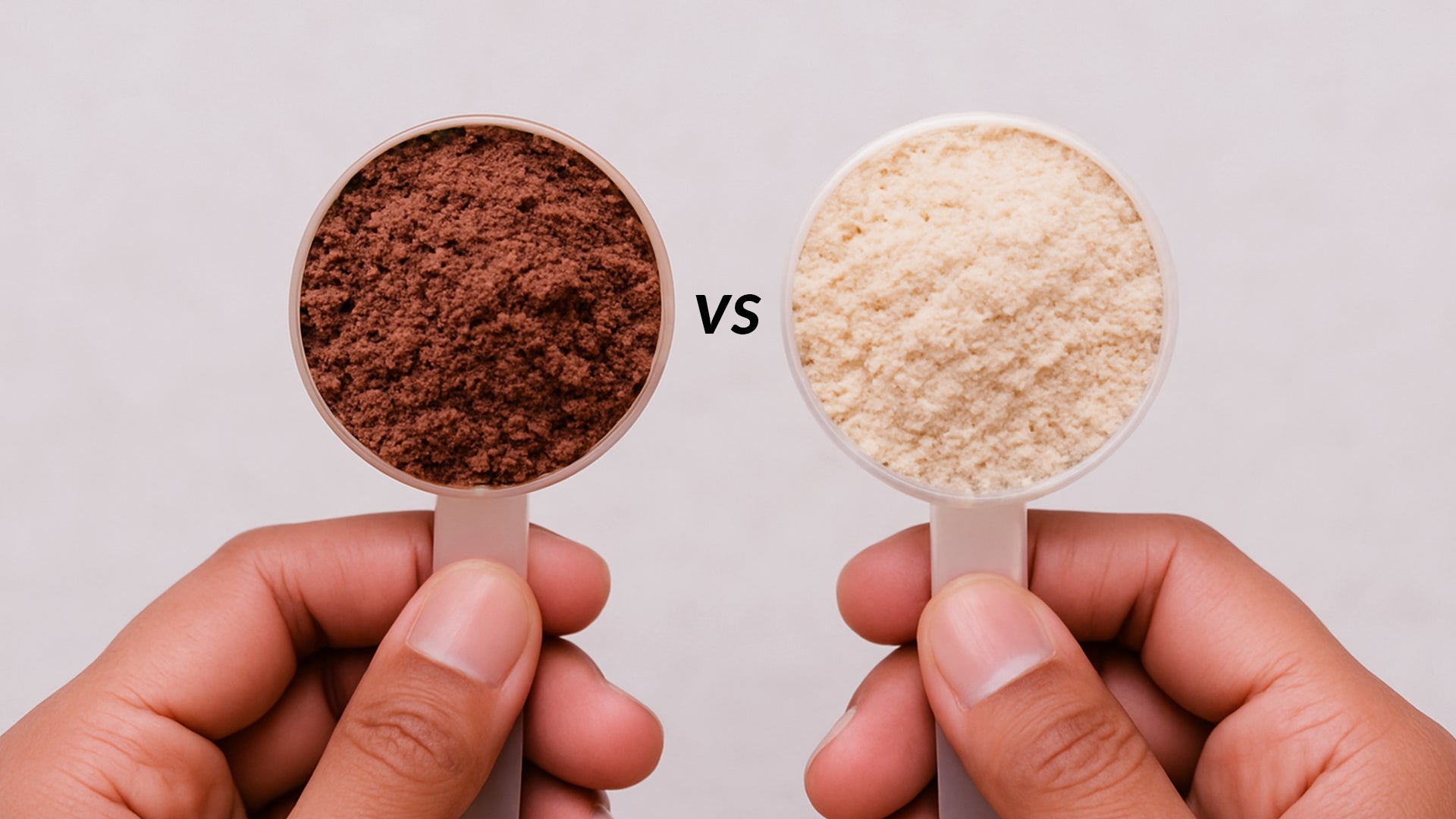
Plant proteins are derived from sources like peas, rice, and soy. They are a good option for vegans and those with lactose intolerance.
These proteins are often mixed to provide a complete amino acid profile. They also contain fiber and other nutrients beneficial for health.
- Suitable for vegan diets
- Includes fiber and nutrients
- May require mixing for complete protein
Credit: nutrova.com
Nutritional Profiles
Whey protein and plant protein offer different nutrients. Both support muscle growth and health.
Understanding their nutritional profiles helps you choose the best option for your needs.
Amino Acid Content
Whey protein has all nine essential amino acids. It is a complete protein source.
Plant proteins may lack one or more essential amino acids. Mixing plants can create a complete profile.
| Protein Type | Essential Amino Acids | Complete Protein? |
|---|---|---|
| Whey Protein | All 9 essential amino acids | Yes |
| Plant Protein | Varies by source; often missing lysine or methionine | Sometimes (when combined) |
Digestibility And Absorption
Whey protein digests quickly. Your body absorbs it fast for muscle repair.
Plant proteins digest slower. They may contain fiber and antinutrients that affect absorption.
- Whey protein has a high digestibility score (PDCAAS)
- Plant protein digestibility varies by source
- Combining plant proteins can improve absorption
Health Benefits
Whey protein and plant protein are popular choices for people who want to stay healthy. Both types provide important nutrients for the body.
Choosing the right protein depends on your health needs and goals. Let’s explore their benefits.
Muscle Growth And Repair
Whey protein contains all essential amino acids needed for muscle growth. It is quickly absorbed by the body.
Plant protein may have fewer essential amino acids but can still support muscle repair. Combining different plant proteins can improve this.
- Whey protein has high leucine, important for muscle building
- Plant proteins like pea and rice complement each other’s amino acids
- Both types help repair muscles after exercise
Weight Management
Whey protein helps you feel full and can reduce hunger. It supports fat loss while keeping muscle mass.
Plant proteins also help control appetite and support healthy weight. They often come with fiber, which aids digestion.
- Whey protein is fast to digest and controls hunger
- Plant protein contains fiber that improves fullness
- Both can support weight loss with a balanced diet
Allergies And Sensitivities
Whey protein comes from milk and may cause allergies in some people. It can also cause lactose intolerance symptoms.
Plant proteins are usually free from common allergens like dairy and gluten. They are good for people with food sensitivities.
- Whey protein is not suitable for those with dairy allergies
- Plant protein is often hypoallergenic and easier to digest
- Choosing the right protein depends on your body’s needs
Environmental Impact
Choosing between whey protein and plant protein affects the environment. Each type has different impacts on natural resources and pollution.
Understanding these impacts helps make better choices for the planet.
Sustainability Of Whey
Whey protein comes from milk, a byproduct of cheese making. Dairy farming uses a lot of water and land. It also creates greenhouse gases like methane.
Whey uses resources from the dairy industry but does not need extra animals. This helps reduce waste.
- Dairy farms require large water amounts
- Cows produce methane, a strong greenhouse gas
- Whey uses leftover milk from cheese production
- It reduces waste by using byproducts
Sustainability Of Plant Proteins
Plant proteins come from sources like peas, soy, and rice. They usually use less water and land than dairy. They also produce less greenhouse gas.
Growing plants can improve soil health and reduce pollution. Some plants need fewer chemicals and less energy.
- Plants use less water than animals
- Lower greenhouse gas emissions than dairy
- Can improve soil through crop rotation
- Often require less fertilizer and pesticides
Cost And Accessibility
Choosing between whey protein and plant protein often depends on cost and how easy it is to find them. These factors affect many people’s decisions.
Both types of protein have different prices and availability in stores worldwide. Understanding these differences helps you pick the right one.
Price Comparison
Whey protein usually costs less per serving than plant protein. It is made from milk, which is widely produced.
Plant proteins often come from sources like peas, rice, or soy. These can be more expensive due to processing and variety.
| Protein Type | Average Cost Per Serving |
|---|---|
| Whey Protein | $0.80 – $1.20 |
| Plant Protein | $1.00 – $1.50 |
Availability Worldwide
Whey protein is easy to find in most countries. It is popular and sold in many supermarkets and online stores.
Plant protein is growing in availability but can be harder to find in some regions. Specialty stores and online shops often carry it.
- Whey protein is common in North America and Europe
- Plant protein is more popular in vegan and health food stores
- Online shopping increases access to both types globally
Taste And Texture
Whey protein and plant protein taste and feel different. These differences affect how people enjoy them.
Understanding these qualities helps you pick the right protein for your needs.
Flavor Profiles
Whey protein usually has a mild, creamy flavor. It often tastes like milk or vanilla.
Plant proteins can have earthy or nutty flavors. They may taste stronger depending on the source.
- Whey protein: smooth, dairy-like taste
- Pea protein: slightly earthy, mild
- Rice protein: nutty, somewhat grainy
- Hemp protein: grassy, strong flavor
Mixability And Use In Recipes
Whey protein dissolves easily in liquids. It creates smooth shakes with little clumping.
Plant proteins sometimes mix less smoothly. They can feel grainy or thick in drinks.
- Whey protein: blends well in shakes and smoothies
- Plant protein: may need extra blending or thicker liquids
- Whey protein: good for baking and cooking recipes
- Plant protein: works well in hearty recipes like pancakes or bars
Choosing The Right Protein
Choosing between whey protein and plant protein depends on your needs. Both types offer good nutrition for building muscle and recovery.
Knowing your goals, diet, and lifestyle helps you pick the best protein for you.
Personal Goals And Preferences
Your fitness goals affect which protein works best. Whey protein is fast-absorbing and supports muscle growth well.
Plant proteins may suit those who want slower digestion or prefer natural foods. Taste and texture also matter to some people.
- Whey protein helps with quick muscle repair
- Plant protein suits steady energy release
- Choose based on flavor and mixability you like
Dietary Restrictions
Whey protein comes from milk and contains lactose. It is not good for people with lactose intolerance.
Plant proteins come from peas, rice, hemp, or soy. They are good for vegans or people with dairy allergies.
- Whey protein: not suitable for lactose intolerance
- Plant protein: good for vegan and dairy-free diets
- Check labels for added allergens or ingredients
Lifestyle Considerations
If you exercise a lot, whey protein can help quick recovery. It is easy to digest and fast acting.
Plant protein fits well with a plant-based lifestyle. It may also help if you want fewer processed foods.
- Whey protein: ideal for fast recovery after workouts
- Plant protein: suits plant-based or natural diets
- Consider convenience and how you prepare your shakes
Credit: www.lactalisingredients.com
Credit: www.nutrelanutrition.com
Frequently Asked Questions
What Are The Main Differences Between Whey And Plant Protein?
Whey protein is animal-based, rich in essential amino acids, and quickly absorbed. Plant protein is plant-based, often contains fiber, and may have a slower absorption rate. Both support muscle growth but differ in digestion and nutrient profiles.
Which Protein Is Better For Muscle Building?
Whey protein is generally better for muscle building due to its complete amino acid profile and fast absorption. However, plant protein blends can also be effective when consumed in adequate amounts and combined properly.
Are There Any Allergies Linked To Whey Or Plant Protein?
Whey protein may cause allergies in people with dairy intolerance. Plant proteins are usually hypoallergenic but can cause reactions in those allergic to specific plants like soy or pea. Always check ingredient labels if you have food sensitivities.
Is Plant Protein Suitable For Vegan Diets?
Yes, plant protein is ideal for vegan diets because it contains no animal products. It offers a variety of options like pea, hemp, and rice protein, providing essential nutrients without compromising ethical choices.
Conclusion
Both whey and plant protein offer unique benefits for health and fitness. Whey protein is great for quick absorption and muscle building. Plant protein suits those seeking a natural, dairy-free option. Consider your dietary needs, allergies, and personal goals. Balance and variety can also help you get the best results.
Choose what feels right for your body and lifestyle. Protein quality matters, but consistency matters more. Keep your routine simple and enjoy steady progress.


