

Choosing the right yoga mat can make a big difference in your practice. But have you ever wondered what a good thickness for a yoga mat really is?
The thickness affects your comfort, balance, and support during poses. If your mat is too thin, it might feel hard on your joints. Too thick, and you could lose stability. Finding the perfect balance is key to enhancing your experience.
Keep reading to discover how to pick the ideal mat thickness that suits your needs and helps you get the most from every session.

Credit: www.self.com
Yoga Mat Thickness Options
Choosing the right yoga mat is important for comfort and stability. Different thicknesses suit different practices and preferences.
Here, we will explore various yoga mat thickness options to help you decide which is best for your needs.
Standard Thickness
Standard yoga mats are usually about 4-5 millimeters thick. These mats provide a good balance of cushioning and stability.
They are ideal for most yoga styles and help maintain a strong connection to the floor.
- Suitable for beginners and intermediate practitioners
- Good for balance and grounding
- Lightweight and easy to carry
Extra Thick Mats
Extra thick mats are typically over 6 millimeters thick. They offer more cushioning, which is beneficial for joint protection.
These mats are great for restorative yoga or for those with sensitive knees or wrists.
- Provides more comfort and support
- Heavier and may be less portable
- Ideal for gentle or therapeutic yoga styles
Thin Mats
Thin mats, around 2-3 millimeters thick, are often used for travel. They are light and easy to pack.
These mats offer less cushioning but are useful for practices that focus on balance and stability.
- Best for travel due to their lightweight nature
- Enhances balance and stability
- Less cushioning, may not suit all users
Impact Of Thickness On Comfort
The thickness of a yoga mat changes how comfortable it feels during practice. A good thickness helps protect your body from hard floors.
Choosing the right thickness depends on your needs and the types of poses you do.
Joint Support
Thicker mats give better cushioning for your knees, wrists, and elbows. This helps reduce pain during long sessions.
Thin mats may not protect joints well on hard surfaces. A mat around 5 to 6 mm thick is good for joint support.
Balance And Stability
Thicker mats can feel soft and may make balancing poses harder. Thin mats offer better connection to the floor.
If you do many balance poses, choose a mat about 3 to 4 mm thick. This thickness helps keep stability.
- Thin mats (1-3 mm): Best for balance and stability
- Medium mats (4-6 mm): Good balance of comfort and stability
- Thick mats (7+ mm): More comfort but less stable
Portability Considerations
Thicker mats are heavier and take more space in bags. Thin mats are easy to carry and roll up small.
Think about where you will use your mat. For travel, a thin mat is better. For home use, a thicker mat adds comfort.
Choosing Thickness By Yoga Style
Yoga mats come in different thicknesses. The right thickness depends on your yoga style. Choosing the right mat helps with comfort and balance.
Each yoga style has unique needs. Some require more cushioning, while others need a firm surface. Let’s explore what works best.
Hatha And Restorative Yoga
Hatha and restorative yoga focus on slow movements and deep stretches. You stay in poses longer. Comfort is very important.
A thicker mat helps protect your joints during long holds. It also adds softness for relaxation and support.
- Thickness: 5mm to 8mm
- Provides good cushioning for knees and elbows
- Helps with balance on soft surfaces
Vinyasa And Power Yoga
Vinyasa and power yoga are fast and dynamic styles. You move quickly between poses. Stability and grip are key.
A thinner mat offers better connection to the floor. It helps maintain balance during fast flow and strong poses.
- Thickness: 3mm to 4mm
- Offers firm support for balance
- Prevents slipping with good grip
Hot Yoga
Hot yoga takes place in warm rooms. Sweating is common. You need a mat that handles moisture well.
Choose a mat with medium thickness. It should absorb sweat but stay firm. Extra cushioning can make you slip.
- Thickness: 4mm to 5mm
- Good balance between cushion and grip
- Materials that resist moisture work best
Material Influence On Cushioning
The thickness of a yoga mat depends on its material. Different materials offer different cushioning levels.
Choosing the right material helps protect your joints during yoga practice. It affects comfort and support.
Foam Types
Foam mats are light and soft. They provide good cushioning for beginners and gentle yoga styles.
Closed-cell foam mats resist moisture and last longer. Open-cell foam mats are softer but absorb sweat.
- Closed-cell foam is firmer and easier to clean
- Open-cell foam offers extra softness but needs more care
- Foam thickness usually ranges from 1/8 inch to 1/4 inch
Natural Rubber
Natural rubber mats provide good grip and cushioning. They are thicker and denser than foam mats.
This material absorbs shock well, protecting knees and wrists during poses. It is a popular choice for many yogis.
- Natural rubber mats are usually 3 to 6 mm thick
- They offer firm support and good bounce
- These mats can be heavier to carry
Eco-friendly Options
Eco-friendly mats use sustainable materials like jute or cork. They add natural cushioning with good grip.
These mats tend to be thicker to balance durability and comfort. They are a good choice for eco-conscious users.
- Jute mats combine natural fibers with cushion layers
- Cork mats offer firm support with a natural feel
- Thickness ranges from 3 mm to 6 mm for eco-friendly mats
Durability And Thickness Correlation
The thickness of a yoga mat affects how long it lasts. Thicker mats usually resist wear better.
But thickness alone does not guarantee durability. The material quality and use also matter.
Wear And Tear
Yoga mats face pressure and friction during practice. Thin mats wear out faster under heavy use.
Thicker mats offer more padding. This helps reduce damage from frequent moves on hard floors.
- Thin mats may tear or crack quicker
- Thicker mats absorb shock better
- Quality materials increase lifespan
- Regular use shortens mat life
Maintenance Tips
Cleaning your yoga mat keeps it in good shape. Dirt and sweat can degrade the surface over time.
Store mats rolled up in a dry place. Avoid direct sunlight to prevent material breakdown.
- Wipe mat with mild soap and water
- Air dry completely before rolling
- Use a mat bag for transport
- Keep away from sharp objects

Credit: www.amazon.ca
Personal Factors In Thickness Choice
Choosing the right yoga mat thickness depends on your personal needs. It helps improve comfort and stability during practice.
Different people require different thickness levels based on their body and routine.
Body Weight
Heavier people often need thicker mats for better cushioning. This helps protect joints from hard floors.
Lighter people may prefer thinner mats for better balance and stability.
- Thick mats (6mm or more) support heavier weights well
- Medium mats (4-5mm) suit average weight users
- Thin mats (2-3mm) fit lighter individuals
Existing Injuries
If you have joint or muscle injuries, thicker mats provide extra padding. This reduces pressure and pain.
Thicker mats help avoid discomfort during poses that stress knees or wrists.
- Choose mats 6mm or thicker for injury protection
- Look for mats with dense foam for better support
- Consult a doctor if unsure about mat thickness
Practice Frequency
People who practice yoga daily may want durable mats with moderate thickness. This balances comfort and portability.
Casual practitioners might prefer thicker mats for extra comfort during occasional sessions.
- Daily users benefit from 4-6mm mats for long-lasting use
- Occasional users enjoy 6mm or thicker mats for softness
- Consider mat weight if you carry it often
Testing Thickness Before Buying
Choosing the right thickness for a yoga mat is important for comfort and support. Testing thickness before buying helps you find the best mat for your needs.
Different thicknesses suit different types of yoga and body types. Trying out mats can show you what feels right.
In-store Trials
Visiting a store lets you touch and feel yoga mats. You can press down on mats to check cushioning and firmness.
Roll out the mat and try simple poses to test support. This helps you see if the thickness protects your joints.
- Press mat with hands and feet
- Try standing and sitting poses
- Check how the mat feels on hard floors
Online Reviews
Reading reviews can guide you about mat thickness. Other buyers share their experience with comfort and support.
Look for comments on how thick mats feel during yoga practice. Reviews may mention if mats are too soft or too firm.
- Check for detailed feedback on thickness
- Note if reviewers have similar needs to you
- Compare different brands and thickness options
Return Policies
Return policies are important when buying a yoga mat. They let you test thickness at home and return if it is not right.
Check if the store accepts returns for opened mats. Some sellers allow returns within a certain time frame.
- Look for return time limits
- Check if opened mats can be returned
- Keep packaging in case you need to return
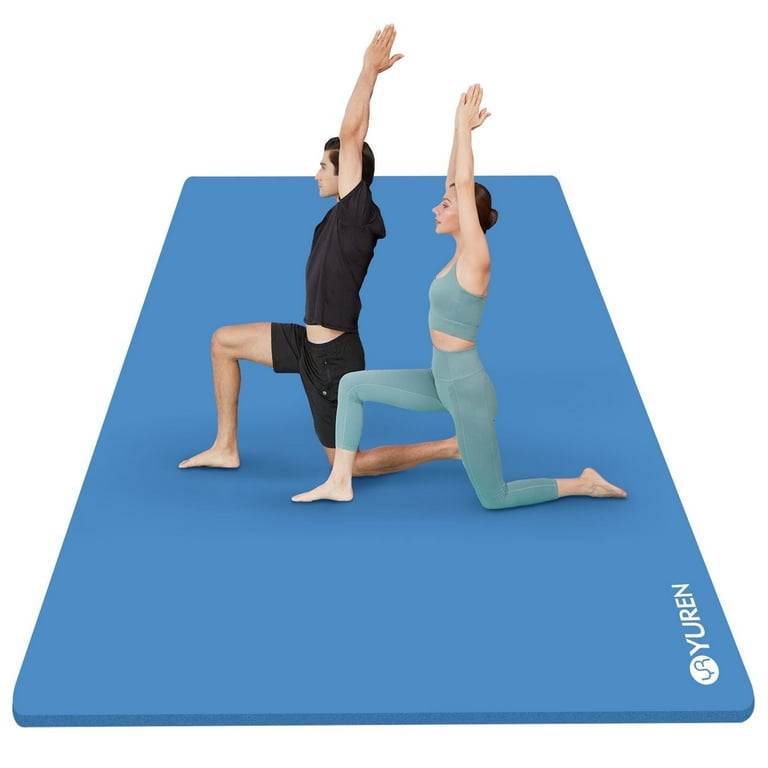
Credit: fooladbraba.com
Frequently Asked Questions
What Thickness Is Best For Yoga Mats?
A good yoga mat thickness is usually between 4mm and 6mm. This range offers enough cushioning for joints while maintaining stability during poses. Thicker mats may provide more comfort but can reduce balance, while thinner mats offer better floor connection but less padding.
Does Thicker Yoga Mat Improve Comfort?
Yes, thicker yoga mats provide extra cushioning, reducing pressure on knees and joints. This is especially helpful for beginners or those with sensitive joints. However, very thick mats can affect stability, so balance between comfort and support is key for effective practice.
Is A Thin Yoga Mat Suitable For Travel?
Thin yoga mats, around 1mm to 3mm, are ideal for travel due to their lightweight and portability. They easily roll up and fit in bags. However, they offer less cushioning, so consider your comfort needs when choosing a travel mat.
How Does Mat Thickness Affect Yoga Practice?
Mat thickness impacts comfort, balance, and joint protection. Thicker mats cushion better but may make balancing harder. Thinner mats enhance stability but offer less padding. Choose thickness based on your practice style, body needs, and surface where you practice.
Conclusion
Choosing the right yoga mat thickness helps improve comfort and balance. Thicker mats offer more cushion for joints. Thinner mats provide better stability for standing poses. Think about your practice style and body needs. A good mat supports your moves and feels right.
Try different thicknesses to find your best fit. Comfort and support make yoga more enjoyable. A proper mat helps keep focus and prevents injury. Your perfect mat thickness makes every session better.


