

If you’re looking to build a stronger chest, back, and core, the dumbbell pullover might be the secret weapon you haven’t tried yet. This simple exercise targets multiple muscle groups at once, helping you get more results in less time.
But what exactly is a dumbbell pullover, and how can it fit into your workout routine? Keep reading to discover why this move could be a game-changer for your fitness goals—and how to do it the right way to avoid injury and maximize benefits.
Dumbbell Pullover Basics
A dumbbell pullover is an exercise that works your upper body. It is simple and can be done with a single dumbbell.
This exercise is popular in gyms and helps build strength. It is great for people who want to improve their flexibility too.
Exercise Description
To do a dumbbell pullover, lie on a bench with your back supported. Hold a dumbbell with both hands above your chest.
Lower the dumbbell behind your head slowly, then bring it back up. Keep your arms straight throughout the movement.
Muscles Targeted
The dumbbell pullover mainly targets your chest muscles. It also works your back and shoulders.
This exercise helps in strengthening the triceps and core too. It is a good choice for a full upper-body workout.
- Pectorals (chest muscles)
- Latissimus dorsi (back muscles)
- Deltoids (shoulder muscles)
- Triceps (arm muscles)
- Core muscles
Benefits For Strength And Flexibility
Dumbbell pullovers can increase your chest and back strength. They are effective for improving muscle endurance.
This exercise also enhances shoulder flexibility. It can help you achieve better posture and upper body mobility.
- Builds upper body strength
- Improves shoulder flexibility
- Enhances muscle endurance
- Supports better posture

Credit: swolverine.com
Proper Form And Technique
The dumbbell pullover is a classic exercise that targets the chest and back muscles. It helps improve upper body strength and flexibility.
Using the right form is important to avoid injury and get the best results. Focus on smooth, controlled movements throughout the exercise.
Starting Position
Lie on a flat bench with your feet flat on the floor. Hold a dumbbell with both hands above your chest, arms slightly bent.
Keep your back flat on the bench and your shoulders relaxed. This position prepares your body for a full range of motion.
Movement Execution
Slowly lower the dumbbell backward over your head. Keep your arms slightly bent and move only at the shoulder joint.
Stop when your upper arms are in line with your body or slightly below. Then, raise the dumbbell back to the starting position.
- Move in a slow, controlled manner
- Keep your core engaged for stability
- Breathe out when lifting the dumbbell
- Breathe in while lowering the dumbbell
Common Mistakes To Avoid
Do not arch your back or lift your hips off the bench. This can cause lower back strain and reduce exercise effectiveness.
Avoid locking your elbows or using heavy weights that cause shaking. These mistakes increase injury risk and lower control.
- Arching the lower back
- Locking the elbows during movement
- Using too heavy weights
- Moving the dumbbell too fast
- Not controlling the dumbbell on the way down
Variations Of Dumbbell Pullover
The dumbbell pullover is a popular exercise for the chest and back muscles. There are different ways to do it. Each variation targets muscles slightly differently.
Choosing the right variation helps you work specific areas better. This guide explains three common types of dumbbell pullover exercises.
Incline Bench Pullover
The incline bench pullover is done on a bench set at an angle. This position shifts focus to the upper chest and shoulders.
Lie back on the incline bench and hold a dumbbell over your chest. Slowly lower the dumbbell behind your head. Then bring it back up over your chest.
- Targets upper chest muscles
- Engages front shoulder muscles
- Requires good control to avoid strain
Flat Bench Pullover
The flat bench pullover is done lying flat on a bench. This version works the chest and lats evenly.
Hold the dumbbell above your chest with both hands. Lower it slowly behind your head. Then raise it back up to the starting position.
- Focuses on chest and back muscles
- Helps increase rib cage expansion
- Good for improving shoulder flexibility
Standing Pullover
The standing pullover is done while standing. You hold the dumbbell with both hands and pull it down in front of you.
This variation targets the lats and core muscles. Keep your back straight and bend slightly at the hips for balance.
- Works latissimus dorsi and core
- Improves posture and stability
- Can be done without a bench
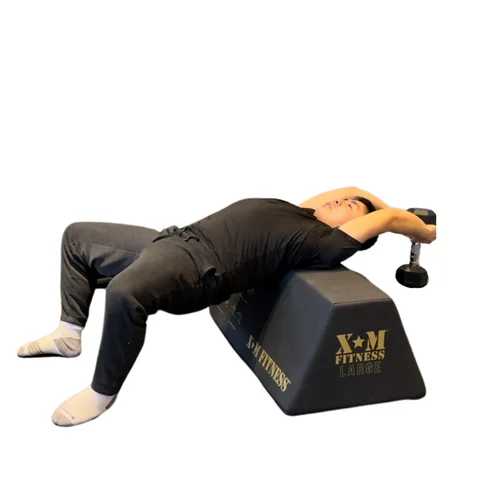
Credit: www.yourhousefitness.com
Integrating Pullover Into Workouts
The dumbbell pullover is a great exercise for your chest, back, and shoulders. Adding it to your workouts helps improve muscle balance and flexibility.
You can use the pullover in different workout plans. It fits well with strength training and full-body routines.
Warm-up And Stretching
Before doing dumbbell pullovers, warm up your muscles. This lowers the chance of injury.
Stretch your chest, shoulders, and back to prepare for the movement.
- Arm circles to loosen shoulders
- Chest stretches against a wall
- Cat-cow stretch for the back
Combining With Other Exercises
The dumbbell pullover works well with other upper body exercises. It helps create a balanced workout.
Pair it with exercises that target the chest, back, and arms for better results.
- Push-ups or bench press for chest
- Rows or pull-ups for back
- Bicep curls or tricep dips for arms
Sample Workout Routines
Here are two sample workouts that include dumbbell pullovers. They focus on strength and muscle balance.
| Workout | Exercise | Sets | Reps |
|---|---|---|---|
| Routine 1 | Dumbbell Pullover | 3 | 10-12 |
| Routine 1 | Push-ups | 3 | 12-15 |
| Routine 1 | One-arm Dumbbell Row | 3 | 10-12 |
| Routine 2 | Dumbbell Pullover | 4 | 8-10 |
| Routine 2 | Bench Press | 4 | 8-10 |
| Routine 2 | Tricep Dips | 3 | 12-15 |
Safety Tips And Precautions
The dumbbell pullover is a great exercise for your chest and back. It helps build strength and muscle. But safety is very important to avoid injury.
Follow these tips and precautions to keep your workout safe and effective. Use the right form and equipment for the best results.
Avoiding Injuries
Keep your movements slow and controlled during the dumbbell pullover. Avoid using too much weight that can strain your shoulders or back.
Always warm up your muscles before starting. Stop immediately if you feel sharp pain or discomfort.
- Use light to moderate weight at first
- Do not lock your elbows during the exercise
- Keep your core tight to protect your spine
- Stop if you feel shoulder or neck pain
Equipment Recommendations
Choose a dumbbell with a comfortable grip and secure weight plates. It should not slip during the exercise.
Use a flat bench or sturdy surface to lie on. Make sure it can hold your weight safely.
- Pick dumbbells with smooth handles
- Use a bench that does not wobble
- Wear gloves if your hands sweat
- Check equipment before each use
When To Skip Or Modify
Do not do dumbbell pullovers if you have shoulder or back injuries. Modify the exercise if you feel discomfort.
You can reduce the range of motion or use lighter weights. Always listen to your body and rest if needed.
- Avoid if you have rotator cuff pain
- Skip if you have recent back injuries
- Use lighter weights for joint pain
- Try smaller movements to reduce strain

Credit: www.bodybuildingmealplan.com
Tracking Progress And Results
Tracking your progress during dumbbell pullover exercises helps you see how much you improve. It keeps you motivated and focused on your goals.
By recording your results, you can adjust your workouts to get better strength and flexibility over time.
Measuring Strength Gains
Strength gains show how your muscles grow stronger with dumbbell pullovers. Track the weight you use and the number of repetitions.
Write down these numbers each workout to watch your progress clearly. Increasing weight or reps means your strength is improving.
- Note the dumbbell weight lifted
- Count the number of sets and reps
- Record any changes weekly or biweekly
- Compare your numbers over time
Improving Flexibility
Dumbbell pullovers stretch your chest and back muscles. Tracking flexibility helps you see how your range of motion improves.
Use simple tests like reaching further behind your head or lowering the dumbbell deeper. Record these changes to track flexibility.
- Measure arm reach behind your head
- Note how low you can lower the dumbbell
- Track changes every few weeks
Setting Realistic Goals
Set clear, realistic goals for your dumbbell pullover workouts. Goals help you stay focused and avoid injury.
Choose goals based on your current strength and flexibility. Adjust them as you improve to keep challenging yourself safely.
- Start with light weights and few reps
- Set short-term goals like adding 5 pounds
- Include flexibility targets like deeper stretches
- Review and update goals regularly
Frequently Asked Questions
What Muscles Do Dumbbell Pullovers Target?
Dumbbell pullovers primarily target the chest, shoulders, and upper back muscles. They also engage the triceps and core for stability. This exercise helps improve upper body strength and flexibility, making it effective for muscle building and enhancing overall upper torso definition.
How To Perform A Dumbbell Pullover Correctly?
Lie on a bench holding a dumbbell with both hands above your chest. Slowly lower it behind your head while keeping arms slightly bent. Then, raise the dumbbell back to the starting position. Maintain controlled movement to avoid strain and maximize muscle engagement.
Are Dumbbell Pullovers Good For Chest Development?
Yes, dumbbell pullovers effectively develop the chest muscles. They stretch and strengthen the pectorals, helping widen and define the chest. This exercise complements other chest workouts by targeting different muscle fibers and improving overall chest shape and size.
Can Dumbbell Pullovers Improve Respiratory Function?
Dumbbell pullovers can help expand the rib cage and improve lung capacity. The controlled stretching motion increases chest flexibility. This may enhance breathing efficiency and respiratory function when performed regularly and with proper technique.
Conclusion
The dumbbell pullover builds chest, back, and shoulder strength well. It also helps improve breathing and flexibility. This exercise fits many workout plans and skill levels. Use light weights first to learn the movement safely. Keep your form steady to avoid injuries.
Try adding dumbbell pullovers to your routine for better upper body fitness. Small steps lead to strong results. Give it a try and feel the difference.


