

Are you ready to take your workouts to the next level but feel stuck with your current dumbbells? Adding weight to your dumbbells can be a game-changer for building strength and muscle faster.
Imagine pushing yourself harder, breaking through plateaus, and seeing real progress—all without buying a whole new set of equipment. You’ll discover simple and effective ways to add weight to your dumbbells safely and quickly. Keep reading, and unlock the secret to making every rep count more than ever before.
Choosing The Right Dumbbells
Choosing the right dumbbells is important for safe and effective workouts. Consider several factors before making a decision.
Think about the type, material, and weight range of the dumbbells. These elements affect your exercise routine.
Fixed Vs Adjustable Dumbbells
Fixed dumbbells have a set weight. They are easy to use and suitable for beginners. You need multiple pairs for different exercises.
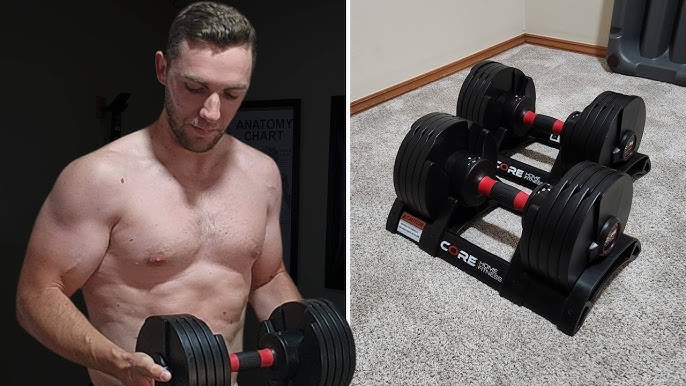
Adjustable dumbbells let you change the weight. They save space and are cost-effective. You can increase the weight as you get stronger.
- Fixed: Easy to use, requires multiple pairs
- Adjustable: Space-saving, cost-effective
Material And Durability
Dumbbells come in different materials like rubber, metal, or plastic. Rubber dumbbells are quiet and floor-friendly. Metal dumbbells are durable but can be noisy.
Consider how often you will use them. Durable materials are better for frequent use. Check if the grip is comfortable and non-slip.
- Rubber: Quiet, floor-friendly
- Metal: Durable, can be noisy
- Plastic: Lightweight, less durable
Weight Range Considerations
Think about your current strength and future goals. Start with a manageable weight range. Beginners might need lighter weights.
Choose a range that allows progression. Adjustable dumbbells can provide a wider range in one set. This helps as you improve over time.
| Beginner | 5-15 lbs |
| Intermediate | 10-30 lbs |
| Advanced | 20-50 lbs |
Methods To Add Weight
Adding weight to dumbbells helps increase workout intensity. You can use different ways to make your dumbbells heavier.
Choose a method that fits your equipment and workout style. Each method has simple steps to follow.
Using Weight Plates
Weight plates are the most common way to add weight to dumbbells. You slide the plates onto the dumbbell bar and secure them with collars.
Make sure the plates fit your dumbbell size. Use collars to keep plates from moving during exercise.
- Choose plates that match your dumbbell bar diameter
- Slide plates onto the bar evenly on both sides
- Secure plates with collars or clips
- Adjust the number of plates for desired weight
Adding Sand Or Rice
You can fill hollow dumbbells with sand or rice to increase their weight. This method works well for adjustable or homemade dumbbells.
Use a funnel to pour sand or rice inside. Seal the dumbbell tightly to avoid spills.
- Open the hollow section of the dumbbell
- Use a funnel to add sand or rice slowly
- Fill until you reach the desired weight
- Close and seal the dumbbell securely
- Check for leaks before using
Using Resistance Bands
Resistance bands add extra tension to your dumbbell exercises. They increase the effort needed without changing dumbbell weight.
Wrap the band around the dumbbell and hold the ends while lifting. This adds resistance throughout the movement.
- Choose a resistance band with suitable tension
- Secure the band around the dumbbell handle
- Hold the band ends firmly during exercise
- Adjust band length or thickness for more or less resistance
Diy Weight Enhancements
Adding weight to your dumbbells helps increase workout intensity. You can do this at home with simple items.
These DIY options let you add weight without buying new equipment. Use everyday objects safely to boost your strength training.
Attaching Water Bottles
Water bottles are easy to use as extra weight. Fill bottles with water or sand to the desired heaviness.
Secure the bottles to your dumbbells using strong tape or straps. Make sure they stay tight during exercise.
- Choose bottles with sturdy plastic
- Fill evenly to keep balance
- Use duct tape or Velcro straps
- Check attachments before lifting
Using Weighted Gloves
Weighted gloves add resistance by increasing hand weight. They are easy to wear during dumbbell exercises.
These gloves have small weights inside. They improve arm strength without changing your dumbbell size.
- Pick gloves with balanced weights
- Wear gloves snugly for comfort
- Use for various lifting movements
- Start with light weights to avoid strain
Adding Chains Or Cables
Chains or cables add variable weight to dumbbells. Attach them so they hang and shift during lifts.
This method changes resistance through movement. It challenges muscles differently than fixed weights.
- Use durable chains or cables
- Secure ends tightly to dumbbells
- Check weight balance before use
- Lift slowly to control swinging

Credit: www.lifespanfitness.com.au
Safety Tips While Adding Weight
Adding weight to dumbbells can improve your workout. It is important to do it safely. Unsafe practices may cause injury.
Follow simple safety tips to protect yourself. These tips help keep your dumbbells stable and your grip secure.
Securing Added Weight Properly
Always make sure the added weight is fastened tightly. Loose weights can slip and cause accidents.
Use collars or clamps designed for your dumbbells. Check them before each use to keep weights stable.
- Place the weight plates evenly on each side
- Tighten collars securely to hold plates in place
- Inspect collars and plates for damage before use
Checking Balance And Grip
Check the dumbbell balance before lifting. Uneven weight can cause strain or injury.
Hold the dumbbell firmly to avoid dropping it. Use a grip that feels comfortable and secure.
- Lift the dumbbell slowly to test balance
- Adjust weights if one side feels heavier
- Use chalk or gloves for better grip if needed
Avoiding Overloading
Do not add more weight than you can handle safely. Overloading increases the risk of injury.
Increase weight gradually. This helps your muscles adapt and lowers injury risk.
- Start with lighter weights and add slowly
- Stop if you feel pain or discomfort
- Use a spotter or trainer for heavy lifts
Tracking Progress With Added Weight
Adding weight to dumbbells helps build muscle and strength. Tracking progress ensures you improve safely and steadily.
Keeping records of weight changes helps you stay motivated and plan workouts better.
Recording Weight Increments
Write down each time you increase dumbbell weight. Note the date and the new weight used in your workout.
This helps you see how much you have improved over weeks or months.
- Keep a workout journal or use a tracking app
- Record the exact weight for each exercise
- Note any changes in reps or sets
Adjusting Workout Intensity
Increasing dumbbell weight changes your workout intensity. Track this to avoid injury and improve results.
When weight feels too heavy, lower reps or rest more between sets. If it feels easy, increase reps or sets.
- Use weight increments that challenge muscles without straining
- Adjust reps and sets based on how heavy the dumbbells feel
- Rest time can be shortened or lengthened to control intensity
Setting Realistic Goals
Set clear and small goals for adding weight to dumbbells. This helps you stay focused and avoid frustration.
Goals should match your fitness level and increase gradually over time.
- Start with small weight increases, like 1-2 pounds
- Plan how often you want to add weight, such as every two weeks
- Celebrate each goal reached to stay motivated
Credit: www.youtube.com
Alternative Equipment For Weight Gain
Adding weight to your dumbbells can improve your workout. You can also use other equipment to add more resistance. These options help you gain strength and build muscles.
Using different tools keeps your routine fresh. It also targets muscles in new ways. Here are some alternatives to add weight for your exercises.
Kettlebells
Kettlebells are weights with handles. They allow you to do swinging and lifting moves. You can use kettlebells to add weight instead of dumbbells.
Kettlebells help improve strength and balance. Their shape makes your muscles work harder to control the weight.
- Choose kettlebells in different weights
- Use them for swings, presses, and squats
- They add variety to your workout
Weighted Vests
Weighted vests add weight to your body. You wear them during exercises like walking, running, or push-ups. This extra weight increases workout intensity.
Vests are adjustable and let you add or remove weight plates. They improve endurance and strength by making your muscles work harder.
- Wear vests during bodyweight exercises
- Add weight plates for more resistance
- Great for cardio and strength training
Barbells
Barbells are long bars where you add weight plates. They let you lift heavy weights with both hands. Barbells are good for building muscle strength fast.
You can adjust the weight by adding or removing plates. Exercises like squats, deadlifts, and bench presses use barbells effectively.
- Load plates to match your strength level
- Use barbells for compound exercises
- Keep proper form to avoid injury

Credit: www.ape-x.shop
Frequently Asked Questions
How Can I Safely Add Weight To Dumbbells?
Use weight plates that fit your dumbbell handles. Secure them tightly with collars or clamps to prevent slipping. Always check stability before lifting to avoid injury. Start with small increments to adjust gradually and maintain control during exercises.
What Types Of Weights Work With Adjustable Dumbbells?
Standard weight plates, spin-lock collars, and rubber-coated plates fit most adjustable dumbbells. Ensure the plate hole diameter matches the handle size. Using compatible weights ensures safety and durability for your dumbbell set during workouts.
Can I Use Household Items To Add Dumbbell Weight?
Yes, you can fill water bottles or sandbags and secure them to dumbbells. However, these are less stable and not recommended for heavy lifting. Use proper weights for safety and effectiveness in strength training.
How To Increase Dumbbell Weight Without Buying New Equipment?
Add weight plates or use adjustable dumbbells with removable weights. Alternatively, use resistance bands combined with dumbbells for added resistance. These methods are cost-effective and enhance workout intensity without new purchases.
Conclusion
Adding weight to dumbbells helps improve your strength over time. Choose the right plates that fit your dumbbell handles securely. Always check the weights are tight before lifting. Start with small increases to avoid injury. Consistent progress leads to better results and muscle growth.
Keep your form correct to stay safe during workouts. Adjust weights as you get stronger to keep challenging yourself. Simple steps, steady effort. That’s the key to better dumbbell workouts.


