

Are you looking to boost your protein intake but aren’t sure where to start? Knowing what foods have whey protein can make a big difference in your diet and fitness goals.
Whey protein is a powerful nutrient that helps build muscle, supports recovery, and keeps you feeling full longer. But where exactly can you find it? You’ll discover the best natural sources of whey protein and how to include them in your meals easily.
Keep reading to unlock simple, effective ways to fuel your body right!
Whey Protein Basics
Whey protein is a popular dietary supplement. It is derived from milk during cheese production. Many foods contain whey protein, offering numerous health benefits.
Understanding whey protein can help you make better dietary choices. Let’s explore what whey protein is and its benefits.
What Is Whey Protein
Whey protein is a complete protein. It contains all nine essential amino acids. These acids are vital for building muscles and repairing tissues.
Whey is found in the watery part of milk. During cheese making, whey is separated from the curds. It is then processed into powder form for easy consumption.
Benefits Of Whey Protein
Whey protein supports muscle growth. It is popular among athletes and bodybuilders. Consuming whey protein after workouts helps in muscle recovery.
Whey protein can aid in weight loss. It helps in feeling full longer, reducing hunger. This can lead to eating fewer calories throughout the day.
- Improves muscle mass and strength
- Aids in weight management
- Supports immune function
- Promotes healthy skin and hair

Credit: www.quenchlabz.com
Dairy Sources Rich In Whey
Whey protein is a high-quality protein found in many dairy products. It is separated from milk during cheese making. Consuming foods with whey can help with muscle growth and overall health.
This article looks at common dairy foods that contain whey protein. These include different types of milk, cheese, and yogurt. Understanding these sources helps you include whey in your diet easily.
Milk Varieties
Milk naturally contains whey protein along with casein. The amount of whey varies by milk type. Cow’s milk is the most common source of whey protein.
Skim milk has more whey protein than whole milk because it has less fat. Goat and sheep milk also contain whey protein but in different amounts.
- Cow’s milk (whole, skim, low-fat)
- Goat milk
- Sheep milk
Cheese Types Containing Whey
Cheese making separates whey from curds. Some cheeses have more whey left inside than others. Fresh cheeses usually contain more whey protein.
Whey is often drained off during hard cheese production. Soft cheeses like ricotta and cottage cheese keep more whey. These are good sources of whey protein.
- Ricotta cheese
- Cottage cheese
- Paneer
- Fresh mozzarella
Yogurt And Whey Content
Yogurt contains whey protein because it is made from milk. Strained yogurts like Greek yogurt have less whey because it is removed. Regular yogurt has more whey.
Whey gives yogurt a smooth texture and extra protein. Drinking whey protein often comes from the liquid left after making yogurt.
- Regular yogurt
- Greek yogurt (less whey)
- Skyr
Whey Protein In Processed Foods
Whey protein is a common ingredient in many processed foods. It adds protein and improves texture and flavor. People use whey to boost nutrition in everyday products.
Whey comes from milk and is rich in essential amino acids. It is often found in powders, baked goods, and protein bars.
Protein Powders And Supplements
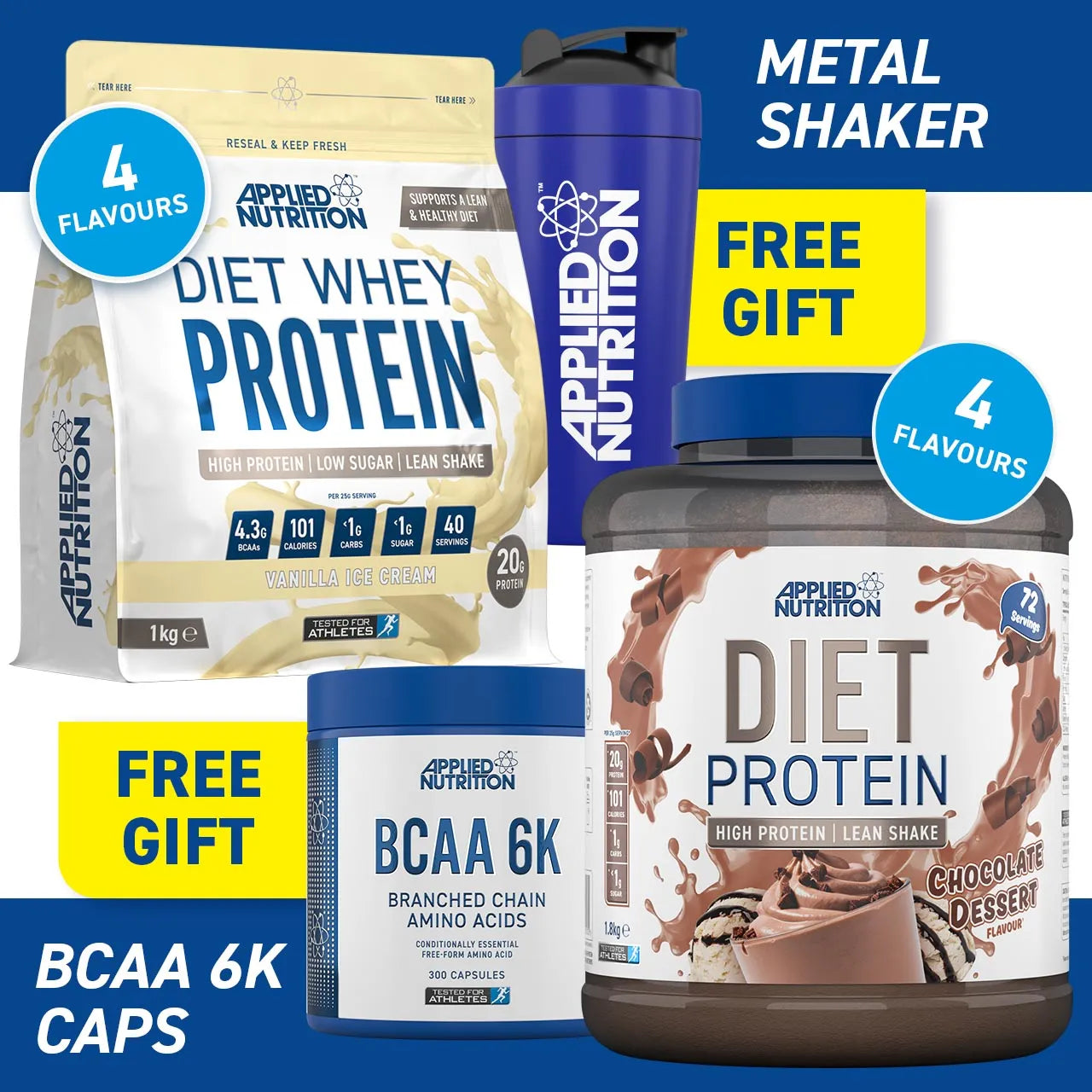
Protein powders often use whey because it is easy to digest and absorb. Many fitness supplements contain whey protein to help build muscles.
Whey protein powders come in different forms, like concentrate, isolate, and hydrolysate. Each type offers different protein levels and digestion speeds.
- Whey concentrate has about 70-80% protein.
- Whey isolate has over 90% protein and less fat.
- Whey hydrolysate is pre-digested for faster absorption.
Whey In Baked Goods
Whey protein is added to baked goods like breads, muffins, and cookies. It helps improve texture and adds protein content.
Adding whey makes baked goods softer and more moist. It also helps them stay fresh longer.
- Breads with whey have better volume and softness.
- Muffins get a moist texture and richer taste.
- Cookies become chewier and more tender.
Whey In Protein Bars
Protein bars often use whey protein to increase protein levels. It helps athletes and busy people get extra nutrition.
Whey makes protein bars easier to chew and digest. It also helps bind the ingredients together well.
- Whey adds smooth texture to protein bars.
- It boosts protein without adding bad taste.
- Bars with whey keep their shape and freshness.
Credit: appliednutrition.uk
Plant-based Foods With Whey Additions
Whey protein is a popular ingredient to boost protein content. Some plant-based foods now have whey added. This helps increase their nutritional value.
Adding whey protein to plant-based foods blends animal and plant nutrition. It creates options with more complete protein profiles.
Fortified Plant Milks
Fortified plant milks often include whey protein to raise protein levels. These milks start with almond, soy, oat, or rice bases. Whey protein is added to improve taste and nutrition.
Whey addition makes these drinks richer in essential amino acids. It also helps the milk have a creamier texture. Many brands use this mix to appeal to more consumers.
- Almond milk with whey protein
- Soy milk fortified with whey
- Oat milk blends with whey
- Rice milk with added whey protein
Vegan Protein Blends With Whey
Some vegan protein powders include whey protein to boost quality. These blends mix pea, rice, or hemp proteins with whey. This creates a balanced amino acid profile.
Adding whey helps improve digestion and muscle support. These blends suit people who want plant-based foods with extra protein benefits.
- Pea protein and whey mixes
- Rice protein combined with whey
- Hemp protein blends with whey additions
Incorporating Whey Into Meals
Whey protein is a popular ingredient to add more protein to your diet. It comes from milk and is easy to digest. You can add whey to many meals to boost nutrition.
Adding whey protein to your food helps build muscles and keeps you full longer. It fits well in drinks, cooking, and snacks for a healthy diet.
Smoothies And Shakes
Whey protein works great in smoothies and shakes. It mixes easily with liquids and adds a creamy texture. You can blend it with fruits, milk, or water.
Try adding whey to your morning shake for a quick, nutritious start. It helps you get protein without cooking.
- Mix whey with banana and almond milk for a tasty smoothie
- Add whey to berry shakes for extra protein
- Use whey with peanut butter and milk for a filling shake
Cooking With Whey Protein
You can add whey protein to many recipes while cooking. It fits well in pancakes, oatmeal, and baked goods. Add it to dry ingredients or mix it in batter.
Whey protein helps increase protein content without changing taste much. It cooks quickly and keeps food soft.
- Stir whey into pancake or waffle batter
- Add whey to muffin or cookie mixes
- Mix whey into soups or sauces for extra protein
Snacks Featuring Whey
Whey protein makes snacks more filling and nutritious. You can add it to energy balls, yogurt, or protein bars. It helps keep hunger away between meals.
Use whey in snacks that are easy to prepare and carry with you. It gives a quick protein boost anytime.
- Mix whey with nuts and honey for energy balls
- Stir whey into Greek yogurt with fruits
- Use whey in homemade protein bars or bites
Choosing Quality Whey Sources
Whey protein comes from milk and is popular for muscle building. Choosing a good whey source helps your body get the best nutrients.
Not all whey protein is the same. Knowing the differences helps you pick the right one for your needs.
Grass-fed Vs. Conventional Whey
Grass-fed whey comes from cows that eat grass. These cows live mostly outdoors and eat natural food. Conventional whey comes from cows fed grains and other feed.
Grass-fed whey often has more vitamins and omega-3 fats. It may also have less artificial chemicals. Conventional whey can still be good but may have fewer nutrients.
- Grass-fed whey: More natural nutrients, fewer additives
- Conventional whey: Usually cheaper, may have less nutrition
- Grass-fed whey: Supports animal welfare better
- Conventional whey: More common and widely available
Whey Concentrate Vs. Isolate
Whey concentrate has more fat and lactose. It keeps more natural parts of milk. Whey isolate has less fat and lactose. It is more pure protein.
Isolate is good for people who want high protein and low carbs. Concentrate is better if you want a more natural product with some fat and carbs.
| Type | Protein % | Fat | Lactose | Best For |
|---|---|---|---|---|
| Whey Concentrate | 70-80% | More | More | General use, natural taste |
| Whey Isolate | 90%+ | Less | Less | Low lactose, high protein needs |
Credit: medium.com
Frequently Asked Questions
What Foods Naturally Contain Whey Protein?
Whey protein is naturally found in dairy products like milk, cheese, and yogurt. It is a byproduct of cheese production. These foods provide high-quality protein that supports muscle growth and repair.
Is Whey Protein Found In Plant-based Foods?
No, whey protein is exclusive to animal-based dairy products. Plant-based foods contain other proteins but lack whey. Vegans often use plant protein powders as alternatives.
How Much Whey Protein Is In Milk?
Milk contains about 0. 6 to 0. 8 grams of whey protein per 100 ml. It is a balanced source of both whey and casein proteins. Milk is a convenient way to consume whey naturally.
Can I Get Whey Protein From Cheese?
Yes, fresh cheeses like ricotta and cottage cheese contain whey protein. Hard cheeses have less whey because it is removed during processing. Fresh cheeses are an excellent whey protein source.
Conclusion
Whey protein comes from many common foods. Dairy products like milk, cheese, and yogurt contain it. Whey protein supports muscle growth and repair. Eating these foods helps meet daily protein needs. It suits people who want to stay healthy and strong.
Choose natural sources for better nutrition and taste. Remember, a balanced diet includes various protein types. Enjoy a variety of foods for best results. Simple choices can improve your health every day.


