

Are you worried that your favorite whey protein shake might be harming your kidneys? You’re not alone.
Many people wonder if consuming whey protein could lead to kidney stones, a painful and common health issue. But what does the science really say? Before you decide to cut out whey protein from your diet, it’s important to understand the facts.
You’ll discover the truth about whey protein and kidney stones, so you can make smart choices for your health without unnecessary fear. Keep reading to get clear, simple answers that matter to you.
Whey Protein Basics
Whey protein is a popular supplement. It is used by athletes and fitness enthusiasts.
People often ask if whey protein causes kidney stones. Understanding whey protein can help answer this question.
What Is Whey Protein
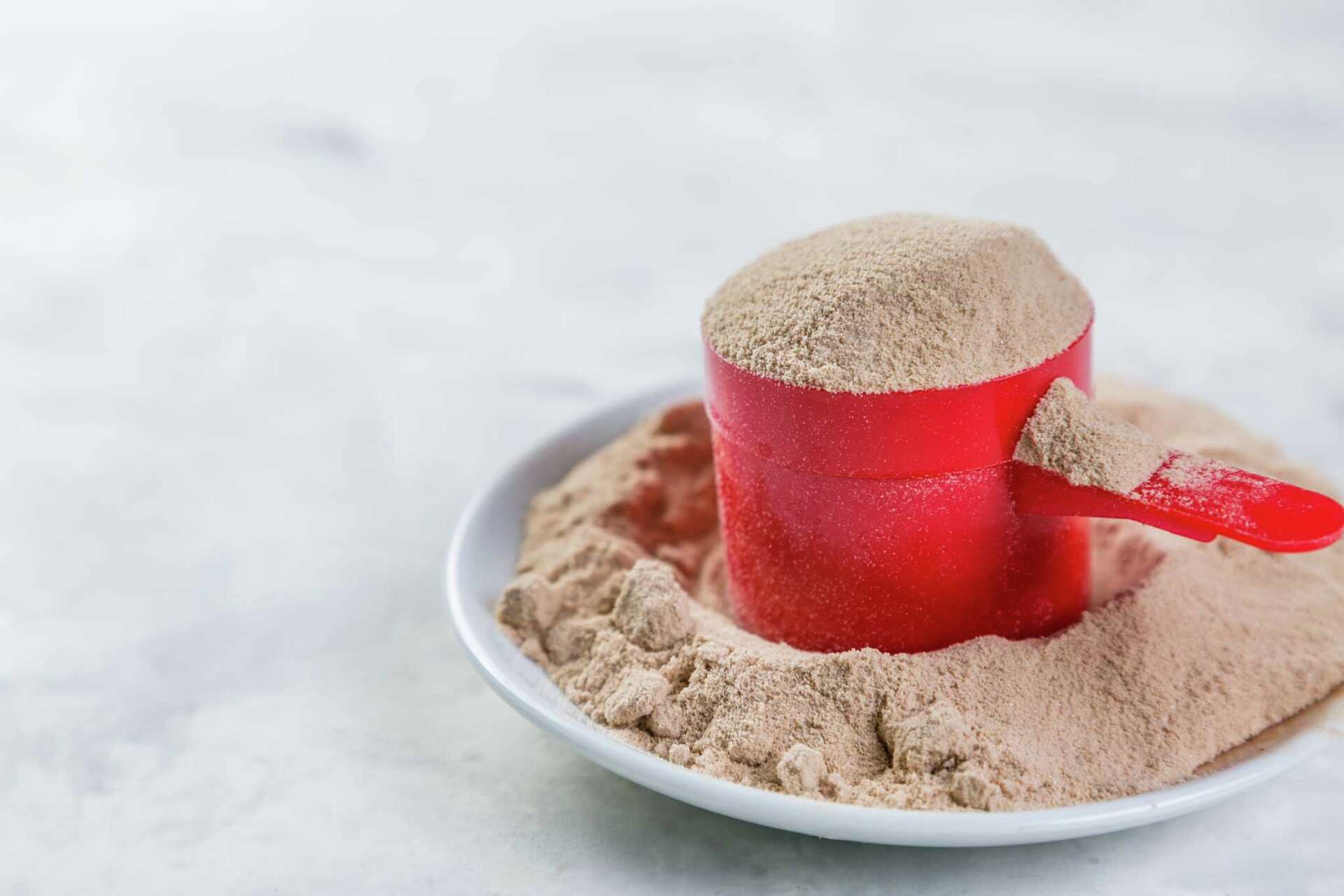
Whey protein is a byproduct of cheese production. It is a complete protein with all essential amino acids.
It is easily digestible and absorbed by the body quickly. This makes it ideal for muscle repair and growth.
Common Uses And Benefits
Whey protein is often used to build muscle. It is also used for weight loss and improving athletic performance.
It may help reduce hunger and boost metabolism. These benefits make it a popular choice for fitness goals.
- Supports muscle growth and repair
- Helps with weight management
- Improves exercise recovery
Kidney Stones Explained
Kidney stones are hard, small lumps that form inside the kidneys. They can cause pain and block urine flow.
These stones form when substances in the urine become too concentrated. This causes crystals to build up and stick together.
Types And Causes
There are different types of kidney stones. Each type forms from different substances in the urine.
Common causes include not drinking enough water and eating too much salt or protein.
- Calcium stones: Made from calcium combined with oxalate or phosphate
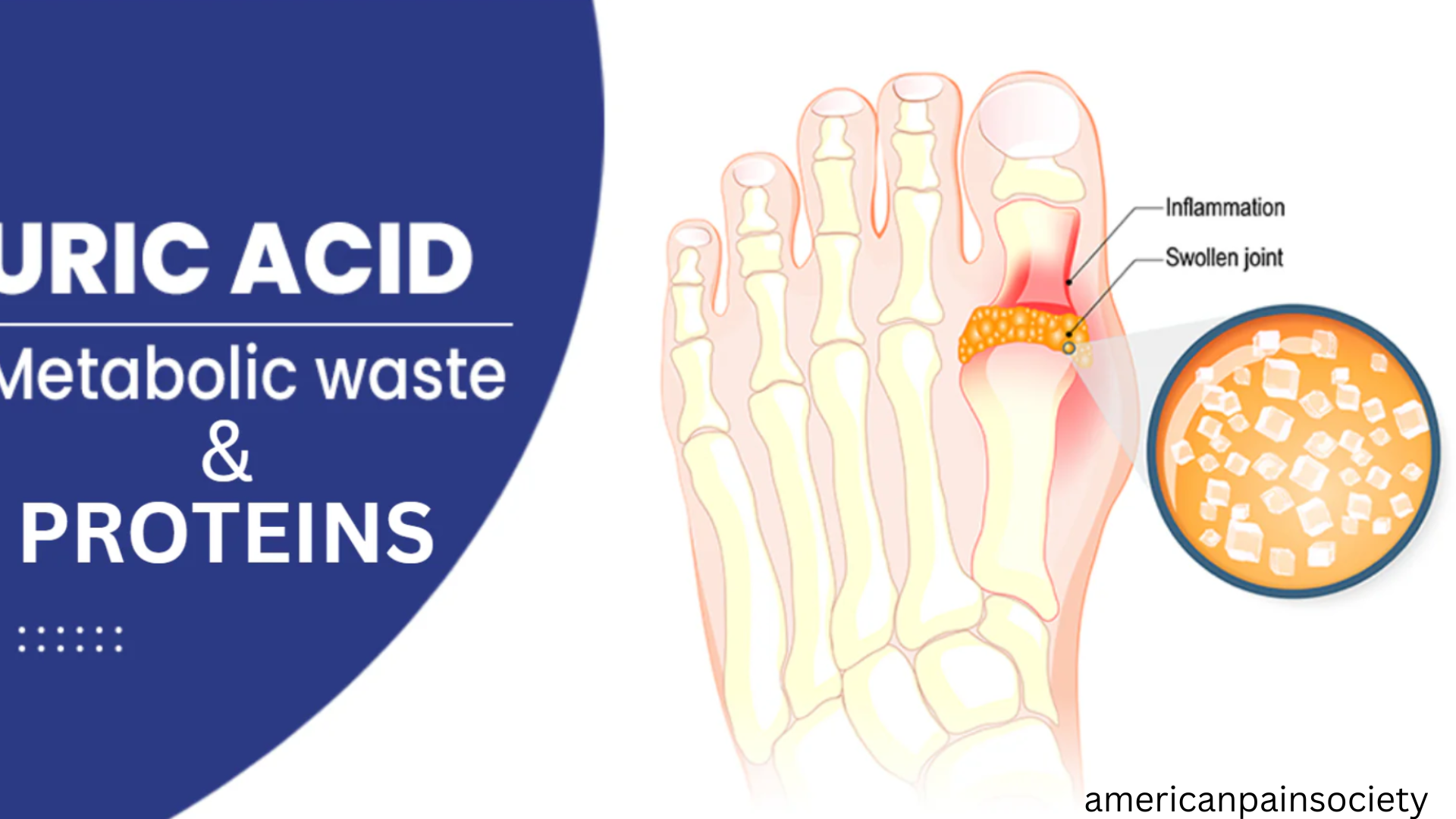
- Uric acid stones: Formed when urine is too acidic
- Struvite stones: Linked to infections in the urinary tract
- Cystine stones: Caused by a rare genetic disorder
Risk Factors
Some people have a higher chance of getting kidney stones. Risk factors can increase stone formation.
Eating a lot of protein, including whey protein, may raise the risk. This is because it can increase calcium and uric acid in urine.
- Dehydration or low water intake
- High salt or protein diets
- Family history of kidney stones
- Obesity or certain health conditions
- Urinary tract infections
Whey Protein And Kidney Health
Whey protein is popular among athletes and people who want to build muscle. Some worry it may affect the kidneys or cause kidney stones.
This article looks at how whey protein impacts kidney health and what research says about its safety.
Impact On Kidney Function
The kidneys filter waste and extra fluids from the blood. High protein diets make kidneys work harder. This raises concerns about kidney damage.
For healthy people, moderate whey protein does not harm kidney function. The kidneys can handle the extra work without damage.
- Whey protein increases waste to filter but within safe limits.
- No evidence shows kidney damage in healthy adults from whey protein.
- People with kidney disease should limit protein intake and consult a doctor.
Research Findings
Studies show that whey protein does not cause kidney stones in healthy individuals. Kidney stones result from many factors, not protein alone.
Research also finds no link between whey protein and worse kidney health for people without kidney problems. People with kidney issues must be cautious.
- A study found no kidney damage in healthy adults using whey protein for months.
- Protein intake above normal levels may stress kidneys if kidney disease exists.
- Kidney stones often form from dehydration and mineral imbalances, not whey protein.
Credit: www.weekand.com
Link Between Whey Protein And Kidney Stones
Many people wonder if whey protein causes kidney stones. This question is common among those who use protein powders. Understanding the link helps you make better choices.
Kidney stones form when certain substances in urine become too concentrated. Diet plays a key role in this process. Let’s explore how whey protein fits in.
Protein Intake And Stone Formation
Eating too much protein can increase the chance of kidney stones. Protein makes the body produce more acid. This acid can cause calcium to leave bones and enter urine.
When calcium in urine rises, it can join with other minerals to form stones. Whey protein adds to total protein intake. People with kidney problems should watch their protein amount.
- High protein raises calcium and oxalate in urine
- More acid from protein can harm kidneys over time
- Normal protein intake is usually safe for healthy kidneys
- Stay hydrated to help prevent stones
Myths Vs Facts
There are many myths about whey protein and kidney stones. Some believe whey always causes stones. This is not true for most people.
People with healthy kidneys can use whey protein safely. Drinking enough water lowers stone risk. It is important to balance protein with other nutrients.
- Myth:Whey protein always causes kidney stones.
- Fact:It may raise risk only if protein intake is very high.
- Myth:Only whey protein causes stones.
- Fact:Any high protein source can affect stone risk.
- Myth:Drinking little water is fine with whey protein.
- Fact:Low water intake increases stone formation risk.
Safe Whey Protein Consumption
Whey protein is popular for building muscle and recovery. Some worry it may cause kidney stones.
Eating whey protein safely helps avoid health problems. This guide shares tips to keep you safe.
Recommended Dosages
Taking too much whey protein can strain your kidneys. Most adults do well with 20 to 30 grams per serving.
Daily protein needs depend on your body weight and activity. Usually, 0.8 to 1 gram per kilogram is enough.
- Do not exceed 2 grams per kilogram of body weight daily
- Spread protein intake throughout the day
- Consult a doctor if you have kidney issues
Hydration And Diet Tips
Drinking enough water helps prevent kidney stones. It flushes out waste from your body.
Eating a balanced diet supports kidney health. Limit salt and foods high in oxalates.
- Drink at least 8 glasses of water daily
- Avoid excessive salt and processed foods
- Include fruits and vegetables in meals
Credit: americanpainsociety.org
When To Consult A Doctor
Whey protein is popular for building muscle and recovery. Some worry it may cause kidney stones.
You should see a doctor if you have signs of kidney problems. Early care helps prevent serious issues.
Symptoms To Watch For
Kidney stones can cause sharp pain and other symptoms. Knowing these signs helps you act fast.
- Severe pain in the back or side
- Blood in the urine
- Frequent urge to urinate
- Pain while urinating
- Nausea or vomiting
- Fever and chills
If you notice these symptoms after taking whey protein, contact your doctor soon.
Medical Advice And Testing
Doctors can check if whey protein affects your kidneys. They may suggest tests to find kidney stones.
Tests include urine checks, blood tests, and imaging scans. These help detect stones or kidney damage early.
- Urine analysis to find crystals or blood
- Blood tests to check kidney function
- Ultrasound or CT scan to see stones
- Advice on protein intake and diet
Follow your doctor’s guidance on protein use and kidney health to stay safe.

Credit: www.youtube.com
Frequently Asked Questions
Can Whey Protein Cause Kidney Stones In Healthy Adults?
Whey protein alone rarely causes kidney stones in healthy adults. Excessive intake and dehydration increase risks. Balanced diet and hydration help prevent stones.
How Does Whey Protein Affect Kidney Health?
Whey protein supports muscle growth but can stress kidneys if consumed excessively. Healthy kidneys handle moderate whey protein without issues. Consult a doctor if you have kidney problems.
Is High Protein Intake Linked To Kidney Stones?
High protein diets can increase calcium and oxalate excretion, raising kidney stone risk. Moderation and hydration reduce this risk. Balanced protein intake is key for kidney health.
Should People With Kidney Disease Avoid Whey Protein?
Yes, people with kidney disease should limit whey protein intake. It may worsen kidney function. Always consult a healthcare provider for personalized advice.
Conclusion
Whey protein does not directly cause kidney stones in healthy people. Drinking enough water helps keep kidneys healthy. People with kidney problems should ask a doctor before using whey. Balanced diet and exercise support overall kidney health. Moderation is key to avoid any risks.
Stay informed and listen to your body’s signals. Whey protein can be safe when used wisely. Always prioritize your health over quick fitness results.


