
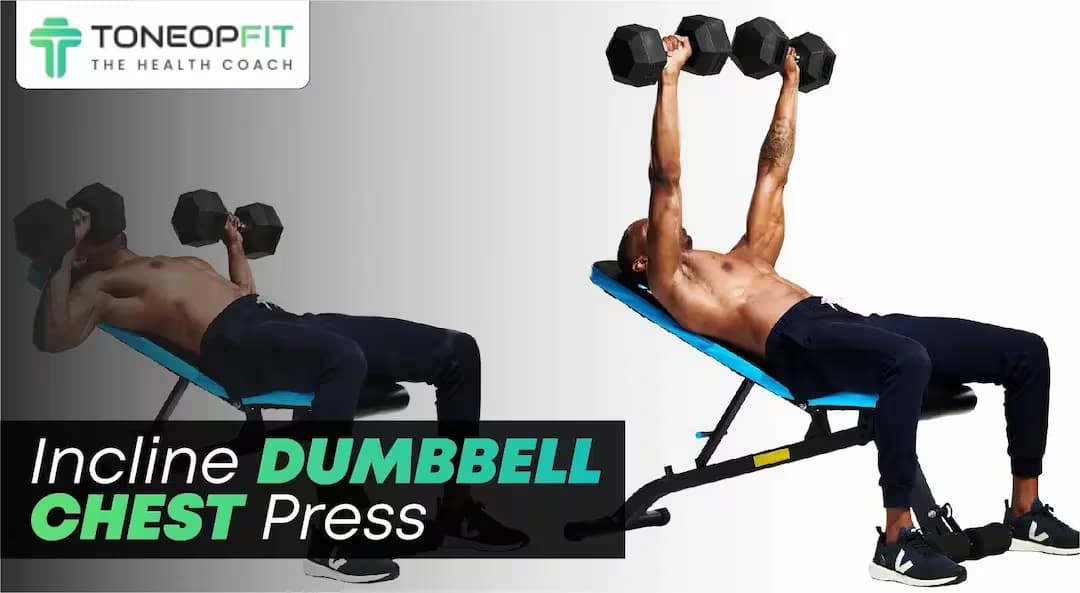
If you’re looking to build a stronger, more defined upper chest, the incline dumbbell press is a powerful exercise you need to know about. But what exactly does it work?
Understanding which muscles you target can help you get the best results and avoid wasting time on moves that don’t deliver. You’ll discover how this simple exercise can transform your chest, shoulders, and arms—helping you reach your fitness goals faster.
Ready to learn how to make every rep count? Let’s dive in.
Muscles Targeted By Incline Dumbbell Press
The incline dumbbell press is a popular exercise in strength training. It focuses on several key muscles in the upper body.
Understanding these muscles helps improve your workout effectiveness. Let’s explore the muscles targeted by this exercise.
Upper Chest Activation
The incline dumbbell press mainly targets the upper chest. This area is also known as the clavicular head of the pectoralis major.
This part of the chest benefits from the angled position. It provides a more focused workout than a flat bench press.
Shoulder Involvement
The shoulders play a key role in the incline dumbbell press. The anterior deltoids are especially engaged during the lift.
This exercise helps in building shoulder strength. It also contributes to shoulder stability and overall upper body power.
Triceps Engagement
The triceps are secondary muscles in this exercise. They assist in extending the elbows during the press.
Strong triceps enhance your ability to lift heavier weights. They also improve the stability of your arms during the movement.
- Upper chest is the primary target
- Shoulders provide support and stability
- Triceps help in arm extension
Benefits Of Incline Dumbbell Press
The incline dumbbell press is a popular exercise for the upper chest. It uses dumbbells and a bench set at an angle.
This exercise helps build strength and shape in the chest and shoulders. It targets muscles differently than flat presses.
Improved Chest Definition
The incline dumbbell press focuses on the upper chest muscles. This area often needs extra work for better shape.
By targeting the upper chest, this exercise helps create a fuller, more defined look. It lifts and sculpts the chest.
Balanced Muscle Development
Using dumbbells requires each arm to work independently. This helps fix strength imbalances between sides.
This exercise also engages stabilizer muscles. It supports balanced growth in the chest, shoulders, and arms.
- Prevents one side from dominating
- Improves coordination between muscles
- Builds even strength and size
Enhanced Shoulder Stability
The incline angle puts more stress on shoulder muscles. This strengthens the stabilizers around the joint.
Better shoulder stability reduces injury risk. It also improves performance in other pressing movements.
Proper Form And Technique
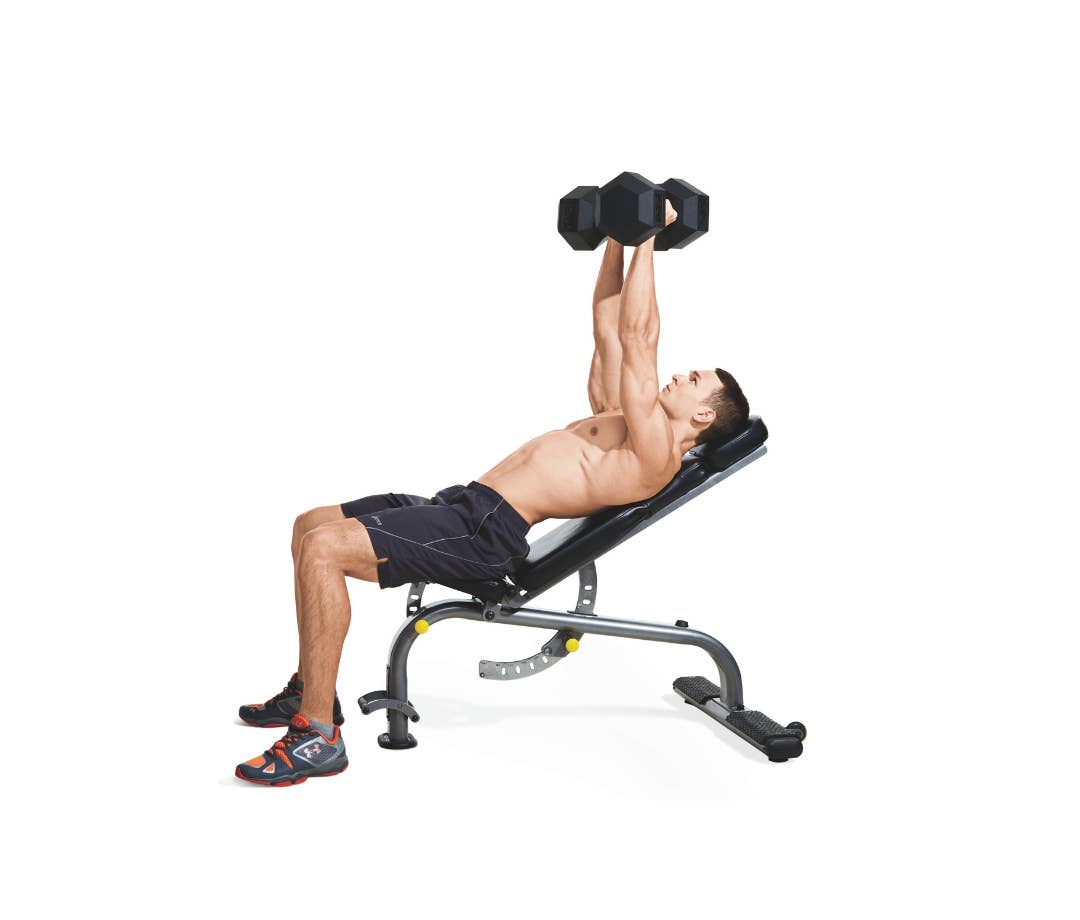
The incline dumbbell press targets the upper chest muscles. Using the right form helps you get the best results. It also lowers the risk of injury.
Focus on bench angle, grip, and movement control. These key points improve your workout quality and effectiveness.
Setting The Bench Angle
Set the bench between 30 and 45 degrees. This angle focuses on the upper chest without stressing your shoulders too much.
A higher angle shifts work to your shoulders. A lower angle works the middle chest more. Find a comfortable position for your body.
- Adjust bench back support to 30-45 degrees
- Keep feet flat on the floor for stability
- Ensure your back stays in contact with the bench
Grip And Hand Position
Hold the dumbbells with a firm grip. Your palms should face forward or slightly towards each other. This position targets the chest well.
Keep wrists straight to avoid strain. Your elbows should bend at about 45 degrees from your torso during the press.
- Grip dumbbells firmly but not too tight
- Palms face forward or slightly inward
- Wrist straight, aligned with forearm
- Elbows at 45-degree angle from the body
Controlled Movement Execution
Lower the dumbbells slowly to your chest. Pause briefly at the bottom. Then push the weights back up in a smooth motion.
Do not lock your elbows at the top. Control helps muscle growth and prevents injury. Breathe out as you push up.
- Lower dumbbells slowly, about 2-3 seconds
- Pause for 1 second at chest level
- Press up smoothly without locking elbows
- Breathe out while pushing up, inhale when lowering
Credit: www.mensjournal.com
Common Mistakes To Avoid
The incline dumbbell press is great for upper chest strength. Many people make mistakes that lower its benefits.
Fixing these errors helps you get better results and avoid injuries. Watch your form carefully.
Overarching The Back
Arching your back too much puts stress on the spine. It can cause pain and injury over time.
Keep your back flat or with a slight natural curve. Your shoulders and hips should stay on the bench.
- Press your feet firmly on the floor
- Tighten your core muscles
- Keep your back in contact with the bench
Elbow Position Errors
Elbows too far out or too close can cause shoulder pain. They also reduce the work on your chest muscles.
Keep your elbows at about a 45-degree angle to your body. This position protects your joints and targets the chest.
- Do not flare elbows straight out
- Avoid keeping elbows too tight to your body
- Find a comfortable middle angle
Using Excessive Weight
Using weights that are too heavy hurts your form. It increases injury risk and lowers muscle gains.
Choose a weight you can control for all reps. Focus on smooth, steady movements to work muscles well.
- Start lighter to learn proper form
- Increase weight gradually
- Stop if form breaks down
Variations And Alternatives
The incline dumbbell press targets the upper chest and shoulders. You can try other exercises to work these muscles differently.
Each variation changes the angle or equipment. This helps build strength and avoid boredom in your workouts.
Incline Barbell Press
The incline barbell press is similar to the dumbbell version. You use a barbell instead of dumbbells for pressing.
This exercise focuses on the upper chest and front shoulders. It lets you lift heavier weights than dumbbells.
- Use a bench set at 30 to 45 degrees
- Grip the barbell with hands slightly wider than shoulders
- Lower the bar slowly to your upper chest
- Push the bar back up without locking elbows
Incline Machine Press
The incline machine press guides your movement on a fixed path. It uses a machine with handles and a seat.
This is a good option for beginners or those with stability issues. It isolates the upper chest and reduces risk of injury.
- Adjust the seat so handles align with your upper chest
- Push the handles forward and slightly up
- Control the return to start position
- Use moderate weight for better form
Push-up Variations
Push-ups also target the upper chest when done at an incline. They use your body weight for resistance.
Changing hand position or angle shifts the focus to different muscles. These are easy to do anywhere.
- Incline push-ups: Hands on a raised surface
- Decline push-ups: Feet on a raised surface
- Wide push-ups: Hands wider than shoulders
- Diamond push-ups: Hands close together under chest

Credit: wersports.com
Incorporating Incline Dumbbell Press In Workouts
The incline dumbbell press targets the upper chest muscles. It also works the shoulders and triceps. Adding this exercise can improve upper body strength and shape.
This exercise fits well into many workout plans. It helps balance chest development and adds variety to pressing movements.
Frequency And Volume
Perform the incline dumbbell press two to three times a week. This frequency allows muscles to recover and grow. Keep volume moderate to avoid overtraining.
A good starting point is three to four sets per session. Each set should have eight to twelve repetitions. Adjust volume based on your goals and recovery.
- 2-3 sessions per week
- 3-4 sets per session
- 8-12 repetitions per set
Pairing With Other Exercises
Combine incline dumbbell press with other chest exercises for full development. Flat bench press and push-ups complement it well. Include shoulder and triceps moves to support pressing strength.
Vary the angles and grips to target muscles differently. This approach prevents plateaus and keeps workouts interesting.
- Flat bench press for mid-chest focus
- Push-ups for endurance and stability
- Overhead press to strengthen shoulders
- Triceps dips or extensions to support pressing
Progressive Overload Strategies
Increase the challenge gradually to build muscle and strength. Add more weight, increase reps, or do extra sets over time. Track your progress to stay consistent.
Focus on proper form while increasing intensity. Avoid rushing to lift heavier weights to reduce injury risk.
- Add small weight increments regularly
- Increase repetitions within target range
- Perform an extra set occasionally
- Use controlled movement and full range of motion

Credit: zensportsy.com
Frequently Asked Questions
What Muscles Does Incline Dumbbell Press Target?
The incline dumbbell press primarily targets the upper chest muscles. It also engages the front shoulders and triceps. This exercise helps build strength and definition in the upper chest area, improving overall chest shape and upper body power.
How Does Incline Angle Affect Muscle Activation?
A steeper incline angle increases upper chest activation. Lower angles target the middle chest more. Adjusting the bench angle changes which part of the chest works hardest. This helps create balanced chest development and avoids muscle imbalances.
Is Incline Dumbbell Press Better Than Flat Bench Press?
Incline dumbbell press focuses more on the upper chest. Flat bench press targets the overall chest area. Both are effective but serve different purposes. Combining both exercises provides balanced chest growth and improved strength across the entire chest.
Can Incline Dumbbell Press Improve Shoulder Stability?
Yes, incline dumbbell press helps strengthen shoulder stabilizer muscles. It engages the deltoids and rotator cuff during the movement. This improves shoulder stability and reduces the risk of injury during other pressing exercises.
Conclusion
The incline dumbbell press targets your upper chest muscles well. It also works your shoulders and triceps, helping build strength. This exercise adds variety to your chest workouts. Using dumbbells allows better muscle control and balance. Try to keep good form to avoid injury.
Include this move in your routine for better upper body strength. Small changes bring steady progress. Keep pushing yourself, and results will follow.


