

If you want to build strong, well-defined pectoral muscles using just dumbbells, you’re in the right place. Whether you’re new to working out or looking to switch up your routine, this guide will show you simple and effective exercises that target your chest.
Imagine feeling more confident in your shirt or having the strength to push through tough workouts. By the end of this article, you’ll know exactly how to use dumbbells to shape your chest muscles and see real results. Ready to transform your upper body?
Let’s dive in.
Benefits Of Dumbbell Chest Workouts
Dumbbell chest workouts are great for building pectoral muscles. They provide flexibility and control during exercises.
Using dumbbells can help balance strength and improve muscle symmetry. They are versatile and can be used at home or the gym.
Improved Muscle Balance
Dumbbell exercises help with muscle balance. Each arm works independently, which prevents imbalances.
This means both sides of your chest develop equally. It’s important for a well-proportioned body.
Increased Range Of Motion
Dumbbells allow for a greater range of motion. This can lead to better muscle growth.
When you lower dumbbells, your arms go deeper than with a barbell. This helps stretch and build chest muscles effectively.
Versatility In Workouts
Dumbbells offer many workout options. You can perform different chest exercises using them.
- Flat bench press
- Incline bench press
- Chest flyes
Improved Stabilizer Muscles
Using dumbbells requires stabilizing muscles to work harder. This enhances overall strength.
Stabilizer muscles support the main muscles during lifts. Dumbbells ensure they engage more effectively.
Convenience And Accessibility
Dumbbells are convenient and accessible. You can use them at home or in the gym easily.
They don’t take up much space. This makes them ideal for home workouts.
Credit: www.youtube.com
Essential Dumbbell Exercises For Pecs
Building strong pectoral muscles improves your chest shape and strength. Dumbbells let you work your pecs in many ways. They help balance muscle growth on both sides.
Here are key dumbbell exercises to build your chest muscles effectively. Use these moves to target different parts of your pecs.
Flat Dumbbell Press
The flat dumbbell press works the middle part of your chest. It also uses your shoulders and triceps. Lie on a flat bench and press the dumbbells up.
Keep your wrists straight and lower the dumbbells slowly. Push them back up until your arms are straight. This move builds size and strength in your pecs.
Incline Dumbbell Press
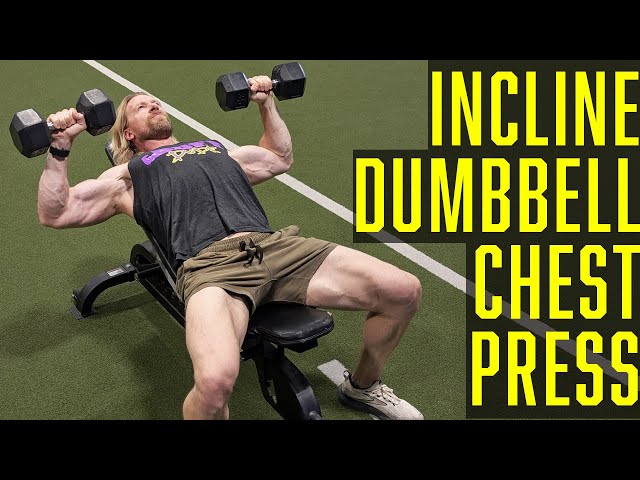
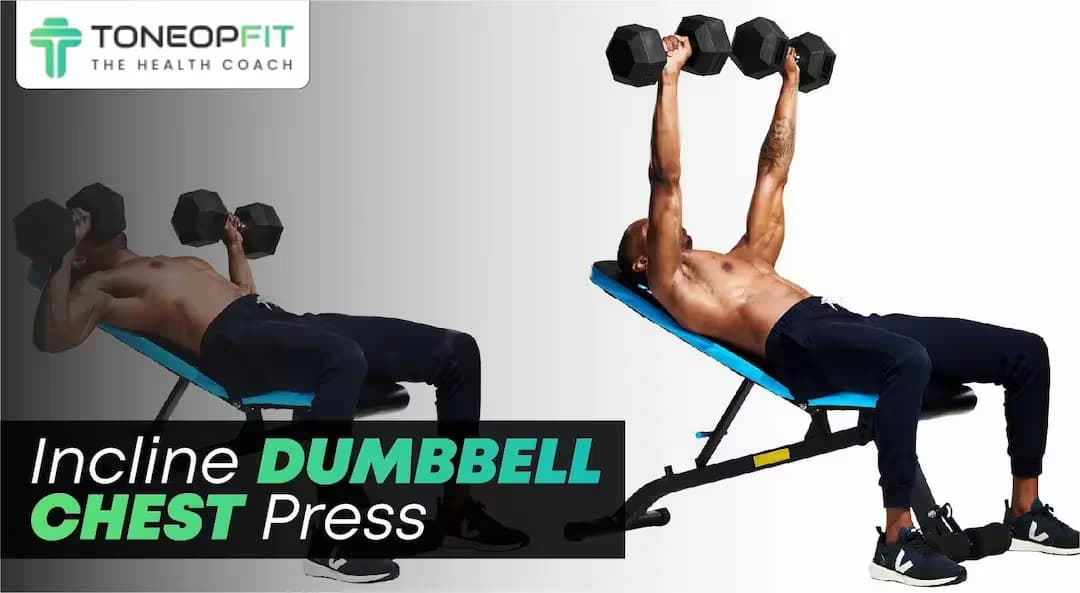
The incline dumbbell press targets the upper chest muscles. Set the bench to a 30-45 degree angle. Press the dumbbells up from chest level.
This exercise helps create a fuller look in the upper chest. Control the dumbbells as you lower and lift them. Keep your feet flat on the floor for support.
Dumbbell Flyes
Dumbbell flyes stretch and work the chest muscles from a different angle. Lie on a flat or incline bench. Hold dumbbells above your chest with a slight bend in your elbows.
Slowly lower your arms out to the sides. Feel the stretch in your chest. Bring the dumbbells back together above your chest without locking your elbows.
- Keep movements slow and controlled
- Do not lower weights too far to avoid shoulder strain
- Focus on the chest stretch and squeeze
Pullover Variations
Pullover exercises work your chest and help expand the rib cage. Lie on a flat bench and hold a dumbbell with both hands above your chest. Lower it back over your head slowly.
Bring the dumbbell back to the start position using your chest muscles. Try different pullover angles to target your pecs and lats. Keep your core tight for stability.
- Classic dumbbell pullover
- Single-arm pullover
- Incline pullover variations
Proper Form And Technique
Building pectoral muscles with dumbbells requires good form. Proper technique helps you work muscles safely and well.
Using correct form lowers injury risk. It also makes your workout more effective for chest growth.
Grip And Hand Position
Hold dumbbells firmly but not too tight. Your grip affects how the chest muscles work during exercises.
Keep your hands shoulder-width apart. This position targets the pectoral muscles better than a wide or narrow grip.
- Use a neutral grip for presses, palms facing each other
- For flyes, keep palms facing each other or slightly turned
- Keep wrists straight to avoid strain
Range Of Motion
Move the dumbbells through a full, controlled range. This helps stretch and contract chest muscles fully.
Do not lower dumbbells too far. Going too low can stress your shoulder joints and cause injury.
- Lower dumbbells until your elbows are just below chest level
- Press dumbbells up without locking your elbows
- Keep movements slow and steady
Breathing Tips
Breathe properly to keep energy and control. Good breathing improves performance and safety.
Inhale as you lower the dumbbells. Exhale when you press them up or lift.
- Inhale through your nose during the lowering phase
- Exhale through your mouth when pushing or lifting
- Keep breathing steady and avoid holding your breath
Credit: toneopfit.com
Creating An Effective Workout Plan
Building strong pectoral muscles with dumbbells needs a clear plan. A good workout plan helps you get results safely and fast.
Focus on the right sets, rest, and progression. These parts keep your muscles growing and avoid injuries.
Sets And Reps
Sets and reps decide how many times you lift and repeat exercises. This shapes your muscle growth and strength.
For pectoral muscles, aim for 3 to 4 sets of 8 to 12 reps. This range builds size and power well.
- 3–4 sets per exercise
- 8–12 repetitions each set
- Choose weight you can lift with good form
Rest Periods
Rest time between sets helps muscles recover. Proper rest lets you lift well in the next set.
Rest 60 to 90 seconds after each set. This keeps muscle strength and endurance balanced.
- Rest 60–90 seconds between sets
- Longer rests for heavier weights
- Shorter rests for endurance training
Progressive Overload
Progressive overload means slowly increasing workout difficulty. It forces muscles to grow stronger.
Add more weight or reps over time. This keeps your chest muscles challenged and improving.
- Increase weight by small amounts
- Add 1–2 reps per set each week
- Track your progress to stay motivated
Common Mistakes To Avoid
Building pectoral muscles with dumbbells can be effective. Avoid mistakes that slow your progress or cause injury.
Pay attention to form and preparation to get the best results safely.
Using Too Much Weight
Many try to lift heavy dumbbells too soon. This can cause poor form and injury.
Start with lighter weights and increase gradually as you gain strength and control.
- Heavy weights reduce control and increase risk
- Light weights help maintain proper form
- Slow weight increase improves muscle growth safely
Poor Posture
Bad posture limits muscle activation and can cause pain. Keep your back flat and shoulders down.
Focus on stable body position to work your chest muscles correctly.
- Keep feet flat on the floor
- Keep your chest up and shoulders back
- Avoid arching your back too much
Neglecting Warm-up
Skipping warm-up can cause muscle strain. Warm muscles work better and reduce injury risk.
Spend 5 to 10 minutes warming up before lifting dumbbells.
- Do light cardio like walking or jogging
- Perform dynamic stretches for your chest and arms
- Use very light weights to practice movement
Recovery And Muscle Growth
Building pectoral muscles with dumbbells needs more than just exercise. Recovery helps muscles grow stronger and bigger. Proper rest and care are key parts of muscle growth.
After workouts, muscles repair tiny tears. This process helps them get larger and tougher. Giving your body time to recover is very important.
Nutrition Tips
Eating the right foods helps your muscles recover and grow. Protein is the main building block for muscle repair. Include protein in every meal.
Also, drink enough water. Staying hydrated supports muscle function and recovery. Avoid too much sugar and processed foods.
- Eat lean meats, fish, eggs, and beans
- Include vegetables and fruits for vitamins
- Drink at least 8 cups of water daily
- Limit sugary and fatty snacks
Rest And Sleep
Rest is important for muscle growth. Your muscles work hard during training and need time to rebuild. Without enough rest, you can get tired and weak.
Sleep helps your body repair muscles and balance hormones. Try to get 7 to 9 hours of sleep every night for best results.
- Take breaks between workout days
- Aim for 7-9 hours of sleep nightly
- Keep a regular sleep schedule
- Avoid screens before bedtime
Stretching And Mobility
Stretching helps keep your chest muscles flexible. It reduces soreness and lowers injury risk. Stretch before and after your dumbbell workouts.
Mobility exercises improve your shoulder and chest movement. This helps you lift weights with better form and less pain.
- Do gentle chest stretches after training
- Use arm circles to improve shoulder mobility
- Hold each stretch for 20-30 seconds
- Include stretching in your daily routine
Advanced Dumbbell Chest Techniques
Building strong pectoral muscles requires more than basic exercises. Advanced dumbbell techniques help target chest muscles deeply.
These techniques increase muscle tension and improve growth by changing the workout style.
Drop Sets
Drop sets push your chest muscles beyond normal fatigue. Start with a heavy weight and do reps until failure.
Then reduce the weight and continue without resting. Repeat this process to increase muscle endurance and size.
- Choose a heavy dumbbell for 8-10 reps
- Drop weight by 20-30% after failure
- Keep going with lighter weights immediately
- Perform 2-3 drops per set
Supersets
Supersets combine two chest exercises without rest. This keeps muscles under constant tension and improves pump.
Pair exercises that target different parts of the chest for balanced muscle growth.
- Do dumbbell bench press followed by dumbbell flys
- Perform each exercise back-to-back
- Rest 60-90 seconds after the superset
- Repeat for 3-4 sets
Tempo Training
Tempo training controls the speed of each movement. Slowing down increases muscle tension and time under load.
Use a slow and steady tempo to improve muscle control and growth.
- Lower dumbbells slowly for 3-4 seconds
- Pause for 1 second at the bottom
- Lift dumbbells in 1-2 seconds
- Repeat for 8-12 reps per set

Credit: www.tousains.com
Frequently Asked Questions
What Are The Best Dumbbell Exercises For Pectoral Muscles?
Effective dumbbell exercises include dumbbell bench press, dumbbell flyes, and dumbbell pullover. These target different areas of the chest. Incorporate these moves to build muscle evenly and increase strength. Proper form and controlled motion maximize gains and reduce injury risk.
How Often Should I Train Chest With Dumbbells?
Train your chest 2 to 3 times per week with dumbbells. Allow 48 hours between sessions for muscle recovery. Consistency is key to muscle growth. Overtraining can cause injury and hinder progress. Balance workouts with rest for optimal results.
Can Dumbbells Build Bigger Pectoral Muscles Fast?
Dumbbells can effectively build pectoral muscles with proper routine and nutrition. Progressive overload and consistent training lead to visible growth. Results vary by individual based on genetics and effort. Combine dumbbell workouts with a protein-rich diet for best outcomes.
Is Dumbbell Training Better Than Barbell For Chest Gains?
Dumbbells offer greater range of motion and muscle activation than barbells. They help correct muscle imbalances by working each side independently. Barbells allow heavier lifting but less joint flexibility. For balanced chest development, include both in your routine.
Conclusion
Building pectoral muscles with dumbbells takes time and effort. Stick to a regular workout routine for steady progress. Focus on proper form to avoid injuries and gain strength. Use different dumbbell exercises to target all chest areas. Rest and good nutrition help muscles grow faster.
Stay patient and consistent to see real results. Small steps each day lead to stronger chest muscles. Keep your goals clear and enjoy the process.


