

Are you looking to build stronger, more defined shoulders? The dumbbell front raise is a simple yet powerful exercise that might just be the key.
But what exactly does the dumbbell front raise work? Understanding which muscles you’re targeting can help you get the most out of your workout and avoid injury. Keep reading to discover how this move can transform your upper body and boost your strength.
You’ll learn exactly why adding dumbbell front raises to your routine can make a big difference.

Credit: swolverine.com
Muscles Engaged By Dumbbell Front Raise
The dumbbell front raise is a popular exercise. It helps build shoulder strength. It engages several muscles in your upper body.
This exercise is effective for targeting specific shoulder muscles. It also involves other muscles for stability and support.
Primary Target: Anterior Deltoid
The main muscle worked in the dumbbell front raise is the anterior deltoid. This muscle is located at the front of your shoulder.
Strengthening the anterior deltoid enhances shoulder mobility. It also improves the overall look of your shoulders.
Secondary Muscles Involved
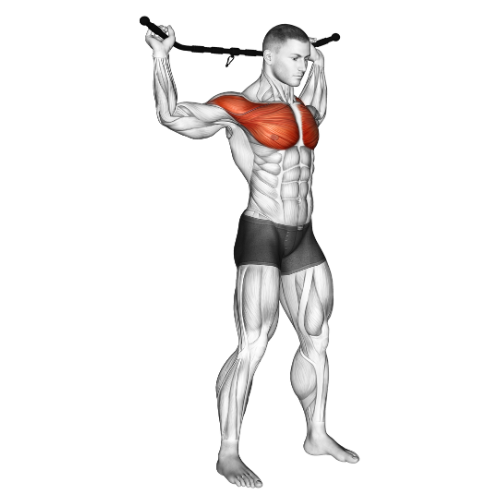
While the focus is on the anterior deltoid, other muscles help too. The trapezius and pectoral muscles are also engaged.
The upper chest and neck area benefit from this exercise. It helps maintain balance and control during movement.
Role Of Stabilizer Muscles
Stabilizer muscles play a key role in the dumbbell front raise. These include the core muscles and the rotator cuff.
They ensure stability and proper form while lifting. Strong stabilizer muscles prevent injuries and improve performance.
Credit: www.endomondo.com
Benefits Of Dumbbell Front Raise
The dumbbell front raise is a simple exercise that targets the shoulders. It helps build strength and shape in the front part of the shoulder.
This exercise is easy to do and offers many benefits for your upper body health and appearance.
Improved Shoulder Strength
Dumbbell front raises focus on the front deltoid muscle. This muscle helps lift your arms forward and up.
Strong front shoulders improve your ability to carry and push objects. They also support better posture during daily activities.
Enhanced Muscle Definition
This exercise tones the shoulder muscles, giving your arms a more defined look. It helps create a balanced and athletic appearance.
Regular dumbbell front raises can reduce fat around the shoulder area, making muscles more visible.
Injury Prevention And Joint Health
Strengthening the front shoulder muscles protects the shoulder joint from injuries. It supports the joint during lifting and reaching movements.
Strong shoulder muscles help keep the joint stable and reduce pain caused by weak muscles or poor posture.
Proper Form And Technique
The dumbbell front raise targets the front shoulder muscles. It helps build strength and definition. Using the right form is key to avoid injury.
This guide explains the proper position and movement. It also points out common mistakes to avoid.
Starting Position
Stand with feet shoulder-width apart. Hold a dumbbell in each hand with palms facing your body. Keep your arms straight but not locked.
Keep your back straight and chest up. Engage your core to support your posture during the lift.
Movement Execution
Lift the dumbbells slowly in front of you. Raise your arms until they reach shoulder height. Keep a slight bend in your elbows.
Pause briefly at the top. Lower the dumbbells back down with control. Avoid swinging or using momentum.
Common Mistakes To Avoid
Do not lift the dumbbells too high. Raising above shoulder level strains your joints. Avoid locking your elbows during the movement.
Do not use your back to lift the weights. Swinging reduces effectiveness and can cause injury. Keep your core tight and movement smooth.
- Lifting too fast or with momentum
- Raising dumbbells above shoulder height
- Locking elbows or bending wrists
- Leaning backward or forward
- Not engaging the core muscles
Variations To Target Different Muscles
Dumbbell front raises work your shoulder muscles, mainly the front deltoids. Different variations can help target other muscles or change the workout focus.
Trying various forms of front raises helps balance muscle development and keeps your routine interesting.
Alternating Front Raise
The alternating front raise uses one arm at a time. This helps you focus on each shoulder separately and improves muscle control.
This variation also engages your core more because you need to balance your body while lifting one dumbbell.
Seated Dumbbell Front Raise
Doing front raises seated removes body momentum. This change makes your shoulder muscles work harder to lift the weights.
This version targets the front deltoids more by reducing help from other muscles like your legs or back.
Cable Front Raise
The cable front raise uses a cable machine instead of dumbbells. It gives constant tension on your muscles throughout the movement.
This variation helps build strength and muscle control by working your shoulders in a smooth and steady way.
Integrating Dumbbell Front Raise Into Workouts
The dumbbell front raise targets the front part of your shoulder muscles. It helps build strength and shape in your shoulders.
Adding this exercise to your workout can improve your overall shoulder development and stability.
Combining With Other Shoulder Exercises
Pair dumbbell front raises with other shoulder moves to work all muscle areas. This balance helps avoid muscle weakness.
Try mixing front raises with side raises and overhead presses. This combination works the front, side, and rear shoulders well.
- Side raises for the middle shoulder muscles
- Overhead presses to build overall shoulder strength
- Reverse flyes targeting rear shoulder muscles
Repetition And Set Recommendations
For muscle endurance, do 12 to 15 reps per set. For strength, aim for 6 to 10 reps.
Complete 3 to 4 sets depending on your fitness level. Rest 30 to 60 seconds between sets to recover.
- 12-15 reps for endurance
- 6-10 reps for strength
- 3-4 sets per workout
- Rest 30-60 seconds between sets
Adjusting Weight For Progression
Start with a weight that feels easy but challenges your muscles. Increase weight slowly as you get stronger.
Raise the dumbbells by small amounts. This helps avoid injury and keeps your muscles growing steadily.
- Choose a weight you can lift with good form
- Increase weight by 2-5 pounds when exercises get easy
- Focus on controlled movements, not speed
- Keep good posture during each raise

Credit: fitwill.app
Who Should Use Dumbbell Front Raise
The dumbbell front raise is a simple exercise that targets the front shoulder muscles. It helps build strength and improve shoulder shape. Many people can benefit from adding this move to their workout.
This exercise suits different fitness levels and goals. Understanding who should use it helps you decide if it fits your routine.
Beginners And Intermediate Lifters
Beginners can use dumbbell front raises to build shoulder strength safely. It is easy to learn and helps improve muscle control. Intermediate lifters use it to add variety and focus on shoulder muscles.
Start with light weights and slow movements. This reduces the risk of injury and helps you learn proper form.
- Use light dumbbells
- Focus on slow, controlled lifts
- Perform 2-3 sets of 10-15 reps
- Rest between sets to avoid strain
Athletes And Performance Training
Athletes use dumbbell front raises to improve shoulder stability and power. Strong front shoulders help in sports requiring pushing and overhead movements. This exercise supports better performance and reduces injury risk.
Including this move in training can help balance muscle strength. It also improves shoulder endurance for longer activity.
- Use moderate weights for strength
- Include in warm-up or strength sessions
- Do 3-4 sets of 8-12 reps
- Combine with other shoulder exercises
Rehabilitation And Mobility Focus
Dumbbell front raises help people recovering from shoulder injuries. They improve shoulder mobility and rebuild muscle strength gently. Physical therapists often recommend this exercise during rehab.
Perform the exercise slowly and use very light weights. This supports healing without causing pain or strain.
- Use very light dumbbells or no weights
- Move slowly and control each lift
- Limit range of motion if needed
- Repeat 2-3 times a week as advised
Frequently Asked Questions
What Muscles Does Dumbbell Front Raise Target?
Dumbbell front raise primarily works the anterior deltoids. It also engages the upper chest and trapezius muscles. This exercise improves shoulder strength and stability. It’s effective for building the front shoulder muscles.
How Does Dumbbell Front Raise Improve Shoulder Strength?
This exercise isolates and strengthens the front shoulder muscles. It increases muscle endurance and stability. Regular practice enhances overall shoulder mobility. This leads to better performance in daily activities and sports.
Can Dumbbell Front Raise Help With Posture Correction?
Yes, it strengthens shoulder muscles that support good posture. Strong deltoids reduce slouching and shoulder rounding. It helps maintain an upright and balanced posture. Consistent training improves spinal alignment and reduces back strain.
Is Dumbbell Front Raise Suitable For Beginners?
Yes, beginners can perform this exercise with light weights. Proper form and controlled movement are essential. Start with low weight to avoid injury. Gradually increase weight as strength improves.
Conclusion
Dumbbell front raises target your shoulder muscles well. They help build strength and improve shoulder shape. You can do them at home or in the gym. Keep your movements slow and steady for best results. Add this exercise to your routine to feel stronger and more balanced.
Small steps lead to big changes. Try it and see how your shoulders respond.


