
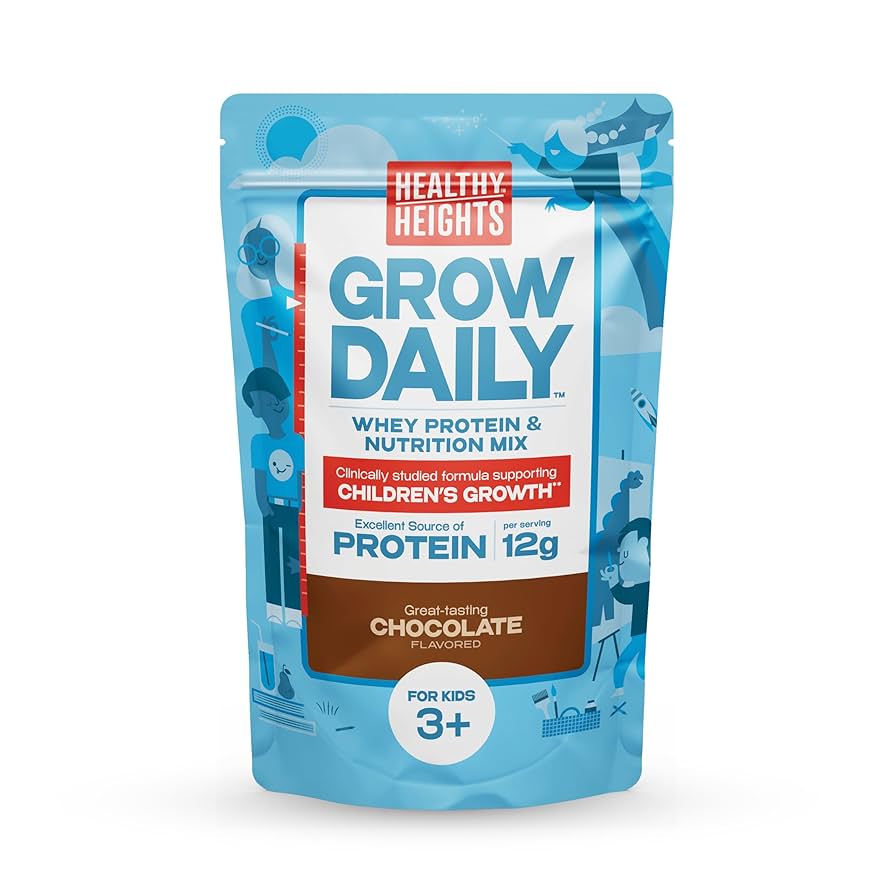
Are you wondering if whey protein is safe and healthy for your kids? You want to give your child the best nutrition, but with so many opinions out there, it’s hard to know what’s right.
This article will clear up the confusion and help you make the best choice for your child’s growth and energy. Keep reading to find out how whey protein might fit into your family’s diet—and what you need to watch out for.
Your child’s health is too important to leave to guesswork.
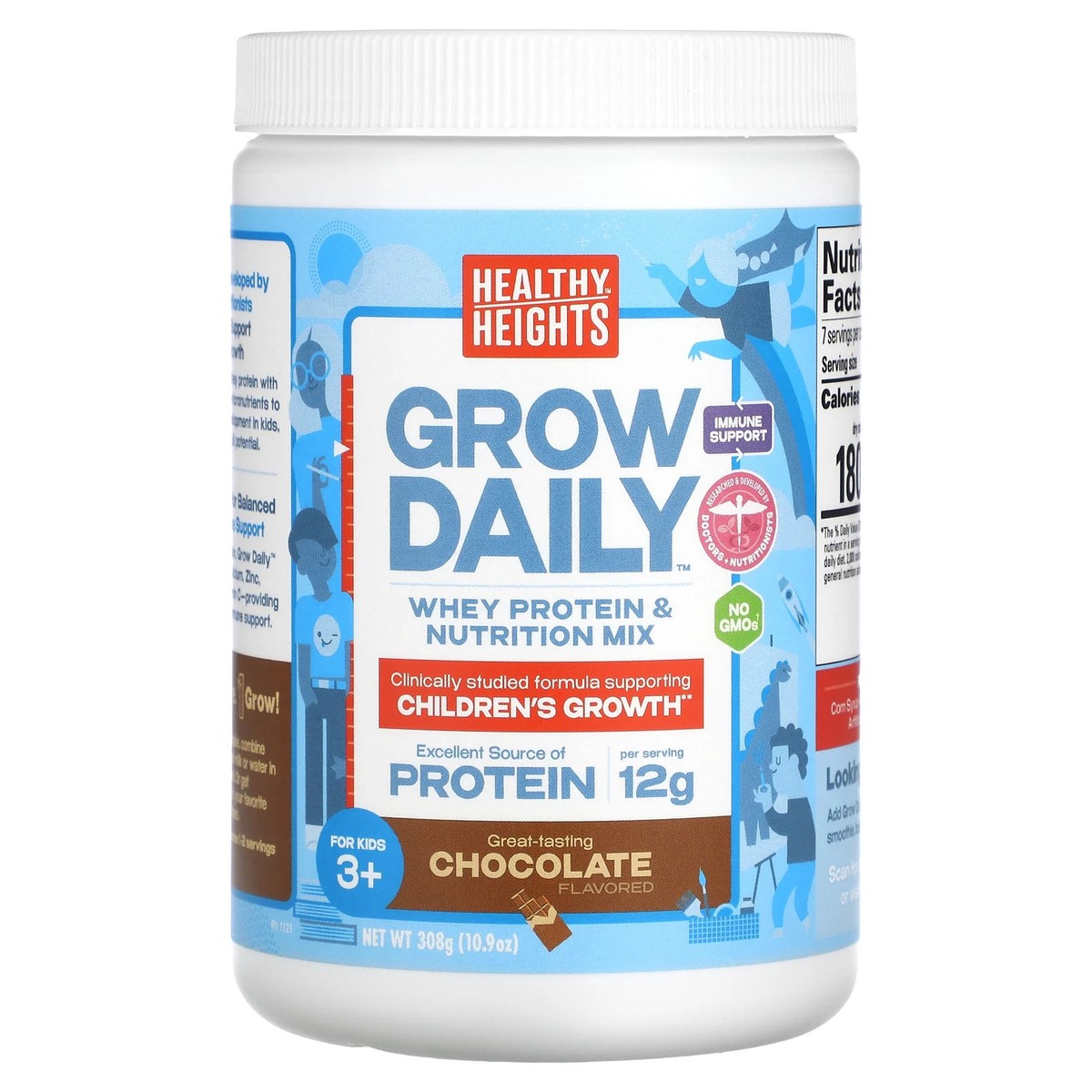
Credit: www.ebay.com
Whey Protein Basics
Whey protein is a popular supplement. It helps build muscles and supports recovery. But is it safe for kids? Understanding whey protein is important before deciding.
Whey protein comes from milk. It is a byproduct of cheese-making. It contains essential amino acids. These are important for growth and development.
What Is Whey Protein
Whey protein is a complete protein. This means it has all the amino acids our bodies need. It is easily digested and absorbed. This makes it a great protein source.
Whey protein is used by athletes and fitness enthusiasts. It helps repair muscles after exercise. It also supports muscle growth. Kids might benefit from it in some cases.
Types Of Whey Protein
There are different types of whey protein. Each type has unique benefits. It is important to know which one suits your needs.
- Whey Protein Concentrate: It contains some fat and lactose. It is less processed and more natural.
- Whey Protein Isolate: It is more processed. It has less fat and lactose. It is often used by those with lactose intolerance.
- Whey Protein Hydrolysate: It is pre-digested. This makes it easier to absorb. It is often used in medical protein supplements.
Nutritional Needs Of Kids
Kids need good nutrition to grow strong and healthy. Protein is a key part of their diet.
It helps build muscles, bones, and keeps the body working well every day.
Protein Requirements By Age
Protein needs change as kids grow older. Younger kids need less protein than older kids.
On average, toddlers need about 13 grams of protein daily. School-age children need around 19-34 grams daily.
- 1-3 years: 13 grams of protein per day
- 4-8 years: 19 grams of protein per day
- 9-13 years: 34 grams of protein per day
- 14-18 years: 46-52 grams of protein per day
Role Of Protein In Growth
Protein helps kids grow by building new cells and repairing old ones. It supports muscle and bone growth.
Protein also helps the body fight infections and make important hormones and enzymes.
- Builds muscles and bones
- Repairs damaged tissues
- Supports immune system
- Creates hormones and enzymes
Safety Of Whey Protein For Children
Parents often ask if whey protein is safe for kids. Whey protein is a common supplement made from milk.
It contains important nutrients like protein and amino acids. These help with growth and muscle development.
Potential Benefits
Whey protein can support children who need extra nutrition. It helps build strong muscles and bones.
Kids who do sports or have trouble eating enough protein might benefit from whey supplements.
- Supports muscle growth
- Helps with recovery after exercise
- Provides essential amino acids
- May improve immune function
Possible Risks And Side Effects
Whey protein can cause side effects in some children. Too much protein can strain the kidneys.
Some children may have allergies or digestive issues from whey. It can cause upset stomach or rash.
- May cause digestive discomfort
- Risk of allergic reactions
- Too much protein may harm kidneys
- Not a substitute for a balanced diet

Credit: www.amazon.com
When To Consider Whey Protein
Whey protein is a popular supplement for adults. Some parents wonder if kids can take it safely. It can help in certain situations.
Before giving whey protein to children, it is important to know when it is needed. Not all kids require extra protein supplements.
Medical Conditions And Deficiencies
Some children have health problems or nutrition gaps that need extra protein. Whey protein may support their growth and healing.
Doctors may suggest whey protein for kids who have:
- Malnutrition or poor appetite
- Recovery after surgery or illness
- Protein deficiency due to diet limits
- Digestive issues that reduce nutrient absorption
Athletic And Active Kids
Active children who play sports or exercise a lot may need more protein. Whey protein can help them build muscle and recover faster.
Whey protein might be useful for kids who:
- Train regularly in sports like soccer or swimming
- Have high energy needs from physical activity
- Want to support muscle growth in a healthy way
Dosage And Usage Guidelines
Parents often ask if whey protein is safe for kids. It can help support growth and muscle development.
It is important to use the right amount and know the best ways to include whey in a child’s diet.
Recommended Amounts
The right whey protein amount depends on the child’s age and activity level. Kids usually need less protein than adults.
Most children get enough protein from food. Whey protein should only add a small amount.
- For children ages 4 to 8: about 10-15 grams per day
- For children ages 9 to 13: about 15-20 grams per day
- For active teens: 20-30 grams per day may be appropriate
Best Ways To Incorporate Whey
Mix whey protein into foods children already like. This helps them accept the new taste easily.
Using whey protein in meals or snacks makes it a healthy part of their daily routine.
- Add whey powder to smoothies with fruits and milk
- Mix it into yogurt or oatmeal for extra protein
- Use whey in homemade protein bars or pancakes
- Stir whey into milk or water for a simple shake

Credit: www.amazon.in
Choosing The Right Whey Protein
Whey protein can help kids meet their daily protein needs. Picking the right one is important for safety and health.
Parents should look closely at labels and ingredients. Choosing natural options reduces risks of additives.
Labels And Ingredients To Watch
Check for added sugars, artificial flavors, and fillers. These can harm kids or cause allergies.
- Avoid whey with high sugar content
- Watch out for artificial sweeteners like sucralose
- Skip proteins with many chemical additives
- Look for clear protein source names, like whey isolate or concentrate
Organic And Natural Options
Organic whey protein comes from cows not treated with antibiotics or hormones. Natural options reduce exposure to chemicals.
Choosing organic or natural whey helps ensure a cleaner protein source for children. These are usually gentler on digestion.
- Look for USDA Organic or similar certifications
- Choose whey from grass-fed cows if possible
- Avoid additives like preservatives and artificial colors
Alternatives To Whey Protein
Whey protein is popular for muscle growth and recovery. Some parents want other options for kids who need protein.
Different protein sources can support a child’s healthy growth. Plant-based proteins and whole foods offer good choices.
Plant-based Proteins
Plant-based proteins come from vegetables, nuts, and seeds. They are good for kids with dairy allergies or lactose intolerance.
These proteins provide fiber and vitamins along with protein. Combining different plants can give all essential amino acids.
- Lentils and beans
- Chickpeas and peas
- Quinoa and brown rice
- Almonds, walnuts, and chia seeds
- Tofu and tempeh
Whole Food Protein Sources
Whole foods are natural protein sources. They help kids get balanced nutrition without processed supplements.
Foods like eggs, dairy, meat, and fish provide high-quality protein. They also offer important nutrients for growth.
- Eggs and yogurt
- Chicken and turkey
- Lean beef and pork
- Fish like salmon and tuna
- Cottage cheese
Consulting Healthcare Professionals
Giving whey protein to kids needs careful thought. It is important to ask a doctor before adding it to their diet.
Doctors help decide if whey protein is safe and needed for a child. They can guide on the right amount and timing.
When To Talk To A Doctor
Talk to a doctor if your child has health problems. This includes allergies, kidney issues, or digestive troubles.
Also see a doctor before starting whey protein if your child is very young or has a special diet.
- Child has food allergies or intolerance
- Child has kidney or liver problems
- Child has digestive issues like upset stomach
- Child is under 2 years old
- Child follows a strict vegetarian or vegan diet
Questions To Ask Your Pediatrician
Ask your pediatrician if whey protein is suitable for your child. Find out how much protein your child needs daily.
Check if whey protein might cause any side effects or interact with medicines your child takes.
- Is whey protein safe for my child’s age?
- How much protein does my child need daily?
- Can whey protein cause allergies or side effects?
- What is the best time to give whey protein?
- Should I watch for any symptoms after giving whey protein?
- Are there better protein options for my child?
Frequently Asked Questions
Is Whey Protein Safe For Children To Consume?
Whey protein is generally safe for kids when given in moderate amounts. Consult a pediatrician before adding it to their diet. It should complement a balanced diet and not replace whole foods.
How Much Whey Protein Can Kids Safely Intake?
Children’s protein needs vary by age and activity. Typically, 0. 5 to 1 gram per pound of body weight daily is sufficient. Always follow a doctor’s advice to avoid excess intake.
Can Whey Protein Help Kids Build Muscle?
Whey protein can support muscle growth if combined with proper exercise and nutrition. It’s most beneficial for active children involved in sports or physical activities.
Are There Any Side Effects Of Whey Protein In Kids?
Side effects are rare but may include digestive discomfort or allergies. Start with small doses and monitor your child’s reaction to avoid issues.
Conclusion
Whey protein can support kids’ growth when used carefully. Always check with a doctor before giving it to children. Whole foods like fruits, vegetables, and grains remain the best choice. Protein supplements are not a daily need for most kids.
Balanced meals help kids stay strong and healthy. Watch for allergies or stomach issues after giving whey protein. Proper diet and exercise matter most for growing bodies. Choose natural nutrition over quick fixes for lasting health.


