

Are you wondering if you can take whey protein without hitting the gym? Maybe you want to boost your health, improve your nutrition, or just feel better every day.
It’s a common question with a surprising answer. What if taking whey protein without working out could still help you? Or could it actually do more harm than good? Keep reading to discover the truth about whey protein and how it fits into your lifestyle—even if you don’t exercise regularly.
This will help you make the best choice for your body and goals.
Whey Protein Basics
Whey protein is a common supplement. People use it for muscle building and recovery. Some wonder if it’s okay to take without exercising.
Understanding whey protein helps you make informed choices. Knowing its types can guide your decisions.
What Is Whey Protein?
Whey protein comes from milk. It is a byproduct of cheese making. It contains essential amino acids needed by the body.
It is easy to digest. This makes it a popular choice for those needing quick protein intake.
Types Of Whey Protein
There are three main types of whey protein. Each type has different benefits.
- Whey Protein Concentrate: Contains some fat and lactose.
- Whey Protein Isolate: Has most fat and lactose removed.
- Whey Protein Hydrolysate: Pre-digested for quicker absorption.
Whey Protein And Exercise
Whey protein is a popular supplement for people who exercise. It helps support the body’s protein needs.
Many wonder if they can take whey protein without working out. This depends on your health goals and lifestyle.
Role In Muscle Building
Whey protein provides the body with amino acids needed to build muscles. These amino acids help repair muscle fibers after exercise.
Taking whey protein without exercise may not build muscle. Muscles grow when they are used and stressed through workouts.
Benefits Linked To Workouts
Whey protein supports muscle recovery after workouts. It helps reduce muscle soreness and fatigue.
- Speeds up muscle repair
- Helps maintain muscle mass
- Supports energy levels during exercise
Using Whey Without Working Out
Whey protein is popular among people who exercise. It helps build muscle and recover faster.
Some people wonder if they can take whey protein without working out. This article explains what happens if you do.
Effects On Non-active Individuals
Taking whey protein without exercise adds extra protein and calories to your diet. Your body does not use this extra protein for muscle growth.
Excess protein may be stored as fat if you eat more calories than you burn. Your weight might increase over time.
Potential Benefits
Whey protein can help meet daily protein needs. This is useful if your diet lacks enough protein.
Protein supports immune function and helps keep skin, hair, and nails healthy.
- Supports muscle maintenance
- Helps with feeling full longer
- Provides essential amino acids
Possible Downsides
Too much protein can cause stomach upset, such as bloating or gas. It may also strain your kidneys over time.
Whey protein often contains added sugars or artificial ingredients. These can affect your health if consumed in large amounts.
- May lead to weight gain if overeaten
- Possible digestive discomfort
- Added ingredients can be unhealthy

Credit: www.youtube.com
Health Considerations
Many people wonder if they can take whey protein without working out. It is important to understand how whey protein affects your body when you are not active. This helps you make safe and healthy choices.
Whey protein is a popular supplement. It provides extra protein, but your body’s needs change if you do not exercise.
Protein Needs Without Exercise
Your body needs protein to stay healthy. Protein helps build and repair tissues. If you do not exercise, your protein needs are lower.
Taking too much protein can lead to extra calories. This can cause weight gain. It is best to balance protein intake with your daily activity level.
- Average adults need about 0.8 grams of protein per kilogram of body weight
- People who do not exercise need less protein than athletes
- Too much protein can be stored as fat
Kidney And Liver Impact
Whey protein is processed by your kidneys and liver. If you take a lot without exercise, these organs work harder. People with kidney or liver problems should be careful.
High protein intake may cause strain. It can lead to dehydration or other issues. Drinking enough water helps support kidney function.
- Kidneys filter waste from protein breakdown
- Liver helps process nutrients and toxins
- Excess protein can increase workload on these organs
- Stay hydrated to protect kidney health
Allergy And Intolerance Risks
Whey protein comes from milk. People who are allergic to milk should avoid it. Some may have lactose intolerance and feel discomfort after taking whey.
Symptoms of allergies or intolerance include stomach pain, bloating, or rash. Choose protein sources that suit your body to avoid problems.
- Milk allergy can cause severe reactions
- Lactose intolerance causes digestive issues
- Check labels for added lactose or dairy ingredients
- Try plant-based proteins if you are sensitive
Alternative Protein Sources
Whey protein is popular, but it is not the only option. You can get protein from many foods and supplements.
Choosing the right protein depends on your diet and lifestyle. Some people prefer plant-based or whole food proteins.
Plant-based Options
Plant-based proteins come from beans, nuts, seeds, and grains. They are good for people who avoid animal products.
These proteins often contain fiber and other nutrients. They can help keep you full and support digestion.
- Pea protein
- Hemp protein
- Brown rice protein
- Chia seeds
- Quinoa
Whole Food Proteins
Whole foods provide protein along with vitamins and minerals. They are less processed than protein powders.
Examples include eggs, chicken, fish, and dairy. These foods supply complete protein for muscle and body repair.
- Eggs
- Chicken breast
- Greek yogurt
- Fish like salmon or tuna
- Milk

Credit: www.exalt.co.uk
Tips For Safe Whey Protein Use
Whey protein is popular for building muscle and recovery. Some wonder if they can take it without working out.
Using whey protein safely is important. This guide shares tips for proper use and avoiding problems.
Recommended Dosages
The right amount of whey protein depends on your body and goals. Taking too much can cause side effects.
For most adults, 20 to 30 grams per serving is enough. You can take one or two servings a day safely.
- Start with a smaller dose to see how your body reacts
- Do not exceed 50 grams per day without medical advice
- Spread doses throughout the day if taking more than one
Choosing Quality Products
Pick whey protein from trusted brands. Quality products have clear labels and no harmful additives.
Check for third-party testing to ensure safety and accurate ingredient lists. Avoid products with fillers or artificial sweeteners.
- Look for whey concentrate or isolate types
- Read labels for added sugars and fillers
- Choose products tested by independent labs
- Buy from reputable stores or websites
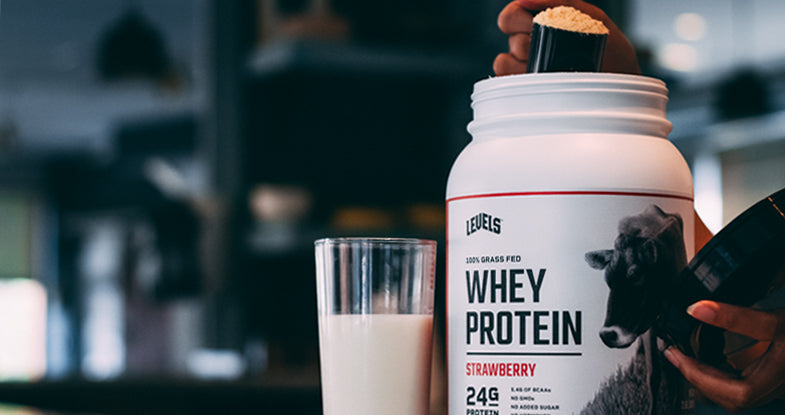
Credit: levelsprotein.com
Frequently Asked Questions
Can I Take Whey Protein Without Exercising?
Yes, you can take whey protein without exercise. However, it may lead to excess calorie intake. Balance your diet to avoid unwanted weight gain.
Will Whey Protein Cause Weight Gain Without Workouts?
Whey protein alone doesn’t cause weight gain. Excess calories from any source, including whey, lead to weight gain. Monitor your total calorie intake.
Is Whey Protein Beneficial Without Physical Activity?
Whey protein supports muscle repair and immune health. Without activity, benefits are limited but still support overall nutrition and recovery.
How Much Whey Protein Should I Take Without Working Out?
Limit whey protein to your daily protein needs. Generally, 0. 8 grams per kilogram of body weight is sufficient without exercise.
Conclusion
Whey protein can support your body even without exercise. It helps provide extra protein for muscle repair and daily needs. But taking too much may cause unwanted effects. Balance your diet with other healthy foods for best results. Remember, protein alone won’t build muscle or improve fitness.
Use whey wisely and listen to your body’s signals. This way, you stay healthy and feel good every day.


