
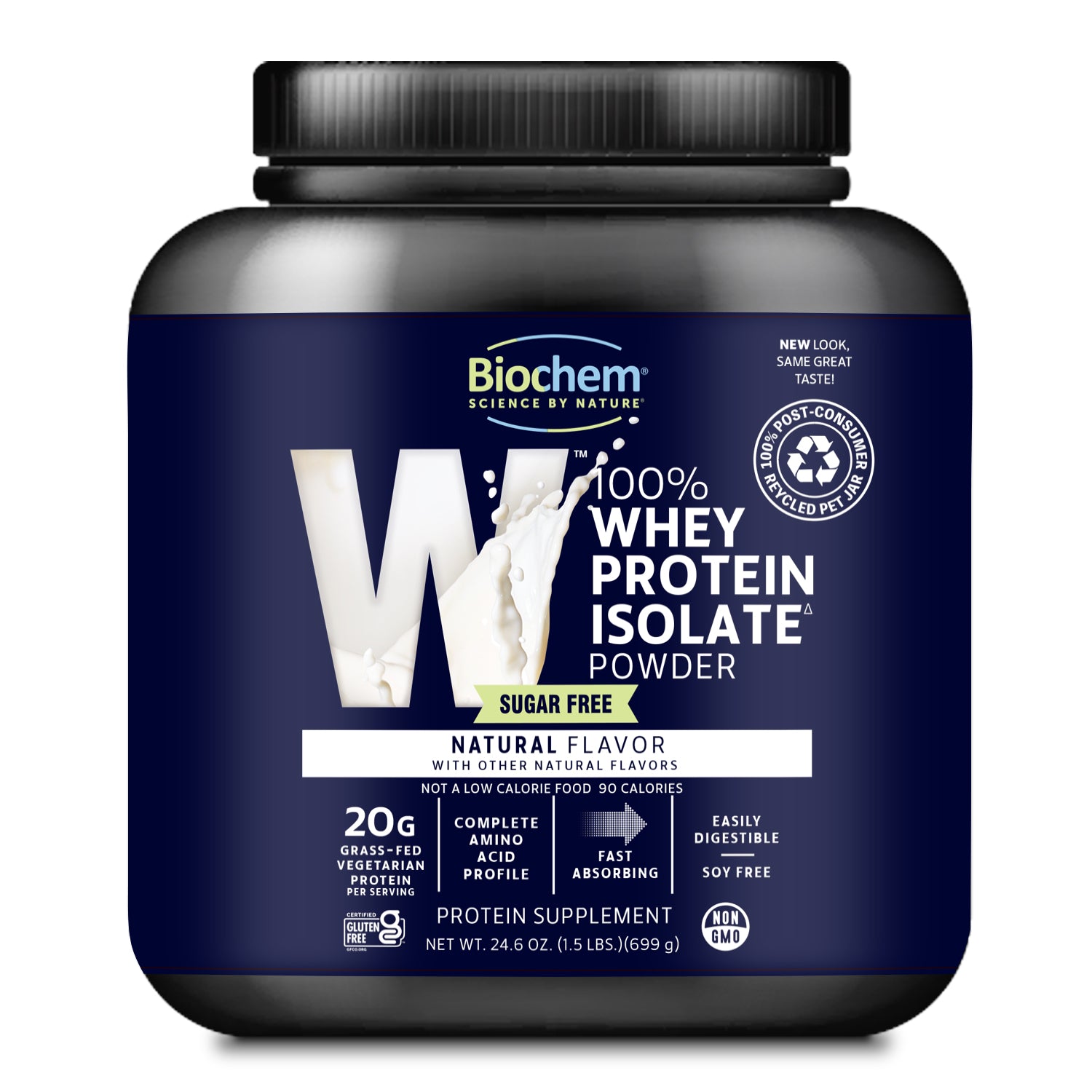
Have you ever wondered what exactly goes into your whey protein shake? You might be surprised by some of the rumors floating around—like the idea that whey protein is made from worms.
It sounds strange, right? But before you dismiss it, you deserve to know the truth. Understanding what’s really in your protein can affect your health, your choices, and your peace of mind. Keep reading to uncover the facts and clear up the confusion once and for all.
Your body—and your workout—depend on it.
Origins Of Whey Protein
Whey protein comes from milk. It is a byproduct of cheese production. During cheese making, milk separates into curds and whey.
Whey is then processed to make protein powder. It is popular among athletes and fitness enthusiasts.
Whey Protein Production Process
The production of whey protein involves several steps. These steps ensure a high-quality final product.
- Milk is heated and curdled.
- Whey is separated from curds.
- Whey is filtered to remove excess fats.
- The liquid is dried into powder form.
Common Ingredients In Whey Protein
Whey protein powders often contain additional ingredients. These improve flavor and nutritional value.
| Ingredient | Purpose |
| Natural flavors | Add taste |
| Sweeteners | Enhance flavor |
| Vitamins | Boost nutrition |
| Emulsifiers | Improve texture |
Credit: nutristrength.com
Claims About Worms In Whey Protein
Some people say whey protein powders contain worms. These claims cause concern for many buyers. It is important to check if these rumors are true or false.
Whey protein comes from milk. This makes the worm claim strange. Let’s look at where these rumors started and what the facts show.
Source Of The Rumors
The worm story began on social media. A few posts showed strange particles in protein powders. Some users said these looked like worms.
Other sources include misunderstandings about ingredients. Some confuse protein powder with insect-based protein products. These are different from whey protein.
- Social media posts with unclear photos
- Mixing up insect protein and whey protein
- False claims to scare buyers
Examining The Evidence
Whey protein is made from milk through a filtering process. This process removes fats and other solids, leaving mostly protein and some minerals.
Testing by food safety labs finds no worms or insects in whey protein powders. Quality control standards keep these products clean and safe.
- Whey protein starts with milk, not worms
- Manufacturers follow strict hygiene rules
- Lab tests show no worm contamination
Whey Protein And Insect-based Alternatives
Whey protein is a popular supplement made from milk. It helps build muscle and recover after exercise.
Some people wonder if whey protein is made from worms. It is not made from worms, but there are protein options from insects.
Rise Of Insect Protein
Insect protein comes from bugs like crickets and mealworms. These proteins are growing in popularity as food sources.
Insects need less land, water, and food than cows or chickens. This makes insect protein more eco-friendly.
- Insects produce fewer greenhouse gases
- They grow quickly and reproduce fast
- Insects provide high protein and nutrients
Differences From Traditional Whey
Traditional whey protein comes from cow’s milk during cheese making. It is rich in essential amino acids.
Insect protein comes from ground insects and has a different taste and texture. It may also contain chitin, a fiber found in insect shells.
- Whey is dairy-based; insect protein is from bugs
- Whey tastes mild; insect protein can taste nutty or earthy
- Whey is more common; insect protein is newer in markets
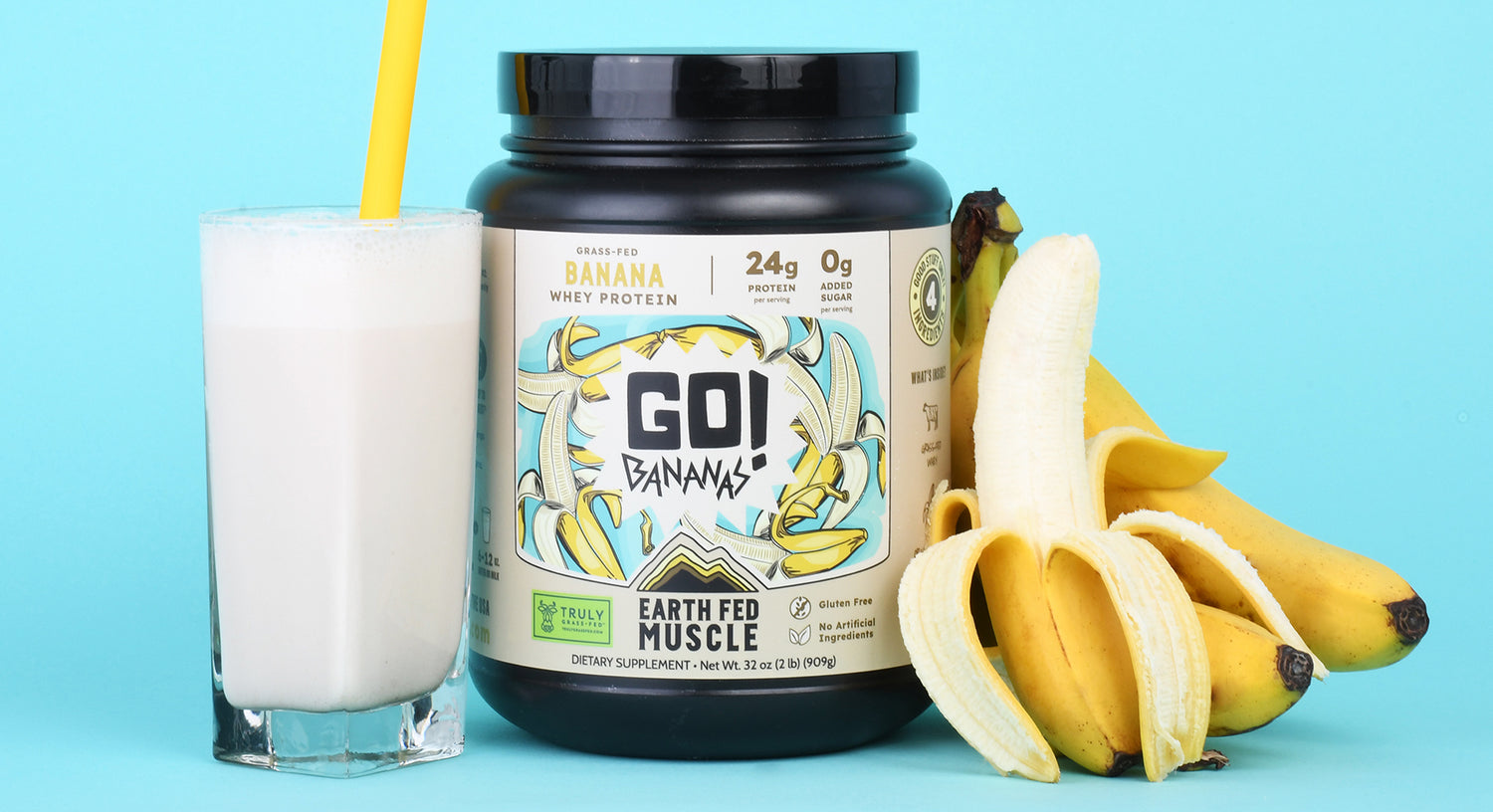
Credit: www.earthfedmuscle.com
Health And Safety Standards
Many people wonder if whey protein is made from worms. Whey protein comes from milk, not worms. It is a dairy product made during cheese production.
Health and safety standards ensure whey protein is safe to eat. These rules help protect consumers from harmful ingredients or contamination.
Regulations On Protein Supplements
Government agencies set rules for protein supplements. These rules make sure products are safe and labeled correctly. Companies must follow these regulations to sell whey protein.
Regulations include limits on contaminants and required ingredient lists. Testing must prove the product is free from unsafe substances.
- FDA regulates protein supplements in the United States
- Labels must show all ingredients and nutrition facts
- Limits exist for heavy metals and bacteria
- Manufacturers must follow good manufacturing practices (GMP)
Quality Control Measures
Quality control is vital to keep whey protein safe. Companies test raw materials and finished products. This process stops unsafe products from reaching customers.
Testing checks for purity, protein content, and absence of contaminants. Regular inspections of production facilities also maintain high standards.
- Test for protein levels to ensure accuracy
- Check for bacteria and mold contamination
- Inspect for heavy metals like lead and arsenic
- Audit manufacturing sites regularly
How To Choose Authentic Whey Protein
Many people wonder if whey protein is made from worms. It is not. Whey protein comes from milk. Choosing real whey protein is important for health and results.
To find authentic whey protein, you need to check labels and trust reliable brands. This helps avoid fake or low-quality products.
Reading Labels Carefully
Look at the ingredients list to see what is inside the product. Whey protein should list whey concentrate, isolate, or hydrolysate.
Avoid products with many fillers, artificial flavors, or unknown additives. Check the protein amount per serving to make sure it is high.
- Check for whey concentrate, isolate, or hydrolysate
- Look for minimal fillers and additives
- Verify protein content per serving
- Watch out for artificial flavors and sweeteners
Trusted Brands And Certifications
Choose brands known for quality and safety. Trusted brands follow strict rules to produce whey protein.
Look for certification seals on the package. Certifications show the product meets health and quality standards.
- Buy from brands with good reviews
- Look for certifications like NSF or Informed-Choice
- Check if the brand tests products for purity
- Avoid unknown or suspicious brands
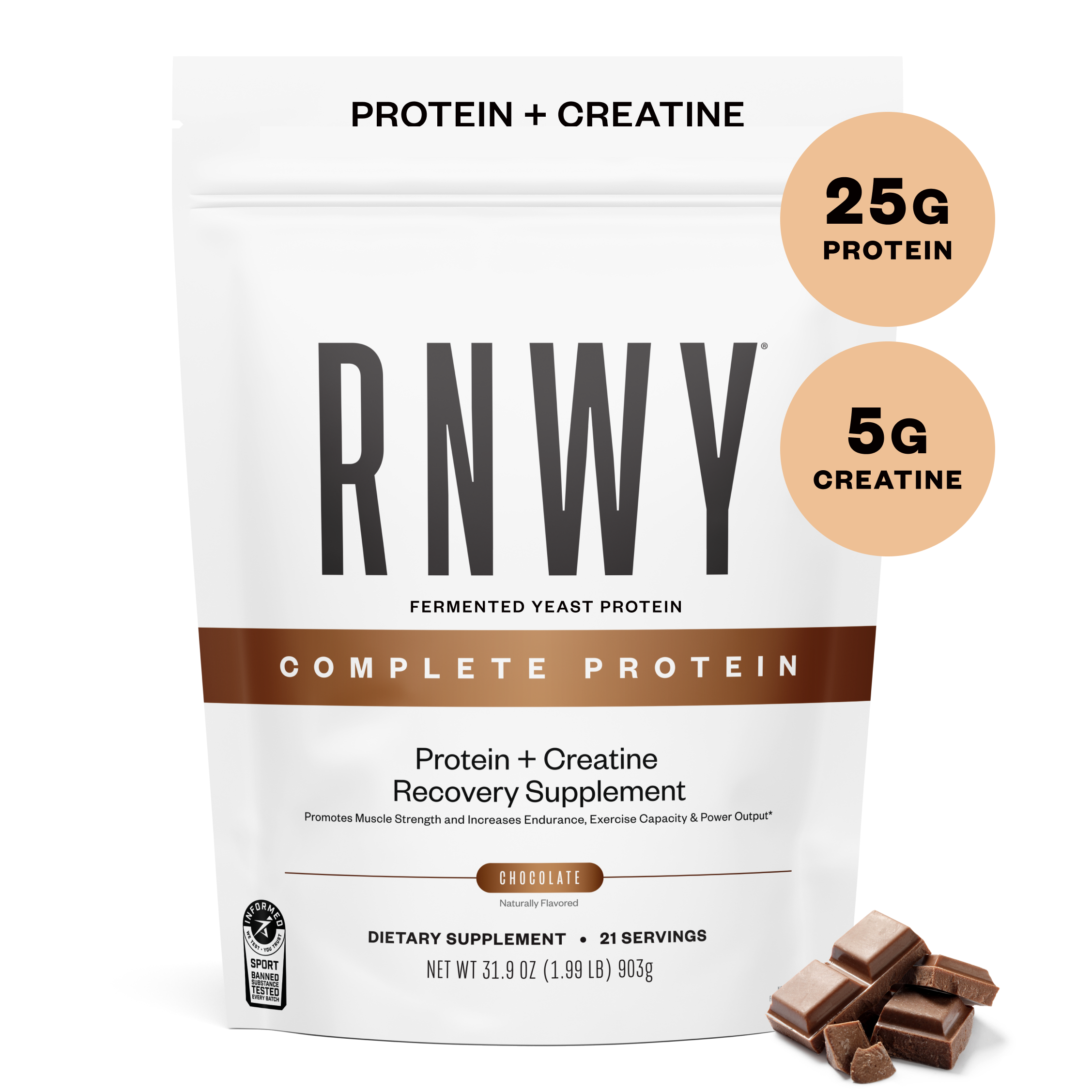
Credit: rnwy.life
Final Thoughts On Whey Protein Myths
Whey protein is a popular supplement used by many people. Some myths about its ingredients cause confusion. One false claim says whey protein is made from worms.
This idea is not true. Understanding facts helps you avoid wrong beliefs about whey protein.
Separating Fact From Fiction
Whey protein comes from milk, not worms. It is a byproduct of cheese-making. This means it is made by separating milk solids and liquids.
No worms or insects are involved in whey protein production. The process uses natural dairy ingredients to create a high-protein powder.
- Whey protein is made from cow’s milk
- No worms are used in any step
- It is safe and natural for most people
Making Informed Choices
Knowing the truth helps you pick the right protein supplement. Always check product labels and trusted sources. This ensures you avoid false claims.
Choose whey protein that fits your health needs. Ask questions and read facts before buying. This way, you get the best results without worry.
- Read ingredient lists carefully
- Look for products from trusted brands
- Consult experts if unsure about supplements
Frequently Asked Questions
Is Whey Protein Made From Worms?
No, whey protein is not made from worms. It is derived from milk during cheese production. Whey is a byproduct of separating curds and whey in dairy processing.
What Ingredients Are In Whey Protein Powder?
Whey protein powder mainly contains whey concentrate or isolate. It may include flavorings, sweeteners, and sometimes added vitamins or minerals. No worm-based ingredients are used.
Are There Any Animal Products In Whey Protein?
Yes, whey protein comes from milk, an animal product. It is not plant-based or insect-derived but from cow’s milk in dairy farms.
Can Whey Protein Cause Allergic Reactions?
Whey protein may cause allergies in people sensitive to dairy or lactose. Always check product labels and consult a doctor if unsure.
Conclusion
Whey protein does not come from worms. It is made from milk during cheese production. Many people trust whey for muscle building and recovery. Myths can cause confusion about food sources. Always check reliable information before believing rumors. Knowing facts helps you make better health choices.
Whey protein remains a safe, common supplement worldwide. Choose products with clear labels and good reviews. Stay curious and question unusual claims you hear. Simple truths make nutrition easier to understand.


