
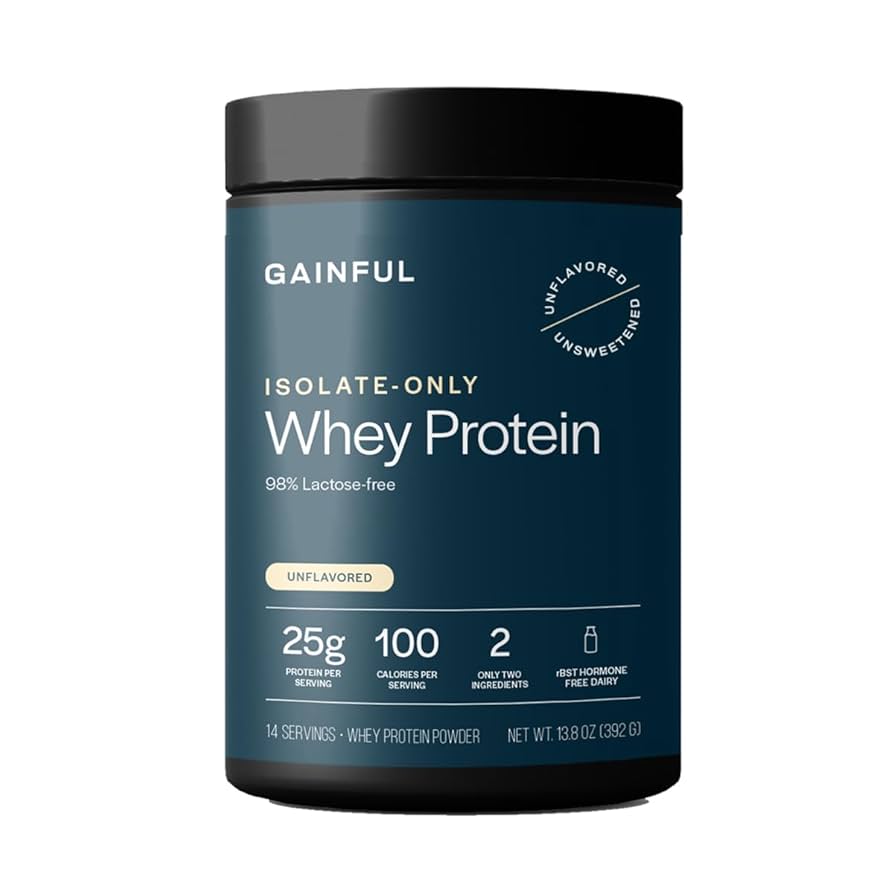
Are you wondering if whey protein is lactose free? If you’re trying to build muscle or stay fit but struggle with lactose intolerance, this question is probably on your mind.
Choosing the right protein supplement can feel confusing when you’re not sure what’s inside. What if the protein you pick causes discomfort or bloating? Keep reading, because understanding whether whey protein fits your needs could change the way you fuel your workouts—and help you avoid unwanted digestive issues.
Let’s clear up the confusion and find the best option for your body.

Credit: explosivewhey.com
Whey Protein Basics
Whey protein is a popular supplement for athletes and fitness enthusiasts. It is made from the liquid part of milk that separates during cheese production.
Many people use whey protein to increase muscle mass and improve performance. It is also a convenient protein source for those with busy lifestyles.
What Is Whey Protein
Whey protein is a high-quality protein derived from cow’s milk. It contains essential amino acids that the body needs for muscle repair and growth.
When milk is processed to make cheese, whey is the liquid left behind. This liquid is then filtered and dried to make whey protein powder.
Types Of Whey Protein
There are three main types of whey protein: concentrate, isolate, and hydrolysate. Each type has different properties and benefits.
- Whey Protein Concentrate: Contains some lactose and fats. It is less processed and retains more nutrients.
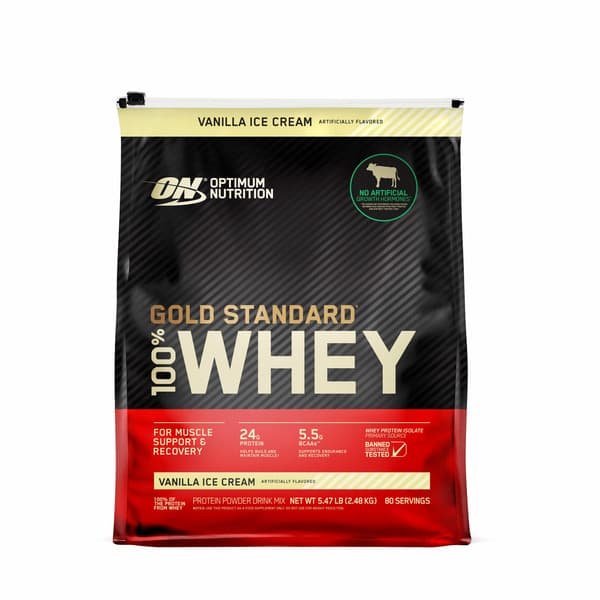
- Whey Protein Isolate: Almost lactose-free and lower in fat. It is more processed and contains more protein per serving.
- Whey Protein Hydrolysate: Pre-digested and absorbed quickly. It is often used in medical protein supplements.
Lactose Content In Whey Protein
Whey protein is popular for muscle building and nutrition. Some people wonder if it contains lactose.
Lactose is a sugar found in milk. It can cause issues for those with lactose intolerance.
Lactose In Whey Concentrate
Whey concentrate has more lactose than other whey types. It contains about 3-4% lactose.
People with mild lactose intolerance may tolerate whey concentrate in small amounts.
- Contains more fat and carbs
- Lactose content: around 3-4%
- Cheaper than other whey types
Lactose In Whey Isolate
Whey isolate has less lactose because it is more filtered. It usually has less than 1% lactose.
Many lactose-intolerant people can use whey isolate without problems.
- Higher protein content than concentrate
- Less fat and carbs
- Very low lactose content
Lactose In Whey Hydrolysate
Whey hydrolysate is pre-digested whey protein. It has very little lactose, close to zero.
This type is easier to digest and often used in medical or sports nutrition.
- Fast absorption
- Very low lactose content
- Usually more expensive
Lactose Intolerance And Whey Protein
Lactose intolerance means the body cannot digest lactose well. Lactose is a sugar found in milk and dairy products. Whey protein is made from milk. People often ask if whey protein is safe for those with lactose intolerance.
This article explains lactose intolerance and how whey protein might affect people with this condition. It helps you understand if whey protein is a good choice for you.
Symptoms Of Lactose Intolerance
People with lactose intolerance feel sick after eating or drinking dairy. Their body cannot break down lactose. This causes discomfort and other symptoms.
- Bloating in the stomach
- Diarrhea
- Gas and flatulence
- Stomach cramps
- Nausea
Symptoms usually start 30 minutes to 2 hours after eating dairy. The severity depends on how much lactose the person consumes.
How Whey Protein Affects Lactose Intolerant Individuals
Whey protein contains some lactose, but the amount varies. Whey protein isolate has less lactose than whey concentrate. People with lactose intolerance may tolerate isolate better.
Some individuals might still have symptoms from whey protein. It depends on their lactose tolerance level and the product used.
- Whey concentrate: higher lactose, may cause symptoms
- Whey isolate: low lactose, often easier to digest
- Lactase enzyme supplements can help digest lactose
- Testing small amounts first can prevent discomfort
Choosing Lactose-free Whey Protein
Whey protein is a popular supplement for building muscle. Some whey protein powders contain lactose, which can cause issues for people who are lactose intolerant.
Choosing a lactose-free whey protein helps avoid stomach problems. It is important to know how to find the right product.
Reading Product Labels
Always check the product label for lactose content. Some whey proteins are labeled as “lactose-free” or “low lactose.”
Look for terms like “whey protein isolate.” This type often has less lactose than “whey protein concentrate.”
- Check the ingredient list for milk or lactose
- Look for “whey protein isolate” for lower lactose
- Search for “lactose-free” on the packaging
- Review nutrition facts for sugar content
Alternative Protein Options
If whey protein still causes discomfort, try other protein sources. There are many lactose-free options available.
Plant-based proteins are good choices. They often have no lactose and are easy to digest.
- Pea protein
- Rice protein
- Hemp protein
- Soy protein
Tips For Using Whey Protein With Lactose Sensitivity
Whey protein is popular for muscle building and recovery. Some whey proteins contain lactose, which can cause discomfort for sensitive people.
This guide helps you use whey protein safely if you have lactose sensitivity. It covers dosage and using supplements.
Dosage Recommendations
Start with a small amount of whey protein to see how your body reacts. Too much lactose can cause bloating and gas.
Try 10 to 15 grams per serving at first. Increase slowly if you feel comfortable.
- Begin with half a scoop of whey protein powder
- Wait 24 hours to check for symptoms
- Gradually increase to one scoop or more if no issues
- Drink plenty of water with your protein shake
Combining With Lactase Supplements
Lactase supplements help break down lactose in your digestive system. Taking them with whey protein can reduce discomfort.
Take lactase pills just before consuming whey protein. This helps your body digest lactose better.
- Buy lactase tablets from a pharmacy or store
- Follow the dosage instructions on the package
- Take the supplement right before your whey protein shake
- Keep track of how your body responds

Credit: www.amazon.com
Credit: foodisgood.com
Frequently Asked Questions
Is Whey Protein Naturally Lactose Free?
No, whey protein is not naturally lactose free. It contains some lactose unless processed into isolate form, which reduces lactose content significantly.
Can Lactose Intolerant People Consume Whey Protein?
Yes, lactose intolerant people can consume whey protein isolate. It has minimal lactose, making it easier to digest compared to concentrate.
What’s The Difference Between Whey Concentrate And Isolate?
Whey concentrate contains more lactose and fats. Whey isolate undergoes extra processing to remove most lactose and fats, making it purer.
How To Identify Lactose Free Whey Protein?
Look for whey protein isolate or products labeled “lactose free. ” Check nutrition labels for lactose content or ingredients indicating milk sugar.
Conclusion
Whey protein often contains very little lactose. Many brands offer lactose-free or low-lactose options. People with lactose intolerance can usually tolerate these well. Always check the label for lactose content. Choosing the right whey protein helps avoid stomach discomfort. This way, you get protein without digestive issues.
Remember, not all whey proteins are lactose-free. It’s best to pick a product that fits your needs. Stay informed and enjoy your protein safely.


