

Are you wondering whether whey protein or plant protein is the better choice for your health and fitness goals? With so many options on the market, it can be confusing to know which one truly works best for you.
Choosing the right protein can impact your energy, muscle growth, and overall well-being. You’ll discover the key differences between whey and plant proteins, helping you make an informed decision that fits your lifestyle and needs. Keep reading to unlock the truth and find out which protein can give you the edge you’re looking for.
Credit: www.lactalisingredients.com
Protein Basics
Proteins are essential nutrients that help our bodies grow and repair. They are made up of building blocks called amino acids.
Whey protein and plant protein are two popular sources. Each has unique benefits for our health and fitness goals.
What Makes A Protein
Proteins are made from amino acids. There are 20 different amino acids that combine to form proteins.
Our body needs all these amino acids to function well. Some amino acids are essential, meaning our body cannot make them.
- Essential amino acids: Must come from food
- Non-essential amino acids: Made by the body
- Complete proteins: Contain all essential amino acids
Types Of Protein Sources
Protein sources can be animal-based or plant-based. Both types offer different nutrients and benefits.
Whey protein is derived from milk. It is a complete protein and is easily absorbed by the body.
- Animal-based: Meat, dairy, eggs
- Plant-based: Beans, nuts, seeds
- Whey protein: Fast absorption, complete protein
Credit: nutrova.com
Whey Protein Insights
Whey protein is a popular choice for many people. It comes from milk and is used to build muscle.
This article explains where whey protein comes from, its nutrients, benefits, and allergies.
Origin And Production
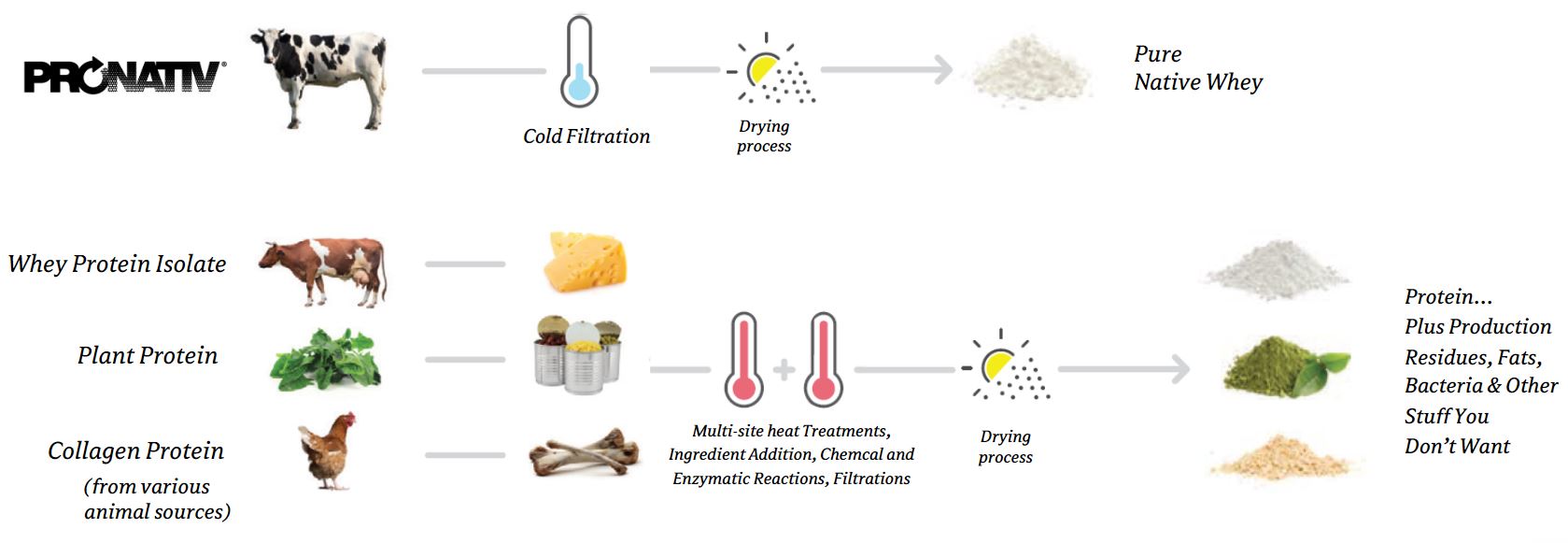
Whey protein is made from milk during cheese making. It is the liquid left after milk curds form.
Producers filter and dry this liquid to create whey protein powder.
Nutritional Profile
Whey protein is rich in protein and contains all essential amino acids. It is low in fat and carbs.
- High protein content (about 80-90%)
- Contains essential amino acids like leucine
- Low in fat and lactose in some types
Benefits For Muscle Growth
Whey protein helps build muscle by providing amino acids quickly to the body.
It supports muscle repair and recovery after exercise.
- Fast digestion and absorption
- Stimulates muscle protein synthesis
- Supports strength and muscle mass gain
Common Allergies And Sensitivities
Some people are allergic to whey protein because it comes from milk.
Lactose intolerance can cause digestive issues with whey protein.
- Milk allergy may cause reactions like rash or swelling
- Lactose intolerance can cause gas, bloating, and diarrhea
- Whey isolate has less lactose and may be better tolerated
Plant Protein Insights
Plant protein comes from different plants like beans, seeds, and grains. It is a good choice for many people.
This type of protein offers many options for those who want to eat less animal products.
Popular Plant Protein Sources
There are many popular plant proteins. Some come from legumes, nuts, and grains. Each source has unique qualities.
- Pea protein
- Brown rice protein
- Hemp protein
- Soy protein
- Chia seeds
- Quinoa
Nutritional Strengths
Plant proteins provide many nutrients besides protein. They have fiber, vitamins, and minerals that help health.
Some plant proteins contain all essential amino acids. Others may need to be combined with different foods.
- Good source of fiber for digestion
- Contains antioxidants and phytochemicals
- Usually low in fat and cholesterol
- Can be rich in iron and magnesium
Benefits For Health And Environment
Plant proteins support heart health and weight control. They can lower the risk of some diseases.
They also reduce environmental impact. Growing plants needs less water and land than raising animals.
- May lower cholesterol levels
- Help maintain a healthy weight
- Lower greenhouse gas emissions
- Use fewer natural resources
Potential Limitations
Plant proteins sometimes lack one or more essential amino acids. Eating a variety of plants can solve this.
Some plant protein powders may have a different taste or texture than whey. This may take time to get used to.
- Not always a complete protein alone
- May have lower protein per serving
- Possible allergens like soy or gluten
- Texture and taste vary by source
Credit: www.nutrelanutrition.com
Comparing Digestion And Absorption
Whey protein and plant protein are popular choices for protein supplements. Both help build muscles and support recovery. Understanding how the body digests and absorbs them can help you choose the right one.
This section looks at how well whey and plant proteins break down in the body and how easily the nutrients enter the bloodstream.
Digestibility Scores
Digestibility scores show how well the body breaks down protein. Whey protein has a higher score than most plant proteins. This means whey is easier and faster to digest.
Plant proteins often have lower scores because they contain fiber and other parts that slow digestion. Some plant proteins improve when combined, like rice and pea protein together.
- Whey protein has a digestibility score near 100%
- Most plant proteins score between 70% and 90%
- Combining plant proteins can increase digestibility
- Fiber in plants slows digestion
Impact On Muscle Protein Synthesis
Muscle protein synthesis (MPS) is the process that builds new muscle. Whey protein stimulates MPS faster and stronger than most plant proteins. This is due to its rich amino acid profile.
Plant proteins can still support muscle growth but may need larger amounts. Adding leucine-rich plant sources helps boost MPS. Timing and total protein intake also affect muscle building.
- Whey protein quickly raises muscle protein synthesis
- It contains all essential amino acids, especially leucine
- Plant proteins may need higher doses to match whey effects
- Combining plant proteins can improve amino acid profile
Allergies And Dietary Restrictions
Choosing the right protein powder depends on your allergies and diet. Whey and plant proteins affect people differently.
Understanding these differences helps you avoid health problems and meet your nutritional needs.
Lactose Intolerance And Whey
Whey protein comes from milk and contains lactose. People with lactose intolerance may feel sick after using whey.
Symptoms include stomach pain, bloating, and diarrhea. Some whey powders have less lactose and may be easier to digest.
- Whey isolate usually has less lactose than whey concentrate
- Whey concentrate contains more lactose and can cause discomfort
- Check labels for lactose content if you are sensitive
Plant Protein Allergies
Plant proteins come from peas, rice, soy, and others. Some people may have allergies to these plants.
Common plant allergies include soy and peanut. These can cause itching, swelling, or breathing problems.
- Soy protein may cause allergies in sensitive people
- Pea protein is less common but can still cause reactions
- Read ingredient lists carefully to avoid allergens
Suitability For Vegan And Vegetarian Diets
Whey protein is from animals and is not vegan. Vegetarians who eat dairy can use whey.
Plant proteins suit both vegans and vegetarians. They come from seeds, beans, and grains.
- Whey protein is dairy-based and not vegan
- Plant protein fits vegan and vegetarian diets
- Choose plant protein if you avoid all animal products
Environmental Impact
Choosing between whey protein and plant protein affects the environment. Both have different impacts on nature and resources.
Understanding their environmental effects helps you make smarter choices for the planet.
Carbon Footprint Of Whey
Whey protein comes from milk during cheese making. Dairy farming uses a lot of land and water.
Dairy cows produce methane, a strong greenhouse gas that adds to global warming.
- High water use for cows and feed crops
- Methane emissions from cow digestion
- Energy used in milk processing
- Land needed for grazing and crops
Sustainability Of Plant Proteins
Plant proteins come from peas, soy, rice, and other crops. These use less water and land than dairy.
Growing plants emits fewer greenhouse gases and helps keep soil healthy.
- Lower water use compared to dairy
- Fewer greenhouse gas emissions
- Improves soil with crop rotation
- Can be grown in many climates
Cost And Accessibility
Choosing between whey protein and plant protein often depends on cost and how easy they are to find. These factors matter a lot for people who use protein powders regularly.
Whey protein and plant protein differ in price and availability. This guide looks at both to help you decide which fits your needs.
Price Comparison
Whey protein is usually cheaper than plant protein. It is made from milk and is easier to produce in large amounts.
Plant protein often costs more. It comes from sources like peas, rice, or hemp. These plants need more processing, which raises the price.
- Whey protein price is lower per serving
- Plant protein price varies by plant source
- Organic or specialty plant proteins cost the most
Availability In Markets
Whey protein is widely available in most stores. You can find it in supermarkets, gyms, and online shops.
Plant protein is becoming easier to find but is still less common. Many health food stores and online retailers carry it.
- Whey protein is in most grocery stores
- Plant protein is popular in health stores
- Both types are available online
Choosing The Right Protein
Proteins help build muscles and keep your body healthy. You can choose from whey or plant protein powders.
Each type has unique benefits. Picking the right one depends on your needs and lifestyle.
Goals And Lifestyle Considerations
Your fitness goals affect which protein works best. Whey protein is fast to digest and high in essential amino acids.
Plant proteins are good if you want a dairy-free or vegan option. They often include fiber and other nutrients.
- Choose whey for quick muscle recovery
- Pick plant protein for better digestion and fiber
- Consider allergies and dietary restrictions
- Think about how active you are daily
Blending Proteins For Optimal Results
Mixing whey and plant proteins can give you the best of both worlds. This mix offers a wider range of nutrients.
Blended proteins help improve muscle growth and keep you full longer. They also suit different digestion rates.
- Whey protein provides quick amino acids
- Plant protein adds fiber and slow-digesting nutrients
- Blends support steady energy and muscle repair
- Good for people with mixed dietary needs
Frequently Asked Questions
What Are The Main Differences Between Whey And Plant Protein?
Whey protein is animal-based, rich in essential amino acids, and digests quickly. Plant protein comes from sources like peas or rice, is often lower in some amino acids, and digests slower. Both support muscle growth but differ in nutrient profiles and digestion rates.
Is Whey Protein Better For Muscle Building Than Plant Protein?
Whey protein is typically more effective for muscle growth due to its complete amino acid profile. However, plant proteins can also support muscle building when consumed in adequate amounts and combined properly to ensure all essential amino acids are present.
Are Plant Proteins Suitable For People With Lactose Intolerance?
Yes, plant proteins are ideal for those with lactose intolerance. They contain no lactose and are easier to digest. Whey protein may cause digestive issues for lactose-intolerant individuals unless they choose lactose-free whey options.
Can Plant Protein Provide All Essential Amino Acids?
Most plant proteins lack one or more essential amino acids. However, combining different plant sources, like rice and pea protein, creates a complete amino acid profile similar to whey protein. This makes plant protein a viable option for balanced nutrition.
Conclusion
Choosing between whey and plant protein depends on your needs and preferences. Whey protein offers quick absorption and complete amino acids. Plant protein suits those who want a dairy-free or vegan option. Taste, digestion, and allergies also matter. Both types support muscle growth and recovery.
Try both to see which feels best for you. Balance and consistency in protein intake matter most. Your body, your choice. Simple as that.


