

Have you ever wondered what makes whey protein isolate so popular among fitness fans and health experts? If you’re looking to boost your muscle growth or improve recovery, understanding how whey protein isolate is made can help you choose the best product for your goals.
This process isn’t just about mixing ingredients—it’s a carefully designed method that ensures you get pure, high-quality protein with minimal fat and carbs. Keep reading to discover the step-by-step process behind whey protein isolate and why it might be the perfect addition to your nutrition plan.

Credit: www.amazon.ca
Sources Of Whey Protein
Whey protein is a popular supplement for building muscle. It comes from the liquid part of milk. This liquid is left over after milk has been curdled and strained.
Whey protein is rich in essential amino acids. These are important for muscle growth and repair. Let’s explore its primary sources and types.
Milk As The Primary Source
Milk is the main source of whey protein. It contains two types of proteins: casein and whey. Whey is separated from casein during cheese production.
Once separated, whey is processed to remove fats and lactose. This makes it a high-quality protein supplement. It is easy to digest and quickly absorbed by the body.
Types Of Whey Protein
There are different types of whey protein. Each type has unique characteristics and benefits.
- Whey Protein Concentrate:Contains low levels of fat and carbohydrates. It has about 70-80% protein.
- Whey Protein Isolate:This type is more refined. It has higher protein content, usually over 90%, with less fat and lactose.
- Whey Protein Hydrolysate:It is pre-digested, making it easier to absorb. Often used in medical protein supplements.
Extraction Methods
Whey protein isolate is made by separating protein from milk. This process removes most fats and lactose.
Filtration is key to getting pure whey protein isolate. It uses different techniques to filter out unwanted parts.
Filtration Techniques
Filtration techniques help remove fat, lactose, and minerals. They keep the protein intact and pure.
These techniques use filters with tiny holes to separate components by size and weight.
Microfiltration Process
Microfiltration uses ceramic or polymer membranes. These membranes have very small pores.
This process separates fat and lactose from the protein. It works at low temperatures to protect protein quality.
- Removes fats and bacteria
- Keeps protein structure safe
- Uses low heat to avoid damage
Ultrafiltration Process
Ultrafiltration uses membranes with even smaller pores than microfiltration. It targets smaller molecules.
This process removes lactose and minerals. It concentrates the protein content efficiently.
- Separates lactose from protein
- Increases protein concentration
- Operates under mild temperature
Purification And Isolation
Whey protein isolate is made by removing extra parts from whey. This process helps get a pure protein product.
The main goal is to separate protein from fat, lactose, and other materials. This makes the protein more concentrated and clean.
Removing Fat And Lactose
Fat and lactose are taken out to make whey protein isolate. This helps reduce calories and sugar content.
Filters and membranes are used to separate these parts from the protein. This leaves mostly pure protein behind.
- Fat is removed to lower the fat content
- Lactose is reduced to make it easier to digest
- Filtration keeps the protein intact
Concentration Levels
Concentration means how much protein is in the final product. Whey protein isolate has over 90% protein.
Different processes help raise the protein level. This makes it stronger than regular whey protein.
- Microfiltration and ultrafiltration increase protein concentration
- Lower fat and lactose raise protein percentage
- High concentration means faster absorption
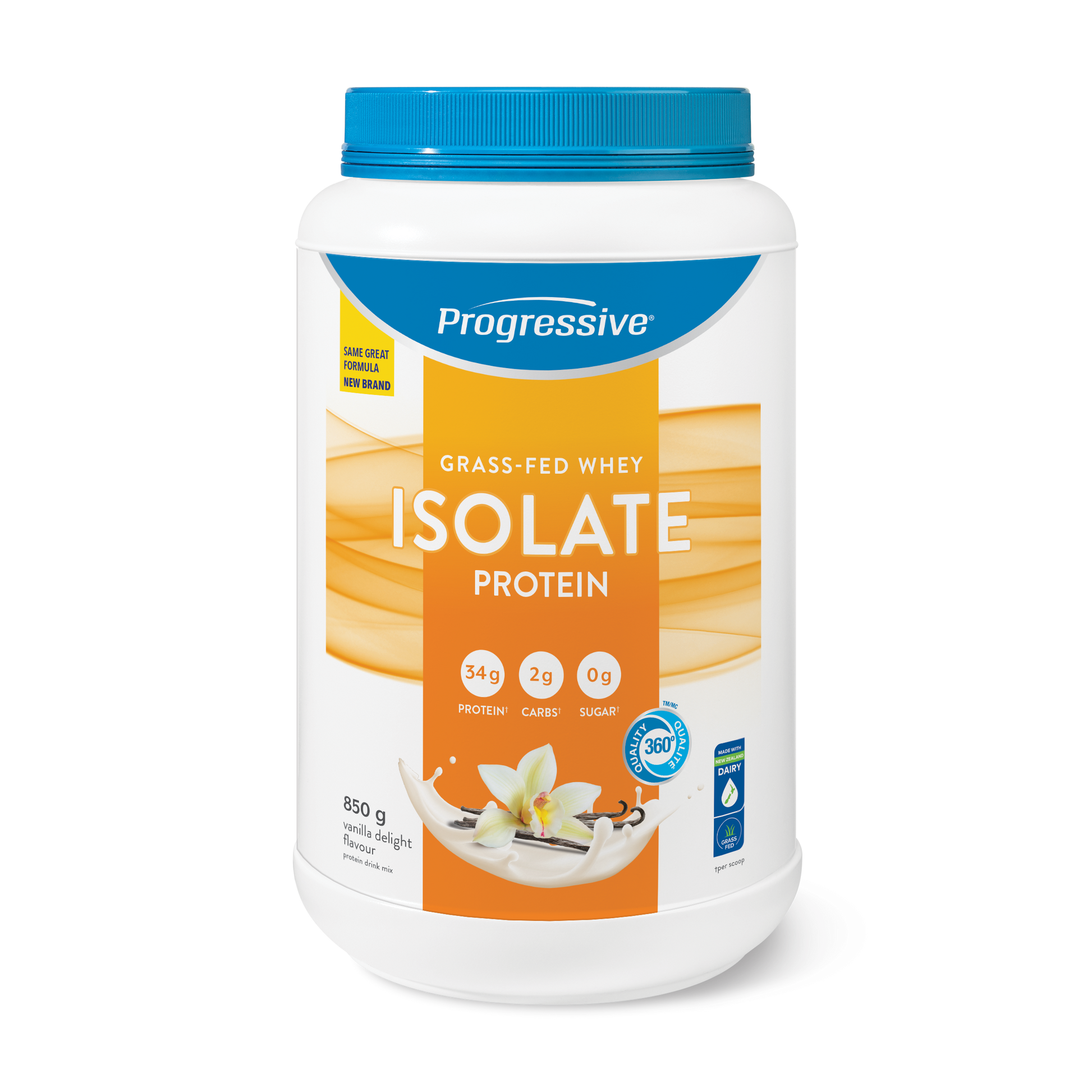
Credit: www.progressivenutritional.com
Drying And Powdering
Whey protein isolate starts as liquid whey after filtration. Drying turns this liquid into powder form.
The drying process removes moisture while keeping protein strong and pure. Powdering makes it easy to use and store.
Spray Drying Method
Spray drying is a common way to dry whey protein isolate. It uses hot air to remove water quickly.
The liquid whey is sprayed into a hot chamber as tiny droplets. Water evaporates fast, leaving fine protein powder.
- Spray drying keeps powder light and easy to mix
- It reduces drying time and energy use
- Temperature control helps protect protein quality
Maintaining Protein Quality
High heat can damage protein structure. Manufacturers control temperature carefully during drying.
Using lower temperatures and fast drying keeps protein healthy and effective for the body.
- Monitor temperature inside the drying chamber
- Use quick drying to avoid overheating
- Test protein content regularly after drying
Quality Control Measures
Whey protein isolate goes through strict quality control. This ensures it is pure and safe to use. Quality checks happen at many stages in the process.
These controls keep the protein content high and free from harmful substances. They help create a reliable and healthy product.
Testing Purity And Protein Content
Testing purity means checking if the whey protein isolate has unwanted parts. Protein content tests show how much protein is in the product.
Lab machines measure the protein level and detect impurities. This makes sure the product meets set standards.
- Use chromatography to separate and identify substances
- Apply Kjeldahl method to measure total protein
- Check for fat and lactose levels to confirm purity
- Compare results to product specifications
Ensuring Safety And Hygiene
Safety checks keep the product free from bacteria and toxins. Hygiene rules protect the product during making and packaging.
Factories must clean equipment and follow strict health protocols. Workers wear protective clothing to avoid contamination.
- Regular sanitation of machines and surfaces
- Control temperature and humidity in production areas
- Test for harmful microbes like Salmonella and E. coli
- Train staff in hygiene and safety procedures
Benefits Of Whey Protein Isolate
Whey protein isolate is a popular supplement made from milk. It is processed to remove most fat and lactose.
This protein is fast to digest and helps build muscles. Many people use it to support fitness and health goals.
High Protein Content
Whey protein isolate has more protein than other whey types. It usually contains 90% or more protein by weight.
This high protein level helps with muscle repair and growth. It is useful for athletes and people who need extra protein.
Low Lactose And Fat
Whey protein isolate contains very little lactose. This makes it easier to digest for people with lactose sensitivity.
The fat content is also very low. This helps keep calorie intake low while still getting quality protein.
Common Uses And Applications
Whey protein isolate is a popular ingredient made from milk. It contains a high amount of protein with very little fat and lactose. Many people use it to support their health and fitness goals.
This protein is used in different areas such as sports nutrition and dietary supplements. It helps to provide the body with quick and easy protein.
Sports Nutrition
Athletes and fitness enthusiasts use whey protein isolate to help build and repair muscles. It is fast-digesting, which makes it ideal after workouts.
It supports muscle growth and recovery by delivering essential amino acids quickly to the body. Many sports drinks and protein shakes include whey protein isolate.
- Used in protein powders for muscle repair
- Included in recovery drinks
- Added to energy bars for extra protein
Dietary Supplements
Whey protein isolate is also found in many dietary supplements. People use it to increase their daily protein intake without adding much fat or carbs.
It helps support weight management and healthy aging by maintaining muscle mass. It is easy to add to shakes, smoothies, or meals.
- Used in protein capsules and powders
- Added to meal replacement shakes
- Helps support healthy weight and muscle

Credit: biochemprotein.com
Frequently Asked Questions
What Is Whey Protein Isolate?
Whey protein isolate is a highly purified form of whey protein. It contains over 90% protein with minimal fats and lactose. This makes it ideal for muscle building and quick digestion.
How Is Whey Protein Isolate Processed?
Whey protein isolate is made using filtration methods like microfiltration or ion exchange. These remove fats and lactose, leaving mostly pure protein. The result is a powder with high protein concentration.
Why Choose Whey Protein Isolate Over Concentrate?
Whey protein isolate has less fat and lactose than concentrate. It is absorbed faster, making it better for muscle recovery. People with lactose intolerance often prefer isolate for easier digestion.
Does Whey Protein Isolate Contain Lactose?
Whey protein isolate contains very little lactose. The filtration process removes most lactose, making it suitable for many lactose-sensitive individuals. However, trace amounts might still be present.
Conclusion
Whey protein isolate comes from whey, the liquid part of milk. It goes through filtering to remove fats and lactose. This process makes it pure and easy to digest. Many people use it to help build muscle and recover faster.
Knowing how it is made helps you choose the right supplement. Always check the label to ensure quality. Simple steps lead to a product that supports your health and fitness goals. Clear and clean protein, made with care.


