
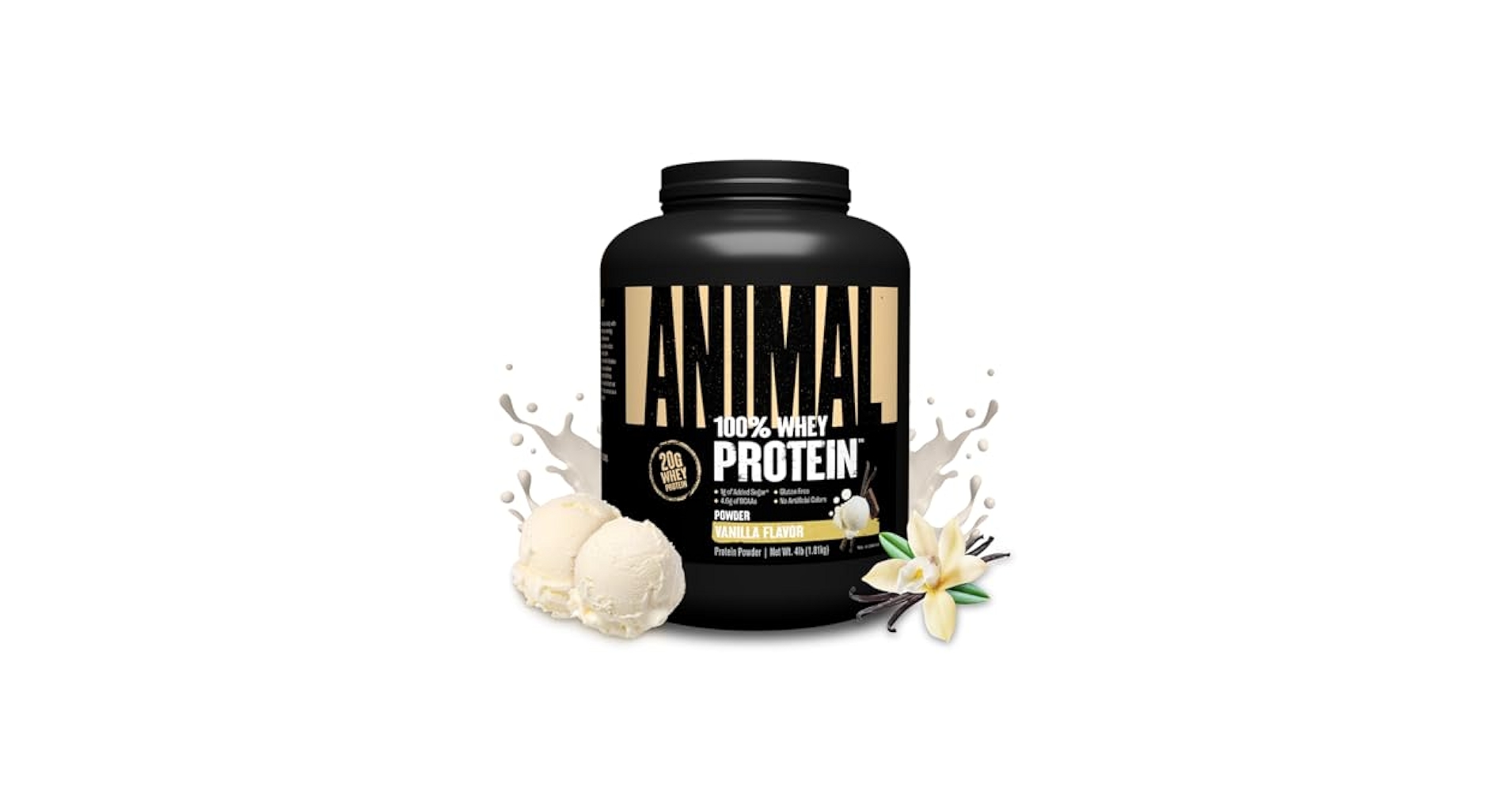
Are you curious about where whey protein really comes from? If you’ve ever wondered whether whey protein is animal-based or not, you’re not alone.
Understanding this can help you make smarter choices for your health and diet. You’ll discover the truth about whey protein’s origins and what that means for you. Keep reading to find out everything you need to know before your next protein shake.

Credit: levelsprotein.com
What Is Whey Protein
Whey protein is a popular supplement used by athletes. It helps in building muscles and recovery.
This protein is derived from milk. It is a byproduct of cheese production.
Origin Of Whey Protein
Whey protein comes from cow’s milk. Milk contains two main proteins: casein and whey.
During cheese production, whey separates from casein. This liquid whey is then processed into powder.
Nutritional Value Of Whey Protein
Whey protein is rich in essential amino acids. These are important for muscle growth and repair.
It also contains branched-chain amino acids. These help in reducing muscle fatigue.
- High protein content
- Low in fat and carbohydrates
- Contains vitamins and minerals
Types Of Whey Protein
There are different forms of whey protein. Each has its own benefits and uses.
Whey protein concentrate is the most common. It contains some fats and lactose.
Whey protein isolate has less lactose and fat. It is a purer form of protein.
Whey protein hydrolysate is pre-digested. It is absorbed faster by the body.
- Whey protein concentrate
- Whey protein isolate
- Whey protein hydrolysate
Sources Of Whey Protein
Whey protein comes from milk. It is a byproduct of cheese making.
This protein is rich in essential amino acids. Many people use it to support muscle growth and recovery.
Cow’s Milk
The most common source of whey protein is cow’s milk. It contains two main proteins: casein and whey.
When milk turns into cheese, the liquid whey separates. This liquid is processed to make whey protein powder.
Goat’s Milk
Whey protein can also come from goat’s milk. It is less common but has similar benefits.
Goat whey may be easier to digest for some people. It has a slightly different taste than cow whey.
Sheep’s Milk
Sheep’s milk is another animal source of whey protein. It is used mainly in some European cheeses.
Whey from sheep’s milk is rich in nutrients. It is less available in stores compared to cow whey.
Animal-based Nature Of Whey Protein
Whey protein is always animal-based. It comes only from the milk of mammals.
There are no plant-based whey proteins. People who avoid animal products choose other protein types.
Animal Origin Of Whey Protein
Whey protein comes from milk. It is a byproduct of cheese making.
This protein contains all essential amino acids. It supports muscle growth and repair.
Source Of Whey Protein
Whey protein is made from cow’s milk. Cows produce milk used to extract whey.
The milk is separated into curds and whey during cheese production. Whey is collected as a liquid.
Animal-based Nature Of Whey Protein
Since whey comes from milk, it is animal-based. It contains proteins from dairy animals.
People who avoid animal products often skip whey protein. They choose plant-based protein instead.
Common Dairy Animals For Whey Production
Most whey protein comes from cow milk. Some whey can come from goat or sheep milk.
- Cows are the main source worldwide
- Goat milk whey is less common
- Sheep milk whey is used in some cheeses
How Whey Protein Is Processed
Whey protein comes from milk. It is a by-product of cheese making. The process turns milk into whey and curds.
Whey protein is then separated and purified. This creates a powder used in many foods and supplements.
Milk Collection And Cheese Making
The process starts with fresh cow’s milk. Milk contains two main proteins: casein and whey.
When making cheese, enzymes or acids are added. These make the milk separate into curds and whey liquid.
Whey Separation And Filtration
The liquid whey is collected after cheese curds form. It still contains proteins, lactose, and fats.
Whey goes through filtration to remove fat and lactose. This helps to concentrate the protein.
- Microfiltration removes fat and bacteria
- Ultrafiltration concentrates protein
- Diafiltration washes out lactose
Drying And Powder Formation
The filtered whey liquid is then dried. This turns it into a fine powder.
Spray drying is a common method. It sprays whey into hot air to evaporate water quickly.
- Spray drying keeps protein structure
- Produces a shelf-stable powder
- Allows easy mixing in drinks
Types Of Whey Protein
Different processing methods create whey protein types. These vary in protein amount and lactose content.
Common types include whey concentrate, isolate, and hydrolysate.
| Type | Description | Protein Content |
|---|---|---|
| Whey Concentrate | Less processed, contains some fat and lactose | 70-80% |
| Whey Isolate | More filtered to remove fat and lactose | 90% or more |
| Whey Hydrolysate | Pre-digested for faster absorption | Varies |
Whey Protein And Vegetarian Diets
Whey protein is popular for building muscle and recovery. Many people wonder if it fits into a vegetarian diet.
This article explains what whey protein is and its place in vegetarian eating.
Is Whey Protein Animal Based?
Whey protein comes from milk, which is an animal product. It is made during cheese production.
Milk contains two main proteins: casein and whey. Whey is separated and used as a supplement.
Vegetarians do not eat meat but often consume dairy products. Whey protein is allowed for most vegetarians.
People who avoid all animal products, like vegans, do not eat whey protein.
- Vegetarians can use whey protein as a protein source.
- Whey provides all essential amino acids.
- It supports muscle growth and repair.
Alternatives To Whey Protein For Vegetarians
Some vegetarians prefer plant-based protein powders. These come from peas, rice, or hemp.
Plant proteins are good options but may lack some amino acids whey provides.
- Pea protein is rich in iron and easy to digest.
- Rice protein is hypoallergenic and mild in taste.
- Hemp protein offers fiber and omega-3 fats.
Credit: www.fortunebusinessinsights.com
Alternatives To Animal-based Whey Protein
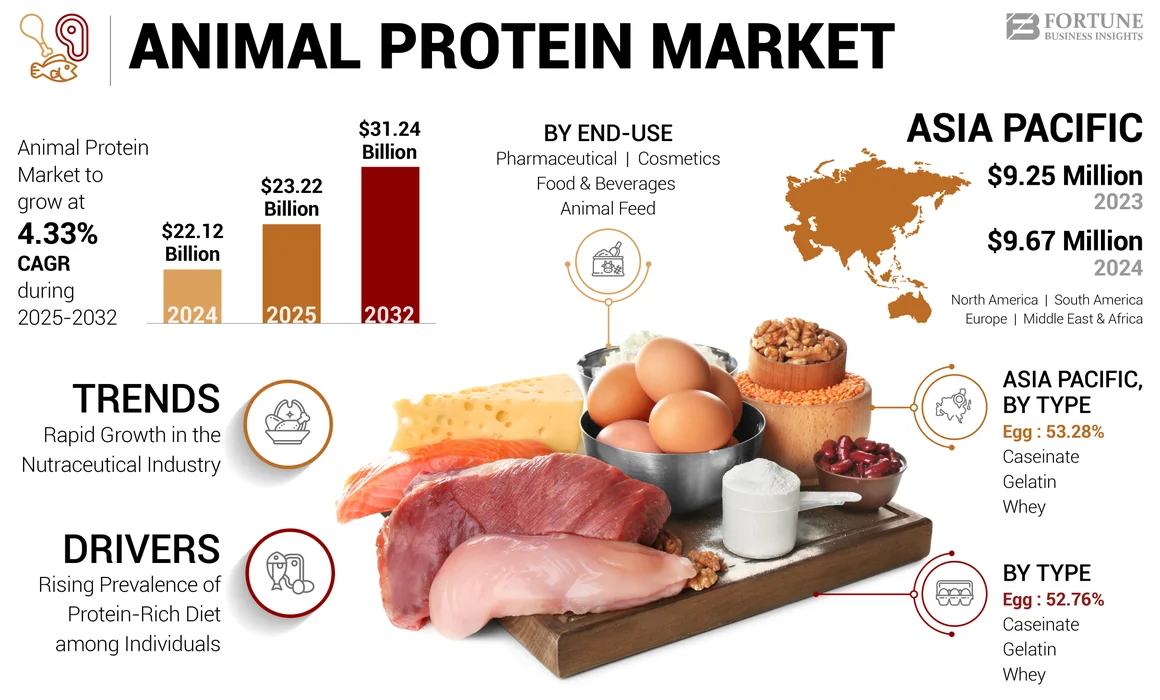
Whey protein comes from milk, so it is animal-based. Some people look for other proteins for different reasons.
Plant-based protein options can offer good nutrition without animal ingredients. These are good for vegans and those with allergies.
Pea Protein
Pea protein comes from yellow split peas. It is rich in protein and easy to digest.
This protein has all nine essential amino acids but is lower in methionine. It mixes well in shakes and smoothies.
Rice Protein
Rice protein is made from brown rice. It is hypoallergenic and gentle on the stomach.
Rice protein lacks lysine, so it is often combined with other proteins for balance. It has a mild taste.
Hemp Protein
Hemp protein comes from hemp seeds. It contains fiber, healthy fats, and minerals along with protein.
This protein is not as high in protein as others but has good omega-3 fatty acids. It has a nutty flavor.
Soy Protein
Soy protein is extracted from soybeans. It is a complete protein with all essential amino acids.
This protein supports muscle growth and is widely available. Some people avoid soy due to allergies or preferences.
Pumpkin Seed Protein
Pumpkin seed protein is made by grinding pumpkin seeds. It is rich in magnesium and zinc.
This protein has a good amino acid profile and a mild, earthy taste. It is a newer option in the market.
Benefits Of Whey Protein
Whey protein is a popular supplement made from milk. It helps build muscles and supports overall health.
This protein is animal based because it comes from the liquid part of milk during cheese making.
Supports Muscle Growth
Whey protein provides all essential amino acids. These are the building blocks for muscles.
Eating whey protein after exercise helps muscles recover and grow stronger.
Helps With Weight Management
Whey protein can make you feel full for longer. This reduces hunger and helps control eating.
It also boosts metabolism, which helps burn more calories during the day.
Supports Immune Health
Whey protein contains important nutrients that support the immune system. This helps fight infections.
It also increases the production of glutathione, a powerful antioxidant in the body.
Easy To Digest And Absorb
Whey protein is quickly digested and absorbed by the body. This makes nutrients available fast.
It is a good choice for people who need quick protein after workouts or during illness.

Credit: www.amazon.com
Potential Concerns And Allergies
Whey protein comes from milk, so it is animal based. Some people may have concerns about using it.
It is important to know about allergies and other issues before using whey protein.
Milk Allergy
Whey protein is made from cow’s milk. People with milk allergies might get sick.
Symptoms can include itching, swelling, and stomach pain. Severe cases need medical help.
Lactose Intolerance
Whey protein contains lactose, a sugar found in milk. Some people cannot digest lactose well.
This can cause gas, bloating, and diarrhea. Choose whey isolate to reduce lactose intake.
Digestive Issues
Whey protein can cause stomach upset in some people. This includes cramps and nausea.
Start with small amounts to see how your body reacts. Drink plenty of water.
Ethical And Dietary Concerns
Since whey protein comes from animals, it is not suitable for vegans. Some vegetarians may avoid it too.
People with strict diets may look for plant-based protein as an alternative.
Frequently Asked Questions
Is Whey Protein Derived From Animals?
Yes, whey protein is an animal-based protein. It is extracted from milk during cheese production, making it a dairy byproduct.
What Animals Produce Whey Protein?
Whey protein primarily comes from cow’s milk. Some whey protein can also be derived from goat’s milk, but cow’s milk is most common.
Is Whey Protein Suitable For Vegetarians?
Whey protein is suitable for lacto-vegetarians who consume dairy. However, it is not vegan because it comes from animal milk.
How Is Whey Protein Processed From Milk?
Whey protein is separated from milk during cheese making. The liquid whey is filtered, concentrated, and dried into powder form.
Conclusion
Whey protein comes from milk, so it is animal-based. People use it for muscle growth and recovery. It contains all essential amino acids needed by the body. Vegans usually avoid whey protein because it comes from animals. Some choose plant-based proteins as an alternative.
Understanding the source helps you pick the right supplement. Always check labels to know what you consume. Choose protein that fits your diet and health goals. Simple and clear choices work best for your body.


