

Are you curious about how many calories you’re getting in a single scoop of whey protein? Whether you’re trying to build muscle, lose weight, or simply stay healthy, knowing the calorie content is key to reaching your goals.
Too many calories might slow your progress, while too few could leave you feeling weak. You’ll discover exactly what’s inside that scoop and how it fits into your daily nutrition. Keep reading to take control of your protein intake and make every calorie count.
Calories In Whey Protein Scoop
Whey protein is a popular supplement. It helps build muscle and supports recovery. Many people want to know the calories in a scoop.
Calories in whey protein vary by brand and type. Understanding calorie content is essential for diet planning.
Typical Calorie Range
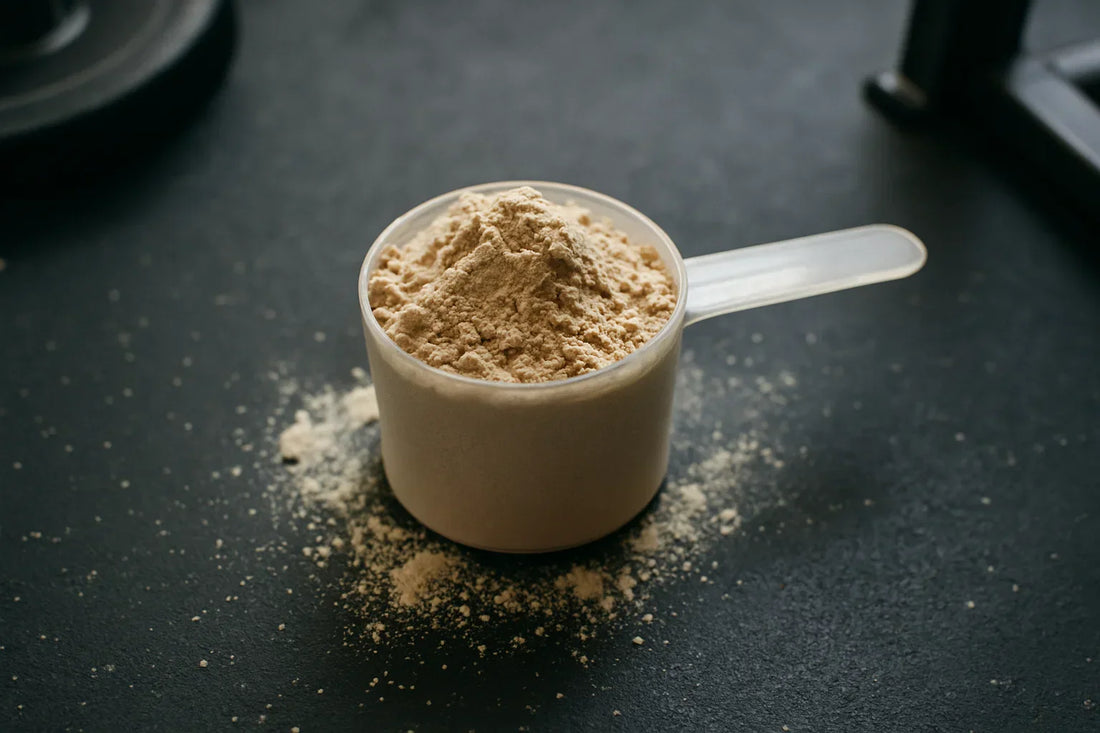
A typical scoop of whey protein has about 100 to 150 calories. This range depends on the product and serving size.
Most whey protein powders fall within this range. Always check the nutrition label to be sure.
- 100 calories per scoop (average)
- Some brands may have up to 150 calories
- Check the label for exact numbers
Factors Affecting Calorie Count
Several factors can change the calorie count in whey protein. Added ingredients and serving sizes are common reasons for variations.
Some whey proteins have added flavors or sweeteners. These additions can increase the calorie content.
- Added sugars or flavorings
- Size of the scoop
- Type of whey protein (isolate, concentrate, etc.)
Credit: shivakam.com
Types Of Whey Protein
Whey protein is a popular supplement for building muscle and recovery. It comes in different types, each with unique features.
Knowing the types helps you choose the right one for your diet and calorie needs.
Concentrate Vs Isolate
Whey concentrate contains more fat and lactose than isolate. It is less processed and has around 70-80% protein.
Whey isolate is purer and has 90% or more protein. It has fewer calories from fat and carbs.
| Type | Protein % | Calories per Scoop (approx.) | Fat and Carbs |
|---|---|---|---|
| Whey Concentrate | 70-80% | 110-130 | Contains more fat and lactose |
| Whey Isolate | 90%+ | 90-110 | Very low fat and carbs |
Hydrolyzed Whey Calories
Hydrolyzed whey is pre-digested for faster absorption. It has similar calories to isolate whey.
This type often costs more but is good for quick protein delivery after workouts.
- Protein content: around 90% or more
- Calories per scoop: about 100-120
- Low fat and carbs, like isolate whey
Serving Size Impact
The calories in a scoop of whey protein depend on the serving size. Different scoops can hold different amounts of powder.
Understanding serving size helps you track your calorie intake better. This is important for your fitness goals.
Standard Scoop Sizes
Most whey protein scoops hold between 20 to 30 grams of powder. This usually contains about 80 to 130 calories.
- A 20-gram scoop has around 80 to 90 calories
- A 25-gram scoop has about 100 to 110 calories
- A 30-gram scoop can have 120 to 130 calories
Always check the label for exact calories per scoop. Sizes can differ by brand and product type.
Adjusting Portions
You can change the number of scoops to fit your calorie needs. Using half or double scoops changes calorie intake too.
- Half a scoop has about half the calories
- Two scoops double the calories
- Measure scoops carefully for accuracy
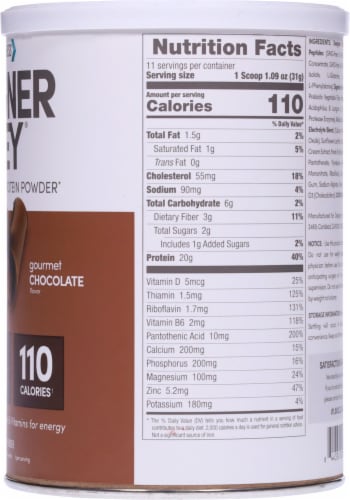
Adjust portions based on your diet plan. This helps you manage calories without guesswork.
Credit: www.ralphs.com
Calories From Ingredients
A scoop of whey protein contains calories from different ingredients. These ingredients include protein, carbohydrates, fats, and sometimes added sugars and flavors. Knowing the source of calories helps you understand how whey protein fits into your diet.
The main calorie source in whey protein comes from protein itself. Proteins provide 4 calories per gram. Other ingredients can add calories too, changing the total count in each scoop.
Added Sugars And Flavors
Many whey protein powders include added sugars and flavors. These ingredients increase the calorie count. Added sugars provide quick energy but add extra calories you may not need.
Flavors like chocolate or vanilla often come with sweeteners. These can be natural or artificial. Natural sweeteners add some calories, while artificial ones usually do not.
- Added sugars add about 4 calories per gram
- Natural flavors can add small calorie amounts
- Artificial flavors usually add no calories
Mixing With Milk Vs Water
Mixing whey protein with water keeps calories low. Water has no calories, so the total calories come only from the protein powder.
Mixing whey protein with milk adds more calories. Milk contains protein, fat, and carbohydrates. The type of milk changes how many calories you add.
| Liquid | Calories per 1 cup (240 ml) |
|---|---|
| Water | 0 |
| Skim Milk | 80 |
| 2% Milk | 120 |
| Whole Milk | 150 |
Whey Protein And Weight Goals
Whey protein is a popular supplement for many fitness goals. It helps with muscle growth and weight management.
Knowing how many calories are in a scoop of whey protein can help you reach your weight goals. This guide explains its role in muscle gain and weight loss.
Calorie Counting For Muscle Gain
Muscle gain needs extra calories and protein. Whey protein adds calories and helps repair muscles after exercise.
A typical scoop of whey protein has about 100 to 130 calories. This adds to your daily calorie needs for muscle growth.
- One scoop usually contains 20 to 25 grams of protein
- Calories come mainly from protein and some fat
- Use whey to meet your extra calorie and protein targets
Using Whey For Weight Loss
Whey protein can help you feel full and keep muscle during weight loss. It supports fat loss when you eat fewer calories.
Counting calories in whey helps control total daily intake. One scoop adds nutrition without many calories.
- Whey protein keeps hunger low between meals
- One scoop has about 100 to 130 calories
- Include whey to meet protein needs with fewer calories
Reading Nutrition Labels
Whey protein is a popular supplement for building muscle. Knowing how many calories are in one scoop helps you track your diet well.
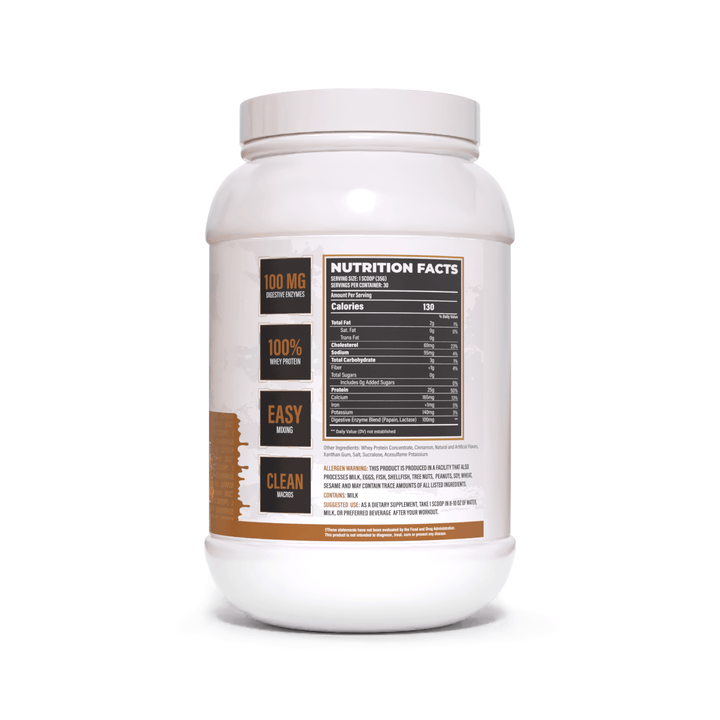
Nutrition labels show important information. They tell you the calories, protein, fat, and carbs per serving.
Identifying Hidden Calories
Some whey protein powders have added ingredients. These can add extra calories you might not expect.
Look for sugars, fats, and fillers on the label. These raise the calorie count even if protein stays the same.
- Sugars add quick calories and may reduce protein quality
- Added fats increase energy but not muscle gain
- Fillers like maltodextrin add calories without nutrients
Comparing Brands
Different brands have different calorie counts per scoop. Always check the label before buying.
Calories vary due to protein type, added ingredients, and serving size. Compare these factors to pick the best option.
| Brand | Calories per Scoop | Protein (g) | Sugars (g) |
|---|---|---|---|
| Brand A | 120 | 24 | 1 |
| Brand B | 150 | 25 | 3 |
| Brand C | 110 | 22 | 0 |
Common Myths About Whey Calories
Many people wonder how many calories are in a scoop of whey protein. There are many myths about whey calories that confuse users.
This article clears up common misunderstandings about whey protein and calories.
Whey Protein And Fat Gain
Some think whey protein causes fat gain. This is not true if you eat the right amount of calories daily.
Whey protein helps build muscle and can support fat loss when combined with exercise.
- Calories from whey alone do not cause fat gain
- Eating more calories than you burn causes fat gain
- Whey protein supports muscle growth and recovery
Calories Vs Protein Quality
A scoop of whey protein has calories, but quality matters more than calories alone.
Whey protein contains all essential amino acids. It has high protein quality compared to other sources.
- Whey protein offers complete amino acids
- Calories in whey come mainly from protein
- High protein quality aids muscle repair
Tips To Manage Calorie Intake
Knowing how many calories are in a scoop of whey protein helps control daily intake. It is important for weight goals and overall health.
Managing calories includes choosing the right times to consume whey and balancing it with other foods.
Best Times To Consume Whey
Whey protein works well after workouts to help muscles recover. It also makes a quick snack between meals.
Eating whey in the morning can support energy and keep you full longer.
- After exercise for muscle repair
- Between meals to reduce hunger
- In the morning for sustained energy
Balancing With Overall Diet
Count calories from whey as part of your total daily intake. Avoid adding too many extra calories from other sources.
Choose healthy foods to go with whey protein. Include fruits, vegetables, and whole grains for a balanced diet.
- Track total calories to stay within your goals
- Include whey protein as part of meals, not the only food
- Focus on nutrient-rich foods alongside whey
Credit: hugesupplements.com
Frequently Asked Questions
How Many Calories Are In One Scoop Of Whey Protein?
One scoop of whey protein typically contains between 100 to 130 calories. The exact amount depends on the brand and flavor. Most powders provide this calorie count along with essential protein to support muscle growth and recovery.
Does Whey Protein Powder Contain Fat Or Carbs?
Yes, whey protein usually contains small amounts of fat and carbohydrates. Typically, fat ranges from 1 to 3 grams, and carbs are about 2 to 5 grams per scoop. This helps maintain a balanced macronutrient profile in your diet.
Can Calories In Whey Protein Affect Weight Loss?
Yes, calories from whey protein can impact weight loss if not accounted for. Consuming excess calories, even from protein, may lead to weight gain. Tracking intake helps maintain a calorie deficit for effective weight loss.
Is The Calorie Content Different In Flavored Whey Protein?
Flavored whey protein often contains slightly more calories than unflavored versions. Added sugars and flavorings increase calorie content. Always check the nutrition label for accurate calorie information per scoop.
Conclusion
A scoop of whey protein usually contains around 100 to 130 calories. Calories can vary by brand and flavor. Knowing this helps you manage your daily intake better. It supports your goals, whether building muscle or losing weight. Always check the label for exact calorie counts.
Use whey protein wisely as part of a balanced diet. Small details make a big difference in nutrition. Keep your health and fitness goals clear. Simple steps lead to lasting results.


