
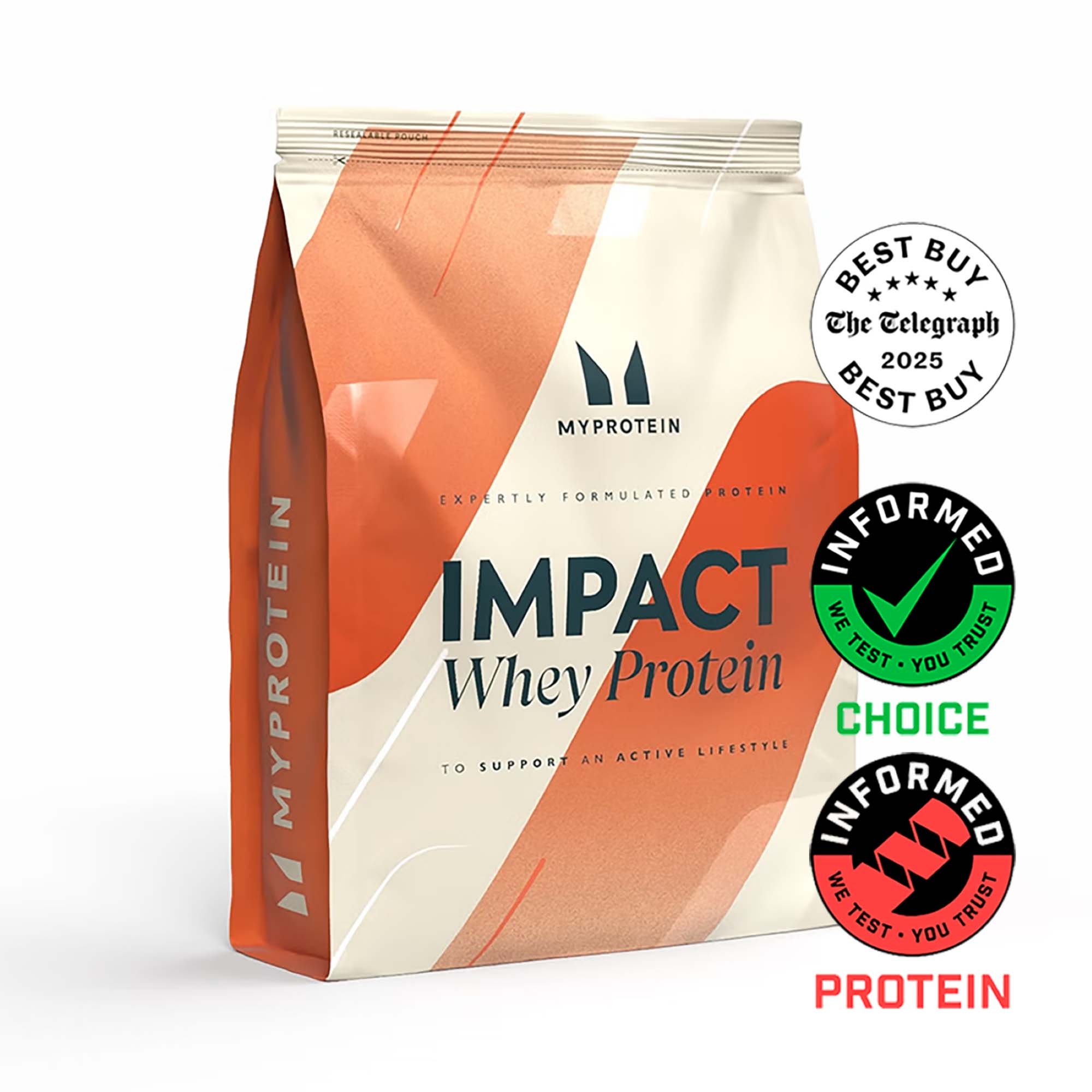
Are you worried about gluten sneaking into your whey protein? Whether you have gluten sensitivity, celiac disease, or just want to be cautious, knowing what’s really inside your protein powder is crucial.
You deserve to fuel your body without any hidden risks. This article will clear up the confusion and help you make smart choices for your health. Keep reading to find out if your whey protein is truly gluten-free and what to watch out for.
What Is Whey Protein
Whey protein is a popular supplement for those who want to build muscles. It comes from milk during the cheese-making process.
This protein is easy to digest and contains essential amino acids. People use it to support their fitness goals and dietary needs.
Types Of Whey Protein
There are different types of whey protein available. Each type has unique benefits and characteristics.
- Whey Protein Concentrate: Contains some fat and lactose but is rich in protein.
- Whey Protein Isolate: Has most of the fat and lactose removed, making it higher in protein.
- Whey Protein Hydrolysate: Pre-digested for easier absorption and quicker digestion.
Common Uses In Diets
Whey protein is used in various diets to help meet protein needs. It’s a convenient way to boost daily protein intake.
People often add whey protein to shakes, smoothies, and meals. It helps with muscle recovery and can aid in weight management.
- Post-workout shakes for muscle recovery
- Meal replacement for weight loss
- Protein boost in baking and cooking

Credit: www.amazon.ca
Gluten Basics
Gluten is a protein found in some grains. It helps foods keep their shape.
People often ask if whey protein contains gluten. Knowing about gluten helps understand this better.
Sources Of Gluten
Gluten is mainly in wheat, barley, and rye. These grains are common in bread and pasta.
Many processed foods also contain gluten. It can hide in sauces, soups, and snacks.
- Wheat (bread, pasta, cereal)
- Barley (beer, malt)
- Rye (rye bread, crackers)
- Processed foods with gluten additives
Gluten Sensitivity And Celiac Disease
Some people feel sick after eating gluten. This is called gluten sensitivity.
Celiac disease is a serious autoimmune condition. Gluten causes damage to the small intestine in these cases.
- Gluten sensitivity causes stomach pain and tiredness
- Celiac disease damages the gut lining
- Both conditions need a gluten-free diet
Whey Protein And Gluten Content
Many people wonder if whey protein contains gluten. Gluten is a protein found in wheat and related grains. Whey protein comes from milk, so the two are different.
It is important to know if whey protein is safe for those avoiding gluten. This helps people with gluten intolerance or celiac disease.
Natural Gluten Presence In Whey
Whey protein is made from milk during cheese production. Milk does not contain gluten naturally. Whey protein powder itself does not have gluten.
Pure whey protein isolates or concentrates are gluten-free. They are safe for people who avoid gluten in their diet.
Cross-contamination Risks
Whey protein can get gluten from other ingredients or processing equipment. This is called cross-contamination. It can happen if gluten-containing products are made nearby.
People with high gluten sensitivity should check product labels. Look for gluten-free certification or contact the manufacturer.
- Check if the factory processes gluten products
- Look for “gluten-free” labels on whey protein
- Avoid flavored whey powders with gluten ingredients
Credit: foodisgood.com
Reading Labels For Gluten
Many people ask if whey protein contains gluten. It is important to read labels carefully. Some whey protein powders may have gluten ingredients.
Checking the product label helps you avoid gluten. This is key for people with gluten allergies or celiac disease.
Identifying Gluten-free Certifications
Look for gluten-free certifications on whey protein labels. These marks show the product meets gluten-free standards.
Certifications come from trusted groups. They test products to confirm no gluten is present.
- Certified Gluten-Free (CGF) symbol
- Gluten-Free Certification Organization (GFCO) seal
- Other local or regional gluten-free marks
Ingredients To Watch For
Check ingredients carefully for gluten sources. Some whey protein powders add flavor or fillers that contain gluten.
Common gluten ingredients include wheat, barley, and rye. Also watch for malt or malt flavoring.
- Wheat protein or wheat flour
- Barley or barley malt
- Rye or rye flour
- Malt extract or malt flavoring
- Modified food starch (if made from wheat)
Safe Whey Protein Choices
People with gluten sensitivity must check whey protein labels. Some whey proteins may have gluten from additives or processing.
Choosing whey protein safe for gluten-free diets helps avoid health problems. Always pick products that clearly state “gluten-free.”
Top Gluten-free Whey Brands
Several whey protein brands offer gluten-free options. These brands test their products to ensure no gluten contamination.
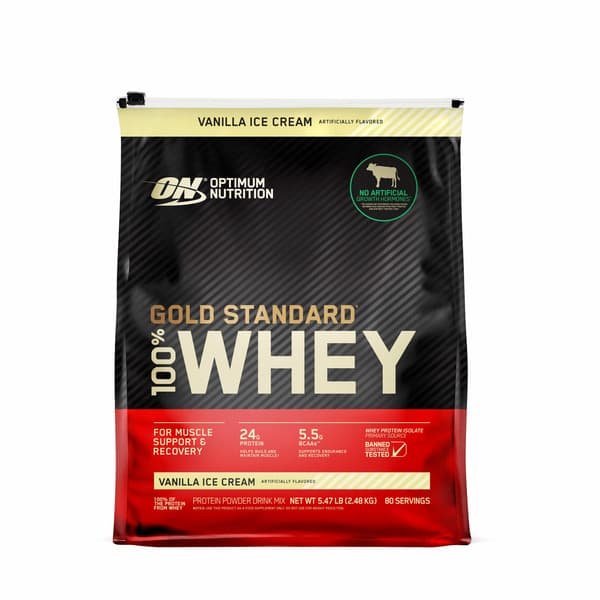
- Optimum Nutrition Gold Standard 100% Whey
- Dymatize ISO100 Hydrolyzed Whey Protein
- NOW Sports Whey Protein Isolate
- MuscleTech NitroTech Whey Gold
- Isopure Low Carb Whey Protein Isolate
Check the packaging for gluten-free certification. This label shows the product is safe for people avoiding gluten.
Tips For Avoiding Gluten
Read all ingredient labels carefully. Some whey proteins may include gluten as fillers or flavorings.
- Choose whey protein labeled gluten-free.
- Avoid products with malt, barley, or wheat ingredients.
- Buy from brands that test for gluten contamination.
- Contact customer service if unsure about gluten content.
- Use separate scoops to avoid cross-contamination.
Following these tips helps keep your whey protein safe. Staying gluten-free supports better digestion and health.
Alternatives To Whey Protein
Whey protein is popular, but some people cannot use it. This may be due to allergies or dietary choices. Luckily, there are many other protein options that do not contain gluten.
Choosing the right protein powder helps meet your nutrition needs. It also keeps your diet safe if you avoid gluten.
Plant-based Protein Options
Plant-based proteins come from seeds, nuts, and legumes. They are good choices for people with gluten intolerance or dairy allergies. These proteins are natural and easy to digest.
Many plant-based powders mix different sources to give a complete protein. They often include fiber and other nutrients.
- Pea protein is rich in iron and easy to digest.
- Brown rice protein has all essential amino acids.
- Hemp protein contains omega-3 fatty acids and fiber.
- Soy protein is a complete protein with high quality.
- Pumpkin seed protein offers minerals like magnesium.
Other Gluten-free Protein Powders
Some protein powders come from animal sources but do not contain gluten. These are good if you want to avoid whey but still prefer animal proteins.
These powders are tested to ensure no gluten contamination. They provide high protein levels for muscle repair and growth.
- Egg white protein is low in carbs and fat.
- Collagen protein supports skin and joint health.
- Beef protein isolate is pure and easy to digest.
- Casein protein digests slowly, good for night use.
Managing Gluten Sensitivity With Supplements
People with gluten sensitivity need to be careful about what they eat and take as supplements. Some supplements may contain gluten or traces of it.
Whey protein is a common supplement that many use for fitness and health. It is important to know if it contains gluten or not.
Consulting Healthcare Professionals
Talk to your doctor or dietitian before adding whey protein or any supplement. They can help find options safe for gluten sensitivity.
Healthcare professionals can guide you on reading labels and choosing products that do not contain gluten.
- Ask about gluten-free certification on supplements
- Discuss any other allergies or health concerns
- Request advice on proper supplement use
Monitoring Reactions And Symptoms
After starting a new supplement, watch how your body reacts. Note any symptoms like stomach pain or rashes.
Keep a daily journal of foods and supplements you take. This helps spot if gluten is causing problems.
- Record the time you take supplements
- Write down any discomfort or changes
- Share this information with your healthcare provider

Credit: biochemprotein.com
Frequently Asked Questions
Is Whey Protein Naturally Gluten-free?
Yes, whey protein is naturally gluten-free as it is derived from milk, not grains containing gluten. However, cross-contamination can occur during processing, so always check labels for gluten-free certification.
Can Whey Protein Cause Gluten Intolerance Symptoms?
Whey protein itself does not cause gluten intolerance symptoms. If symptoms occur, it may be due to contamination or other ingredients in the product. Choose certified gluten-free whey protein to avoid issues.
How To Find Gluten-free Whey Protein Brands?
Look for whey protein labeled “gluten-free” or certified by trusted organizations. Read ingredient lists carefully and avoid products with wheat, barley, or rye derivatives to ensure safety.
Is Hydrolyzed Whey Protein Gluten-free?
Hydrolyzed whey protein is typically gluten-free because it comes from milk. Still, verify the product label for gluten-free certification to prevent cross-contamination risks.
Conclusion
Whey protein usually does not contain gluten. Most brands make it gluten-free. Still, always check the label to be sure. Cross-contamination can happen during processing. People with gluten allergies should stay cautious. Choose products labeled “gluten-free” for safety. Whey protein offers good nutrition without gluten risks.
It helps build muscle and supports health. Keep reading labels to protect your diet. Simple steps make a big difference for gluten-sensitive people.


