
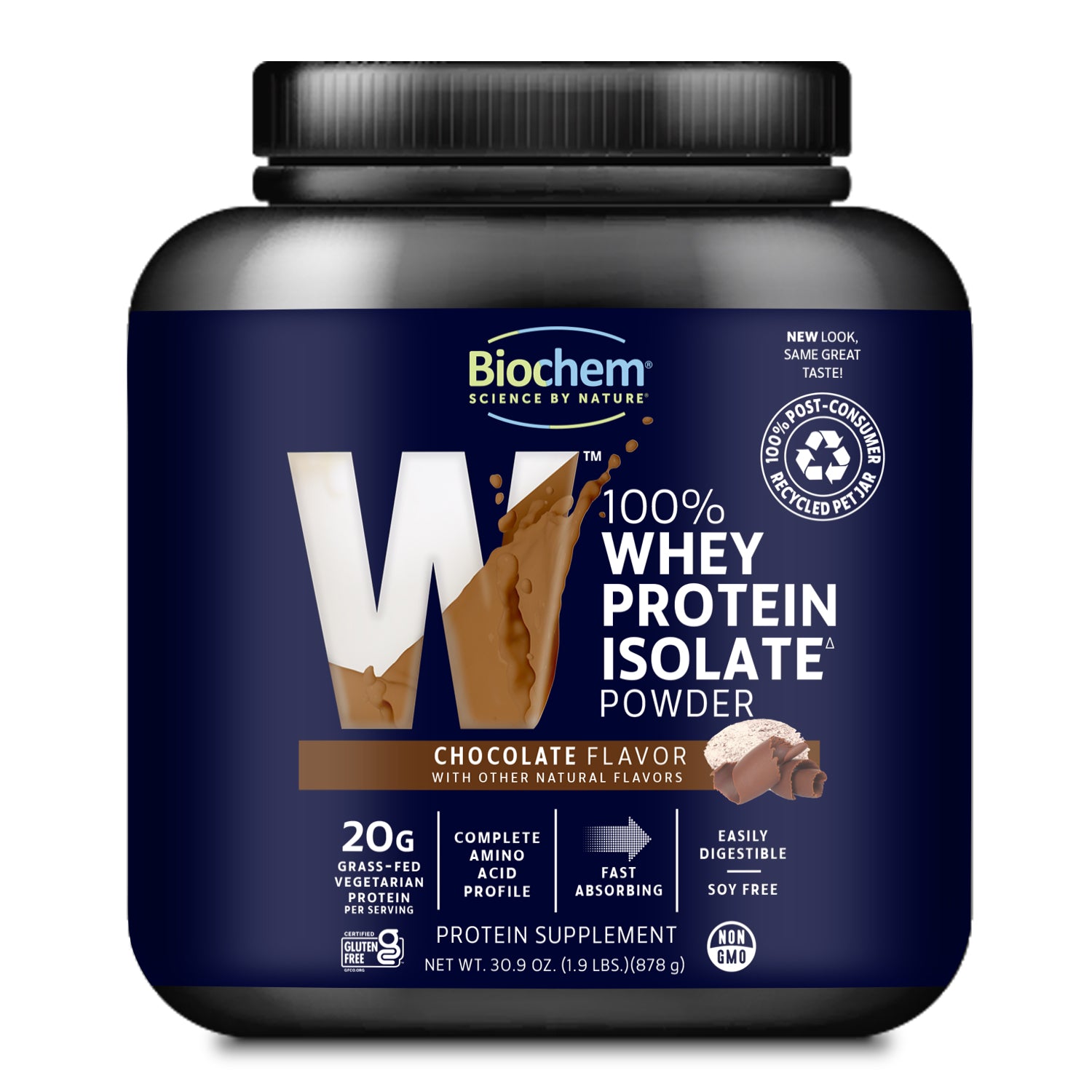
If you’re careful about what you eat, especially when it comes to gluten, you might wonder: does whey protein have gluten? This question matters a lot if you have gluten intolerance or celiac disease.
Choosing the right protein supplement can be confusing, and you don’t want to risk your health or feel unsure about what’s in your shake. Keep reading to discover the truth about whey protein and gluten, so you can make smart, safe choices for your body and your goals.
Credit: foodisgood.com
What Is Whey Protein
Whey protein is a popular supplement for building muscles. It is made from the liquid part of milk that separates during cheese production.
Many people use whey protein to improve their exercise performance. It is a complete protein, containing all essential amino acids.
Sources And Types
Whey protein comes from cow’s milk. It is available in different forms, each with unique benefits.
- Whey Protein Concentrate: Contains some fat and lactose.
- Whey Protein Isolate: Almost pure protein with little fat.
- Whey Protein Hydrolysate: Pre-digested for faster absorption.
Processing Methods
Whey protein is processed to remove fats and lactose. This makes it more suitable for those with lactose intolerance.
Different methods result in various types of whey protein. Filtration and ion-exchange are common processing techniques.
- Filtration: Removes unwanted components using filters.
- Ion-Exchange: Uses ions to separate protein from other elements.
Credit: www.myprotein.com
Gluten Basics
Gluten is a protein found in some grains. It helps foods keep their shape.
People with gluten intolerance must avoid it to stay healthy.
Common Sources Of Gluten
Gluten is in many common foods. It is mostly in wheat, barley, and rye.
- Bread and baked goods
- Pasta and noodles
- Cereals and granola
- Beer and malt drinks
- Some sauces and soups
Gluten And Food Contamination
Gluten can contaminate foods during processing. This happens if machines are shared.
Cross-contact can make gluten-free foods unsafe for some people.
- Shared cutting boards or utensils
- Packaging in the same facility
- Transport in the same containers
Whey Protein And Gluten Content
Whey protein is a popular supplement made from milk. People often ask if it contains gluten. Gluten is a protein found in wheat, barley, and rye. Knowing if whey protein has gluten is important for those with gluten intolerance.
This article explains the gluten content in whey protein. It also looks at natural gluten presence and risks of cross-contamination during production.
Natural Gluten Presence
Whey protein comes from milk, which does not have gluten. Gluten is only in certain grains like wheat and barley. Therefore, pure whey protein does not naturally contain gluten.
People with celiac disease or gluten sensitivity can usually use whey protein safely. Still, some whey protein powders may have added ingredients that contain gluten. Always check the label for added grains or gluten-containing ingredients.
Potential Cross-contamination
Cross-contamination can happen if whey protein is made in a factory that also processes gluten grains. Tiny amounts of gluten may get into the whey protein. This can be a risk for people with strong gluten allergies.
Some manufacturers take steps to avoid cross-contamination. They may use dedicated equipment or test products for gluten. Look for whey protein labeled gluten-free to reduce risk.
- Check if the product says gluten-free
- Contact the manufacturer about cross-contamination
- Choose whey protein from trusted brands
Gluten-free Whey Protein Options
Many people want to know if whey protein contains gluten. Whey protein comes from milk and is naturally gluten-free. Still, some brands may add ingredients with gluten.
Choosing a gluten-free whey protein is important for people with celiac disease or gluten sensitivity. This guide helps you find safe options.
Certification And Labels
Look for gluten-free certification on whey protein packages. This label means the product meets strict gluten-free rules. It is tested to have less than 20 parts per million of gluten.
Other labels like “gluten-free” or “no gluten ingredients” can help too. Always read the ingredient list and allergen warnings to be sure.
- Certified Gluten-Free by third parties
- Clear gluten-free labeling on the package
- No gluten-containing ingredients listed
- Manufactured in gluten-free facilities
Trusted Brands
Some brands are known for offering gluten-free whey protein. They follow strict rules to avoid gluten cross-contamination. Choosing these brands reduces the risk of gluten exposure.
Look for brands that share their testing and certification details. This helps you trust their gluten-free claims.
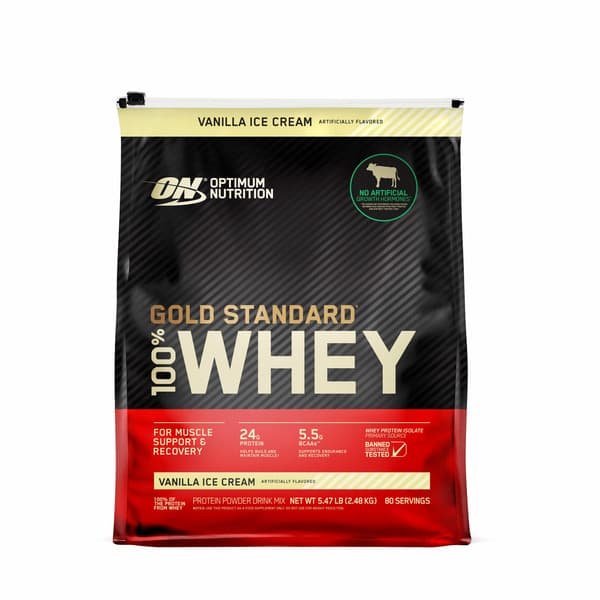
- Optimum Nutrition
- Isopure
- Dymatize
- NOW Sports
Health Implications For Gluten Sensitivity
Whey protein is a popular supplement for muscle building and recovery. People with gluten sensitivity often ask if whey protein contains gluten.
Understanding the risks of gluten in whey protein is important for those with gluten-related health issues.
Celiac Disease Risks
Celiac disease is an autoimmune disorder triggered by gluten. Even small gluten amounts can harm the intestines.
Pure whey protein usually does not contain gluten. But cross-contamination can happen during processing.
- Look for whey protein labeled gluten-free
- Avoid products processed near gluten sources
- Check ingredients for wheat, barley, or rye
Non-celiac Gluten Sensitivity
Non-celiac gluten sensitivity causes symptoms like pain and fatigue without intestinal damage. Gluten avoidance helps.
Whey protein may be safe if gluten-free. Cross-contact risks still exist, so read labels carefully.
Tips For Choosing Safe Whey Protein
Whey protein is a popular supplement for fitness and health. Some people worry if it contains gluten. Gluten can cause problems for those with allergies or celiac disease.
Choosing a safe whey protein means checking its ingredients and how it is made. This helps avoid gluten contamination.
Reading Ingredients
Look at the ingredient list on the whey protein label. The main ingredient is usually whey protein concentrate, isolate, or hydrolysate.
Check if the label mentions gluten or wheat. Some products add flavors or fillers that contain gluten. Avoid those if you need gluten-free protein.
- Check for words like wheat, barley, rye, or malt.
- Look for gluten-free labels or certification marks.
- Be cautious with added ingredients such as maltodextrin or artificial flavors.
Checking Manufacturing Practices
Gluten can enter whey protein if it is made in a factory that also processes gluten products. Cross-contact can happen during production.
Look for brands that use dedicated gluten-free facilities. Some companies test their products for gluten levels to ensure safety.
- Choose products made in gluten-free certified plants.
- Check if the brand tests for gluten contamination.
- Contact the manufacturer if the information is unclear.
Alternatives To Whey Protein
Whey protein is popular, but some people need other options. It may contain traces of gluten if not processed carefully.
Many alternatives can provide good nutrition without gluten worries. These options suit different diets and tastes.
Plant-based Proteins
Plant-based proteins come from seeds, nuts, and legumes. They are naturally free from gluten and dairy.
These proteins work well for vegans and people with lactose intolerance. They also offer fiber and other nutrients.
- Pea protein is rich in amino acids and easy to digest.
- Rice protein has a mild flavor and mixes well in drinks.
- Hemp protein contains omega-3 fatty acids and fiber.
- Sunflower protein is less common but nutritious and gluten-free.
Other Dairy Proteins
Other dairy proteins include casein and milk protein isolate. They come from milk but differ from whey.
These proteins usually do not have gluten. They digest slower than whey, providing long-lasting nutrition.
- Casein protein digests slowly and supports muscle recovery overnight.
- Milk protein isolate combines whey and casein in a balanced mix.
- These proteins suit people who tolerate dairy but avoid gluten.

Credit: www.walmart.com
Frequently Asked Questions
Does Whey Protein Naturally Contain Gluten?
Whey protein is naturally gluten-free as it’s derived from milk. However, some brands may add gluten-containing ingredients during processing. Always check labels for gluten-free certification to ensure safety.
Can Whey Protein Cause Gluten Intolerance Symptoms?
Pure whey protein should not cause gluten intolerance symptoms. If symptoms occur, it might be due to cross-contamination or added gluten ingredients. Choose certified gluten-free whey protein to avoid reactions.
How To Identify Gluten In Whey Protein Products?
Look for gluten-free labels or certifications on whey protein packaging. Read ingredient lists carefully for wheat, barley, or rye. Contact manufacturers if unsure about gluten content or cross-contamination risks.
Is Gluten-free Whey Protein Suitable For Celiac Disease?
Yes, certified gluten-free whey protein is safe for people with celiac disease. It avoids gluten contamination, preventing immune reactions. Always verify product labels before consumption.
Conclusion
Whey protein usually does not contain gluten. Most brands test their products to keep them safe. People with gluten intolerance should check labels carefully. Some whey proteins may have additives with gluten. Choose products labeled gluten-free to avoid risks. Always read ingredient lists before buying or using.
Staying informed helps you stay healthy and strong. Simple steps can protect you from gluten exposure. Keep enjoying your protein without worry or stress.


