
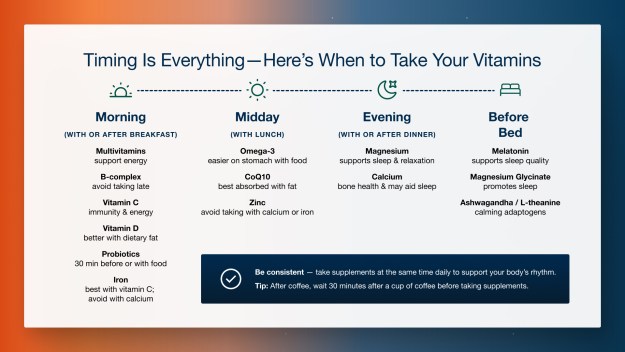
Are you wondering if you should take your vitamins with food or on an empty stomach? The answer might surprise you.
How and when you take your vitamins can affect how well your body absorbs them. Taking vitamins the right way could mean you get more benefits from every pill. Keep reading to discover simple but powerful tips that can make a big difference in your health routine.
Your body will thank you!
Importance Of Vitamins
Vitamins are essential nutrients that help your body work well. They support your immune system and keep you healthy.
Your body needs vitamins to grow, repair cells, and get energy from food. Without enough vitamins, you may feel tired or sick.
Why Take Vitamins With Food?
Taking vitamins with food helps your body absorb them better. Some vitamins dissolve in fat, so eating helps them enter your system.
Food also protects your stomach from irritation that some vitamins can cause if taken alone.
Fat-soluble Vitamins Need Food
Vitamins A, D, E, and K are fat-soluble. They need fat from food to absorb properly in your body.
Eating a small amount of healthy fat with these vitamins increases their effectiveness.
- Avocado
- Nuts
- Olive oil
- Cheese
Water-soluble Vitamins And Food
Vitamins like B-complex and C dissolve in water. Your body absorbs them easily, with or without food.
Still, taking them with food can reduce stomach upset and help you remember to take them daily.
Improved Digestion And Absorption
Food slows down digestion. This gives your body more time to absorb vitamins and nutrients.
Taking vitamins on an empty stomach may lead to quick passage through the gut and less absorption.
Reducing Side Effects
Some vitamins can cause nausea or stomach pain if taken on an empty stomach.
Eating food helps protect your stomach lining and lowers the chance of discomfort.
Credit: www.consumerreports.org
Types Of Vitamins
Vitamins are essential nutrients that help your body work well. They come in two main types. Each type has different ways your body absorbs and uses them.
Knowing these types can help you decide if you should take vitamins with food or on an empty stomach. This guide explains the two main types and their features.
Fat-soluble Vitamins
Fat-soluble vitamins dissolve in fat and store in the body’s fat tissues. You get these vitamins from foods with some fat. Taking them with food helps your body absorb them better.
- Vitamin A – helps with vision and immune health
- Vitamin D – supports bone health and calcium absorption
- Vitamin E – acts as an antioxidant protecting cells
- Vitamin K – important for blood clotting and bone health
Water-soluble Vitamins
Water-soluble vitamins dissolve in water and are not stored in the body. You need to take them more often. These vitamins usually absorb fine without food. But some people may feel stomach upset without food.
| Vitamin | Function | Absorption Tip |
| Vitamin C | Supports immune system and skin health | Can take with or without food |
| B Vitamins (B1, B2, B3, B6, B12, Folate) | Help with energy and brain function | Usually best with food to reduce stomach upset |
Absorption And Bioavailability
Vitamins need to be absorbed well to help your body. Absorption means how your body takes in vitamins.
Bioavailability shows how much vitamin you actually use after absorption. Food can change both absorption and bioavailability.
Role Of Food In Absorption
Food helps your body absorb some vitamins better. Fat-soluble vitamins like A, D, E, and K need fat to absorb.
Some vitamins need acid in the stomach, which food can increase. Food slows digestion, giving more time to absorb vitamins.
- Fat in food helps absorb fat-soluble vitamins
- Food raises stomach acid, improving vitamin absorption
- Slow digestion with food increases vitamin uptake
Factors Affecting Bioavailability
Bioavailability depends on vitamin type and your body. Water-soluble vitamins like C and B are easier to absorb.
Other factors include your health, age, and what else you eat. Some foods or medicines can block vitamin absorption.
- Vitamin type: fat or water-soluble
- Body health and age
- Other foods or medicines taken
- Digestive system function
Best Practices For Taking Vitamins
Taking vitamins the right way helps your body absorb them better. Some vitamins need food to work well.
Learn when and how to take vitamins for the best effect. Avoid common mistakes to stay healthy.
Timing And Meal Pairing
Some vitamins absorb best with meals. Fat-soluble vitamins need fat to dissolve and enter your body.
Water-soluble vitamins can be taken on an empty stomach but food can reduce stomach upset.
- Take vitamin A, D, E, and K with meals that have fat.
- Vitamin C and B vitamins can be taken with or without food.
- Take iron with vitamin C or food to improve absorption.
- Avoid taking calcium with iron at the same time.
Common Mistakes To Avoid
Many people take vitamins on an empty stomach and feel sick. This can cause nausea or stomach pain.
Mixing vitamins that block each other’s absorption lowers their benefits. Timing matters to avoid this.
- Do not take fat-soluble vitamins without food.
- Avoid taking iron and calcium together.
- Do not take large doses of vitamins all at once.
- Follow label instructions or advice from your doctor.
Expert Opinions On Vitamin Intake
Taking vitamins is common to support health. Experts say timing and food intake matter for better results.
Some vitamins work best with food, while others do not. Knowing which vitamins need food can help your body absorb them well.
Why Some Vitamins Should Be Taken With Food
Experts say fat-soluble vitamins like A, D, E, and K need fat to absorb. Food helps carry these vitamins into the body.
Taking these vitamins without food can lower their effectiveness. Food also helps reduce stomach upset caused by vitamins.
- Vitamin A improves vision and skin health
- Vitamin D supports bone strength
- Vitamin E acts as an antioxidant
- Vitamin K helps blood clotting
Vitamins That Can Be Taken On An Empty Stomach
Water-soluble vitamins like B-complex and vitamin C do not need food to absorb well. Experts say these can be taken on an empty stomach.
Taking these vitamins with food is safe but not required. Some people prefer taking them with meals to avoid nausea.
- Vitamin B1 (Thiamine) helps energy production
- Vitamin B6 supports brain function
- Vitamin C boosts the immune system
- Folate helps form red blood cells
Expert Tips For Better Vitamin Absorption
Experts advise drinking water with vitamins to help swallowing and absorption. Avoid taking vitamins with coffee or tea as they can reduce absorption.
Some vitamins work well together. For example, vitamin D helps calcium absorption. Experts suggest pairing such vitamins for best effects.
- Take fat-soluble vitamins with meals containing fat
- Drink water when taking any vitamin supplement
- Avoid coffee or tea near vitamin intake
- Pair vitamin D with calcium for stronger bones

Credit: www.youtube.com
Impact Of Food On Different Vitamins
Taking vitamins with food can affect how well your body absorbs them. Some vitamins need food to work better. Others may be less affected by food.
Understanding how food impacts vitamins helps you get the most benefit from your supplements.
Effects On Fat-soluble Vitamins
Fat-soluble vitamins include A, D, E, and K. These vitamins dissolve in fat and need dietary fat to absorb well.
- Eating fat with these vitamins helps your body absorb them.
- Taking them on an empty stomach can lower absorption.
- Foods like nuts, seeds, and oils improve vitamin uptake.
Fat-soluble vitamins store in the body’s fat tissue. Taking them with food helps keep good levels over time.
Effects On Water-soluble Vitamins
Water-soluble vitamins include C and all B vitamins. They dissolve in water and absorb easily without fat.
| Vitamin | Effect of Food | Absorption Tip |
| Vitamin C | Food may slow absorption slightly | Take with or without food |
| B Vitamins | Food helps reduce stomach upset | Take with meals for comfort |
| Folate | Better absorbed with food | Take with meals for best effect |
Common Myths Debunked
Many people wonder if vitamins should be taken with food. There are many myths about this topic. Some say vitamins always need food to work well. Others think taking vitamins without food is fine.
Let’s clear up these ideas and learn the truth about taking vitamins with or without food.
All Vitamins Must Be Taken With Food
People often believe every vitamin needs food to be absorbed. This is not true. Some vitamins are better with food, but others do not need it.
Water-soluble vitamins like vitamin C and B vitamins do not require food. Fat-soluble vitamins like A, D, E, and K absorb better with fat in food.
- Fat-soluble vitamins need dietary fat to absorb well.
- Water-soluble vitamins absorb fine without food.
- Some vitamins can upset your stomach if taken without food.
Taking Vitamins On An Empty Stomach Is Always Harmful
Many think vitamins cause stomach pain if taken without food. This is true only for some vitamins. Iron and some B vitamins can cause discomfort if taken on an empty stomach.
Other vitamins like vitamin C or multivitamins may not cause any problems. Everyone’s body reacts differently.
Food Always Increases Vitamin Absorption
It is a myth that food always helps your body absorb vitamins better. For fat-soluble vitamins, food helps. But for others, food may not make a big difference.
Sometimes food can even slow down vitamin absorption, depending on what you eat. For example, high fiber foods can reduce absorption of some minerals.
You Can Take Vitamins Anytime Without Thinking
Many believe it does not matter when vitamins are taken. Timing can affect how well your body uses vitamins. Some are best with meals; others work fine anytime.
For example, taking vitamin D with a meal containing fat improves absorption. Taking iron with coffee or tea lowers absorption.
- Take vitamin D with fatty meals.
- Avoid coffee or tea near iron supplements.
- Read labels to see if food is needed.

Credit: www.foodunfolded.com
Practical Tips For Daily Routine
Taking vitamins can help keep your body healthy. But how and when you take them matters.
Taking vitamins with food often helps your body absorb them better. It can also reduce stomach upset.
Incorporating Vitamins In Meals
Eat vitamins with meals that match their type. Fat-soluble vitamins need some fat to absorb well.
Water-soluble vitamins are easier to take with any meal or snack. Food helps reduce nausea for some.
- Take vitamin D, E, A, and K with meals containing healthy fats.
- Take vitamin C and B vitamins with any meal or snack.
- Combine iron supplements with vitamin C rich foods for better absorption.
- Avoid taking calcium supplements with iron to reduce interference.
Lifestyle Considerations
Plan your vitamin intake around your daily habits and schedule. Consistency helps maintain benefits.
If you have a sensitive stomach, take vitamins with food to avoid discomfort. Some vitamins work better at specific times.
- Morning meals are good for B vitamins and vitamin C to boost energy.
- Evening meals suit magnesium and calcium to help with relaxation.
- Drink plenty of water with vitamins to help digestion.
- Check with your doctor if you take other medicines to avoid interactions.
Frequently Asked Questions
Why Should Vitamins Be Taken With Food?
Taking vitamins with food improves absorption and reduces stomach irritation. Fat-soluble vitamins especially need dietary fat to absorb effectively. Food also slows digestion, allowing better nutrient uptake. This practice enhances vitamin benefits and minimizes side effects like nausea.
Can Vitamins Cause Stomach Upset On An Empty Stomach?
Yes, some vitamins, like iron and vitamin C, can irritate the stomach. Taking them without food may cause nausea or discomfort. Consuming vitamins with meals cushions the stomach lining and prevents digestive issues, making supplementation more comfortable.
Do All Vitamins Require Food For Better Absorption?
No, not all vitamins need food for absorption. Fat-soluble vitamins A, D, E, and K require dietary fat. Water-soluble vitamins like B-complex and C absorb well with or without food but may be gentler on the stomach when eaten with meals.
Is It Harmful To Take Vitamins On An Empty Stomach?
Taking vitamins on an empty stomach is not usually harmful but can cause discomfort. Some vitamins may lead to nausea or indigestion without food. To avoid side effects and maximize absorption, it’s best to take vitamins with or after meals.
Conclusion
Taking vitamins with food helps your body absorb nutrients better. Food can reduce stomach discomfort caused by some vitamins. Fat-soluble vitamins need dietary fat to work well. Eating before vitamins also slows down digestion. This gives your body more time to use the vitamins.
Some vitamins may cause nausea on an empty stomach. Remember, not all vitamins need food, but most do. For best results, take vitamins with a balanced meal. This simple step supports your health and boosts vitamin benefits.


