

Have you ever finished a tough workout and felt that nagging muscle soreness the next day? If so, you’re probably wondering how to recover faster and get back to feeling your best.
One popular solution you’ve likely heard about is protein shakes. But do they really help with sore muscles, or is it just a fitness myth? Keep reading, because understanding how protein shakes affect your muscle recovery could change the way you bounce back after exercise—and help you get stronger, quicker.

Credit: www.eatthis.com
The Science Of Muscle Soreness
Muscle soreness is common after exercise, especially if the workout is new or intense. It can make moving and daily tasks uncomfortable. Understanding why muscles get sore helps people manage their recovery better.
Scientists study muscle soreness to find ways to reduce pain and speed healing. Protein shakes are often used for recovery, but their role depends on how muscles get sore.
Causes Of Muscle Soreness
Muscle soreness usually happens because of tiny tears in muscle fibers. These tears occur during exercise, especially with heavy lifting or new movements. The body reacts by causing inflammation and pain.
Delayed onset muscle soreness, or DOMS, peaks 24 to 72 hours after exercise. It is a normal part of muscle repair and growth. Soreness may also result from muscle fatigue and lactic acid build-up during intense workouts.
- Small muscle fiber damage from exercise
- Inflammation as the body heals
- Muscle fatigue after long or hard effort
- Lactic acid build-up during intense activity
Role Of Proteins In Muscle Recovery
Proteins help repair damaged muscle fibers. After exercise, the body uses protein to build new muscle tissue. Eating protein or drinking protein shakes supplies the needed building blocks.
Protein shakes are easy to digest and can quickly provide amino acids. These amino acids support muscle repair, reduce soreness, and help muscles grow stronger over time.
- Protein repairs and rebuilds muscle fibers
- Amino acids from protein support healing
- Protein shakes provide fast nutrition after exercise
- Regular protein intake helps reduce soreness
Nutritional Value Of Protein Shakes
Protein shakes provide a quick source of protein. They help repair muscles after exercise.
These shakes contain important nutrients to support muscle recovery. They are easy to digest.
Key Ingredients In Protein Shakes
Protein shakes usually have protein powder as the main ingredient. This powder can come from whey, soy, or plants.
Many shakes also include vitamins and minerals. These nutrients help the body recover faster from muscle soreness.
- Whey protein: fast absorption and complete amino acids
- Casein protein: slow digestion, good for overnight recovery
- Plant proteins: options like pea and rice protein for vegans
- Added vitamins: vitamin D, B-complex, and calcium
- Minerals: magnesium and potassium for muscle function
Comparison With Whole Food Proteins
Whole foods like chicken, eggs, and beans also provide protein. They contain other nutrients not found in shakes.
Protein shakes offer convenience and quick digestion. Whole foods take longer to eat and digest but give fiber and healthy fats.
- Protein shakes: fast, easy, good after workouts
- Whole foods: more nutrients, better for overall diet
- Shakes lack fiber and some micronutrients found in whole foods
- Whole foods help with long-term health and satiety
Expert Opinions On Protein Shakes
Many experts study how protein shakes affect sore muscles. They look at how these shakes help the body recover after exercise.
Protein shakes are popular among athletes and fitness fans. Experts give their views on their benefits and limits.
Benefits For Muscle Recovery
Protein shakes provide the body with amino acids. These help repair muscle damage caused by exercise.
Experts say protein can reduce muscle soreness and improve strength. It helps muscles recover faster.
- Protein helps rebuild muscle tissue
- It can reduce muscle pain after workouts
- Protein shakes are easy to digest and absorb
- They support muscle growth and repair
Limitations And Considerations
Protein shakes are not a cure for all muscle soreness. Experts say they work best with a balanced diet.
Too much protein can strain the kidneys. Some people may also have allergies or digestive issues.
- Protein shakes do not replace whole foods
- They are less effective without proper rest
- Excess protein may cause health problems
- Individual needs vary by age and activity level
Timing And Consumption
Protein shakes are popular for muscle recovery after exercise.
Knowing when and how much to drink matters for sore muscles.
Optimal Timing For Protein Intake
Drinking protein shakes soon after a workout helps muscle repair.
The best time is within 30 to 60 minutes after exercise.
- Consume a shake right after your workout session.
- Have a protein-rich meal within two hours after exercise.
- Consider a small protein snack before bed for overnight recovery.
Recommended Dosages
Protein needs vary by body weight and activity level.
Adults generally need 0.8 to 1 gram of protein per kilogram daily.
| Body Weight (kg) | Protein Intake (grams/day) |
| 50 | 40 – 50 |
| 70 | 56 – 70 |
| 90 | 72 – 90 |
For muscle soreness, aim for 20-30 grams of protein per shake.
This dosage supports muscle recovery without overloading your body.
Alternative Recovery Strategies
Protein shakes can help with sore muscles, but they are not the only way to recover. Using different recovery methods can improve muscle healing and reduce pain.
Trying other strategies like stretching, rest, hydration, and good nutrition can support your body better after exercise.
Stretching And Rest
Stretching helps keep muscles flexible and reduces tightness. Gentle stretches improve blood flow, which helps muscles heal faster.
Rest is important because muscles need time to repair. Without enough rest, soreness can last longer and injuries might happen.
- Stretch muscles slowly for 10-15 minutes after workouts
- Focus on major muscle groups you used
- Take at least one full rest day each week
- Sleep 7-9 hours every night to aid recovery
Hydration And Nutrition
Drinking water keeps muscles hydrated and helps flush out toxins. Staying hydrated reduces muscle cramps and soreness.
Eating balanced meals with vitamins, minerals, and protein supports muscle repair. Nutrients give your body what it needs to heal.
- Drink water before, during, and after exercise
- Eat foods rich in antioxidants like fruits and vegetables
- Include lean proteins such as chicken, fish, or beans
- Limit processed foods that can cause inflammation
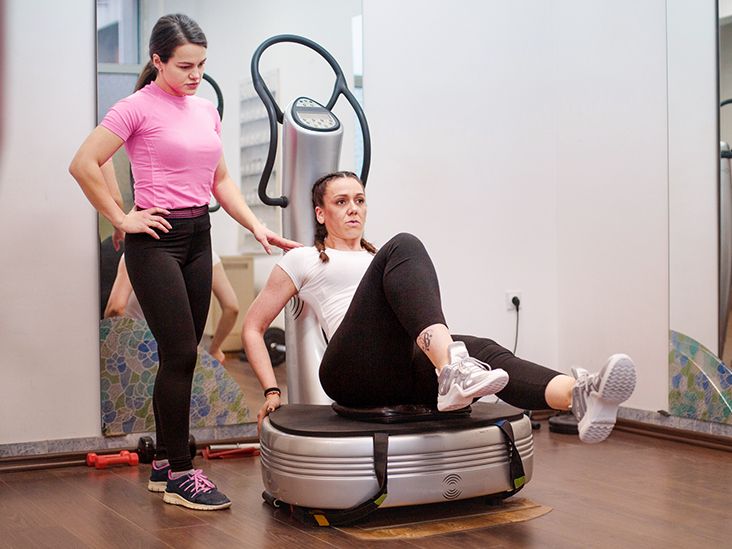
Credit: www.healthline.com
Choosing The Right Protein Shake
Protein shakes can help ease sore muscles after exercise. Picking the right shake matters for good results. Different shakes suit different needs.
Knowing types of protein and what to consider helps you choose the best shake for muscle recovery.
Types Of Protein Shakes
There are many types of protein shakes. Each type has unique benefits for sore muscles.
- Whey Protein:Fast absorbing and rich in essential amino acids.
- Casein Protein:Slow digesting, good for night use.
- Plant-Based Protein:Made from peas, rice, or hemp; good for vegetarians.
- Egg White Protein:High quality and low in fat.
- Collagen Protein:Supports joint and tissue health.
Factors To Consider
Choosing a protein shake depends on your goals and body needs. Some factors help you pick the right one.
| Factor | What to Check | Why It Matters |
|---|---|---|
| Protein Type | Whey, casein, plant, egg, collagen | Different digestion speeds and amino acid profiles |
| Protein Amount | 15 to 30 grams per serving | Supports muscle repair and growth |
| Added Ingredients | Sugar, artificial flavors, fillers | Affects health and taste |
| Dietary Needs | Allergies, lactose intolerance, vegan | Ensures safety and suitability |
| Brand Quality | Reputation, testing, certifications | Guarantees purity and effectiveness |

Credit: www.healthline.com
Frequently Asked Questions
Do Protein Shakes Reduce Muscle Soreness Quickly?
Protein shakes provide amino acids that help repair muscle tissue. Consuming them post-workout can speed up recovery and reduce soreness effectively.
How Soon Should I Drink Protein Shakes After Exercise?
For best results, drink protein shakes within 30 minutes after exercise. This timing maximizes muscle repair and minimizes soreness.
Are Protein Shakes Better Than Whole Foods For Muscle Recovery?
Protein shakes are convenient and quickly absorbed, but whole foods offer more nutrients. Combining both supports optimal muscle recovery and reduces soreness.
Can Protein Shakes Prevent Delayed Onset Muscle Soreness (doms)?
Protein shakes aid muscle repair, which may lessen DOMS severity. However, they cannot fully prevent soreness from intense workouts.
Conclusion
Protein shakes can support muscle recovery after exercise. They provide essential nutrients that help repair sore muscles. Drinking them soon after workouts may reduce muscle pain. But they work best with a balanced diet and rest. Not everyone needs protein shakes to feel better.
Listen to your body and choose what feels right. Consistent care helps muscles heal and grow stronger. Protein shakes are one tool among many to fight soreness. Keep moving, eating well, and resting for healthy muscles.


