

Are you confused about which protein supplement is best for your fitness goals? You’ve probably heard about both isolate protein and whey protein, but which one truly gives you the edge?
Choosing the right protein can make a big difference in how quickly you build muscle, recover, and feel energized. You’ll discover the key differences between isolate and whey protein, so you can make a smart choice that fits your lifestyle and gets you closer to your goals.
Keep reading—you might be surprised by what you learn.
Types Of Whey Protein
Whey protein is a popular supplement for building muscle and improving fitness. It comes in different forms, each with unique features.
Understanding the types helps you choose the right protein for your needs and goals.
Whey Protein Concentrate
Whey protein concentrate contains about 70-80% protein. It has some fat and lactose, the sugar found in milk.
This type keeps more natural nutrients from whey. It is usually less expensive than other types.
- Protein content: 70-80%
- Contains some fat and lactose
- Rich in nutrients
- More affordable option
Whey Protein Isolate
Whey protein isolate has a higher protein percentage, usually 90% or more. It has less fat and lactose than concentrate.
This type is good for those who want more protein and less fat or lactose in their diet.
- Protein content: 90% or higher
- Low fat and lactose
- Good for lactose-sensitive people
- Faster absorption than concentrate
Whey Protein Hydrolysate
Whey protein hydrolysate is pre-digested. This means it breaks down protein into smaller parts for quick absorption.
It is usually low in fat and lactose. This type may cause less stomach discomfort.
- Protein is pre-digested for fast absorption
- Low fat and lactose
- May reduce stomach issues
- Often used in medical protein supplements
Nutritional Differences
Isolate protein and whey protein are popular choices for fitness enthusiasts. They both offer benefits for muscle growth and recovery.
Understanding their nutritional differences can help you decide which is better for your goals.
Protein Content
Isolate protein is processed to remove fats and carbs. It contains more protein per serving than whey protein.
Whey protein has a slightly lower protein content. It includes a small amount of fats and carbohydrates.
- Isolate protein: 90% or more protein content
- Whey protein: 70-80% protein content
Carbohydrates And Fats
Isolate protein has minimal carbohydrates and fats. This makes it a good option for low-carb diets.
Whey protein contains a bit more carbohydrates and fats. It can offer more energy for workouts.
| Type | Carbohydrates | Fats |
| Isolate Protein | Less than 1g | Less than 1g |
| Whey Protein | 3-5g | 1-2g |
Lactose Levels
Isolate protein has lower lactose levels. It is suitable for people with lactose intolerance.
Whey protein contains more lactose. It may cause discomfort for those sensitive to lactose.
- Isolate protein: Less than 1% lactose
- Whey protein: Around 5-6% lactose
Absorption And Digestion
Choosing between isolate protein and whey protein depends on how fast your body absorbs and digests them. This affects how well your muscles recover after exercise.
Understanding digestion and absorption helps you pick the right protein for your fitness goals.
Digestion Speed
Isolate protein digests faster than regular whey protein. It has fewer fats and carbs, so the body processes it quickly.
Whey protein takes a bit longer to digest because it has more nutrients besides protein.
- Isolate protein: fast digestion, quick amino acid delivery
- Whey protein: slower digestion, more nutrients absorbed
Impact On Muscle Recovery
Fast absorption of isolate protein helps muscles get amino acids quickly. This supports faster repair after workouts.
Whey protein also aids muscle recovery but releases nutrients slower. It provides a longer supply of amino acids.
- Isolate protein: quick muscle repair after exercise
- Whey protein: sustained muscle support over time
Suitability For Different Goals
Isolate protein and whey protein serve different needs. They work well for specific fitness goals.
Choosing the right type depends on what you want to achieve. Let’s look at their suitability for weight loss, muscle gain, and general health.
Weight Loss
Isolate protein contains less fat and carbs than whey protein. It is lower in calories and easier to digest.
This makes isolate protein a good choice for weight loss. It helps keep protein intake high without extra calories.
- Low in calories
- Minimal fat and carbs
- Supports muscle retention during dieting
Muscle Gain
Whey protein has more bioactive compounds that may support muscle growth. It contains a good balance of protein and other nutrients.
Isolate protein is still effective for muscle gain because it is rich in protein. Both types help repair and build muscle after workouts.
- Whey protein provides extra nutrients
- Isolate is pure protein with fewer extras
- Both support muscle recovery
General Health
Whey protein contains more natural nutrients like lactose and fats. These can support a balanced diet for general health.
Isolate protein is purer but has fewer additional nutrients. It may suit people with lactose intolerance or digestion issues.
- Whey supports overall nutrition
- Isolate suits sensitive digestion
- Both provide high-quality protein
Taste And Texture
Choosing between isolate protein and whey protein often comes down to taste and texture. These two factors affect how much you enjoy your protein shake.
Both types have unique qualities that change their flavor and feel in your mouth. Understanding these helps you pick the right one.
Flavor Differences
Whey protein has a creamy and rich taste. It often carries a natural milky flavor that many people like.
Isolate protein tends to taste lighter and less creamy. It has fewer fats and carbs, which lowers its flavor intensity.
- Whey protein: fuller, creamier flavor
- Isolate protein: lighter, less rich taste
- Isolate may taste slightly bland without added flavors
- Whey works well with sweet or chocolate flavors
Mixability
Isolate protein usually mixes faster and smoother in liquids. It dissolves well with little clumping.
Whey protein may take longer to mix. It can form small lumps if not shaken or stirred enough.
- Isolate protein: fast mixing, smooth texture
- Whey protein: slower mixing, can clump
- Both work well in shakes, but isolate feels lighter
- Use a blender or shaker bottle for best results

Credit: www.gq-magazine.co.uk
Price And Value
Choosing between isolate protein and whey protein often depends on price and value. Both types offer benefits, but their costs can vary.
Understanding the price differences helps you decide which protein fits your budget and needs best.
Cost Comparison
Isolate protein generally costs more than whey protein concentrate. This is because it goes through extra processing to remove fats and lactose.
Whey protein concentrate has less processing, so it is usually cheaper. The price difference can vary by brand and quality.
- Isolate protein is more pure but costs more.
- Whey concentrate is less pure but more affordable.
- Price depends on brand and package size.
Cost Per Serving
Cost per serving is a good way to compare value. Isolate protein servings often cost more but provide higher protein content.
Whey concentrate servings are cheaper but have slightly less protein per serving.
| Protein Type | Approximate Cost per Serving | Protein per Serving (grams) |
|---|---|---|
| Whey Protein Isolate | $1.50 – $2.50 | 25 – 27 |
| Whey Protein Concentrate | $0.80 – $1.50 | 20 – 24 |
Potential Allergies And Sensitivities
Some people may have reactions to protein powders. These reactions come from allergies or sensitivities. Isolate protein and whey protein affect people differently.
Understanding these issues helps you choose the right protein. This guide looks at lactose intolerance and milk protein allergies.
Lactose Intolerance
Lactose intolerance means the body cannot digest lactose. Lactose is a sugar in milk and whey protein.
Whey protein usually has more lactose. Isolate protein has less because it is more filtered. People with lactose intolerance may feel less discomfort with isolate protein.
- Whey protein: contains more lactose
- Isolate protein: contains very little lactose
- Lactose intolerance causes bloating, gas, and stomach pain
- Isolate protein may reduce these symptoms
Milk Protein Allergies
Milk protein allergy is different from lactose intolerance. It involves the immune system reacting to milk proteins.
Both isolate and whey protein come from milk. They contain milk proteins that can cause allergic reactions in some people.
- Milk protein allergy can cause hives, swelling, and breathing problems
- Isolate and whey protein both have milk proteins
- People with milk allergies should avoid these proteins
- Check labels carefully to avoid allergic reactions
Credit: collagensei.com
Environmental And Ethical Considerations
Choosing between isolate protein and whey protein involves more than just nutrition. Environmental and ethical factors matter too. These can affect the planet and animals.
Understanding how these proteins are made helps us make better choices for the earth and society.
Sourcing Practices
Whey protein comes from milk, a byproduct of dairy farms. Isolate protein is a purer form but still from milk. Dairy farming uses a lot of land and water. It also causes methane emissions from cows.
Some farms treat cows better than others. Ethical farms avoid cruelty and keep animals healthy. They also avoid overusing antibiotics.
- Whey protein depends on dairy farming.
- Dairy farms use land, water, and energy.
- Methane from cows harms the environment.
- Ethical farms focus on animal welfare.
Sustainability
Isolate protein requires more processing than regular whey. This means more energy and resources are used. Processing also creates waste that needs proper handling.
Whey protein is closer to its natural form. It often has a smaller carbon footprint. Both types depend on dairy farming, which has sustainability challenges.
- Isolate protein needs extra processing.
- Extra processing uses more energy.
- Whey protein is less processed.
- Dairy farming impacts water and land use.
- Choosing certified sustainable farms helps.
Choosing The Right Protein
Protein powders help support muscle growth and repair. Isolate and whey are popular types.
Choosing the right protein depends on your needs and lifestyle. Consider your goals, diet, and budget.
Personal Goals
Your fitness goals affect which protein suits you best. Whey protein has more nutrients.
Isolate protein is purer and has fewer carbs and fats. It is good for cutting weight.
- Choose whey if you want overall nutrition and muscle gain.
- Pick isolate for low calories and fast absorption.
- Isolate suits those who need quick protein without extras.
Dietary Restrictions
Some people have allergies or sensitivities. Whey protein can have more lactose.
Isolate protein has less lactose, so it may cause fewer stomach issues. It is better for lactose intolerance.
- Check for lactose content if you are sensitive.
- Isolate usually has fewer additives.
- Always read labels for allergens.
Budget
Whey protein is usually cheaper than isolate. Budget affects your choice.
Isolate protein costs more due to extra processing. Think about how often you will use it.
- Whey protein fits better if you want to save money.
- Choose isolate if you want higher purity and can pay more.
- Compare prices per serving for best value.
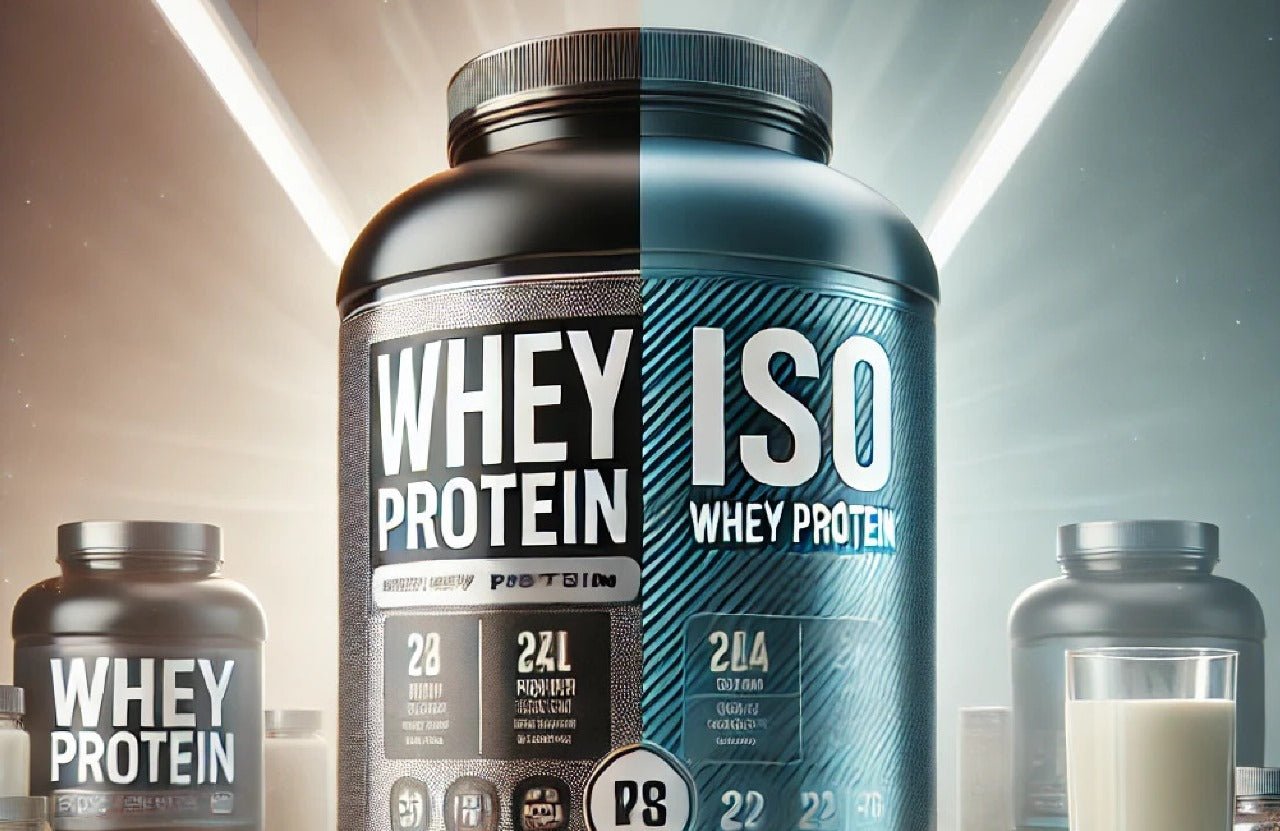
Credit: www.med7online.com
Frequently Asked Questions
What Is The Main Difference Between Isolate And Whey Protein?
Whey isolate contains higher protein content and less fat and lactose than regular whey concentrate. This makes isolate purer and faster absorbing.
Is Whey Isolate Better For Muscle Building?
Yes, whey isolate is better for muscle gain due to its higher protein concentration and quicker digestion, supporting faster recovery.
Can People With Lactose Intolerance Consume Whey Isolate?
Whey isolate has minimal lactose, making it suitable for most lactose-intolerant individuals. However, sensitivity varies, so start with small amounts.
Which Protein Is Better For Weight Loss, Isolate Or Whey?
Whey isolate is better for weight loss as it contains fewer carbs and fats, helping reduce calorie intake while preserving muscle.
Conclusion
Both isolate and whey protein offer good benefits for muscle growth. Isolate has less fat and lactose, which suits sensitive stomachs. Whey protein contains more nutrients and is usually cheaper. Your choice depends on your goals and body needs. Try both to see which fits your routine best.
Consistency and diet matter more than the type of protein. Keep your protein intake steady to support your fitness journey. Simple and steady wins the race.


