
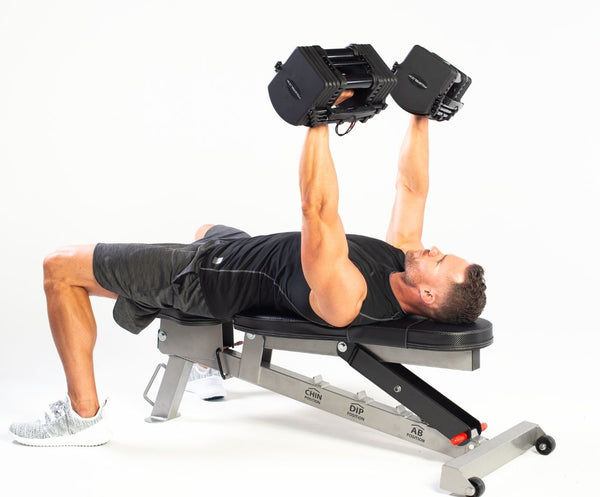
Are you wondering whether the dumbbell bench press is harder than the barbell version? If you’ve tried both, you might have felt one challenges your muscles differently.
But which one truly pushes you more? Understanding the differences can help you choose the right exercise for your goals and avoid common mistakes that slow down your progress. Keep reading to discover what makes each lift unique and find out which one will give you the edge in your workouts.

Credit: www.yahoo.com
Dumbbell Vs Barbell Basics
Dumbbell and barbell bench presses are popular exercises. Both help build chest, shoulder, and tricep muscles.
Each exercise has unique benefits and challenges. Let’s explore how they differ.
Equipment Differences
Dumbbells are two separate weights. You hold one in each hand. Barbells are a long bar with weights on each end.
Dumbbells allow more freedom of movement. Barbells provide stability and allow lifting heavier weights.
Range Of Motion
Dumbbells offer a wider range of motion. Your hands can move freely and independently.
Barbells restrict movement. They lock your arms in one position. This can limit how deep you can lower the weight.
Muscle Activation
Dumbbells require more stabilization. This activates additional muscles to keep balance.
Barbells focus on major muscle groups. They allow you to lift heavier, targeting the chest more directly.
- Dumbbells engage stabilizer muscles
- Barbells target primary muscles
- Choose based on your fitness goals

Credit: www.themanual.com
Strength And Stability Demands
The dumbbell bench press and barbell bench press both build chest and arm strength. They differ in how much balance and stability each requires.
The dumbbell version needs more control and stability because each arm moves independently. The barbell keeps your hands fixed, making it easier to balance.
Balance And Control
The dumbbell bench press demands more balance. You must control two separate weights at once.
This can make the lift harder, especially if your stabilizer muscles are weak.
- Each arm moves independently
- More risk of uneven movement
- Requires focus to keep weights steady
Core Engagement
The dumbbell bench press activates your core more. You need to keep your body stable on the bench.
The barbell bench press allows your core to relax slightly because the bar is balanced across both hands.
- Dumbbells challenge your core muscles
- Core works to prevent body twisting
- Barbell lets core focus less on balance
Joint Stress
The dumbbell bench press offers more natural arm movement. This can reduce stress on your shoulder joints.
The barbell locks your arms in a fixed path. This may cause more joint strain for some people.
- Dumbbells allow varied hand positions
- Barbell forces a fixed grip and path
- Dumbbells may reduce shoulder and wrist stress
Technique And Form Challenges
The dumbbell bench press and barbell bench press both work the chest muscles. Each has unique challenges in technique and form.
Dumbbells require more control and balance. This makes the exercise harder to perform correctly for many people.
Grip And Wrist Position
With dumbbells, you hold each weight separately. This means you can adjust your grip more freely.
Keeping your wrists straight is harder with dumbbells. You must focus on wrist alignment to avoid strain.
- Keep wrists firm and neutral
- Avoid bending wrists inward or outward
- Hold dumbbells tightly but not too tight
- Adjust grip angle to find comfort
Path Of Movement
The barbell moves in a fixed path. This helps keep the movement steady and balanced.
Dumbbells allow a wider range of motion. This can increase muscle activation but needs more control.
- Lower dumbbells slowly and evenly
- Bring dumbbells close but not touching
- Keep elbows at a comfortable angle
- Control the movement on both sides
Spotting And Safety
Barbell bench presses usually need a spotter to help lift the bar. This helps prevent accidents.
With dumbbells, dropping one is less dangerous. Still, keeping control is important to avoid injury.
- Use a spotter if lifting heavy dumbbells
- Lift weights you can control safely
- Keep a clear area around the bench
- Lower dumbbells carefully to avoid dropping

Credit: www.themanual.com
Performance And Progression
The dumbbell bench press and barbell bench press both improve chest strength. They differ in how they affect performance and muscle growth.
Choosing between them depends on your goals and training style. Let’s look at how they compare in key areas.
Weight Load Potential
The barbell bench press lets you lift heavier weights. Both arms work together, so you can push more weight.
Dumbbells require more control, so you usually lift lighter weights. This can slow down maximum strength gains.
- Barbell: Higher weight load possible
- Dumbbells: Lower weight load, more control needed
- Dumbbells challenge stabilizing muscles more
Muscle Symmetry Benefits
Dumbbells help fix muscle imbalances. Each arm works independently, so the weaker side cannot rely on the stronger side.
Barbells may let the stronger arm compensate, which can keep imbalances. Dumbbells improve balance and coordination.
- Dumbbells promote equal strength in both arms
- Better muscle control and coordination with dumbbells
- Barbells may hide side-to-side strength differences
Plateau Breaking
Switching between dumbbells and barbells can help break plateaus. Changing the tool challenges muscles in new ways.
Dumbbells increase range of motion and activate stabilizers. Barbells allow heavier loads and focus on pure strength.
- Use dumbbells to improve stability and range
- Use barbells to increase maximum load
- Switching helps muscles grow and avoid stalls
Common Mistakes And How They Affect Difficulty
The dumbbell bench press can feel harder than the barbell version. This often happens because of common mistakes. These errors make the exercise less safe and more tiring.
Fixing these mistakes helps you lift better. It also makes the workout easier and more effective. Below are some common errors and their effects on difficulty.
Overarching The Back
Many people arch their back too much during the dumbbell bench press. This puts extra strain on the spine. It also reduces the control you have over the weights.
This mistake makes the lift feel harder because your body is not stable. It can lead to injury if done often. Keeping a slight natural arch is enough for support.
Uneven Arm Movement
Using dumbbells means each arm works alone. Some lifters move one arm faster or higher. This creates imbalance and makes the exercise harder to control.
Uneven movement causes one side to tire faster. It also limits the total weight you can lift. Focus on moving both arms evenly to avoid this problem.
- Start with lighter weights to practice balance
- Watch yourself in a mirror or use a spotter
- Slow down the movement for better control
Improper Breathing
Holding your breath or breathing too fast makes the dumbbell bench press harder. It raises your heart rate and causes fatigue quicker. Proper breathing supports strength and focus.
Inhale while lowering the dumbbells. Exhale when pushing them up. This breathing pattern helps keep steady tension and reduces difficulty.
Choosing The Right Option For You
Deciding between dumbbell and barbell bench press depends on your needs. Both exercises build chest strength but differ in how they work your muscles.
Understanding your goals, injuries, and experience helps pick the best choice for your workouts.
Training Goals
Your workout goals affect which bench press style fits you best. Dumbbells allow a wider range of motion and can improve muscle balance.
Barbells let you lift heavier weights, which can build more overall strength faster.
- Use dumbbells for muscle symmetry and joint flexibility
- Choose barbells to increase maximum strength
- Dumbbells work smaller stabilizer muscles more
Injury Considerations
Think about past injuries before picking your bench press. Dumbbells allow more natural arm movement, which can reduce joint stress.
Barbells keep your arms fixed, which may stress shoulders or wrists if you have issues.
- Dumbbells offer safer range of motion for injured joints
- Barbells require good shoulder and wrist health
- Start light and focus on form to avoid injury
Experience Level
Beginners may find dumbbells easier to control and balance. They help learn proper movement patterns safely.
Barbells are better for those with lifting experience who want to handle heavier weights.
- Dumbbells improve coordination and balance for new lifters
- Barbells suit experienced lifters focusing on strength
- Always warm up and use spotters for safety
Frequently Asked Questions
Is Dumbbell Bench Press Harder Than Barbell?
Dumbbell bench press is often harder due to increased stabilization. Each arm works independently, engaging more muscles. This requires better balance and control compared to the barbell bench press.
Which Builds More Muscle: Dumbbells Or Barbell?
Both build muscle effectively, but dumbbells improve muscle balance and coordination. Barbells allow heavier lifting, promoting overall strength gains. Combining both can optimize muscle growth.
Are Dumbbell Bench Presses Safer Than Barbell?
Dumbbells offer a safer range of motion and reduce shoulder strain. They allow easier drop if stuck, lowering injury risk. However, proper form is essential for both exercises.
How Does Muscle Activation Differ Between Dumbbells And Barbell?
Dumbbells activate stabilizer muscles more due to independent arm movement. Barbells focus on major chest muscles with heavier loads. Both provide unique benefits for muscle development.
Conclusion
Dumbbell bench press challenges your muscles differently than a barbell. It requires more balance and control. Barbell allows lifting heavier weights with more stability. Both exercises build chest strength but target muscles in unique ways. Choose the one that fits your goals and experience.
Trying both can add variety and improve overall strength. Consistency matters more than the equipment you pick. Keep practicing and listen to your body’s needs. Progress comes with time and effort, no shortcuts.


