

If you want to build strength, burn fat, and boost your energy, the kettlebell swing is one of the best exercises you can do. But what if you don’t have a kettlebell?
Don’t worry—you can still get all the benefits by using a dumbbell. You’ll learn exactly how to do a kettlebell swing with a dumbbell safely and effectively. By the end, you’ll feel confident adding this powerful move to your workout routine and see real results faster than you think.
Keep reading to master this simple but game-changing exercise!
Choosing The Right Dumbbell
The kettlebell swing is a great exercise. You can use a dumbbell if you don’t have a kettlebell. Choosing the right dumbbell is important for safety and effectiveness.
Consider the dumbbell’s weight and handle. These factors affect your workout. Make sure to select wisely for the best results.
Weight Selection Tips
Start with a weight you can handle easily. This helps you learn the form. You can increase the weight as you get stronger.
Avoid weights that are too heavy. They can cause injury. Choose a weight that allows smooth movements.
- Begin with a light weight to learn form
- Gradually increase as you gain strength
- Ensure the weight allows for controlled movements
Handle Considerations
The handle is important for grip. A comfortable handle helps you hold the dumbbell securely. Check the handle’s thickness and texture.
A thick handle can be hard to grip for small hands. Textured handles provide a better grip. Ensure the handle feels comfortable in your hand.
- Choose a handle that fits your hand size
- Look for textured handles for better grip
- Ensure comfort for longer workouts

Credit: uk.style.yahoo.com
Preparing Your Space
Getting your space ready helps you do kettlebell swings with a dumbbell safely. A clear and safe area prevents accidents.
This guide shows how to prepare your workout space before starting your dumbbell swings.
Clear Workout Area
Make sure the area around you is free from objects. Remove furniture, loose items, and other obstacles.
Clear space lets you move easily and swing the dumbbell without hitting anything.
- Choose a flat surface
- Keep at least 6 feet of space around you
- Remove rugs or mats that can slip
- Check for low ceilings or hanging lights
Safety Measures
Wear proper shoes with good grip to avoid slipping. Dress comfortably to move freely.
Use a dumbbell weight you can handle safely. Warm up your muscles before starting.
- Wear flat, closed-toe shoes
- Check dumbbell for loose parts
- Warm up with light stretches
- Have a water bottle nearby
- Keep a phone close in case of emergency
Starting Position Basics
Doing a kettlebell swing with a dumbbell needs a strong starting position. This helps you keep balance and avoid injury.
Focus on how you place your feet and hold the dumbbell. These basics set you up for a good swing.
Feet Placement
Stand with your feet about shoulder-width apart. Keep your toes pointing slightly outward for better stability.
Make sure your weight is evenly spread on both feet. This helps you stay balanced during the swing.
- Feet shoulder-width apart
- Toes pointed slightly outward
- Weight evenly on both feet
Grip Techniques
Hold the dumbbell with both hands in the middle of the handle. Use a firm grip but do not squeeze too tight.
Your palms should face your body. Keep your wrists straight to avoid strain during the movement.
- Use both hands on the dumbbell handle
- Keep a firm but relaxed grip
- Palms facing your body
- Wrists straight and aligned
Performing The Swing
The kettlebell swing is a powerful exercise. You can do it with a dumbbell too. This guide shows how to perform the swing safely and correctly.
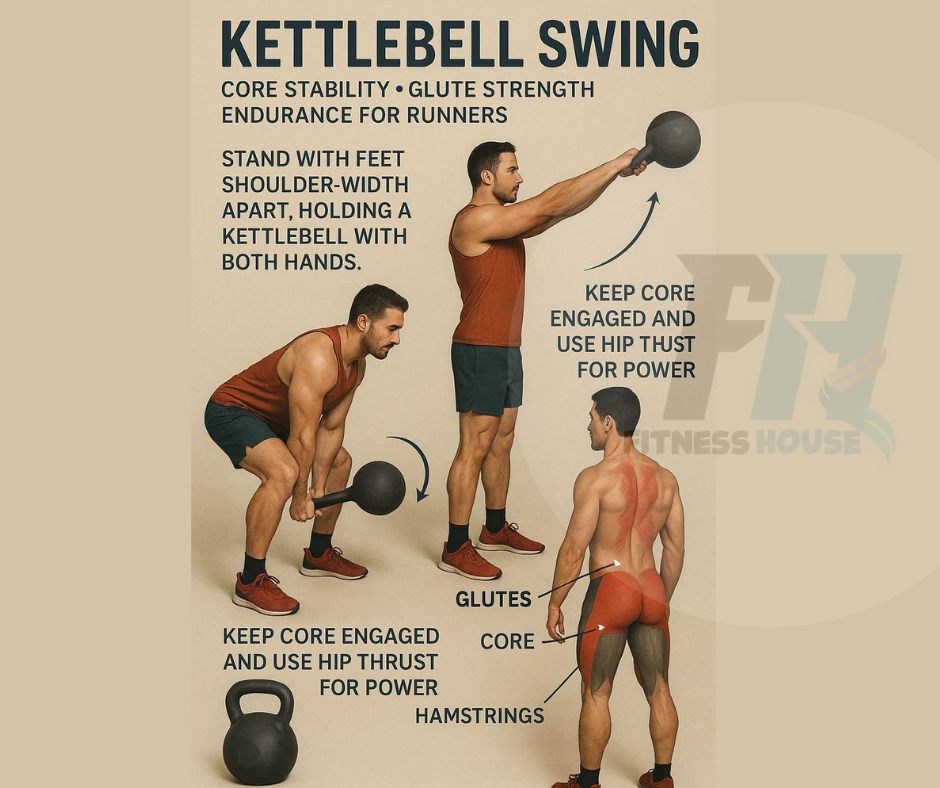
Focus on your body movements. Use your hips and core to control the swing. Keep your back straight and your grip firm.
Hip Hinge Movement
The hip hinge is the main move in a dumbbell swing. Bend at your hips, not your waist. Keep your back flat and chest up.
Push your hips backward as you lower the dumbbell. This move helps protect your lower back and activates your glutes.
- Stand with feet shoulder-width apart
- Slightly bend your knees
- Push hips back while keeping a flat back
- Lower dumbbell between your legs
Driving With Hips
Use your hips to start the swing. Explode your hips forward to drive the dumbbell up. Avoid using your arms to lift.
This hip drive creates power and momentum. It also works your core and leg muscles effectively.
- From the hip hinge position, snap hips forward
- Squeeze your glutes at the top
- Keep your arms relaxed and straight
- Let momentum lift the dumbbell
Swinging The Dumbbell
Hold the dumbbell with both hands in front of you. Swing it using the hip drive. Keep the dumbbell close to your body.
Let the dumbbell swing up to chest height. Control the swing on the way down. Avoid rounding your back or overextending your arms.
- Grip the dumbbell handle firmly
- Keep shoulders down and back
- Swing dumbbell to chest level
- Guide dumbbell back between legs
Common Mistakes To Avoid
Doing kettlebell swings with a dumbbell can be effective. Yet, some mistakes can cause injury or reduce benefits.
Watch out for common errors to keep your form safe and strong. This helps you get the best results.
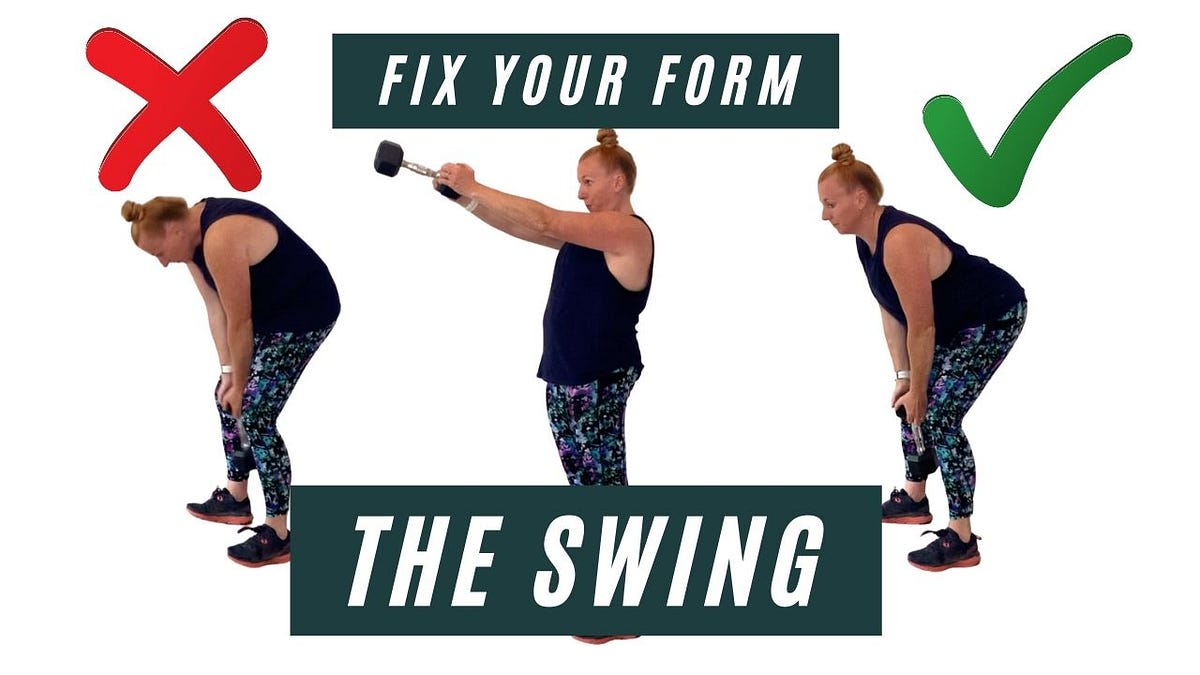
Rounding The Back
Rounding your back puts strain on your spine. It can lead to pain or injury over time.
Keep your back flat and chest up during the swing. Engage your core to protect your lower back.
- Look forward, not down
- Keep shoulders pulled back
- Engage abs before lifting
Using Arms Too Much
The swing should come from your hips, not your arms. Using arms too much tires your shoulders.
Drive the dumbbell forward by snapping your hips. Let your arms hold the weight, not lift it.
- Focus on hip thrusts
- Keep arms relaxed and straight
- Use hips to generate power
Incorrect Breathing
Breathing wrong can reduce your energy and control. Holding your breath adds pressure inside your body.
Breathe out sharply during the hip thrust. Inhale as you lower the dumbbell back down.
- Exhale on the swing up
- Inhale on the swing down
- Keep a steady breathing rhythm
Credit: medium.com
Progressing Your Swing
Doing kettlebell swings with a dumbbell is a great way to build strength. As you get better, you need to make your swings harder. This helps your muscles grow and your endurance improve.
There are simple ways to progress. You can increase the weight, add more repetitions, or try new variations. These steps keep your workouts fresh and challenging.
Increasing Weight
Start with a light dumbbell to learn the form. Once you feel strong, use a heavier dumbbell. Increasing weight makes your muscles work harder. It also boosts your strength over time.
Always keep good form when lifting heavier. If the weight feels too hard, lower it. It is better to lift lighter with good form than heavy with poor form.
Adding Repetitions
You can make your workout harder by doing more repetitions. Start with a number you can do well, like 10 or 15 swings. Then add more swings as you get stronger.
- Try adding 2 to 5 swings each session
- Rest well between sets to keep good form
- Listen to your body to avoid overdoing it
Incorporating Variations
Changing your swing style can make your workout more fun and effective. You can try one-handed swings or slow down the movement. This works different muscles and improves control.
- One-handed dumbbell swings
- Alternating hands each swing
- Slow and controlled swings
- Adding a squat before the swing
Benefits Of Dumbbell Swings
Dumbbell swings are a simple way to work many muscles at once. They help build strength, burn calories, and improve movement.
You can do swings with a dumbbell instead of a kettlebell. This makes it easy to use tools you already have at home or the gym.
Strength Gains
Dumbbell swings build strength in your legs, hips, and back. They also work your core and shoulders to keep the dumbbell moving safely.
These swings help improve your power for other workouts and daily activities. Using a dumbbell makes it easy to adjust the weight as you get stronger.
Cardio Boost
Dumbbell swings raise your heart rate quickly. This helps improve your heart and lung health over time.
Doing swings in a set or circuit style can burn many calories. They are a great way to add cardio without running or jumping.
Improved Mobility
Swings help your hips and hamstrings move better. This can reduce stiffness and lower injury risk.
The swinging motion encourages your body to move in a smooth and controlled way. This improves balance and coordination.
Credit: medium.com
Frequently Asked Questions
What Muscles Does A Dumbbell Kettlebell Swing Target?
A dumbbell kettlebell swing primarily targets the glutes, hamstrings, hips, and core. It also engages the shoulders and back for stability. This exercise builds strength, power, and endurance in these muscle groups effectively.
How Do You Maintain Proper Form During Dumbbell Swings?
Keep your back straight, chest up, and core tight. Hinge at the hips, not the knees. Swing the dumbbell with controlled momentum, using your hips to generate power.
Can Beginners Safely Perform Dumbbell Kettlebell Swings?
Yes, beginners can perform dumbbell swings safely with light weights. Focus on mastering the hip hinge and form before increasing weight or intensity.
How Often Should I Do Dumbbell Kettlebell Swings?
Perform dumbbell swings 2-3 times per week. This frequency allows muscle recovery and improves strength and cardiovascular fitness over time.
Conclusion
Using a dumbbell for kettlebell swings builds strength and burns calories. Keep your back straight and use your hips to swing the weight. Start with a light dumbbell to practice your form safely. Regular practice improves your balance and endurance.
Remember to breathe steadily and stay focused throughout the exercise. This simple move fits well into any workout routine. Give it time, and you will see progress. Small steps lead to better fitness and health. Try it today and feel the difference in your body.


