

Are you ready to take your workout to the next level? The dumbbell snatch is a powerful move that can boost your strength, speed, and coordination all at once.
Whether you’re a beginner or looking to sharpen your technique, mastering this exercise will help you build a stronger, fitter body. You’ll discover simple steps to perform the dumbbell snatch safely and effectively. Keep reading, and soon you’ll be powering through your workouts with confidence and energy.
Benefits Of Dumbbell Snatch
The dumbbell snatch is a powerful exercise. It offers many benefits for your body. This movement engages multiple muscle groups.
It helps improve overall fitness. You can perform it with a single dumbbell. It’s perfect for those seeking a full-body workout.
Enhancing Explosive Power
The dumbbell snatch boosts your explosive power. This is essential for athletes. It helps in sports like basketball and football.
Explosive power is about speed and strength. The snatch improves both. It makes you faster and stronger in dynamic actions.
- Increases jump height
- Improves sprint speed
- Enhances agility
Improving Coordination And Balance
The dumbbell snatch requires coordination. It teaches your body to move as one unit. Balance is key during this exercise.
Good coordination reduces the risk of injury. Balance helps in maintaining control. Both are vital in daily activities and sports.
- Enhances body awareness
- Improves reaction time
- Boosts athletic performance
Building Full-body Strength
The dumbbell snatch works multiple muscles. It builds strength in your legs, core, and arms. This makes it a full-body exercise.
Strengthening these areas improves overall fitness. It helps in lifting, pushing, and pulling tasks. Strong muscles support better posture.
- Strengthens core muscles
- Builds arm endurance
- Enhances leg power
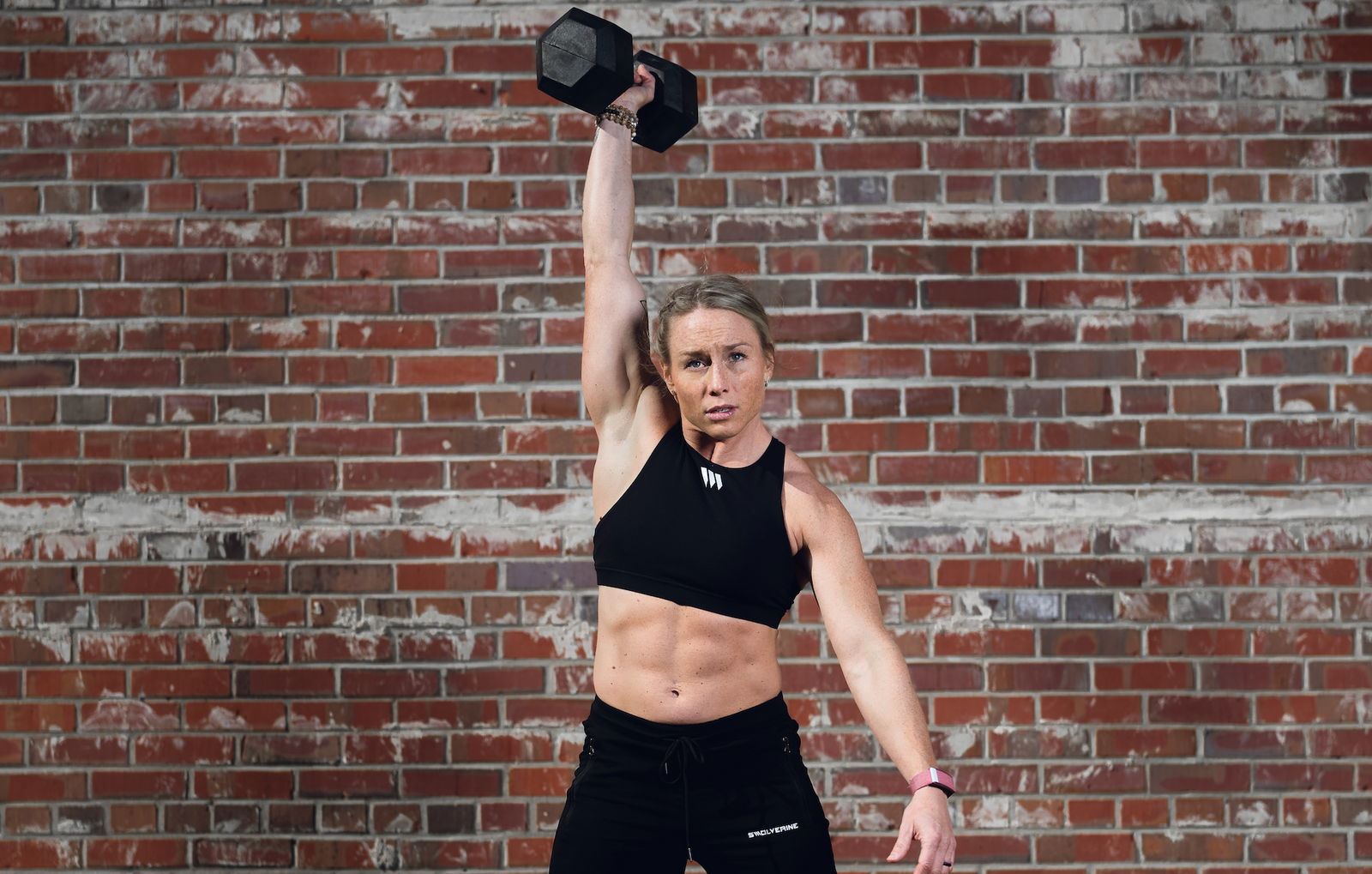
Credit: swolverine.com
Essential Equipment And Setup
The dumbbell snatch is a powerful exercise. It works many muscles in your body. To do it right, you need the right equipment and setup.
Getting ready properly helps prevent injury and improves your workout. Focus on your dumbbell, space, and shoes first.
Choosing The Right Dumbbell
Pick a dumbbell that fits your strength level. It should be heavy enough to challenge you but not too heavy to lose control.
Start with a lighter weight to learn the move. Increase weight slowly as you get stronger and more confident.
- Use a dumbbell with a secure grip
- Choose a weight you can lift safely
- Avoid dumbbells that slip or spin
Safe Workout Space
Clear a space large enough for your movement. You need room to lift the dumbbell from the floor to overhead.
Check for any objects you might hit. Make sure the floor is flat and not slippery.
- Remove furniture and clutter
- Use a non-slip mat if needed
- Keep children and pets away
Proper Footwear
Wear shoes that support your feet well. Good shoes help keep balance and protect your feet during the lift.
Avoid shoes with soft soles or high heels. Choose flat, firm shoes with good grip.
- Shoes with flat soles improve stability
- Look for shoes with good traction
- Comfort is important for longer workouts
Starting Position And Grip
The dumbbell snatch is a full-body exercise. It helps build strength and power.
Proper starting position and grip are important. They keep you safe and effective during the lift.
Foot Placement And Stance
Stand with your feet shoulder-width apart. This stance gives you a strong base.
Keep your toes pointing slightly outward. This helps with balance and movement.
- Feet shoulder-width apart
- Toes point slightly outward
- Weight evenly distributed on feet
Hand Position On The Dumbbell
Grip the dumbbell with one hand using a firm hold. Your palm should face your body.
Keep your wrist straight and strong. Avoid bending it to prevent injury.
- Use a full grip around the handle
- Palm faces your body
- Wrist stays straight and firm
Body Alignment
Bend your hips and knees slightly. Keep your back flat and chest up.
Your shoulders should be over the dumbbell. This helps with balance and power.
- Hips and knees slightly bent
- Back flat and chest up
- Shoulders aligned over the dumbbell
Step-by-step Dumbbell Snatch Technique
The dumbbell snatch is a full-body exercise that builds power and coordination. It involves lifting one dumbbell from the floor to overhead in a single motion.
Focus on your form to avoid injury and get the most from this move. This guide breaks down the technique into clear steps.
The Initial Pull
Stand with feet shoulder-width apart and place a dumbbell between your feet. Bend your hips and knees to grab the dumbbell with one hand.
Keep your back flat and chest up. Start lifting by pushing through your heels and extending your hips and knees.
The Explosive Extension
Once the dumbbell passes your knees, quickly extend your hips, knees, and ankles. Use this explosive motion to generate upward momentum.
Shrug your shoulders and pull the dumbbell close to your body as you jump slightly off the ground.
The Catch Phase
As the dumbbell reaches its highest point, quickly rotate your elbow under the weight. Catch the dumbbell overhead with your arm fully extended.
Your wrist should be straight, and your body balanced with the dumbbell overhead. Keep your core tight to stabilize the position.
Completing The Movement
Lower the dumbbell back down carefully by bending your elbow and bringing it to your side. Then, return the weight to the floor with control.
Reset your stance and repeat the movement on the other side for balanced strength development.
Common Mistakes To Avoid
The dumbbell snatch is a powerful exercise that works many muscles. Doing it wrong can cause injuries or reduce benefits.
Here are some common mistakes people make. Avoiding these will help you lift safely and effectively.
Rounding The Back
Keep your back straight during the snatch. Rounding the back puts stress on your spine and can cause pain.
Focus on tightening your core and keeping your chest up. This helps protect your back and improves your lift.
Using Only The Arms
Don’t rely only on your arms to lift the dumbbell. The move needs your whole body to work together.
Use your legs and hips to generate power. Your arms should guide the dumbbell, not do all the work.
Poor Footwork
Your feet must move correctly to keep balance and power. Poor footwork can make you unstable and weak.
Step your feet slightly wider than shoulder-width. Push off the ground firmly and land softly during the lift.
- Keep feet flat on the ground
- Avoid shifting weight to your toes or heels
- Use quick and controlled foot movements
Lack Of Full Hip Extension
Not fully extending your hips lowers your power. The hips drive the dumbbell upwards in this exercise.
Push your hips forward strongly at the top. This helps you lift more weight and protects your lower back.
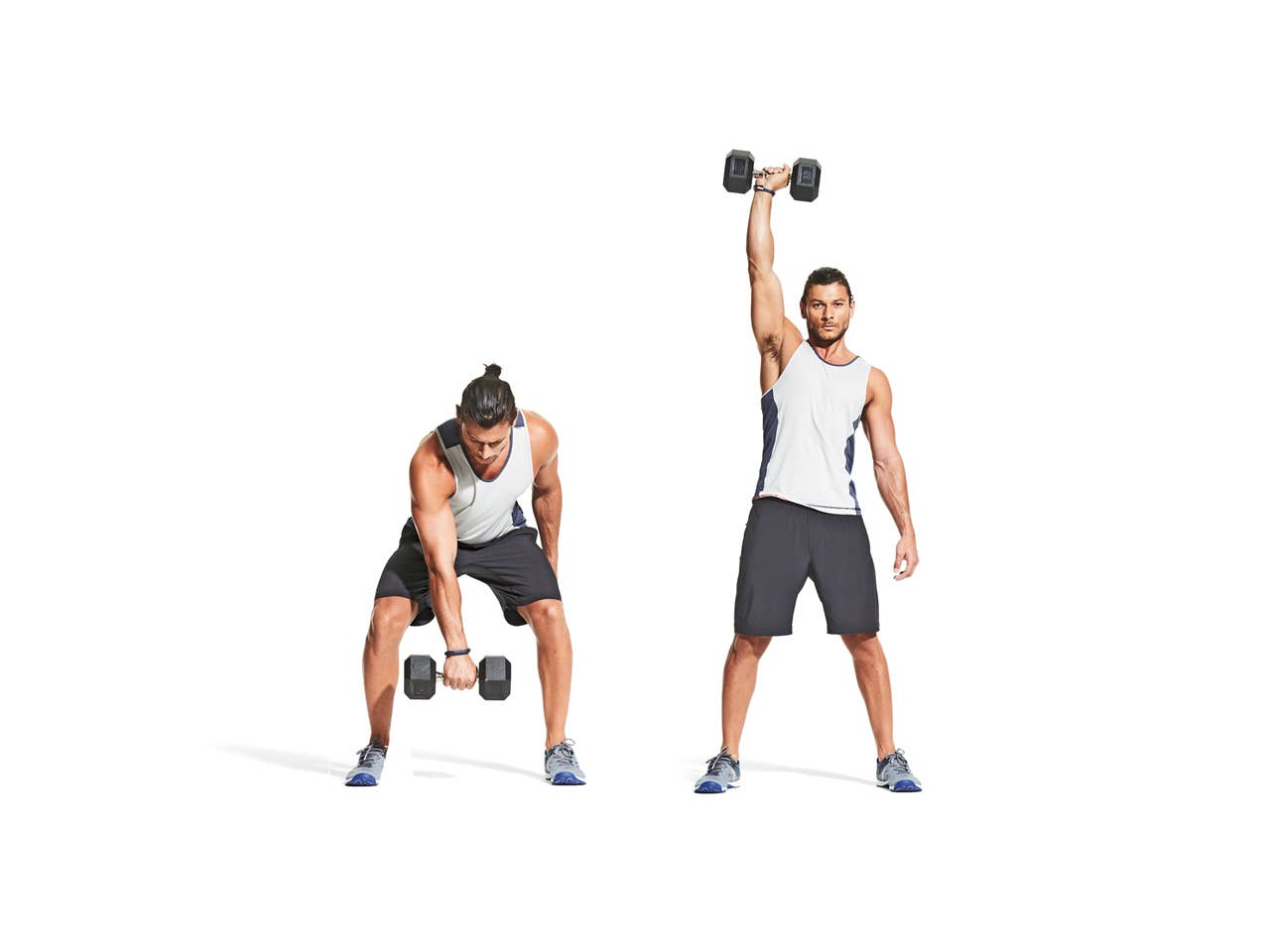
Credit: www.mensfitness.com
Progressions And Variations
The dumbbell snatch is a powerful exercise that improves strength and coordination. You can change how you do it to fit your skill level and goals.
Trying different progressions and variations helps you stay challenged and avoid plateaus. This guide explains some ways to adjust your dumbbell snatch.
Using Lighter Or Heavier Dumbbells
Start with lighter dumbbells if you are new to the snatch. This helps you focus on good form and reduce injury risk.
Heavier dumbbells build more strength but need proper technique. Increase weight slowly as you get stronger and more confident.
- Use light weights for learning the movement
- Choose medium weights for endurance training
- Pick heavy weights to build power and strength
Single-arm Vs. Alternating Snatch
The single-arm snatch uses one dumbbell at a time. It focuses on one side and helps fix strength imbalances.
The alternating snatch means switching arms each rep. It keeps your heart rate high and works both sides evenly.
- Single-arm snatch: focus on control and power on one side
- Alternating snatch: improve endurance and coordination
- Choose single-arm to correct weak side
- Use alternating for faster, full-body work
Incorporating Pause Reps
Pause reps add a hold during the snatch. Pausing helps build strength at key points and improves control.
Try pausing at the bottom or top of the movement. This forces your muscles to work harder and improves stability.
- Pause at the squat bottom before exploding up
- Hold the dumbbell overhead for a second
- Pause halfway through the pull for better form
- Use pauses to increase time under tension
Incorporating Dumbbell Snatch Into Training
The dumbbell snatch is a powerful exercise for strength and speed. Adding it to your workout helps improve your explosive power and coordination.
It works many muscles at once, making it efficient for full-body training. You can include it in different parts of your routine.
Warm-up And Mobility Drills
Warming up prepares your body for the dumbbell snatch. Mobility drills help increase your range of motion and reduce injury risk.
Focus on dynamic movements that target your hips, shoulders, and ankles before lifting.
- Arm circles and shoulder rolls
- Hip openers and leg swings
- Ankle rotations and calf stretches
- Bodyweight squats and lunges
Combining With Other Explosive Exercises
The dumbbell snatch pairs well with other exercises that build power. Combining them can improve your overall athleticism.
Try mixing it with jumps, sprints, or kettlebell swings for a strong workout.
- Box jumps to improve leg power
- Sprint intervals for speed and endurance
- Kettlebell swings for hip drive
- Medicine ball throws for upper body explosiveness
Frequency And Volume Recommendations
Start with low volume to learn proper form. Gradually increase the number of sets and reps over time.
Perform the dumbbell snatch two to three times per week for best results. Avoid doing it daily to allow recovery.
- Begin with 2-3 sets of 5-8 reps per arm
- Rest 1-2 minutes between sets
- Increase weight or reps slowly
- Listen to your body to prevent overtraining

Credit: www.youtube.com
Safety Tips And Injury Prevention
The dumbbell snatch is a powerful exercise that builds strength and coordination. It requires careful attention to safety to avoid injuries.
By following simple safety tips, you can protect your muscles and joints while doing the dumbbell snatch.
Warming Up Properly
Start with light cardio to increase your heart rate. This helps prepare your body for exercise.
Include dynamic stretches that target your shoulders, hips, and legs. These areas are key for the dumbbell snatch.
- Jog or jump rope for 5 minutes
- Do arm circles to loosen shoulders
- Perform leg swings to warm hips
- Try bodyweight squats for leg activation
Listening To Your Body
Pay attention to how your body feels during the exercise. Stop if you feel sharp pain or discomfort.
Take breaks when you feel tired. Overworking muscles can lead to injuries.
- Notice any unusual joint pain
- Rest between sets as needed
- Lower the weight if form suffers
- Consult a professional if pain persists
Using Controlled Movements
Perform the dumbbell snatch with smooth, steady motions. Avoid jerking or rushing the lift.
Control the dumbbell on the way up and down. This reduces strain and improves balance.
- Lift the weight in one fluid motion
- Keep your core tight throughout
- Land softly with bent knees
- Focus on proper form over speed
Frequently Asked Questions
What Muscles Does The Dumbbell Snatch Target?
The dumbbell snatch primarily works the shoulders, back, glutes, and hamstrings. It also engages the core and arms for stability and power during the movement.
How Do I Perform A Proper Dumbbell Snatch?
Start with feet shoulder-width apart, hold the dumbbell between your legs. Explosively pull it overhead in one motion, finishing with a straight arm and locked elbow.
What Are Common Mistakes In Dumbbell Snatch Technique?
Common errors include using the arms too much, not fully extending hips, and poor grip. These reduce power and increase injury risk. Proper form is crucial.
Can Dumbbell Snatch Improve Athletic Performance?
Yes, the dumbbell snatch enhances explosive power, coordination, and overall strength. It benefits athletes in sports requiring speed, agility, and full-body power.
Conclusion
Practicing the dumbbell snatch builds strength and coordination. Start with light weights to learn the movement safely. Focus on good form and controlled motion each time. This exercise improves power and balance for many sports. Keep practicing regularly to see steady progress.
Enjoy the challenge and feel your body get stronger. Small steps lead to big results. Stay patient and consistent. You can do this!


