

If you want to build stronger chest muscles and improve your upper body strength, learning how to do the dumbbell press is a game-changer. This simple exercise can transform your workouts and deliver noticeable results faster than you might expect.
Whether you’re a beginner or looking to perfect your form, understanding the right technique is key to avoiding injury and maximizing gains. Keep reading, and you’ll discover easy steps to master the dumbbell press and take your fitness to the next level.
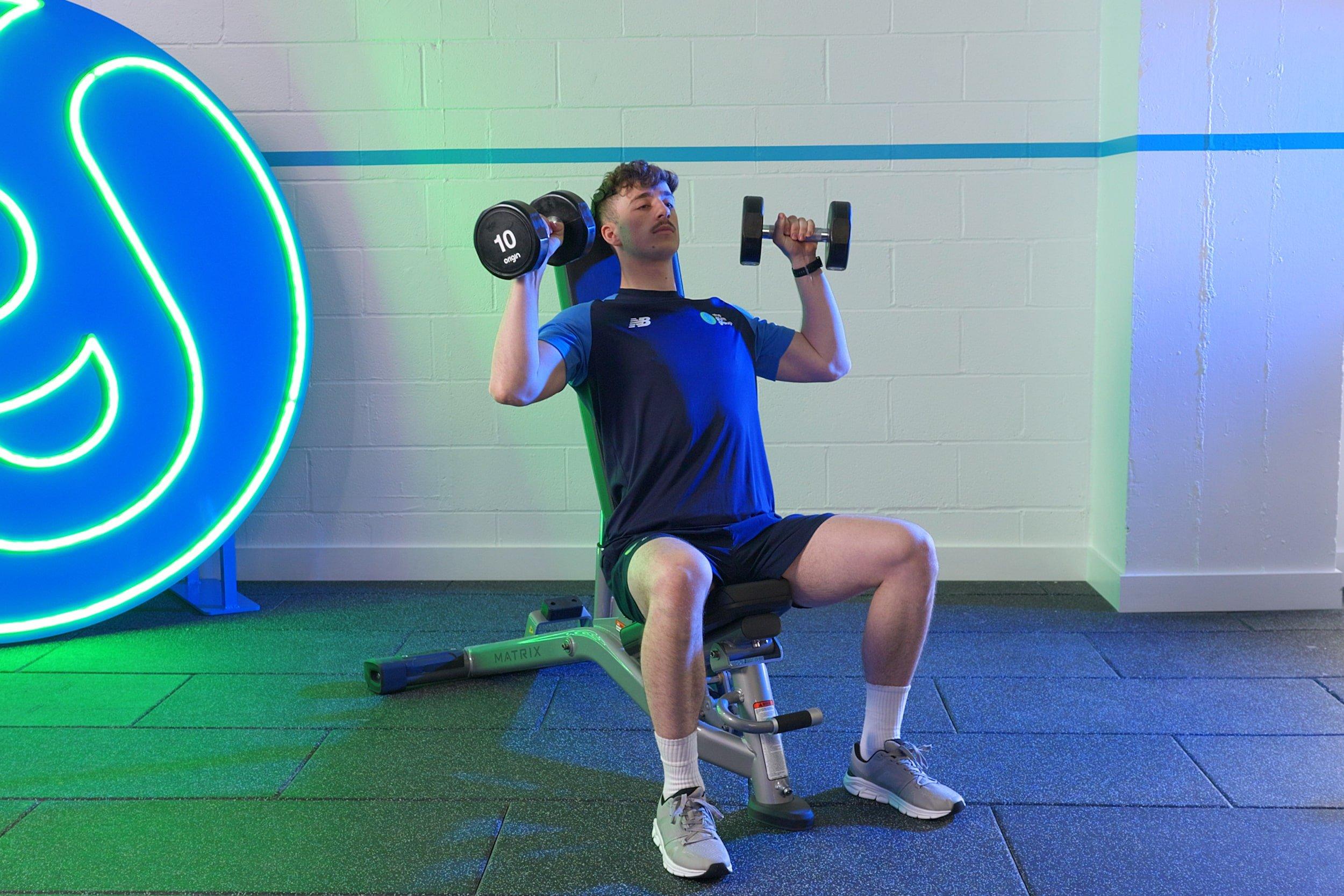
Credit: www.thegymgroup.com
Benefits Of Dumbbell Press
The dumbbell press is a popular exercise for building upper body strength. It offers several benefits for those looking to enhance their fitness routine.
This exercise can be easily adjusted to suit different fitness levels. It is effective in targeting specific muscle groups and improving overall muscle balance.
Muscle Groups Targeted
The dumbbell press mainly targets the chest, shoulders, and triceps. These muscles work together to push the weights upward.
This exercise helps in developing a strong and defined upper body. It is essential for those aiming to build muscle mass.
Improved Muscle Balance
Using dumbbells allows each arm to work independently. This prevents muscle imbalances that can occur with barbell exercises.
Balanced muscles are crucial for maintaining proper posture and reducing the risk of injury. It ensures both sides of the body develop equally.
Enhanced Range Of Motion
Dumbbells provide a greater range of motion compared to barbells. This allows for deeper stretches and more effective muscle engagement.
A greater range of motion contributes to better flexibility and joint health. It aids in performing everyday activities with ease.
Equipment And Setup
Doing a dumbbell press needs the right tools and a good setup. This helps you lift safely and get better results.
We will look at choosing dumbbells, picking a bench, and following safety tips for this exercise.
Choosing The Right Dumbbells
Pick dumbbells that fit your strength level. Start with light weights to learn the movement.
Adjustable dumbbells save space and let you change weight easily. Fixed dumbbells are simple and steady.
- Choose weights you can lift 8-12 times with good form
- Start lighter to avoid injury
- Use adjustable sets to increase weight gradually
Bench Options
A flat bench helps you lie down and press dumbbells up. It supports your back and keeps you stable.
Adjustable benches let you change the angle. You can do incline or decline presses to target different muscles.
- Flat bench for standard dumbbell press
- Incline bench to work upper chest
- Decline bench to focus lower chest
- Make sure the bench is sturdy and not slippery
Safety Precautions
Check your equipment before starting. Make sure dumbbells and bench are secure and stable.
Lift with control and avoid sudden moves. Use a spotter if you lift heavy weights.
- Warm up before lifting
- Keep your back flat on the bench
- Hold dumbbells firmly
- Lift in a slow and steady way
- Stop if you feel pain or discomfort
Step-by-step Dumbbell Press
The dumbbell press is a great exercise for building chest and shoulder strength. It uses two dumbbells to work both sides of your body evenly.
This guide will show you how to do the dumbbell press safely and effectively with clear steps.
Starting Position
Sit on a bench and hold a dumbbell in each hand. Rest the dumbbells on your thighs.
Lie back on the bench and lift the dumbbells up to chest level. Keep your feet flat on the floor and back pressed against the bench.
Lowering The Dumbbells
Slowly lower the dumbbells down to your chest. Keep your elbows at about a 45-degree angle from your body.
Do not let the dumbbells touch your chest. Stop just before they reach it to keep tension on your muscles.
Pressing Upward
Push the dumbbells upward by straightening your arms. Make sure to press evenly with both hands.
Keep your wrists straight and avoid locking your elbows at the top to protect your joints.
Breathing Technique
Inhale deeply as you lower the dumbbells to your chest. This helps you stay steady and control the weight.
Exhale forcefully as you press the dumbbells upward. Proper breathing supports your strength and focus.

Credit: www.ativafit.com
Common Form Mistakes
Doing the dumbbell press with the right form helps you avoid injuries. Many people make simple mistakes that reduce the exercise’s effectiveness.
Fixing these errors can improve your strength and protect your shoulders and back. Watch out for these common problems.
Elbow Position Errors
Many lifters let their elbows flare out too wide during the dumbbell press. This puts stress on the shoulder joints and can cause pain.
Keep your elbows at about a 45-degree angle from your body. This angle protects your shoulders and helps you press more weight safely.
- Elbows too wide increase shoulder strain
- Elbows too close limit muscle engagement
- Maintain a 45-degree angle for safety and strength
Arching The Back
Arching your lower back too much is a common mistake. This can cause lower back pain and reduce core stability.
Keep your back flat on the bench and engage your core muscles. This helps protect your spine and improves power transfer.
- Excessive arching strains the lower back
- Flat back keeps your body stable
- Engage your core to support your spine
Uneven Dumbbell Movement
Moving dumbbells unevenly can cause muscle imbalance and injury. One arm may lift faster or higher than the other.
Focus on controlling both dumbbells equally. Lower and press them at the same speed and range of motion.
- Uneven movement leads to muscle imbalances
- Control both dumbbells for better results
- Use lighter weight if needed to maintain control
Variations To Try
The dumbbell press is a popular chest exercise. You can change it to target different muscles.
Try these variations to add variety and work your chest in new ways.
Incline Dumbbell Press
This variation targets the upper chest more than the flat dumbbell press. Set the bench at a 30 to 45-degree angle.
Press the dumbbells up while keeping your elbows at about 45 degrees from your body. This helps reduce shoulder strain.
- Use a bench set at 30-45 degrees
- Focus on pushing the weights up and slightly backward
- Keep your feet flat on the floor
Decline Dumbbell Press
The decline dumbbell press works the lower chest muscles. Set the bench to a decline angle, about 15 to 30 degrees.
Lie back with your head lower than your hips. Press the dumbbells up while keeping control throughout the movement.
- Use a bench set to a 15-30 degree decline
- Keep dumbbells steady and controlled
- Focus on contracting the lower chest
Single-arm Dumbbell Press
Use one dumbbell at a time to improve balance and core strength. Lie on a flat bench and press one dumbbell up.
Keep your body stable and avoid twisting. This variation helps fix muscle imbalances between sides.
- Press one dumbbell at a time
- Keep your core tight to avoid twisting
- Focus on slow, controlled movements

Credit: uk.style.yahoo.com
Tips For Progression
Improving your dumbbell press takes time and care. Follow simple tips to get stronger safely.
Progressing step-by-step helps you avoid injuries and build muscle well.
Increasing Weight Safely
Add weight slowly to avoid strain. Start with a weight you can lift easily with good form.
Increase the weight by small amounts, such as 2.5 to 5 pounds, only when you feel ready.
- Warm up before lifting heavier weights
- Keep your movements controlled and steady
- Stop if you feel pain or discomfort
- Use a spotter if lifting very heavy
Adjusting Reps And Sets
Change your reps and sets to challenge your muscles differently. This helps you grow stronger.
Try lowering reps and increasing weight for strength. Use higher reps with lighter weight for endurance.
- For strength: 3-5 sets of 4-6 reps
- For muscle size: 3-4 sets of 8-12 reps
- For endurance: 2-3 sets of 15-20 reps
- Rest 1-2 minutes between sets for strength
- Rest 30-60 seconds for endurance training
Incorporating Dumbbell Press Into Workouts
Include dumbbell press in your workout plan to target chest and arms effectively. Mix it with other exercises.
Use dumbbell press on chest day or full-body workouts. Combine with push-ups, rows, and shoulder exercises.
- Start your workout with dumbbell press for strength
- Use it as a finishing move for muscle pump
- Alternate with barbell press for variety
- Train chest 1-2 times per week for best results
Frequently Asked Questions
What Muscles Does The Dumbbell Press Target?
The dumbbell press primarily targets the chest muscles. It also works the shoulders and triceps. This makes it effective for upper body strength and muscle growth.
How Do I Perform A Dumbbell Press Safely?
Start with light weights and a stable bench. Keep your back flat and feet planted. Lower dumbbells slowly and press them upward evenly. Avoid locking elbows to prevent injury.
Can Dumbbell Press Improve Shoulder Stability?
Yes, dumbbell press enhances shoulder stability. Using dumbbells requires more control than barbells. This activates stabilizing muscles around the shoulder joint, improving overall strength and balance.
How Many Sets And Reps For Dumbbell Press?
Typically, 3 to 4 sets of 8 to 12 reps are effective. This range supports muscle growth and endurance. Adjust weight to maintain proper form throughout.
Conclusion
Dumbbell press builds strong chest and shoulder muscles. It also improves your arm strength. Start with light weights to avoid injury. Keep your form steady and controlled. Breathe out when you push the dumbbells up. Try adding this exercise to your routine regularly.
You will see progress with patience and effort. Stay consistent, and enjoy your workout journey.


