

If you want stronger legs, better balance, and a toned lower body, dumbbell lunges are one of the best exercises you can do. But are you sure you’re doing them the right way?
Doing dumbbell lunges with poor form can waste your effort or even cause injury. You’ll learn exactly how to do dumbbell lunges step-by-step, so you get maximum results safely. Keep reading to discover simple tips that will help you build strength and confidence with every lunge.
Your body will thank you!
Benefits Of Dumbbell Lunges
Dumbbell lunges are a great exercise for building strength. They are simple and effective for all fitness levels.
These lunges improve your muscles and balance. You can do them anywhere with minimal equipment.
Targeted Muscle Groups
Dumbbell lunges target multiple muscle groups. They focus on your legs, glutes, and core.
- Quadriceps
- Hamstrings
- Gluteus maximus
- Calves
- Core muscles
Improved Balance And Stability
Doing lunges with dumbbells helps your balance. They make your body more stable during movements.
This exercise trains your body to stay steady. It reduces the risk of falling or injury.
Enhanced Functional Strength
Dumbbell lunges boost your functional strength. This means you become stronger in daily activities.
You can lift, carry, and move better. It improves your quality of life and overall health.
Credit: www.buzzrx.com
Choosing The Right Dumbbells
Choosing the right dumbbells is key for doing dumbbell lunges safely. The right weight helps you build strength without injury.
Pick dumbbells that fit your fitness level and exercise goals. This guide helps you select the best ones.
Weight Selection Tips
Choose dumbbells that let you do lunges with good form. The weight should feel challenging but not too hard.
Start with lighter weights if you are new. Increase weight gradually as your muscles get stronger.
- Pick weights you can lift for 8 to 12 reps
- Use lighter weights to practice balance and form
- Increase weight in small steps to avoid strain
- Stop if you feel pain or discomfort
Types Of Dumbbells
There are different dumbbells you can use for lunges. Each type has pros and cons.
Choose the type that fits your budget, space, and workout style.
- Fixed Dumbbells:Ready weights, easy to use, no adjustments needed
- Adjustable Dumbbells:Change weight plates, save space and money
- Neoprene Dumbbells:Soft grip, good for beginners and light workouts
- Hex Dumbbells:Flat edges prevent rolling, stable on the floor
Step-by-step Dumbbell Lunge Technique
Dumbbell lunges are a great exercise for your legs and glutes. They help build strength and balance.
Follow these steps to do dumbbell lunges safely and correctly.
Starting Position
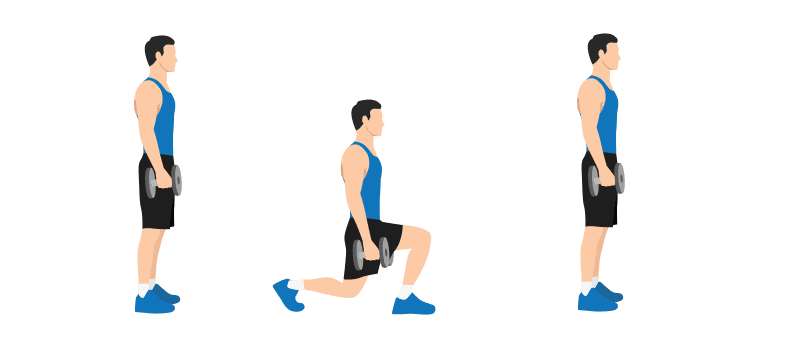
Stand tall with your feet hip-width apart. Hold a dumbbell in each hand at your sides. Keep your arms straight and relaxed.
Make sure your shoulders are back and your chest is up. This position prepares you for a stable lunge.
Forward Lunge Execution
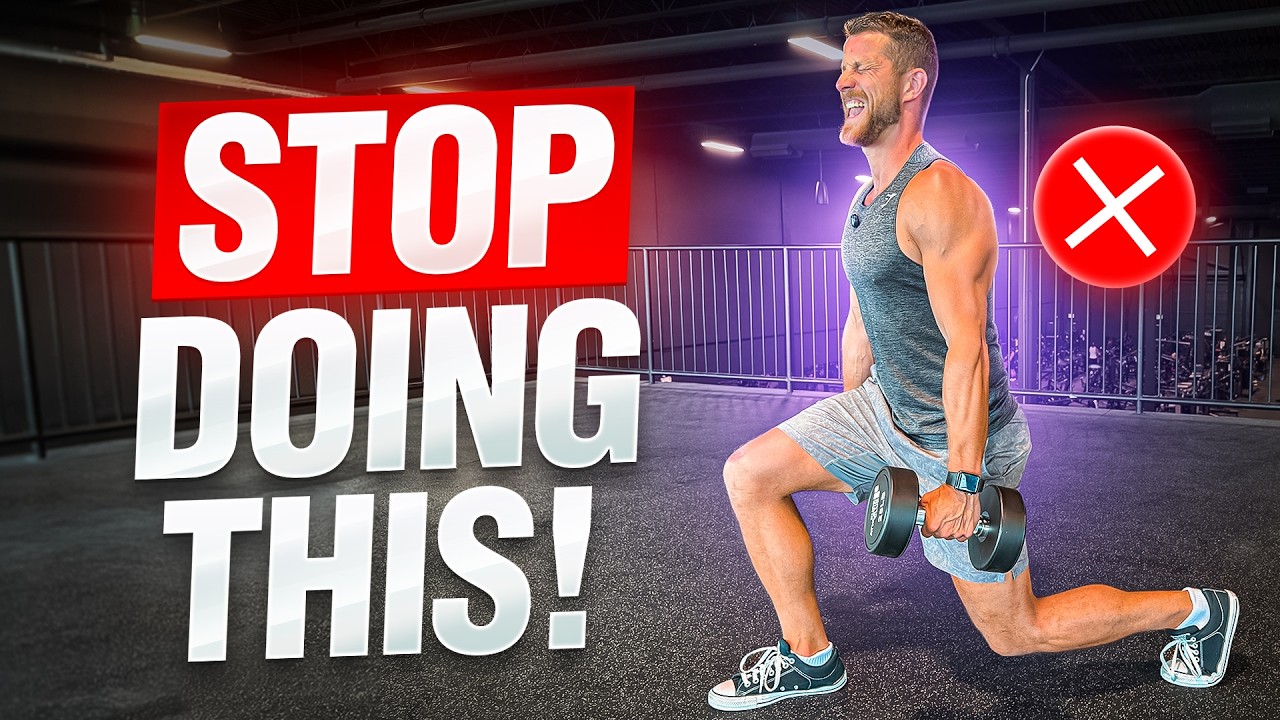
Step forward with one leg, placing your foot flat on the ground. Lower your hips until both knees bend at about 90 degrees.
The back knee should hover just above the floor. Your front knee should stay above your ankle, not past your toes.
- Step forward steadily
- Lower your body slowly
- Keep knees aligned with toes
Maintaining Proper Posture
Keep your back straight and chest lifted throughout the lunge. Avoid leaning forward or arching your back.
Engage your core muscles to help balance and support your spine. Look forward, not down at your feet.
- Maintain a straight spine
- Engage your core muscles
- Keep your gaze forward
Returning To Start
Push through the heel of your front foot to rise back up. Bring your front foot back to meet the other.
Return to the starting position with control. Repeat the lunge with the other leg to keep balance.
- Push up with front heel
- Step back to starting position
- Alternate legs for each lunge
Credit: www.youtube.com
Common Form Mistakes
Dumbbell lunges are great for leg strength. But many people make mistakes with their form. These errors can cause pain or injury.
Fixing common mistakes helps you get better results. It also keeps your body safe during the workout.
Knee Alignment Errors
One common mistake is letting the knee go too far forward. The knee should stay above your ankle. This protects the joint from too much stress.
Also, avoid letting the knee collapse inward. Keep it aligned with your toes. Poor alignment can cause knee pain or injury.
- Keep knee above the ankle
- Do not let knee move inward
- Align knee with the direction of your toes
Leaning Forward
Many people lean their upper body too far forward during lunges. This puts extra pressure on the lower back. Keep your chest up and back straight.
Good posture helps balance and works the right muscles. Try to look straight ahead and keep your shoulders back.
- Keep chest lifted
- Keep back straight
- Look forward, not down
- Engage core muscles
Short Stride Issues
A short stride limits the effectiveness of the lunge. If your step is too small, your knees take more stress. You also do not work your glutes well.
Step far enough so your front knee stays above your ankle. This lets you lower your body properly and balance easily.
- Take a longer step forward
- Keep front knee over ankle
- Avoid crowding your feet together
- Maintain balance throughout the move
Variations To Increase Challenge
Dumbbell lunges work your legs and balance. You can try different types to make them harder.
These variations help target muscles in new ways. They also improve coordination and strength.
Reverse Lunges
Reverse lunges make you step backward instead of forward. This puts more focus on your glutes and hamstrings.
Hold dumbbells in your hands and step back with one leg. Lower your knee toward the floor and push back up.
- Keep your chest up and core tight
- Step back far enough to feel a stretch
- Switch legs after each lunge
Walking Lunges
Walking lunges are done by stepping forward with each lunge. This helps improve balance and coordination.
Hold dumbbells by your sides. Step forward into a lunge, then bring your back leg forward to repeat.
- Keep your knees aligned with your toes
- Maintain a steady pace
- Engage your core for stability
Lunge With Twist
Add a twist to your lunge to work your core muscles more. Twist your upper body toward the front leg.
Hold a dumbbell or medicine ball with both hands. Lunge forward, then twist your torso before returning.
- Keep your back straight during the twist
- Use controlled movements
- Twist only your upper body, not your hips

Credit: www.womenshealthmag.com
Incorporating Lunges Into Your Workout
Dumbbell lunges are great for building leg strength. They also improve balance and coordination.
You can add lunges to many workout routines. They fit well with strength training or cardio sessions.
Reps And Sets Recommendations
Start with a comfortable number of reps to avoid injury. Focus on good form over speed.
A common plan is to do 3 sets of 10 to 12 lunges on each leg. Rest for 30 to 60 seconds between sets.
- 3 sets per workout
- 10 to 12 reps per leg
- 30-60 seconds rest between sets
Combining With Other Exercises
Lunges work well with exercises that target other muscle groups. This creates a balanced full-body workout.
Try pairing lunges with squats, push-ups, or planks. This helps improve strength and endurance together.
- Squats to build leg and glute strength
- Push-ups to strengthen the chest and arms
- Planks to improve core stability
- Jumping jacks for cardio and warm-up
Safety Tips To Prevent Injury
Dumbbell lunges are great for building strength and balance. Doing them safely helps avoid pain and injury.
Use correct form and prepare your body before starting. These tips keep you safe while working out.
Warm-up Essentials
Warming up raises your heart rate and loosens muscles. It prepares your body for exercise and reduces injury risk.
Spend 5 to 10 minutes on light cardio and dynamic stretches. Focus on legs, hips, and lower back.
- Walk or jog lightly
- Do leg swings front to back
- Perform hip circles
- Try bodyweight lunges without dumbbells
Proper Footwear
Wear shoes that support your feet and have good grip. Proper footwear helps keep balance during lunges.
Avoid running shoes with soft soles. Choose flat, stable shoes to prevent ankle twists and slips.
- Use cross-training shoes or weightlifting shoes
- Check shoes for wear and tear
- Replace shoes regularly for best support
Listening To Your Body
Pay attention to pain or discomfort during lunges. Stop if you feel sharp pain or unusual strain.
Rest if muscles are sore or tired. Gradually increase weight and reps to avoid overuse injuries.
- Pause if joints feel unstable
- Use lighter dumbbells if needed
- Take breaks between sets
- Consult a trainer or doctor if pain persists
Frequently Asked Questions
How Do Dumbbell Lunges Improve Leg Strength?
Dumbbell lunges target quadriceps, hamstrings, and glutes. Holding dumbbells increases resistance, enhancing muscle strength and endurance effectively.
What Is The Correct Form For Dumbbell Lunges?
Keep your back straight, step forward, lower hips until knees are at 90 degrees. Hold dumbbells by your sides for balance and resistance.
How Many Sets And Reps Are Ideal For Beginners?
Start with 3 sets of 8-12 reps per leg. Gradually increase reps or weight as strength and confidence improve.
Can Dumbbell Lunges Help With Balance And Stability?
Yes, they engage core muscles and improve coordination. This helps enhance overall balance and functional movement.
Conclusion
Dumbbell lunges help build strong legs and improve balance. Start with light weights to learn the movement well. Keep your back straight and step forward carefully. Practice regularly for better strength and stability. Small progress each day leads to big results.
Stay consistent and listen to your body’s signals. Enjoy the process and feel your muscles grow. Simple, effective, and easy to do at home or gym. Try adding dumbbell lunges to your workout routine today.


