
If you want strong, well-defined traps that stand out, dumbbells are one of the best tools you can use. Building your traps with dumbbells is simple, effective, and perfect whether you’re a beginner or looking to level up your workout.
You’ll discover easy-to-follow steps and powerful exercises that will help you sculpt your traps faster than you think. Ready to transform your upper body and boost your strength? Keep reading, because your next workout could be a game changer.
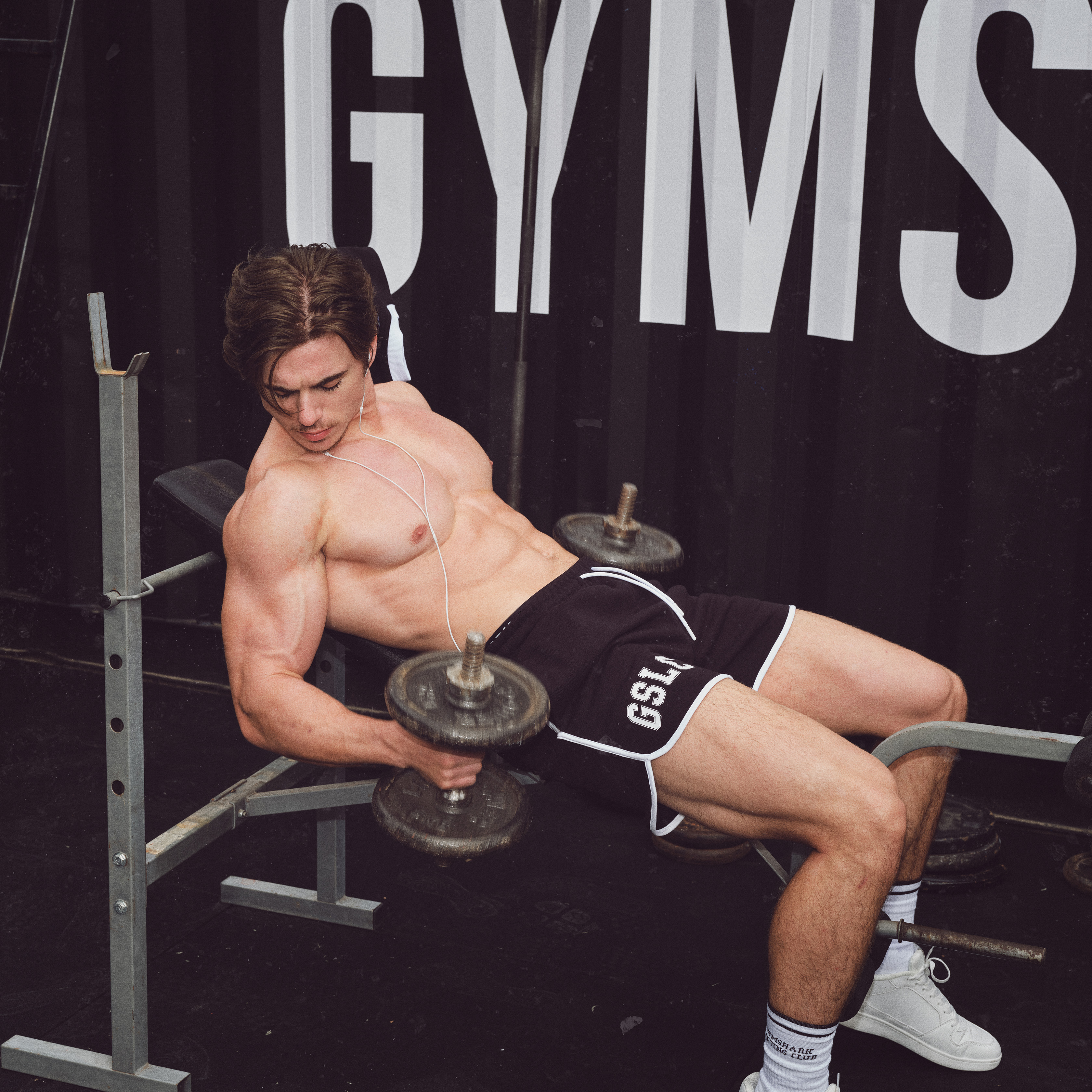
Credit: www.gymshark.com
Trap Muscles And Dumbbells
Building strong trap muscles can enhance your physique. Using dumbbells is an effective way to target these muscles.
Incorporating dumbbells into your workout routine helps isolate and strengthen the trap muscles efficiently.
Trap Muscle Anatomy
The trapezius muscles are large and triangular. They are located at the upper back and neck.
The traps are divided into three parts: upper, middle, and lower. Each part has a different function in shoulder and neck movements.
- Upper traps lift the shoulders.
- Middle traps pull the shoulder blades together.
- Lower traps help stabilize the shoulder blades.
Benefits Of Dumbbell Training
Dumbbells offer flexibility in training. They allow a wide range of motion, enhancing muscle development.
Training with dumbbells improves balance and coordination. It engages stabilizing muscles for better workout results.
- Improves muscle symmetry
- Enhances grip strength
- Allows targeted muscle isolation
Essential Dumbbell Exercises
Dumbbells are great tools to build strong traps. You can do many exercises with just dumbbells. These exercises help improve your posture and shoulder strength.
Here are some essential dumbbell exercises to target your traps effectively. Each exercise works different parts of your trap muscles.
Dumbbell Shrugs
Dumbbell shrugs focus on the upper traps. They help build size and strength in your neck and shoulders. Hold a dumbbell in each hand and lift your shoulders up toward your ears.
Keep your arms straight and avoid rolling your shoulders. Lower the dumbbells back down slowly to complete one rep.
Upright Rows
Upright rows work the traps and the shoulders. Hold dumbbells in front of you with your palms facing your body. Pull the dumbbells straight up to your chest.
Keep the dumbbells close to your body. Stop when your elbows reach shoulder height. Lower the weights slowly for the next rep.
Farmer’s Walk
The farmer’s walk trains your traps, grip, and core. Hold a heavy dumbbell in each hand. Stand tall and walk forward for a set distance or time.
Keep your shoulders back and your chest up. This exercise builds trap endurance and overall strength.
Reverse Flyes
Reverse flyes target the rear traps and upper back. Hold dumbbells and bend forward slightly. With a slight bend in your elbows, raise the weights out to the sides.
Squeeze your shoulder blades together at the top. Lower the dumbbells slowly to finish the movement.
Proper Form And Technique
Building your traps with dumbbells needs correct form and technique. This helps you get the best results safely.
Focus on controlled movements and steady posture to avoid injuries and target the trap muscles well.
Grip And Posture Tips
Hold the dumbbells firmly but not too tight. A relaxed grip helps keep your wrists straight and reduces strain.
Stand tall with your feet shoulder-width apart. Keep your back straight and shoulders relaxed to protect your spine.
- Keep your arms close to your body
- Lift your shoulders slowly and evenly
- Do not shrug with your neck
- Breathe out as you lift the weights
Common Mistakes To Avoid
Many people use too much weight, which can cause poor form and injury. Use a weight you can control easily.
Avoid jerking or swinging the dumbbells. Move in a slow and steady way to work your traps properly.
- Do not round your back or lean forward
- Avoid lifting your shoulders with your neck
- Do not lock your elbows
- Keep your head neutral, not tilted

Credit: www.youtube.com
Designing Your Trap Workout
Building strong traps with dumbbells needs a clear plan. Good design helps you get better results.
Focus on the right exercises and manage your sets and rest well. This keeps your traps growing safely.
Sets And Reps For Strength
To build strength, use heavier dumbbells with fewer reps. This helps your muscles get stronger.
Do about 3 to 5 sets. Keep reps low, around 4 to 6 per set, to build power.
- Choose a weight you can lift 4 to 6 times
- Rest 1 to 2 minutes between sets
- Use proper form to avoid injury
Rest And Recovery Strategies
Rest is important for trap muscles to grow. Without enough recovery, you risk injury.
Take 48 hours off between trap workouts. This helps muscles heal and get stronger.
- Get 7 to 9 hours of sleep each night
- Stretch traps gently after workouts
- Eat protein to help muscle repair
Progression And Variations
Building strong traps with dumbbells requires steady progress. Start with basic exercises and increase difficulty over time.
Changing your routine with variations helps target different parts of your traps. This keeps workouts effective and engaging.
Increasing Weight Safely
Increase the dumbbell weight gradually to avoid injury. Add small weight increments every week or two.
Focus on good form before lifting heavier dumbbells. Proper technique protects your muscles and joints.
- Start with light weights for warm-up sets
- Lift heavier weights only if you can maintain form
- Use slow, controlled movements to reduce strain
- Rest enough between sets to recover
Advanced Dumbbell Trap Moves
Try advanced dumbbell exercises to challenge your traps. These moves add variety and increase muscle growth.
Examples include dumbbell shrugs with a pause, upright rows, and farmer’s carries. These target traps differently.
- Dumbbell Shrugs with a 2-second hold at the top
- Upright Rows with elbows higher than wrists
- Farmer’s Carries walking with heavy dumbbells
- Incline Dumbbell Shrugs to hit upper traps
Integrating Traps Into Full-body Training
The trapezius muscles, or traps, are important for shoulder strength and posture. Using dumbbells can help build these muscles effectively.
Adding trap exercises to full-body workouts improves balance and prevents injuries. It also helps create a stronger upper body.
Balancing Muscle Groups
When training traps, balance is key. Focus on exercises that work opposing muscles like the chest and back.
This balance prevents muscle imbalances that can cause pain or limit movement. Train traps with compound and isolation exercises.
- Include rows and chest presses for back and chest balance
- Use dumbbell shrugs and upright rows for traps
- Train legs and core to support full-body strength
- Stretch and rest muscles to avoid tightness
Sample Weekly Routine
This sample routine includes trap exercises with dumbbells alongside full-body training. Adjust weights and reps to your level.
| Day | Focus | Trap Exercise | Other Exercises |
|---|---|---|---|
| Monday | Upper Body | Dumbbell Shrugs – 3×12 | Dumbbell Rows, Chest Press |
| Wednesday | Full Body | Upright Rows – 3×10 | Squats, Planks, Dumbbell Deadlifts |
| Friday | Upper Body | Face Pulls (with bands) or Rear Delt Raises – 3×15 | Dumbbell Bench Press, Pull-Ups |
Nutrition And Recovery
Building traps with dumbbells requires more than just workouts. Nutrition and recovery help your muscles grow stronger. Eating right and resting well support your training efforts.
Without good nutrition and proper recovery, your muscles can’t repair or grow effectively. Focus on these areas to see better results.
Fueling Muscle Growth
Your traps need fuel to grow after workouts. Eating enough protein helps repair muscle fibers. Carbs give energy for training and recovery.
Healthy fats support hormone balance, which helps muscle growth. Drink water to stay hydrated and improve muscle function.
- Eat 1.2 to 2 grams of protein per kg of body weight daily
- Include complex carbs like whole grains and vegetables
- Use healthy fats such as nuts, seeds, and olive oil
- Drink plenty of water throughout the day
- Eat balanced meals every 3-4 hours
Tips For Faster Recovery
Rest helps your traps recover after dumbbell exercises. Sleep is very important for muscle repair. Aim for 7 to 9 hours each night.
Active recovery like light stretching or walking reduces soreness. Avoid overtraining to prevent injuries and burnout.
- Get enough sleep every night
- Use light activity on rest days
- Stretch traps gently after workouts
- Apply ice or heat to reduce muscle pain
- Avoid training the same muscles daily
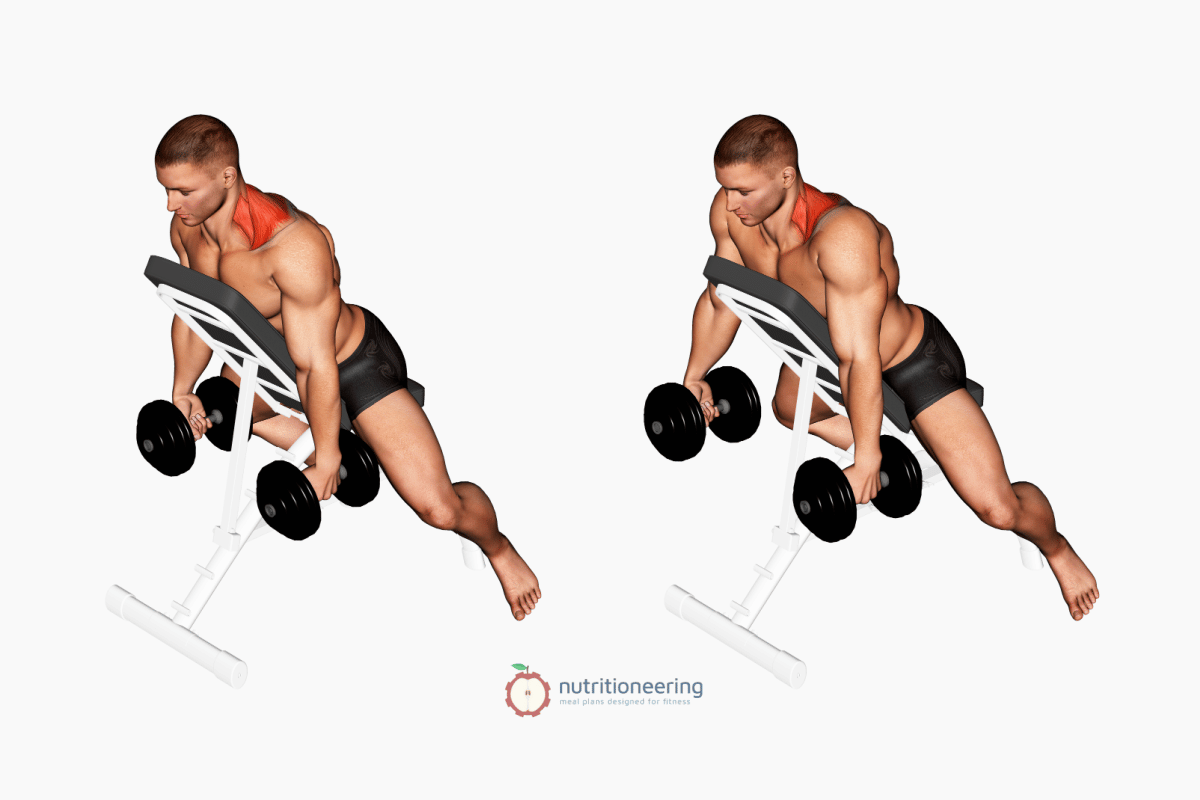
Credit: www.bodybuildingmealplan.com
Frequently Asked Questions
How Do Dumbbells Help Build Traps Effectively?
Dumbbells allow a full range of motion and muscle activation. They target both upper and middle trapezius muscles. This improves muscle balance and strength. Dumbbell exercises also reduce injury risk compared to heavy machines.
What Are The Best Dumbbell Exercises For Traps?
Shrugs, upright rows, and farmer’s walks are top choices. These exercises directly engage the trapezius muscles. They help increase size, strength, and endurance. Incorporate these moves consistently for optimal trap growth.
How Often Should I Train Traps With Dumbbells?
Train traps 2-3 times weekly for best results. Allow 48 hours rest between sessions to promote recovery. Overtraining can lead to muscle strain or injury. Focus on proper form and gradual weight increase.
Can Dumbbell Traps Workouts Improve Posture?
Yes, strong traps support shoulder alignment and neck stability. This reduces slouching and neck pain. Regular dumbbell training enhances posture by strengthening upper back muscles. Consistency is key for noticeable improvements.
Conclusion
Building strong traps with dumbbells takes time and effort. Use the right exercises and keep your form correct. Train regularly and increase weight slowly to avoid injury. Rest well and eat healthy to support muscle growth. Stay patient and consistent.
Small steps lead to big results. Your traps will grow stronger and look better. Keep focused and enjoy the process.


