

Want stronger, more defined forearms that grab attention and boost your grip strength? Building your forearms with just dumbbells is easier than you think.
Whether you’re new to training or looking to break through a plateau, this guide will show you simple, effective exercises that fit right into your routine. Keep reading, and you’ll discover how to sculpt powerful forearms that make everyday tasks—and your workouts—feel easier and more rewarding.
Benefits Of Strong Forearms
Building strong forearms with dumbbells offers many benefits. They enhance daily activities and support overall fitness.
Strong forearms improve grip, prevent injuries, and boost aesthetics. Let’s explore these advantages further.
Improved Grip And Performance
Strong forearms lead to a better grip. This is important for lifting weights and carrying groceries.
A good grip helps in sports like tennis and climbing. It enhances performance and control.
- Hold heavier weights longer
- Boost sports performance
- Improve daily tasks
Injury Prevention
Strong forearms support wrist and elbow joints. They reduce the risk of injuries during workouts.
They protect against strains and sprains. This is crucial for maintaining long-term fitness.
- Decrease wrist injuries
- Support elbow health
- Prevent muscle strains
Enhanced Aesthetics
Well-developed forearms look impressive. They complement overall arm development.
Strong forearms make sleeves fit better. They add symmetry to the upper body.
- Improve arm appearance
- Balance upper body
- Enhance muscle definition

Credit: www.youtube.com
Choosing The Right Dumbbells
Building forearms with dumbbells needs the right equipment. Choosing the right dumbbells helps you train safely and effectively.
Pick dumbbells that fit your strength level and workout style. This makes your forearm exercises better.
Weight Selection
Choose dumbbell weights that challenge your forearms without causing injury. Start with light weights and increase gradually.
Use weights you can lift with good form for 10 to 15 reps. This helps build muscle and avoid strain.
- Start light to learn proper technique
- Increase weight as your strength improves
- Stop if you feel sharp pain
- Focus on controlled movements
Adjustable Vs Fixed Dumbbells
Adjustable dumbbells let you change the weight by adding or removing plates. Fixed dumbbells have one solid weight.
Adjustable dumbbells save space and cost less for many weights. Fixed dumbbells are easy to use and more durable.
- Adjustable Dumbbells:Flexible, space-saving, good for many weight levels
- Fixed Dumbbells:Simple, sturdy, quick to use during workouts
Effective Forearm Exercises
Strong forearms improve grip and overall arm strength. Dumbbells are great for building forearm muscles.
These exercises target different parts of the forearm for balanced strength and size.
Wrist Curls
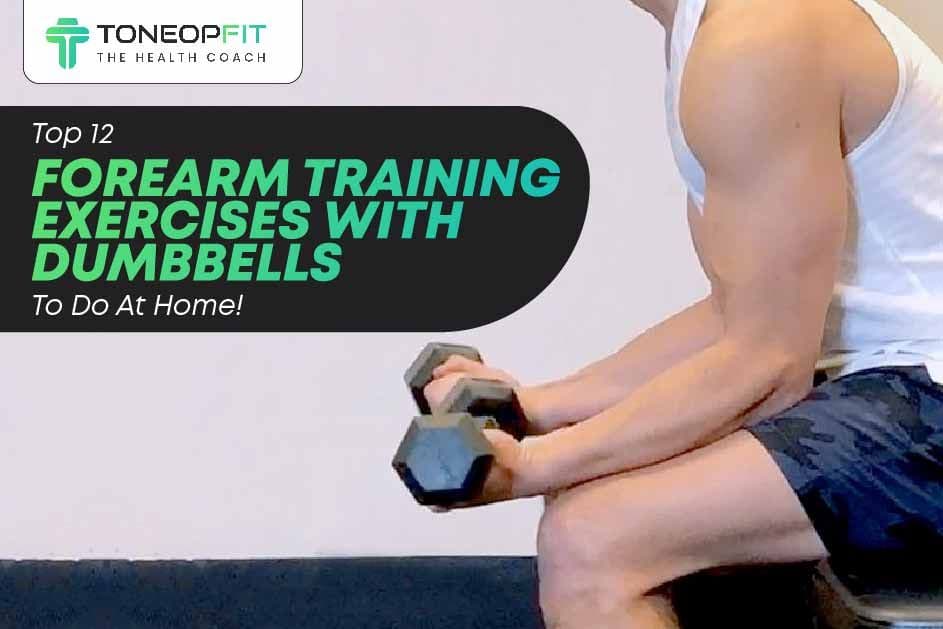
Wrist curls focus on the muscles on the inside of your forearm. Hold a dumbbell with your palm facing up.
Rest your forearm on a bench or your thigh. Curl your wrist upward and slowly lower it back down.
- Use light to moderate weight
- Perform 3 sets of 12 to 15 reps
- Keep movements slow and controlled
Reverse Wrist Curls
Reverse wrist curls target the outer forearm muscles. Hold the dumbbell with your palm facing down.
Rest your forearm on a bench or thigh. Lift your wrist upwards and lower it slowly to start position.
- Choose a lighter weight than wrist curls
- Do 3 sets of 12 to 15 reps
- Move your wrist slowly for full muscle tension
Hammer Curls
Hammer curls work the forearm and bicep muscles. Hold dumbbells with palms facing your sides.
Keep your elbows close to your body. Curl the dumbbells up while keeping palms facing each other.
- Use moderate weight
- Complete 3 sets of 10 to 12 reps
- Control the movement on the way down
Farmer’s Walk
The farmer’s walk builds grip and forearm endurance. Hold a heavy dumbbell in each hand.
Stand tall and walk a set distance. Keep your shoulders back and core tight.
- Start with manageable weight
- Walk 20 to 30 meters per set
- Do 3 to 4 sets with rest in between
Proper Technique And Form
Building strong forearms with dumbbells requires correct technique and form. Using the right movements helps avoid injury.
Focus on controlled actions to fully engage your forearm muscles. Good form improves your results and keeps you safe.
Grip Variations
Changing your grip targets different forearm muscles. Use grips like pronated, supinated, and neutral for variety.
Try these grips to work your forearms in new ways and avoid plateaus.
- Pronated grip:Palms face down, works wrist extensors.
- Supinated grip:Palms face up, focuses on wrist flexors.
- Neutral grip:Palms face each other, balances muscle use.
Controlling Movement
Move the dumbbells slowly and with control. Avoid swinging or using momentum to lift the weight.
Control helps muscles work harder and reduces risk of injury. Focus on smooth, steady motions.
- Lift the weight slowly over 2-3 seconds.
- Pause briefly at the top of the movement.
- Lower the weight in a controlled manner for 3-4 seconds.
Breathing Tips
Breathe steadily to keep your body oxygenated during the exercise. Proper breathing supports muscle effort.
Inhale before you lift and exhale as you lift the dumbbells. This pattern helps maintain strength and focus.
- Inhale deeply before starting the movement.
- Exhale slowly while lifting the dumbbells.
- Inhale again as you lower the weights.
Training Frequency And Volume
Building strong forearms with dumbbells needs the right training plan. Training frequency and volume play a big role. These factors help muscles grow and recover well.
Training too little slows progress. Training too much can cause injury. Finding a good balance helps you build forearms safely and effectively.
How Often To Train
Train your forearms two to three times each week. This frequency gives muscles enough work to grow. It also allows time to recover and avoid strain.
Space your workouts with at least one day of rest in between. Avoid training forearms every day to prevent overuse injuries.
- Train forearms 2-3 times per week
- Rest at least one day between sessions
- Focus on quality over quantity
Sets And Reps Recommendations
Use 3 to 4 sets for each forearm exercise. This volume helps build strength and size. Keep reps between 10 and 15 for best results.
Choose a weight that feels challenging by the last reps. Rest 30 to 60 seconds between sets to keep muscles active.
- 3 to 4 sets per exercise
- 10 to 15 reps per set
- 30 to 60 seconds rest between sets
- Use challenging but safe weights
Credit: toneopfit.com
Common Mistakes To Avoid
Building strong forearms with dumbbells takes time and care. Many people make mistakes that slow progress. Avoiding these errors helps you get better results.
Focus on proper technique and rest. This guide explains common mistakes to watch out for while training your forearms.
Using Too Much Weight
Using heavy dumbbells can cause poor form. This puts stress on joints and muscles the wrong way. It can also lead to injury.
Choose a weight that lets you do exercises with control. You should feel the burn but not strain. This helps your forearms grow safely.
Neglecting Rest
Forearm muscles need time to recover after workouts. Skipping rest can cause fatigue and slow muscle growth. Overtraining may lead to pain or injury.
Give your forearms at least 48 hours of rest between sessions. Proper rest helps muscles repair and get stronger.
Ignoring Full Range Of Motion
Only moving dumbbells partway limits muscle development. Using the full range of motion targets all parts of your forearm muscles.
Make sure to extend and flex your wrists fully. This improves strength and flexibility in your forearms.
Incorporating Forearm Workouts Into Routine
Building strong forearms improves grip and arm strength. Dumbbells are a great tool for this.
Add forearm exercises to your regular workout for balanced muscle growth.
Pairing With Other Muscle Groups
Forearm workouts work well with back and bicep exercises. These muscle groups support each other.
Train forearms after larger muscle groups to avoid early fatigue. This helps keep good form.
- Combine wrist curls with bicep curls
- Add reverse curls after pull-ups
- Include farmer’s walks after deadlifts
Warm-up And Cool-down Tips
Warm your forearms before lifting to reduce injury risk. Simple stretches improve blood flow.
Cooling down helps reduce soreness and stiffness. Gentle stretches relax the muscles.
- Do wrist circles and finger stretches before exercises
- Use light dumbbells for warm-up sets
- Stretch your wrists and forearms after workouts
- Massage forearms to aid recovery

Credit: www.youtube.com
Tracking Progress And Staying Motivated
Building forearms with dumbbells takes time and effort. Tracking your progress helps you see how far you have come.
Staying motivated is important to keep working out regularly. Knowing your progress can keep you encouraged.
Recording Strength Gains
Write down the weights you use and how many reps you do. This helps you notice when you get stronger.
Track your progress weekly or after each workout. This will show steady improvement over time.
- Note the dumbbell weight in pounds or kilograms
- Record the number of sets and reps completed
- Track any increase in weight or reps over time
- Write down how your forearms feel after each session
Setting Realistic Goals
Set clear and simple goals for your forearm workouts. Small goals make it easier to stay on track.
Focus on goals that you can reach within weeks. This builds confidence and keeps you motivated.
- Aim to increase weight or reps by a small amount each week
- Set a goal for how many workouts you will do each week
- Plan to measure your forearm size every month
- Celebrate reaching each goal to stay positive
Frequently Asked Questions
What Are The Best Dumbbell Exercises For Forearms?
Wrist curls, reverse wrist curls, and farmer’s walks are top dumbbell exercises. They target forearm muscles effectively and improve grip strength.
How Often Should I Train Forearms With Dumbbells?
Train forearms 2-3 times a week with at least one day rest. Consistency and recovery help muscle growth and prevent injury.
Can Dumbbells Alone Build Strong Forearms?
Yes, dumbbells can build strong forearms if you use proper form and progressive overload. Combining exercises with varied grips enhances results.
How Many Reps And Sets Are Ideal For Forearm Growth?
Perform 3-4 sets of 12-15 reps for forearm exercises. Higher reps stimulate endurance, while moderate weight encourages muscle growth.
Conclusion
Building strong forearms with dumbbells takes time and effort. Start with simple exercises and focus on good form. Gradually increase weight and reps to see progress. Consistency matters more than quick results. Rest your muscles to help them grow. Use dumbbells regularly to improve grip and strength.
Small steps lead to big gains. Stay patient and keep training. Strong forearms help in many daily activities and sports. Keep practicing and enjoy the results.


