
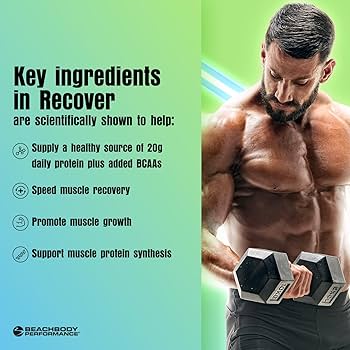
Have you ever pushed yourself hard during a workout, only to wake up the next day with sore, stiff muscles? That discomfort can slow you down and make it tough to stick to your fitness routine.
You might be wondering if there’s a simple way to ease that soreness and get back on track faster. Could whey protein be the answer you’ve been looking for? You’ll discover how whey protein works in your body and whether it can really help reduce muscle soreness.
Keep reading to find out how to recover smarter and feel better after every workout.
How Muscle Soreness Develops
Muscle soreness often occurs after exercise, especially if you try new activities. Your muscles experience tiny tears during workouts. These tears lead to muscle soreness as they heal and grow stronger.
Soreness is a sign that your muscles are adapting to new challenges. It usually appears a day or two after exercise. This type of soreness is common among athletes and fitness enthusiasts.
Causes Of Delayed Onset Muscle Soreness
Delayed onset muscle soreness, or DOMS, happens after intense physical activities. It can be caused by exercises that stretch muscles more than usual. Weightlifting and running downhill are common triggers.
DOMS results from small muscle fiber tears. These tears happen when muscles work harder than they are used to. Inflammation in the muscles can also cause soreness.
- New exercise routines
- High-intensity workouts
- Unfamiliar physical activities
Impact On Workout Performance
Muscle soreness can affect how well you perform during workouts. It might make movements feel uncomfortable or reduce your strength temporarily. Soreness can also lead to a lower range of motion.
While sore muscles might slow you down, they are not always a bad sign. They indicate that your body is working to build stronger muscles. However, it’s important to allow enough rest for recovery.
- Reduced strength
- Limited range of motion
- Discomfort during exercises
Credit: www.hollandandbarrett.com
Role Of Protein In Muscle Repair
Protein plays an important role in fixing muscles after exercise. It helps build new muscle fibers and repair damage.
Eating enough protein supports muscle recovery and reduces soreness. It gives the body materials to heal faster.
Protein And Muscle Recovery
Muscles get tiny tears during workouts. Protein helps fix these tears by supplying amino acids.
Amino acids rebuild muscle tissue and increase strength. Protein also helps reduce muscle pain after exercise.
- Provides building blocks for muscle repair
- Supports muscle growth and strength
- Reduces muscle soreness after workouts
- Helps the body recover faster
Whey Protein’s Unique Properties
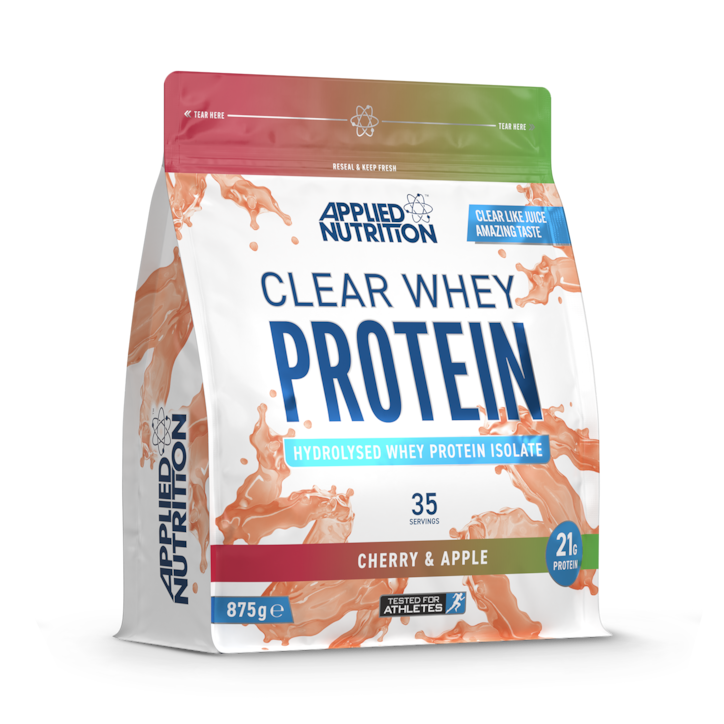
Whey protein is a fast-digesting protein from milk. It is rich in essential amino acids.
It quickly reaches muscles to start repair. Whey also contains leucine, which triggers muscle building.
- Fast absorption helps muscle repair soon after exercise
- High leucine content supports muscle growth
- Complete protein with all essential amino acids
- Easy to digest and use by the body
Scientific Studies On Whey Protein
Whey protein is popular among athletes and fitness fans. Many studies check if it helps reduce muscle soreness.
Researchers look at how whey protein affects muscle recovery after exercise. They study soreness, inflammation, and muscle damage.
Effects On Muscle Soreness Reduction
Some studies show whey protein may lower muscle soreness after tough workouts. It helps muscles repair faster.
Whey protein provides amino acids that support muscle healing. This can reduce the pain felt after exercise.
- Whey protein boosts muscle recovery speed
- It reduces delayed onset muscle soreness (DOMS)
- Helps muscles rebuild after damage
Influence On Inflammation And Damage Markers
Studies find whey protein can lower inflammation in muscles after exercise. It reduces markers that show muscle damage.
Lower inflammation helps muscles heal better and faster. Whey protein supports the body’s natural repair process.
- Whey protein reduces blood levels of inflammation markers
- It decreases enzymes linked to muscle damage
- Supports recovery by limiting muscle stress
Optimal Whey Protein Intake For Recovery
Whey protein can help reduce muscle soreness after exercise. It supports muscle repair and growth.
To get the best results, you need to take the right amount at the right time.
Recommended Dosages
The typical dose of whey protein for muscle recovery is about 20 to 30 grams per serving. This amount provides enough amino acids for muscle repair.
Taking more than 30 grams at once does not improve recovery much. Your body can only use a certain amount at a time.
- 20-30 grams per serving is ideal
- Do not exceed 40 grams at once
- Adjust based on your body weight and activity level
Timing And Frequency
For best results, take whey protein soon after exercise. This helps muscles start repairing quickly.
You can also spread protein intake evenly throughout the day to keep muscles fed.
- Consume whey protein within 30 minutes after workouts
- Eat protein every 3-4 hours during the day
- Include whey protein in meals and snacks
Combining Whey With Other Recovery Strategies
Whey protein helps repair muscles after exercise. Using it with other recovery methods can improve muscle healing.
Combining whey with good nutrition, hydration, and rest supports faster recovery and less soreness.
Nutrition And Hydration
Eating a balanced diet gives your body the fuel it needs to repair muscles. Whey protein provides amino acids for muscle growth.
Drinking enough water helps flush out toxins and reduce muscle pain. Staying hydrated supports muscle function and recovery.
- Include fruits and vegetables for vitamins and minerals
- Eat carbohydrates to restore energy
- Drink water before, during, and after exercise
- Aim for 8–10 glasses of water daily
Rest And Active Recovery Techniques
Rest allows your muscles to rebuild and get stronger. Avoid intense workouts on sore days to prevent more damage.
Active recovery uses light exercise to increase blood flow. This helps reduce stiffness and speed healing.
- Try gentle walking or cycling on rest days
- Use stretching to improve flexibility
- Apply ice or heat to ease muscle pain
- Get enough sleep for full body recovery

Credit: explosivewhey.com
Potential Side Effects And Considerations
Whey protein is popular for muscle recovery. Some people wonder if it helps sore muscles. It can help, but some side effects may occur. Knowing these helps you decide if whey protein is right for you.
It is important to watch for allergies and quality issues. These factors affect how your body reacts to whey protein. Keep these points in mind before using it regularly.
Allergies And Sensitivities
Whey protein comes from milk. People with milk allergies should avoid it. Even if you are not allergic, some may feel upset stomach or bloating. These are signs of sensitivity.
- Milk allergy can cause hives, swelling, or breathing issues
- Lactose intolerance may cause gas, cramps, or diarrhea
- Start with small doses to test your body’s response
Quality And Source Of Whey Protein
Not all whey protein is the same. Some have added sugars or fillers. Low-quality whey may cause stomach discomfort or less muscle benefit. Choose products from trusted brands.
- Look for whey protein with few ingredients
- Check if the whey is concentrate, isolate, or hydrolysate
- Higher quality whey isolates have less fat and lactose
- Organic or grass-fed whey can be easier on digestion
Practical Tips For Using Whey Protein
Whey protein can help reduce muscle soreness after exercise. It provides the body with important nutrients to repair muscles.
Using whey protein the right way can improve your recovery and keep your muscles strong.
Choosing The Right Product
Pick a whey protein that fits your needs and lifestyle. Look for products with few added ingredients.
Check the protein content and avoid powders with too much sugar or fillers.
- Choose whey concentrate for general use
- Choose whey isolate if you want less fat and lactose
- Look for third-party testing to ensure quality
Incorporating Whey Into Meals And Snacks
Add whey protein to meals and snacks to support muscle repair throughout the day. It is easy to mix into foods and drinks.
Use whey protein in ways that fit your taste and schedule.
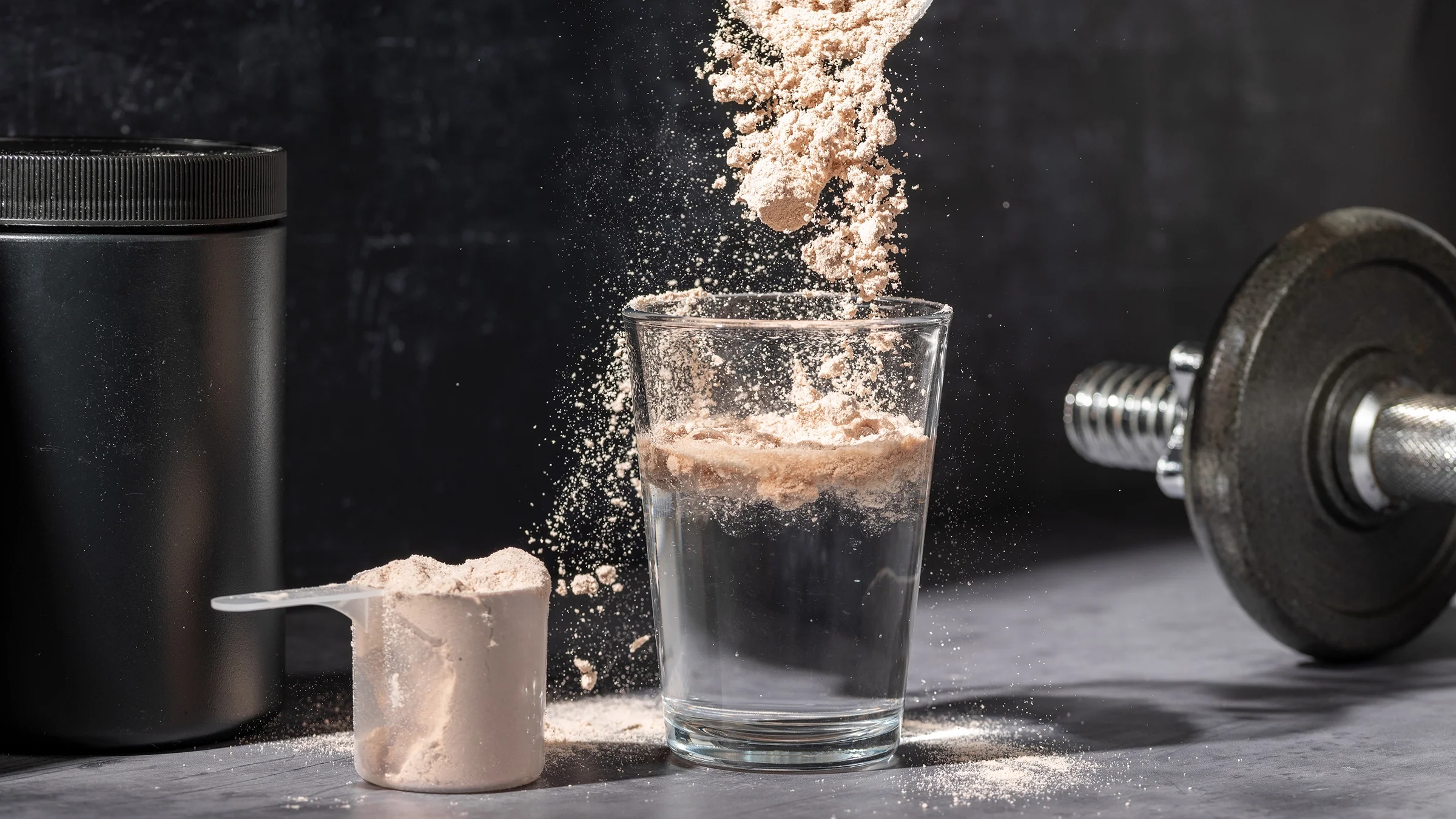
- Mix whey with water or milk for a quick shake
- Add whey powder to oatmeal or yogurt
- Blend whey into smoothies with fruit and veggies
- Use whey in baking recipes like pancakes or muffins
Credit: www.goodrx.com
Frequently Asked Questions
Does Whey Protein Reduce Muscle Soreness Effectively?
Whey protein helps reduce muscle soreness by aiding muscle repair and recovery. It provides essential amino acids that speed up healing and decrease inflammation after exercise.
How Soon Should I Take Whey Protein Post-workout?
For best results, consume whey protein within 30 minutes after exercise. This timing boosts muscle recovery and helps reduce soreness more efficiently.
Can Whey Protein Prevent Delayed Onset Muscle Soreness?
Whey protein can minimize delayed onset muscle soreness (DOMS) by enhancing muscle repair. However, it may not completely prevent soreness after intense workouts.
Is Whey Protein Better Than Other Proteins For Sore Muscles?
Whey protein is quickly absorbed and rich in leucine, making it more effective for muscle recovery than many other protein sources.
Conclusion
Whey protein can support muscle recovery after exercise. It provides the body with essential amino acids. These help repair muscle fibers and reduce soreness. Drinking whey protein soon after workouts may speed healing. Still, rest and hydration remain important too.
Eating balanced meals boosts overall muscle health. Keep in mind that results vary by person. Consistent exercise and good nutrition work best together. So, whey protein can be a helpful part of recovery. But it is not the only answer.


